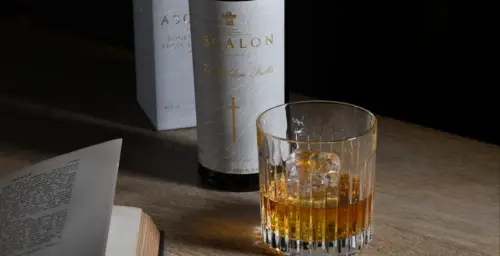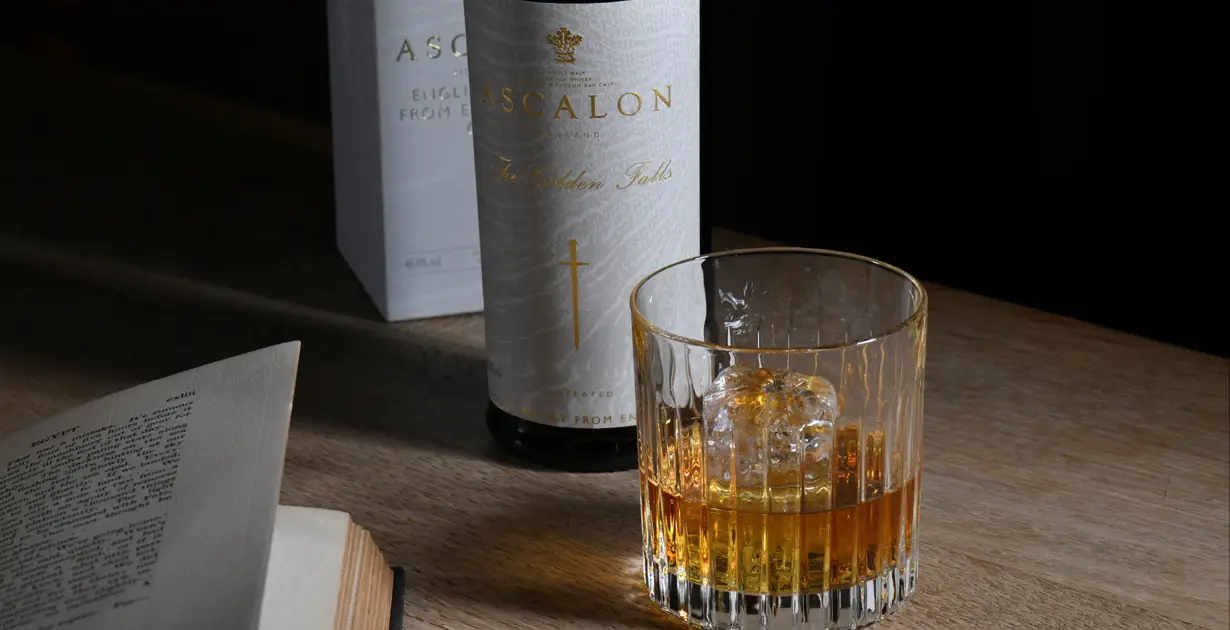
In September 2026, English whisky marked a milestone: it gained geographical indication (GI) status, making it an officially recognised category in the UK. At Ascalon, where we are committed to producing high-quality English whiskies matured in our own oak casks, we’ve celebrated this moment heartily.
The English Whisky Guild led the charge on the application, having been founded with the aim of securing regulatory protection for the category. It has been a long process, with the application first submitted in early 2022, but that labour and ardour have now paid off.
The GI is hugely significant for English whisky producers like us. It means the category will have the same regulatory protections already enjoyed by Scotch, Irish and Welsh whiskies, with spirits needing to meet certain standards to be labelled as “English whisky”.
What Will Whisky Look Like in 2027? Voices from Whisky Live Paris
READ THE STORYSo, what exactly is an English whisky? Here, I’ll explore the key points of the geographical indication and what that means for the spirit in your glass.
What Is A Geographical Indication?
In the UK, some food and drinks carry a geographical indication (GI), which indicates that they have a connection to a certain area or are made using traditional or specific methods. Makers can apply for a GI, which is a kind of intellectual property protection. This guarantees a product’s characteristics, authenticity, origin, and reputation, helping to prevent misuse or misappropriation.
England was the last British nation to secure protection for its whiskies, following Scotland in 2009, Ireland in 2014, and Wales in 2023.
 Trending Content

What Does Having A GI Mean For English Whisky?
It means that, for a product to be labelled as “English whisky”, it will have to meet certain production standards (the English whiskies we make at Ascalon are compliant with the GI’s terms).
We believe this protection will be powerful for the English whisky category. Having these quality standards means that customers who choose a bottle of English whisky in a shop or bar can be sure of what they’re buying. This reassurance will help our category to grow, building on the local and international success England’s whisky makers have been nurturing for more than a decade.
What Does The English Whisky GI Include?
The GI includes information about how English whiskies, including single malts, single grains and blends, should be made. While the whiskies we make in England are broadly similar to those made in Scotland, there are some differences between the countries’ regulations.
Here are some of the key points from the English whisky GI:
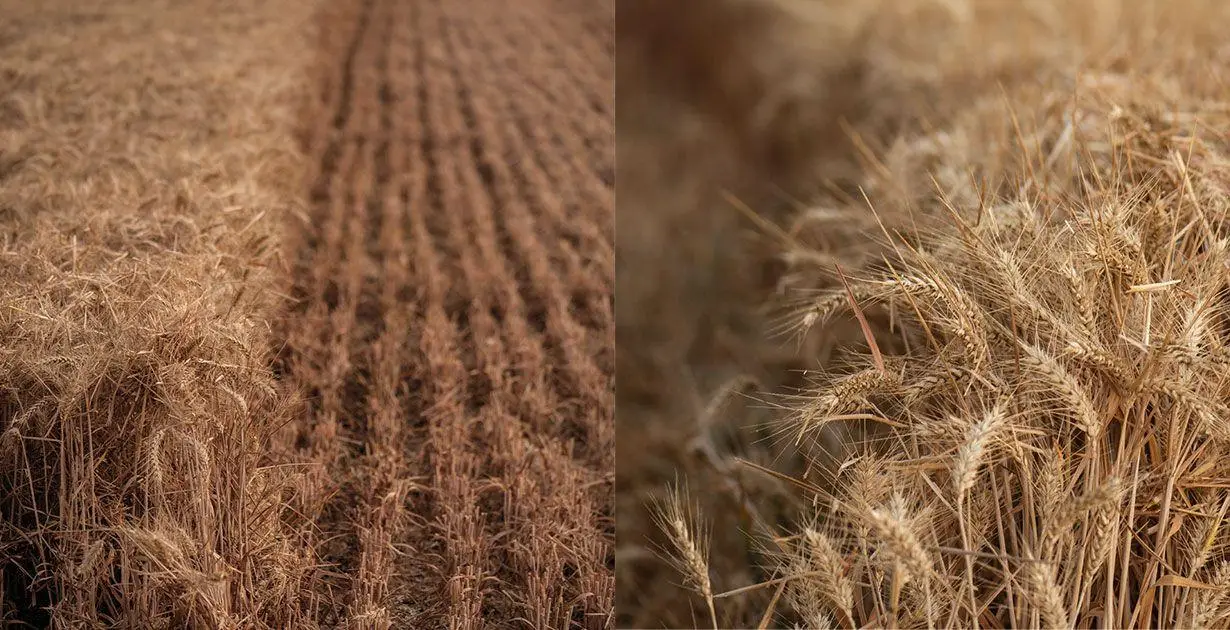
- English whiskies must be wholly produced in England and matured for a minimum of three years before they’re bottled.
- 100% of the cereal grains used in English whisky must be grown in the UK.
- “Single malt whisky” may be mashed and fermented on a separate site to where it is distilled, for example at a partner brewery.
- “Malt whisky” is required to be distilled “at least once” in pot stills. The stills don’t have to be made of copper, but there must be “sufficient copper contact in the vapour path”.
- “Blended” whiskies may also be referred to as “vatted”.
- Non-oak wooden casks can be used for maturation, for example chestnut or amburana wood.
Will The GI Change Anything For English Whisky?
Now that the GI has been approved, distilleries will need to check that their products are compliant with the new rules. However, we shouldn’t expect too great a shift in the English whiskies we drink, as almost all are already compliant. The single malt whiskies we make at Ascalon meet the new standards, so little will change for us.
We hope the greatest change will be in how English whisky is understood and appreciated, both in England and around the world. Armed with an agreed definition of what English whisky is, we can introduce English whiskies to more people and encourage them to follow the category’s exciting journey.
Discover more about Ascalon, its English oak casks, and its whiskies at ascalonwhisky.com.