



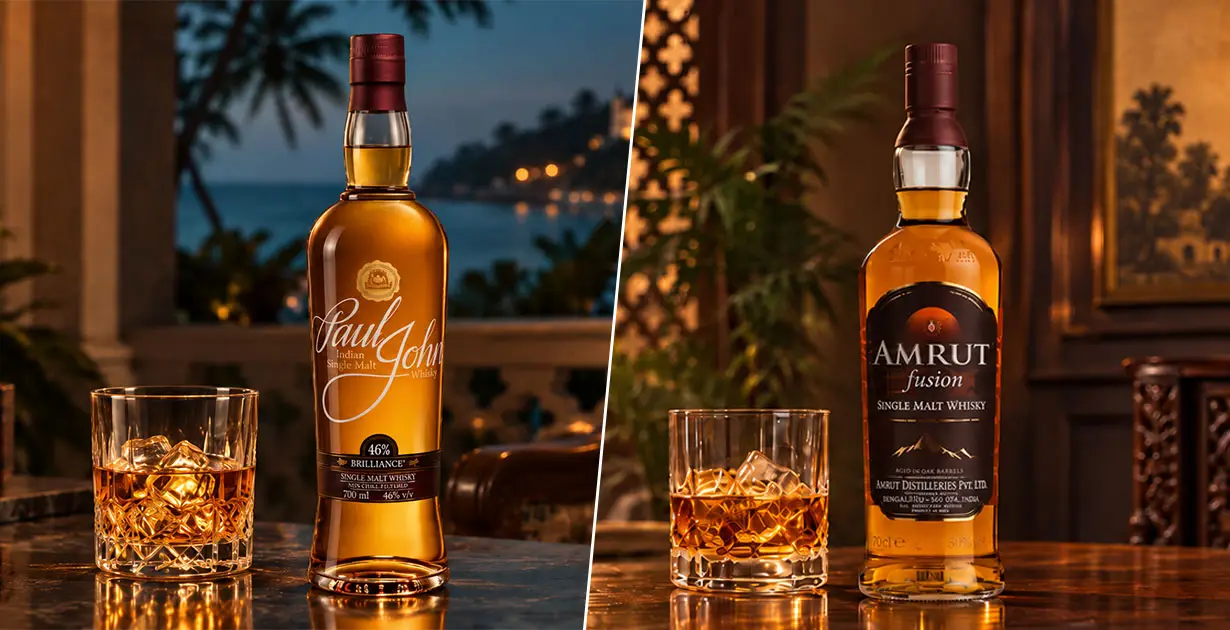
If you’re starting to explore Indian single malt, Amrut and Paul John are two of the names you’re likely to come across early on. Amrut, based in Bengaluru, released India’s first single malt in 2004, and its Fusion bottling combines Indian barley with peated barley from Scotland and is bottled at 50% ABV. Paul John makes its single malts in Goa, and Brilliance is its unpeated expression, made from Indian six-row barley and bottled at 46% ABV. The two sit fairly close together on price.
So, if you’re new to Indian whisky, which bottle should you start with? I’ve looked at how each one is made, how they taste, what critics and competition judges have said about them, and what you’ll pay, to help you decide.
Amrut Fusion & Paul John Brilliance At A Glance
If you enjoy some smoke, Amrut Fusion is the more obvious pick of the two. It’s lightly peated and bottled at a higher strength, with fruit, chocolate, and coffee alongside the peat.
What Will Whisky Look Like in 2027? Voices from Whisky Live Paris
READ THE STORYPaul John Brilliance is unpeated and gentler, with honey and soft spice at the center of its profile. It’s also the cheaper bottle in both the UK and the US, which makes it a sensible starting point if you’re unsure how you feel about peat.
What Are Amrut Fusion & Paul John Brilliance?
Amrut Fusion
Amrut Distilleries was founded in Bangalore in 1948 by J.N. Radhakrishna Rao Jagdale, and Amrut was the first single malt whisky made in India.
In 2010, Jim Murray’s Whisky Bible scored Fusion 97 out of 100 and named it the “Third Finest Whisky in the World,” which introduced a lot of drinkers outside India to Indian single malt.
 Trending Content
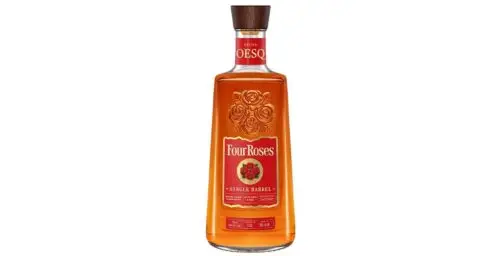

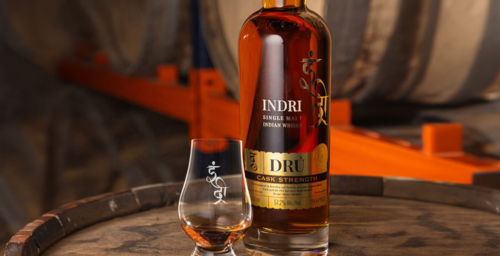



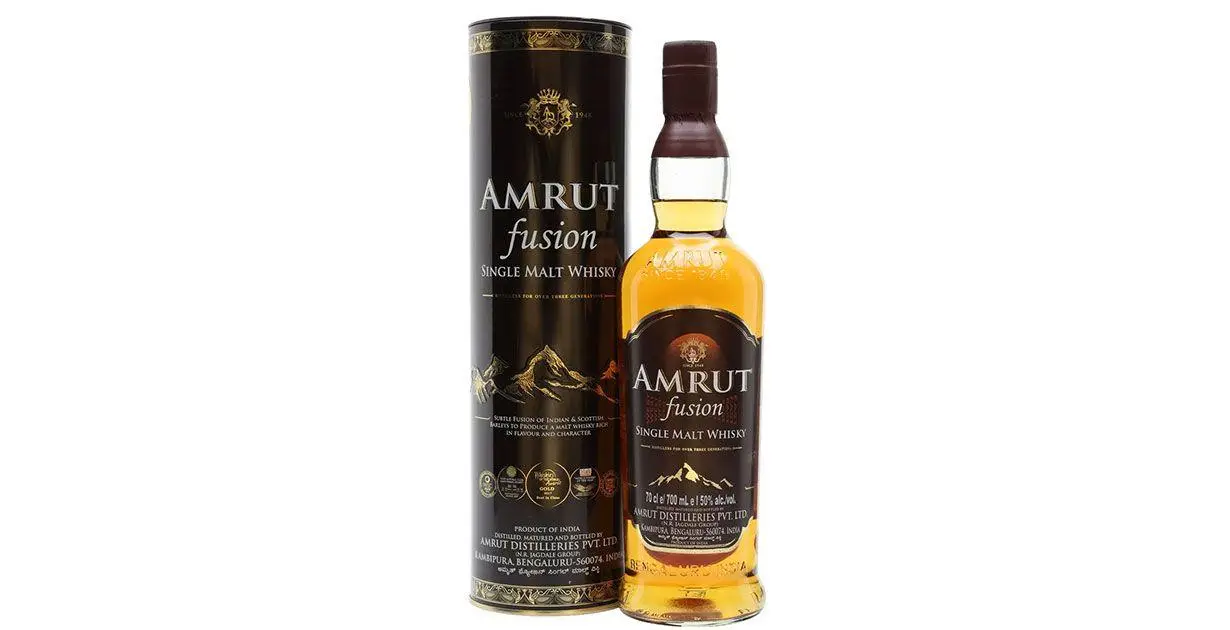
As the name suggests, Fusion brings together barley from two countries, with 75% unpeated Indian barley and 25% peated Scottish barley. According to Amrut’s US importer, Glass Revolution, the Indian barley is grown in Punjab near the Himalayan foothills, and the peated barley is malted at Bairds in Inverness. The two barleys are distilled separately and spend around four years in American oak before they’re combined and bottled at 50% ABV, with no age statement.
Bangalore’s heat speeds up maturation considerably. Each year, around 10 to 12% of the whisky in Amrut’s casks evaporates, against roughly 2% in Scotland.
Paul John Brilliance
Paul John is the single malt brand of John Distilleries, which was founded by Paul P. John and is best known in India for its Original Choice whisky.
The company decided to start making single malt in 2008, and its malt distillery is in Cuncolim, Goa. Its first single malt, a single cask bottling, was launched in London in October 2012, and Brilliance followed in May 2013 alongside Edited and Bold.
Brilliance is unpeated and made from Indian six-row barley grown in the Himalayan foothills. It matures in ex-bourbon casks and is bottled at 46% ABV without chill filtration or added color.
According to the distillery, Goa’s tropical climate means it loses 8 to 10% of its whisky to the angel’s share each year, which speeds up maturation.
Neither whisky carries an age statement, and both distilleries say their climate speeds up maturation. The clearest differences between the two are Fusion’s peated Scottish barley and its higher bottling strength.
How They Taste
Amrut Fusion
Fusion is the richer and smokier of the two, although the peat is gentle. On the nose, you might find barley sugar, oak, and vanilla, with soft peat smoke sitting underneath. The palate is where it opens up, bringing caramel and chocolate fudge, vanilla custard, and a mix of tropical and orchard fruit, with warming peat and a little white pepper running through it.
John Hansell, who scored it 89 points in Whisky Advocate, described “rich caramel, vanilla custard, and fruit cocktail in light syrup.” The finish is long, with lingering smoke, dry oak, and spice balanced by a molasses-like sweetness.
It is easy-to-drink despite its 50% ABV, but a little water might help to open it up further.
Paul John Brilliance
Brilliance is sweeter, lighter, and more malt-driven, with honey and vanilla at its center. On the nose, you might pick up honey, brown sugar, and vanilla, along with cinnamon, soft spice, and some orchard fruit. The palate stays sweet, with honey and candy-like notes, malt and biscuit, a bright citrus edge that often comes across as lime, and a light touch of cocoa.
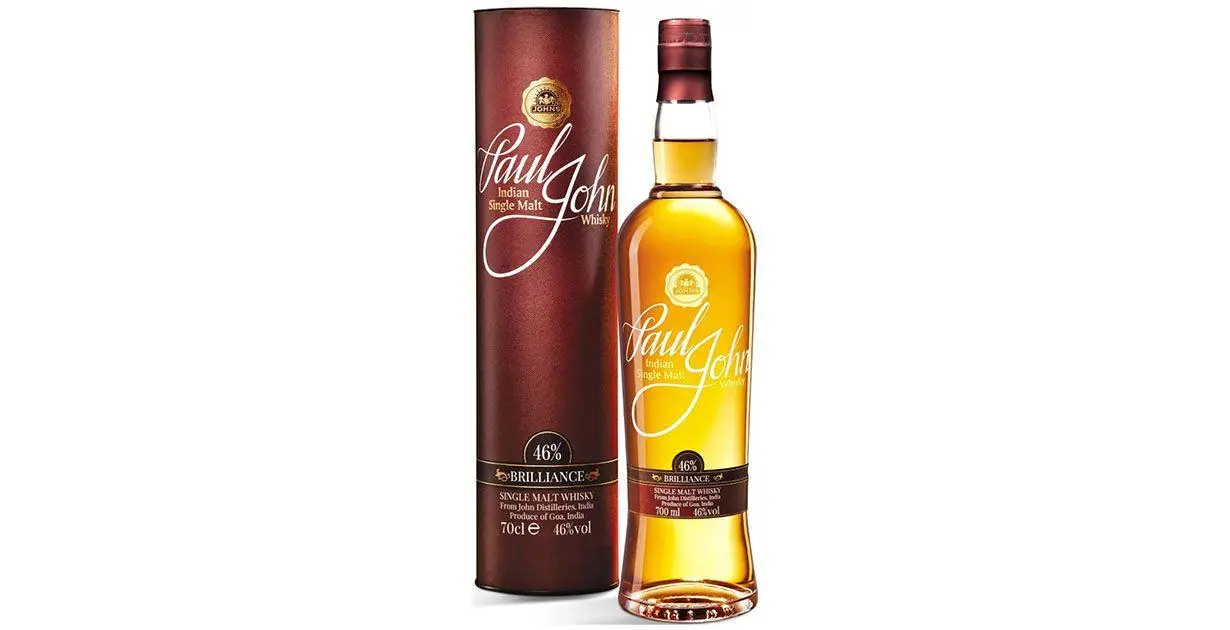
Dominic Roskrow gave it 88 points in Whisky Advocate and called it “rich, full, young but not immature.” The finish is medium in length, with mild spice, vanilla, honey, and malt. He also pointed out that Paul John Brilliance offers “conclusive proof that Amrut isn’t the only Indian game in town.”
Awards and Expert Scores
Both whiskies have built up a long list of competition medals, and each has picked up some notable awards in recent years. Amrut Fusion won a Double Gold at the 2025 San Francisco World Spirits Competition, a Gold at the 2024 International Spirits Challenge, and a Double Gold at the 2024 Whiskies of the World competition.
Paul John Brilliance won a Gold at the 2025 London Spirits Competition. At the 2024 India Wine & Spirits Awards, it was named Best in Show and Best Indian Single Malt Whisky, and it was also the Best Indian Single Malt at the 2020 World Whiskies Awards.
Jim Murray gave it 94.5 points in his 2016 Whisky Bible, a few points below the 97 he gave Fusion.
The Price
In the UK, Brilliance is the cheaper bottle by a fair margin. For Amrut Fusion, prices start at around £50, whilst Brilliance starts at around £40.
In the US, Paul John Brilliance will set you back around $55 plus, whilst Amrut Fusion costs around $65 and up.
And in their home markets, Amrut Fusion sells for around ₹3,000 plus, and Paul John Brilliance starts at around ₹4,000.
Of course, prices in the USA and India will vary widely based on states and taxes.
Fusion is also bottled at 50% ABV against Brilliance’s 46%, so in the UK and US, the extra money gets you a stronger whisky as well as the peat.
Amrut Fusion vs Paul John Brilliance: Which Should You Start With?
If you’re new to whisky, or you usually drink bourbon and haven’t made up your mind about peat, Paul John Brilliance is the easier place to begin. It’s unpeated, sweet, and lower in strength, and its honey and vanilla character will feel familiar to anyone who already enjoys ex-bourbon cask whiskies.
If you already like a bit of smoke in your Scotch, you can skip straight to Amrut Fusion, which gives you more to explore, with its gentle peat, chocolate fudge, and fruit, along with the higher strength.
For most people trying Indian single malt for the first time, I’d start with Brilliance. In the UK and the US, it’s the cheaper of the two, and it’s a gentle, approachable introduction to what Indian barley and tropical maturation can do. Fusion makes a great second bottle once you know you enjoy the style, and it has the history and the critics’ scores to back it up.
Either way, both are well made, well priced, and a good way into Indian whisky.
Do you favor Amrut Fusion or Paul John Brilliance? Or is your go-to Indian single malt something else entirely? Let us know in the comments.