





If the whisky industry is going through a difficult period, the Grande Halle de la Villette gave little sign of it in the last weekend of September. Whisky Live Paris, one of Europe’s largest whisky festivals, sold out three of its four days and the hall was full of fans tasting whiskies from around the world. The continued success of this festival, and of others in the October season such as Whisky Show London and Whisky Live Germany, shows that demand for great whisky remains.
But geopolitical conditions and changing consumer habits have still produced a slump across the wider industry. The Financial Times reports that five of the largest publicly listed alcohol companies are holding a record $22 billion of maturing stock. Whisky companies are laying off staff, distilleries are pausing production, and some are closing altogether.
Changing conditions also create opportunities, and agile companies offering distinctive, high-quality bottles are taking advantage. They are finding consumers who remain deeply interested and emotionally invested in whisky, but who are more selective about what they buy. At Whisky Live Paris, I asked several people working in different parts of the industry, and in different parts of the world, what they expect from whisky in 2027 and how the industry needs to adapt. This is an anecdotal sample and far from comprehensive, and the views were not always in agreement, but a few themes emerged.
Living with the Whisky Loch
First, everyone is reacting to the whisky loch. Sukhinder Singh, widely regarded as one of the elder statesmen of whisky, is the founder of Elixir Distillers and holds one of the largest personal collections of whisky bottles in the world. He believes the industry badly miscalculated demand, assuming that the growth that had survived a recession and the pandemic would keep climbing:
 Trending Content

“Everyone overproduced. Everyone had big forecasts for the next three years. So for me the biggest issue now is too much stock, and sadly too much expensive stock, so that’s hitting hard.”
He also thinks many distillers, especially larger producers, sacrificed quality to meet demand that has not materialised:
What Will Whisky Look Like in 2027? Voices from Whisky Live Paris
READ THE STORY“They’re running the stills too fast. They’re reducing the fermentation times just to get more liquid out. And I can taste it in liquid today. It’s not tasting as good as what I like from certain distilleries and age profiles.”
Simon Thompson, co-founder of Dornoch Distillery and independent bottler Thompson Bros with his brother Phil, sees an opportunity for smaller companies like his:
“As an industry, we’ve taken a little bit of a drop off in sales, but the big factor is this wave of overproduction relative to sales coming behind. So there’s an increasing average age of inventory, and with just greater availability. So we can get our hands on so much stuff at great prices.”
“They’re running the stills too fast. They’re reducing the fermentation times just to get more liquid out. And I can taste it.”
Getting Whisky on Lips
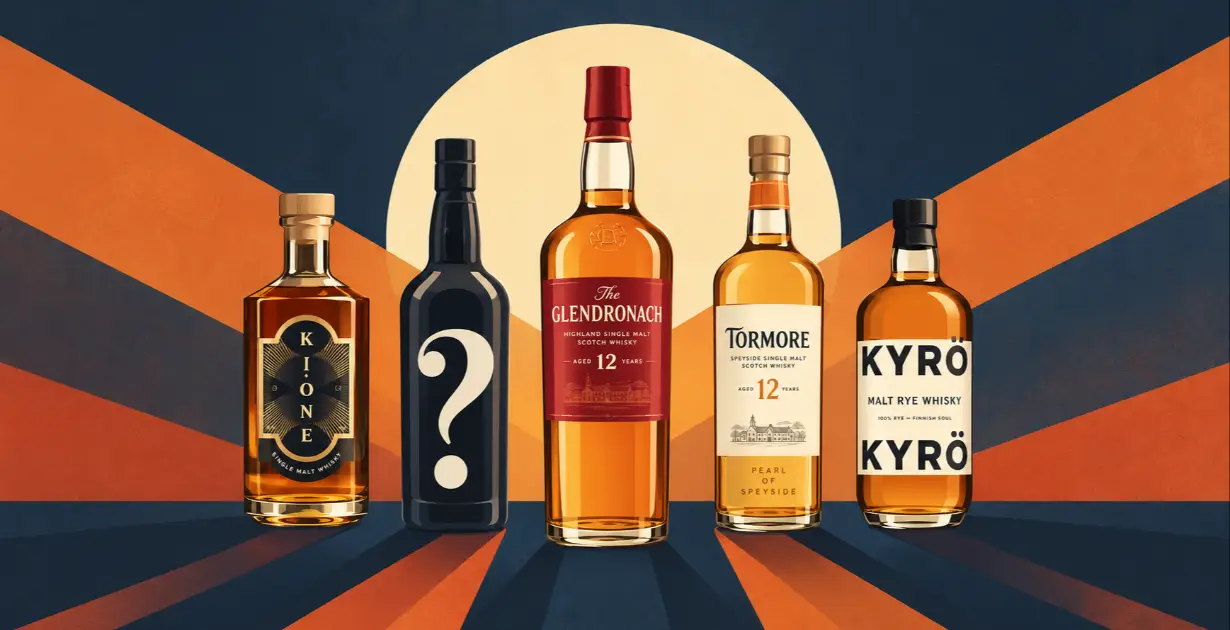
Singh, Thompson and everyone else I spoke with agreed that consumers now want high-quality spirit without being overcharged for it. There is also a phrase I am hearing more than ever in my whisky career: ‘liquor on lips’. Stewart Buchanan, global brand ambassador for BenRiach, Glenglassaugh and GlenDronach, believes it will be key to whisky’s success:
“It’s just about making sure you’re putting the whisky in front of the right people. Get whisky on lips. That’s the win, when people can taste the quality. And you can’t be greedy anymore.”
That suggests brands will increasingly focus on impressing consumers at festivals like Whisky Live Paris, or reorient towards experiences that can hook new drinkers. Hil Ying Tse, founder of Hong Kong importer Whisky & More, says her younger customers are less interested in buying bottles than in enjoying a moment:
“In the Asian market, people are really valuing interaction, especially new groups of people like women and Gen-Z. They are looking more for experiences. They are not drinking less, as a lot of media is reporting, but they are more picky in what they are drinking. So, if you have like a more interactive experience with them, they are very happy to learn about whisky and whether it’s world whisky, Scotch whisky, bourbon, any of it! They really do want to know more.”
As a result, Hil regularly runs blending classes, quizzes and other events that depart from the usual tasting format, and is particularly interested in the ‘gamification of things’.
“Get whisky on lips. That’s the win, when people can taste the quality. And you can’t be greedy anymore.”
Fewer Drinks, Better Drinks
That appetite for something new has benefited Bryan Do, founder of Three Societies, South Korea’s first malt whisky distillery. It has been a domestic success and is winning international awards for a distinctive whisky shaped by the unusual maturation climate in the mountains outside Seoul. He reports that while less whisky is being consumed overall, the total amount spent in South Korea is higher:
“More people are now not drinking whisky or not drinking alcohol to get drunk, but they’re drinking to enjoy the drink. So whatever category it is, they’re buying more premium in that category. That’s lucky for us because we’re selling single malt.”
At the Kyrö stall, Miko Heinilä and his team are wearing bathrobes branded with the logo of the Finnish rye distillery he co-founded (Kyrö is pronounced roughly like ‘kiddo’). The uniform is deliberate: the idea for the distillery famously came from a sauna conversation between friends. Its whisky, made from 100% malted Finnish rye, has proven a success:
“It seems like we are touching the nerve of the new connoisseurs and new consumers, especially where people are looking for something more relaxed. We’ve got a vibe that seems to be translating well. The Finnish sauna thing is a bit weird, so is the 100% malted rye, but with the easygoing approach we’re taking, it seems like it’s working across all our international markets.”
“They’re not drinking to get drunk, but they’re drinking to enjoy the drink.”
Older Whisky, Fairer Prices
Back in Scotland, oversupply means more whisky will spend longer in cask, so what is eventually bottled is likely to be older, and potentially better. Thompson expects core ranges to shift accordingly:
“You might see some of the big boys readjust to a core 10, 15, 18 structure, and then start planning towards that. But currently many core ranges feature a lot of no age statement, maybe a 10-year-old, and then small releases of very expensive older stuff.”
Those I spoke with expect consumers to gravitate towards quality at fair prices and authentic stories rather than marketing spin. Despite the challenges, Buchanan remains bullish about the future of whisky:
“You might see some of the big boys readjust to a core 10, 15, 18 structure.”
“I know that in the media there’s a lot of negativity, but I’m physically not seeing that on the ground. I’ve never seen such a thirst for masterclasses and tastings. There’s more whisky shows across the world. I think we just need to put it in a different perspective and maybe reach new consumers in a different way without disregarding our old loyal consumers too.”