If you drink Scotch, you probably have a good idea of what to expect from a bottle before you open it. A Speyside whisky will often have orchard fruit and honey, an Islay malt will usually bring some smoke, and a sherry cask Scotch has dried fruit and spice. The bourbon shelf doesn’t offer the same clues. On paper, the two categories are worlds apart.
However, many of the flavors Scotch drinkers enjoy can turn up in bourbon. Sometimes they come from a cask finish, and sometimes from age, strength, or extra time in the cask. So, if you’re looking to take the leap and explore bourbon, we’ve rounded up seven bottles that offer similar notes to varying styles of Scotch whisky. Let’s get into it.
Why Bourbon Can Work for Scotch Drinkers
The two categories are already closely linked, because most of the whisky aging in Scotland sits in ex-bourbon barrels, which is where much of the vanilla and creamy texture in single malt comes from. Bourbon goes into new charred oak, so you get a fuller dose of that American oak character.
What Will Whisky Look Like in 2027? Voices from Whisky Live Paris
READ THE STORYClimate plays a part, too. Many producers cite annual evaporation of around 2% in Scotland and closer to 4% in Kentucky, where hotter summers speed up maturation. As a result, a bourbon can pick up plenty of oak character in fewer years than a typical Scottish single malt.
If You Like Sherried Scotch: Angel’s Envy Port Finish, 43.3%
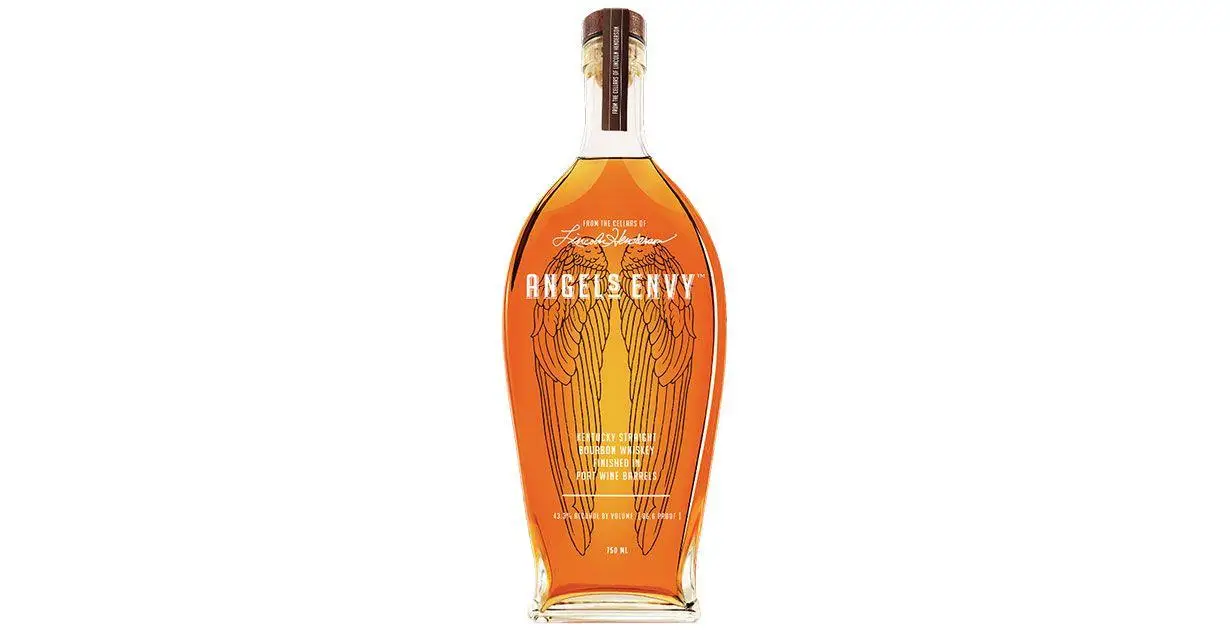
Angel’s Envy is best known for finishing its bourbon in a second type of cask: it is known as the first bourbon brand to be founded entirely on finishing. Its flagship bourbon is finished in ruby port wine casks for three to six months in 60-gallon barrels.
Vanilla comes through on the nose, along with hazelnuts, almonds, plums, apricots, and a little raisin. On the palate, it’s syrupy and smooth, with stewed and dried fruit, a touch of clove, toasted oak, and some orange zest.
 Trending Content
Port and sherry are different wines, so this won’t taste like a sherry cask single malt. But, if you enjoy whiskies such as GlenDronach or Aberlour, you may find the dried fruit and nutty notes familiar.
If You Like Smoky Scotch: High West Campfire, 46%
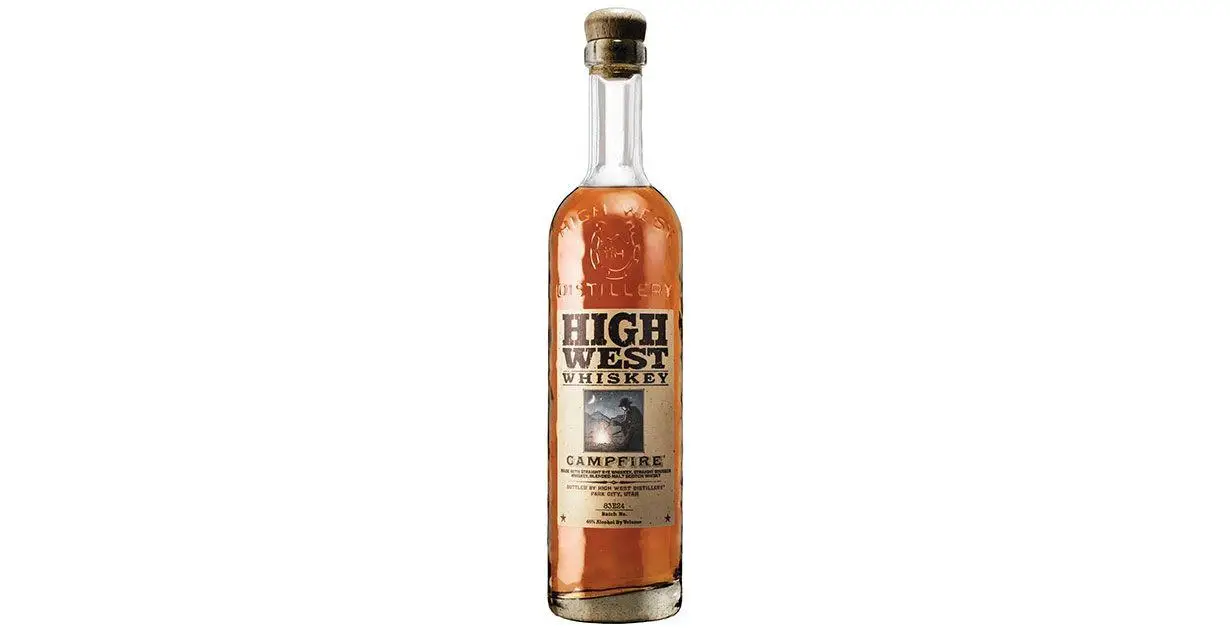
So, Campfire isn’t actually a bourbon. It’s a blend of straight rye, straight bourbon, and blended malt Scotch. The bourbon and most of the rye come from MGP in Indiana, some rye is made at High West’s own distillery, and the peated Scotch comes from an undisclosed source, with the proportions kept secret.
According to the back label, the idea came from a stay at the Bruichladdich distillery, where a peated whisky and sugar syrup were poured over melon for dessert.
Tasting notes include butterscotch, shortbread, and gentle smoke on the nose, followed by vanilla, salted caramel, red berries, chai spice, orange zest, and pipe tobacco on the palate. In her review, Courtney Kristjana found the smoke subtle throughout, with a hint of iodine and a velvety mouthfeel.
If you usually reach for heavily peated whiskies, Campfire will feel restrained. Nothing really compares to the boldness of a heavily peated Scotch. But if you enjoy smoke alongside plenty of sweetness, it’s well worth trying.
If You Like Light, Fruity, and Floral Scotch: Four Roses Bourbon, 40%
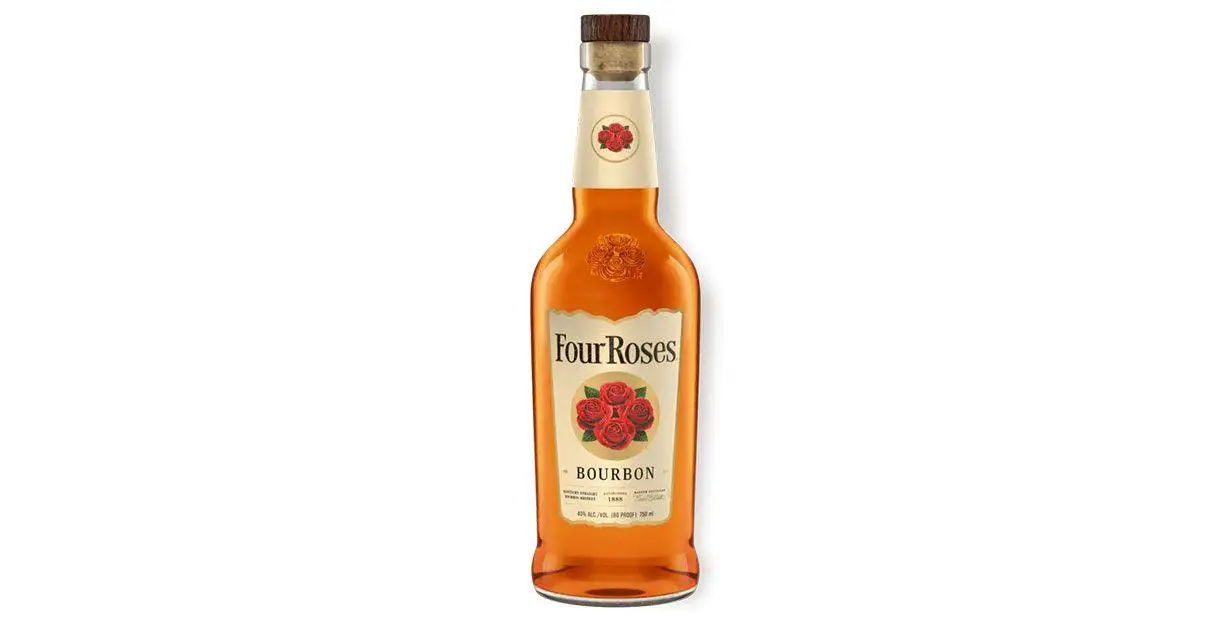
Four Roses Bourbon was the first bourbon I ever tried, and it’s still a good fit if your usual Scotch is on the lighter, fruitier side. On the nose, you’ll find honey and floral sweetness. The palate brings vanilla and caramel, with orchard fruit cutting through the sweetness, and a light, buttery mouthfeel.
Four Roses makes its bourbon from two mash bills and five yeast strains, giving it ten distinct recipes, and this bottle is a blend of all ten, aged for a minimum of five years. At 40% ABV (80 proof), it’s also bottled at the same strength as many entry-level single malts.
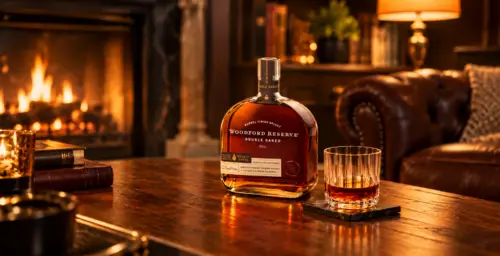
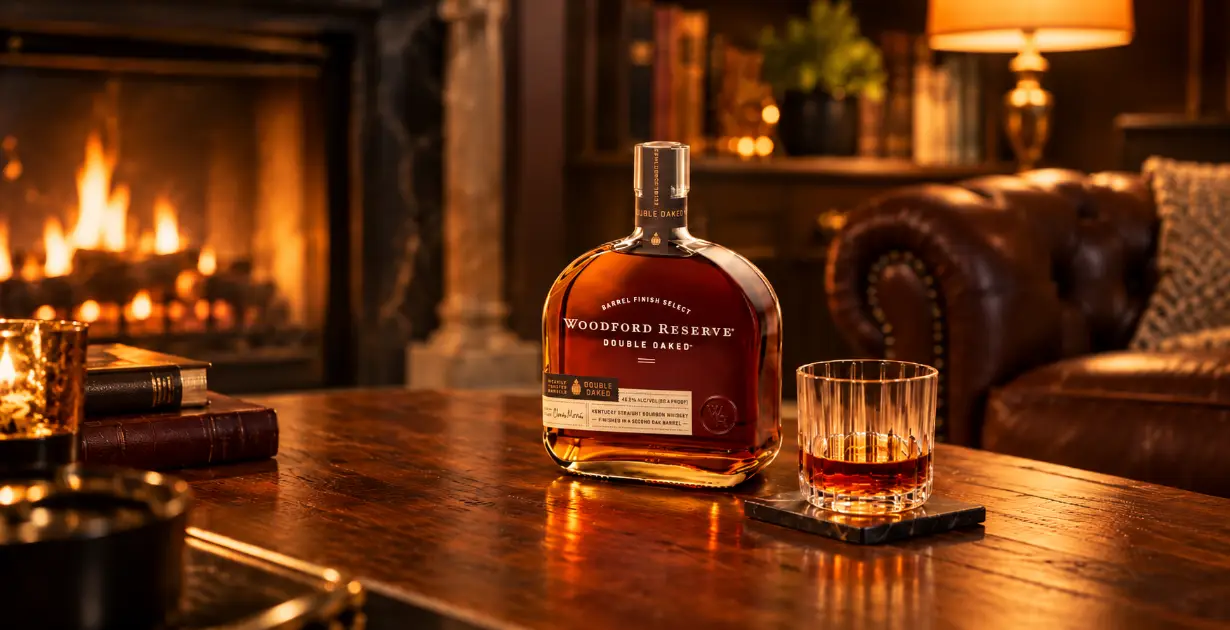
If You Like Rich Highland Scotch: Woodford Reserve Double Oaked, 45.2%
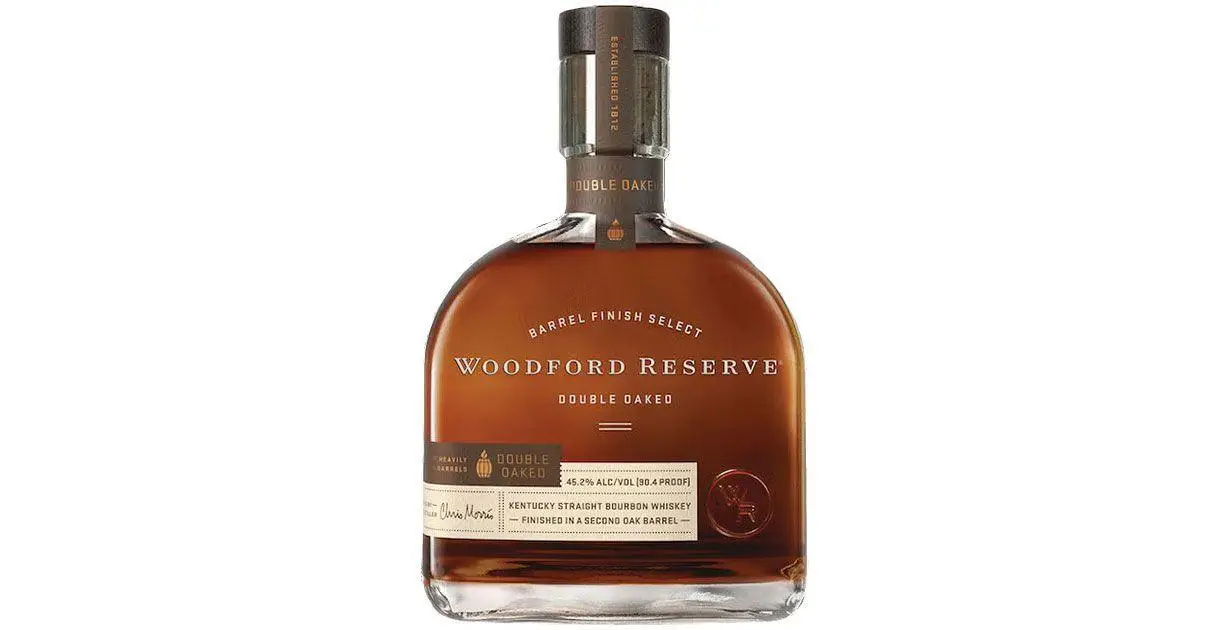
If you enjoy rich, full-bodied Highland whiskies but assume that kind of depth needs a sherry cask, Double Oaked is worth a look. After its first maturation, the bourbon goes into a second new barrel that is deeply toasted before a light charring, where it is thought to spend around six to 12 months. The toasting caramelizes sugars in the wood, which deepens the caramel, vanilla, and oak flavors.
I find caramel, vanilla, and dark fruit on the nose, followed by toasted oak, cocoa, almond, and hazelnut. The palate is full-bodied, with creamy vanilla, toffee, charred oak, dried cherry, dark chocolate, and a little apple peel and citrus. The finish brings charred oak, soft spice, and a final touch of toffee apple.
Both barrels are new charred oak, so there’s no wine or sherry influence here at all. Still, if you like Dalmore, you may find the chocolate and dark fruit familiar.
If You Like Blended Scotch: Buffalo Trace, 45% (40% in the UK)
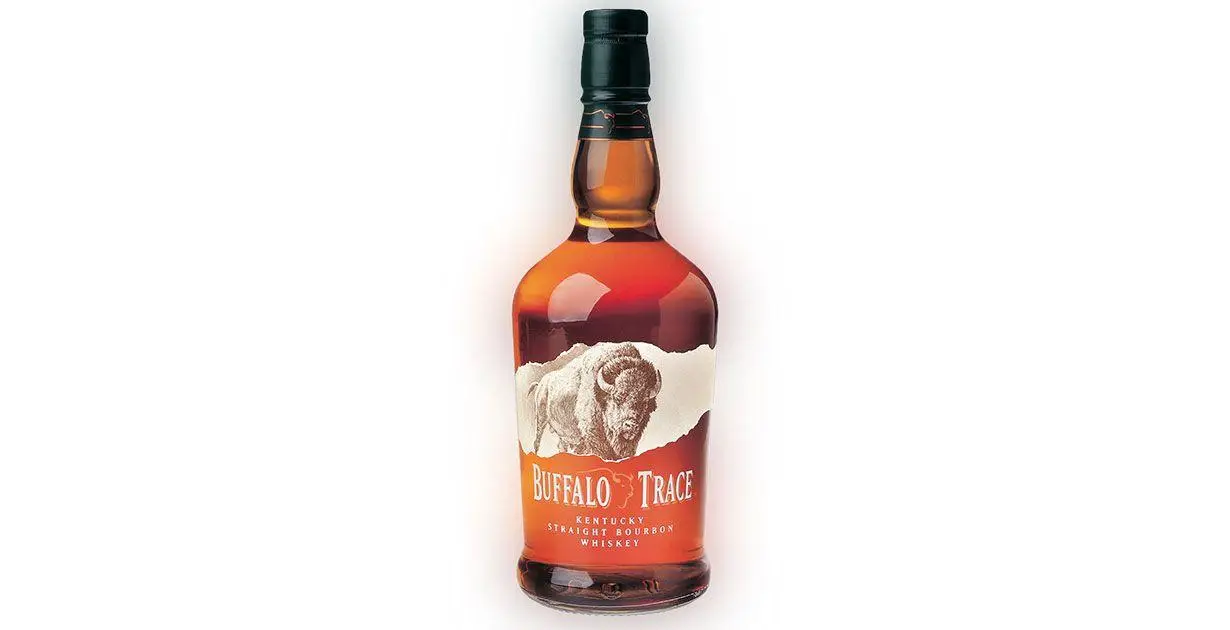
Many blended Scotch drinkers reach for the same bottle whether they’re drinking it neat, over ice, or in a highball. Johnnie Walker, Dewar’s, Chivas. Buffalo Trace works in much the same way, both neat and in mixed drinks.
I usually pick up caramel and vanilla, along with brown sugar, custard, chocolate, mint, spice, dark fruit, a little oak spice, and cinnamon. It will not necessarily taste like a blended Scotch, but it has a similar use case.
In the UK, it’s easy to find in supermarkets as a 70cl bottle at 40% ABV. In the US, it’s bottled at 45% and can be hard to track down, although the markup on the flagship is usually fairly small.
If You Like Cask-Strength Scotch: Wild Turkey Rare Breed, 58.4%
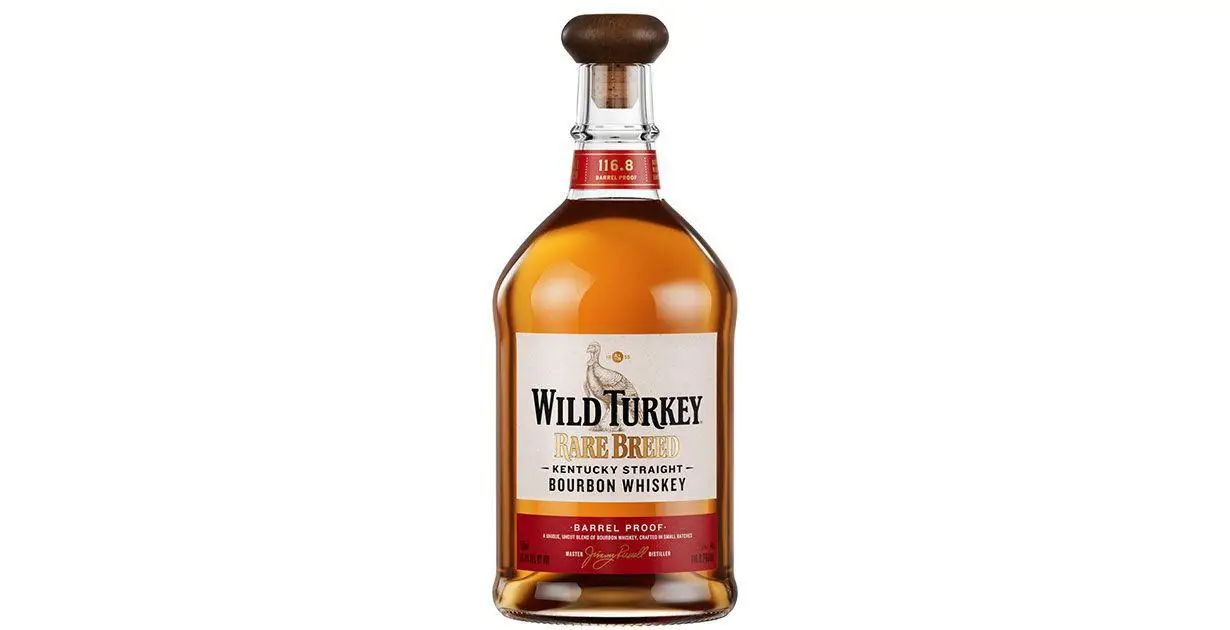
Rare Breed is a great choice if you like Scotch with a punchier strength. It’s a barrel-proof blend of six, eight, and 12-year-old bourbons, bottled at barrel proof. The current US release is 116.8 proof.
Tasting notes include spring flowers, black pepper, almonds, honey, and dates on the nose. The palate is described as “warm, smoky flavors of grain and spice,” followed by a long, spicy finish, and the distillery also points to its intense vanilla and mouthfeel. Adding a few drops of water opens it up a little, uncovering waves of fruit and space.
If you enjoy cask-strength releases from distilleries such as Glenfarclas or Aberlour, the weight and the way Wild Turkey Rare Breed opens up with water should feel familiar.
If You Like Oak-Forward Scotch: Knob Creek 9 Year Old, 50%
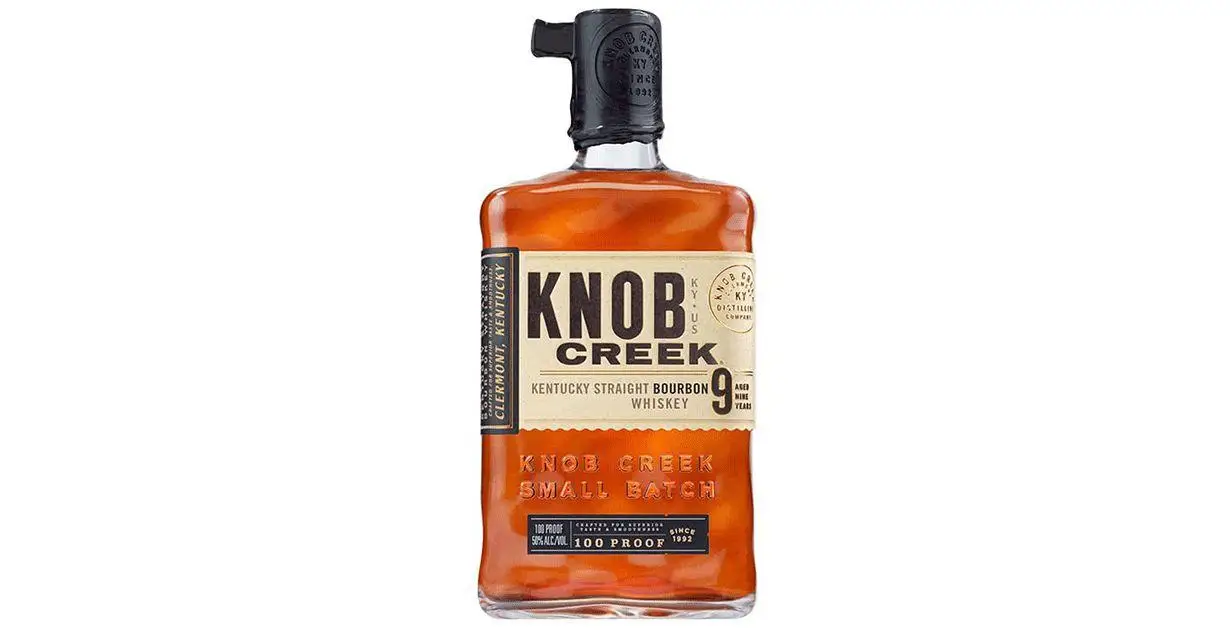
New charred oak and Kentucky’s hotter summers mean a bourbon can pick up plenty of oak character in that time. Knob Creek 9 is aged in heavily charred new oak barrels and bottled at 100 proof, and some of the whiskey in each batch can be older than nine years.
The age statement hasn’t always been on the label. Beam removed it in late 2016, when it couldn’t guarantee that all of its stock had reached nine years, and brought it back in 2020 once supplies had caught up.
When I looked at why it’s still priced around $35, I found vanilla, oak, caramel, and spice on the nose, followed by a peppery palate with more vanilla and caramel, ripe fruit, and hazelnuts. Oak spice and leather linger on the finish.
If you enjoy single malts with plenty of oak and a little extra strength, such as Glen Garioch or Deanston, this may be worth a try.
Which One Should You Try?
None of these bourbons will taste exactly like your favorite Scotch, but each one shares some of the flavors or qualities you already enjoy. If you’re new to bourbon, Four Roses or Buffalo Trace are easy places to start. Sherried Scotch drinkers should reach for Angel’s Envy, and if you usually drink at cask strength, Rare Breed is the one to try.
Have you found a bourbon that reminds you of your favorite Scotch? Let us know in the comments.