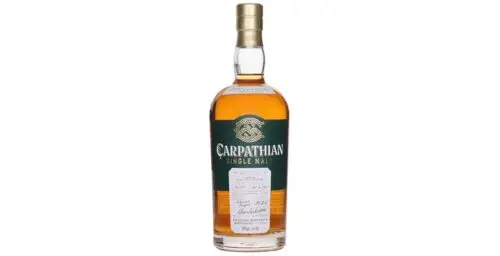






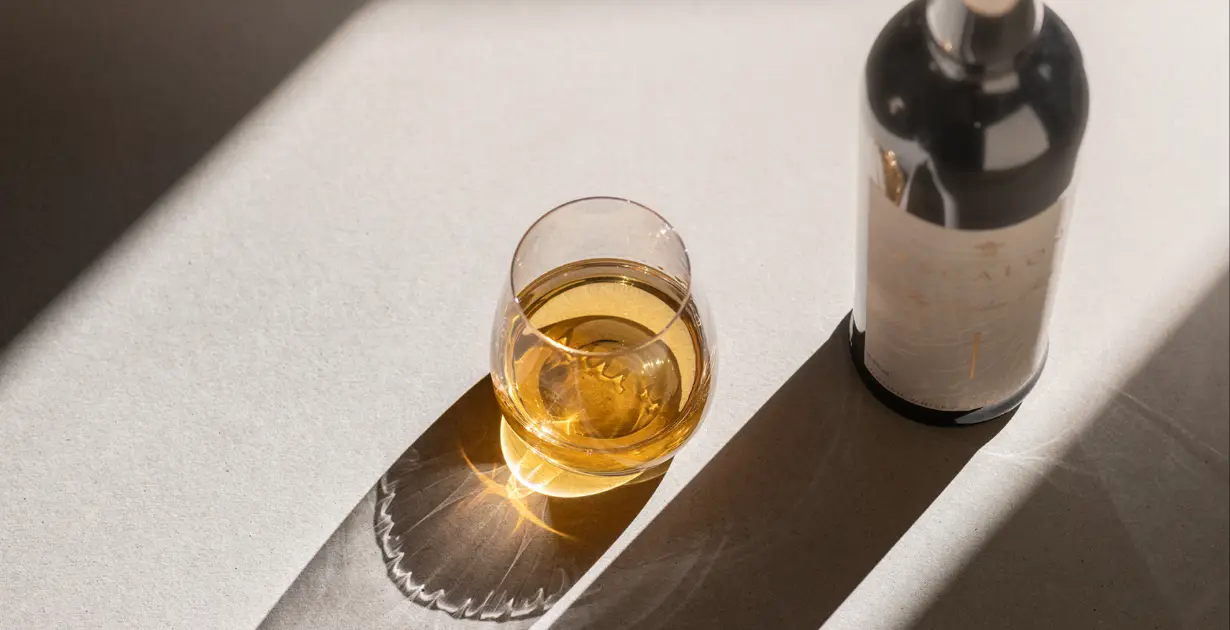
As an English whisky company working with locally made spirits, Ascalon has a front-row seat to the growing breadth and vibrancy of the English whisky scene. We appreciate the care England’s distillers take to source local ingredients for their whiskies, a legacy we’re proud to contribute to through our use of English oak to build our casks.
While drawing inspiration from Britain’s rich history of whisky making, distilleries in England are diverging from their peers in Scotland. They are exploring new ways of malting, fermenting, distilling and maturing to create spirits unique to their homeland.
A major boost for the category came in September 2026 when an application for a geographical indication (GI) for English whisky was approved by the UK government. This offers legal protections to English whisky similar to those enjoyed by whisky makers in Scotland, Wales and the island of Ireland. But it’s not solely about regulation: the GI also highlights the production methods that set English whisky makers apart from others across Britain, showing the world what English whisky truly is.
Quick whisky question
Single malt is everywhere, but what does it mean? We want to know what the word “single” means to you. Three quick questions, under a minute.
So, where does English whisky align with Scotch — and where does it diverge? Let’s explore the details.
What Can English and Scotch Whiskies Be Made From?
In both countries, this will depend on the kind of whisky you are making, but there are similarities in how the main styles are produced. In both Scotland and England, single malt whiskies must be made with 100% malted barley. Grain whiskies in both countries can be made from a number of different grains, including rye, wheat and maize.
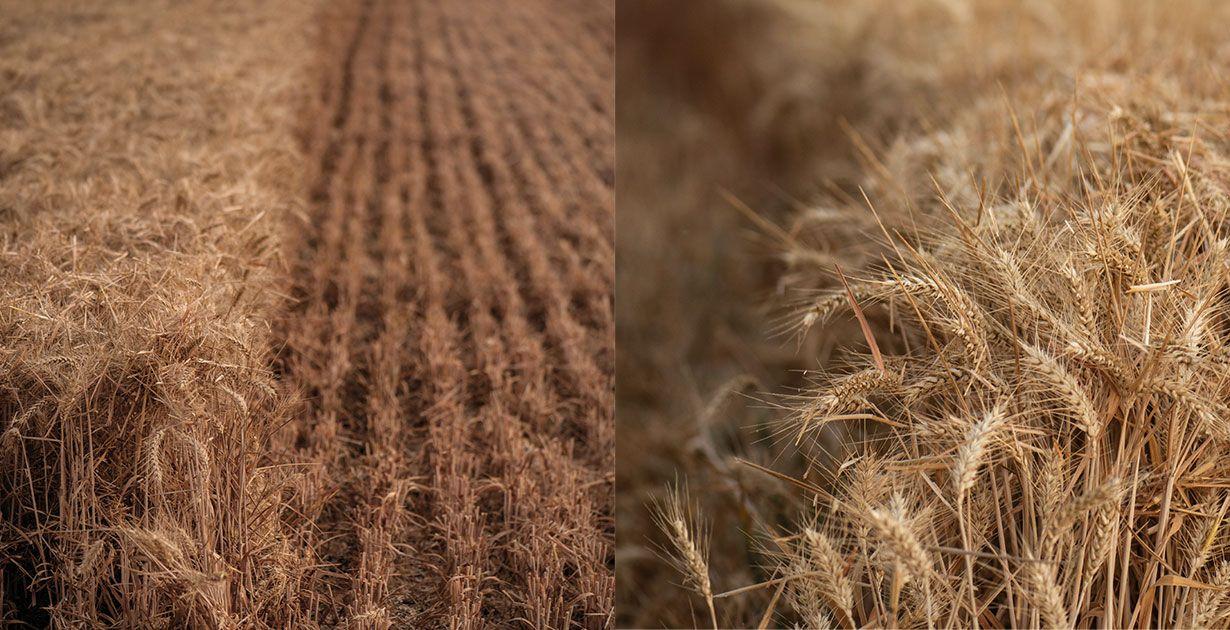
However, there is a difference in where these grains can be grown. English whisky’s regulations state it must be made with cereals grown in the UK (as our Ascalon whiskies already are), but Scotch whiskies can use cereals sourced from other countries.
What Will Whisky Look Like in 2027? Voices from Whisky Live Paris
READ THE STORYWhere Can They Be Produced?
One of the main differences between the Scotch and English whisky regulations is where the stages of production take place. For single malt or single grain whisky in Scotland, the mashing, fermentation and distillation must take place at a single site. In England, only distillation has to take place at a single site — mashing and fermentation can happen elsewhere, and often does, for example at partner breweries.
This could be a practical decision for distillers with more limited space or resources, but it’s also one made in the service of flavour: with expert brewers creating the wash for some English distilleries, you see more widespread experimentation with malt and yeast varieties.
How Do They Have To Be Produced?
How English and Scotch whiskies are distilled is an area of greater alignment. Both have the same requirements for the distillation process. For example, the spirit should not be distilled to more than 94.5% ABV, which ensures it retains characteristics that whisky makers cultivate carefully with their grain selection and fermentation.
There is some discrepancy when it comes to single malts, though. In Scotland, the spirit must be double distilled in copper pot stills. The English whisky rules state that single malt must be distilled “at least once” and are less strict on the materials of the still, only requiring the spirit vapours to have “sufficient copper contact” to help remove undesirable flavour compounds such as sulphur.
How Can English and Scotch Whiskies Be Aged?
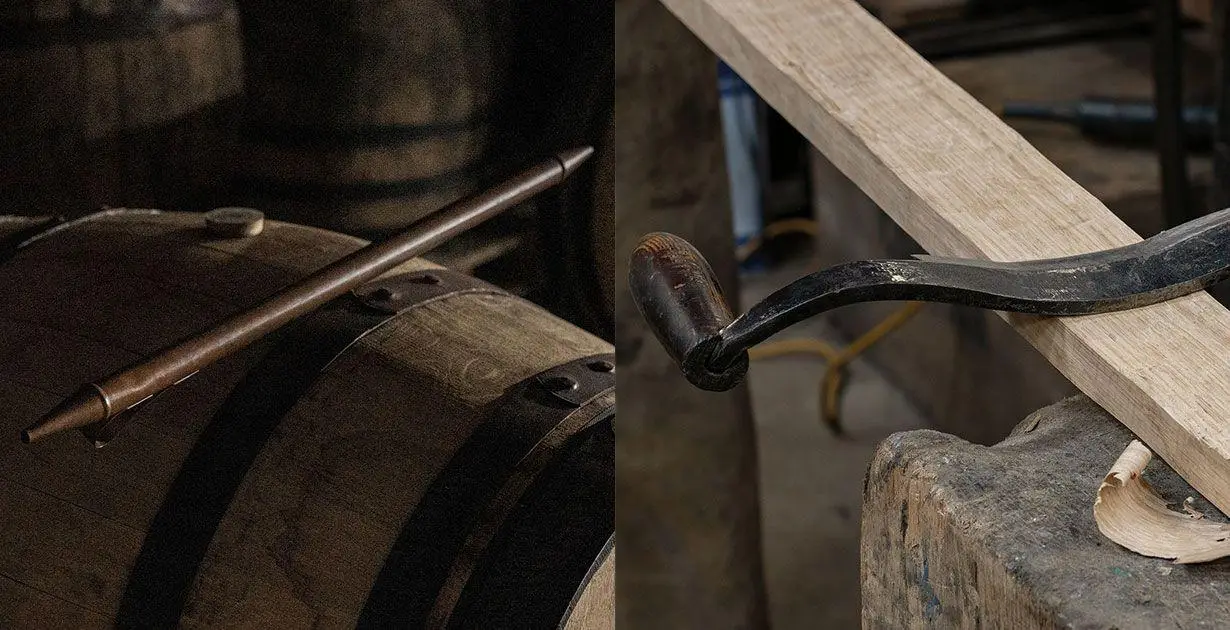
Maturation is another element where there are similarities and differences between England and Scotland. Both countries say casks cannot exceed 700 litres in size and that maturation must take place in the country where the whisky was made, but the wood used to make those casks varies.
In Scotland, whisky must be matured in oak casks. In England, whisky makers are allowed to use non-oak casks too, for example chestnut or cherry wood. There’s also some experimentation with different oak species, such as the English oak we use to make our casks at Ascalon.
How Long Do The Whiskies Have To Be Aged For?
In both England and Scotland, a whisky must be aged for a minimum of three years. However, in this situation, age really is only a number. Due to the faster evaporative losses in England’s hotter, drier climate — about 4–5% per year, as opposed to 2–3% in Scotland — English whiskies can reach maturity faster. An English single malt can achieve roughly the same level of maturity in 11 years as a single malt Scotch would in 18 years.
Discover more about Ascalon, its English oak casks, and its whiskies at ascalonwhisky.com.
 Latest On The Whiskey Wash