





Pernod Ricard just sold one of its biggest whisky brands in India. On paper, that might look like a retreat. But it could be one of the boldest plays the French drinks giant has made in years.
The deal, a €412.6 million sale of the Imperial Blue brand to Tilaknagar Industries, is far more than a balance-sheet adjustment. It signals a long-term shift: Pernod is shedding volume in favour of value. And in India, where whisky is often measured in millions of nine-litre cases, that’s a dramatic move.
Here are three reasons the Imperial Blue exit might turn out to be a strategic masterstroke.
Quick whisky question
Single malt is everywhere, but what does it mean? We want to know what the word “single” means to you. Three quick questions, under a minute.
1. Goodbye to Cheap, Hello to Premium
India is Pernod’s second-largest market after the United States, and the opportunity is only growing. The country’s alcohol sales are projected to hit $61 billion in 2025–26. But Imperial Blue, for all its 22.4 million cases sold last year, belongs to the entry-level segment. It competes with budget blends like McDowell’s No.1.
By stepping away from this crowded space, Pernod is sharpening its focus on premium and super-premium label blends. Think Royal Stag, Blenders Pride, Chivas Regal, and Jameson. These are brands that align with India’s rising middle class and increasingly aspirational drinking habits.
“Exiting the Admix Value segment will allow us to unlock further profitable growth and sharpen our focus on premiumisation and innovation,” said Jean Touboul, CEO of Pernod Ricard India. Royal Stag alone has now passed 30 million annual cases.
What Will Whisky Look Like in 2027? Voices from Whisky Live Paris
READ THE STORYPut simply: Pernod is trading quantity for quality, and India’s evolving market makes that a timely bet.
2. Slimming Down to Scale Up
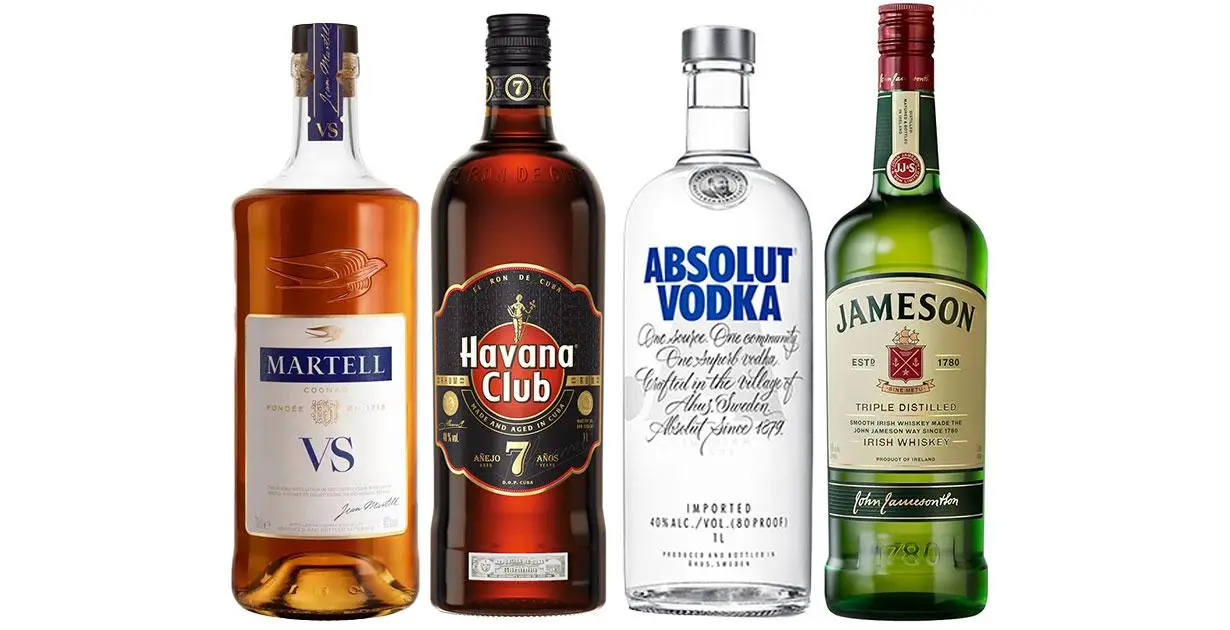
This sale also fits neatly into the company’s broader “Tomorrow 2” restructuring programme, announced in June 2025. That effort aims to reduce costs, simplify operations, and consolidate more than 240 brands into two categories: ‘Gold’ (top-tier labels like Martell and Jameson) and ‘Crystal’ (mid-range brands like Absolut and Havana Club).
Imperial Blue doesn’t fit into either. It’s a mass-market Indian whisky with little crossover potential. Selling it off allows Pernod to streamline operations and reduce internal complexity. This represents a strategic refocus on where the company can lead rather than follow.
CEO Alexandre Ricard has been clear: Pernod is aiming to save €1 billion by 2029. Shedding non-core brands like Imperial Blue might not count as a direct cost cut, but it contributes to the same goal, a leaner, more agile organisation built around profitable growth.
3. Unlocking Cash, Avoiding Future Costs
Then there’s the money. The deal delivers an immediate windfall, valued at roughly 2x Imperial Blue’s estimated annual revenues. That’s a strong price for a brand Pernod no longer saw as central to its strategy.
Perhaps more importantly, it sidesteps the ongoing marketing and capital expenditure needed to maintain a mass-market presence in a highly competitive segment. Instead of propping up a budget brand, Pernod can now reinvest in premium innovation and global expansion.
The company says the deal will be “immediately and meaningfully accretive” to Pernod Ricard India’s margins and growth rate. That’s corporate speak for: we just freed up a lot of money to grow the stuff that actually makes money.
Tilaknagar Industries, the buyer, clearly sees upside. Acquiring Imperial Blue gives them an instant foothold in Indian whisky – a far larger and faster-growing category than their traditional brandy business. That tells you Imperial Blue still has value. Just not the kind Pernod Ricard is chasing.
Pernod explicitly frames the transaction as a “win-win” that will “fuel our ambition to succeed even further” in India while benefiting all stakeholders.
A Calculated Exit with a Clearer Vision
In the post-COVID spirits landscape, global drinks giants are rethinking scale. For Pernod Ricard, that means focusing on fewer, stronger brands in faster-growing categories. The Imperial Blue sale ticks every box in that strategy.
Yes, it looks like a retreat from a dominant position. But it’s more accurately a trade-up: a shift toward long-term value over short-term volume. Pernod isn’t walking away from India. Instead, it’s doubling down on the part of India that drinks Chivas.
For a company looking to rebuild investor confidence and reignite growth, that might be exactly the kind of clear-headed decision the market was waiting for.
 Latest On The Whiskey Wash