





Whisky is a fascinating hybrid of magic and science. Even after spending time as a distiller, certain parts of the process still baffle me. One of the greatest mysteries is what gives some of my favourite whiskies their signature chewy, chunky, and oily texture. The answer often lies not in a new innovation, but in a piece of old, Victorian-style engineering that sounds like it belongs in a horror movie: the worm tub.
So what exactly is this contraption? Simply put, a worm tub is a traditional method for cooling alcohol vapour during distillation. While most modern distilleries use efficient shell and tube condensers, a network of small copper pipes, a worm tub is far more rudimentary. It consists of a single, long coiled copper tube, the “worm”, submerged in a large vat of cold water. As the hot vapour travels through this coil, which reminds me of a giant curly straw, it condenses back into liquid spirit. It is an old, bulky, and inefficient process, yet around 20 Scottish distilleries still swear by it.
The reason they persist comes down to one thing: character. In distillation, copper acts as a purifier, stripping out heavier, sulphuric compounds from the spirit. Because a worm tub has a much lower surface area of copper for the vapour to interact with, fewer of these compounds are removed. This results in a heavier, more robust spirit. You simply cannot swap out a worm tub for a modern condenser and expect the whisky to taste the same. It would be like replacing your grandmother’s old cast iron stove with an air fryer; it just does not cook up the same magic.
Quick whisky question
Single malt is everywhere, but what does it mean? We want to know what the word “single” means to you. Three quick questions, under a minute.
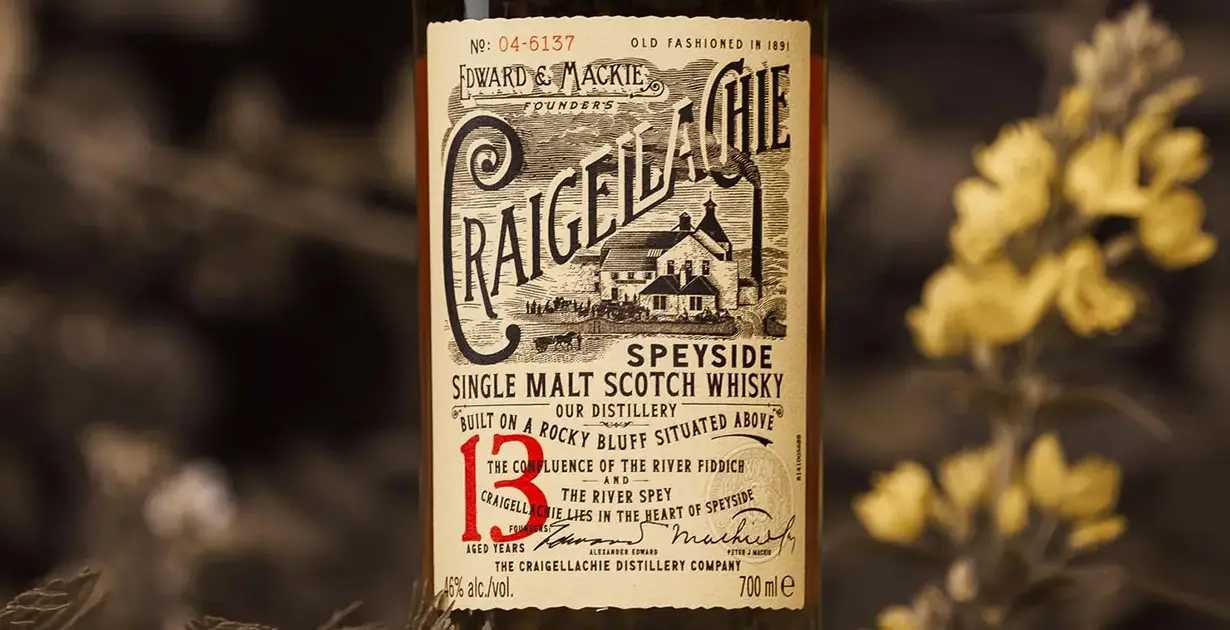
This process is why whiskies from distilleries like Mortlach, Craigellachie, and Springbank are famous for their “meaty” and “funky” profiles. The worm tub imparts a signature weight and complexity, a savoury depth you can almost chew on. It is a slice of marketing gold, certainly, but it is also an authentic link to the past. These distilleries are not just being stubborn; they are preserving the very DNA of their spirit, that grubby, dirty, and utterly delightful character that we love.
These old coils are the reason some whiskies possess that big, bold, characterful punch. They are the whisky equivalent of playing a vinyl record instead of using a streaming service: a little more work, perhaps, but full of a warmth and depth that is hard to replicate. So what is your favourite whisky that gets its beastly character from a worm tub?
For a more detailed breakdown and to see the whiskies for yourself, watch my YouTube video.
 Latest On The Whiskey Wash