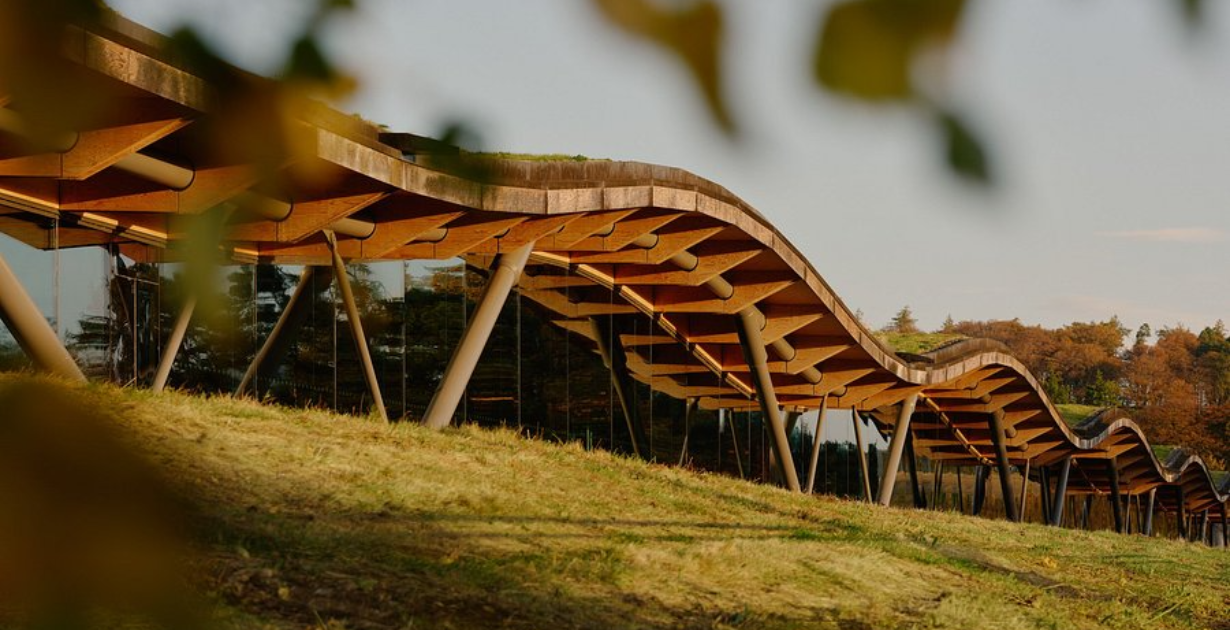
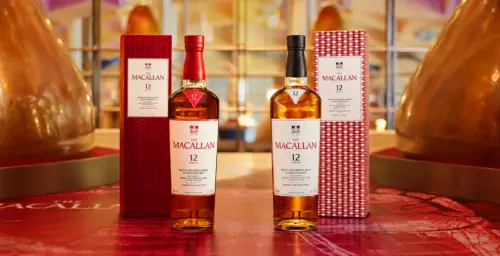
The Macallan is one of those names that even casual whisky drinkers tend to recognize. It’s known for sitting at the very top end of the single malt Scotch market, with a new £140 million distillery and the record for the most expensive bottle of whisky ever sold at auction.
Behind all of its modern success, though, is a fascinating story spanning over 200 years. And, despite the brand’s fame, there are some very interesting facts about The Macallan that have faded into obscurity.
So I read up on The Macallan in a few whisky books and found five things you might not know about, arguably, the most luxurious whisky brand on the planet. In these facts, you will find an unlikely Netflix connection, impressive production tidbits, and a premature dismissal from the world’s first whisky influencer.
What Will Whisky Look Like in 2027? Voices from Whisky Live Paris
READ THE STORY1. Victorian Whisky’s Most Famous Writer Almost Overlooked The Macallan
Between 1885 and 1887, Alfred Barnard, the secretary of the trade journal Harper’s Weekly Gazette, visited every working whisky distillery in Great Britain and Ireland, 162 in total. He wrote them up in The Whisky Distilleries of the United Kingdom, a 500-page book with detailed technical notes on each site, along with sketches and engravings.
Macallan appears as entry No. 73, listed under James Stuart & Co. of Rothes, and the whole entry is just seven lines. Barnard describes a modest farm distillery about a mile from Dandaleith station, producing around 40,000 gallons a year, most of which went to England for blending.
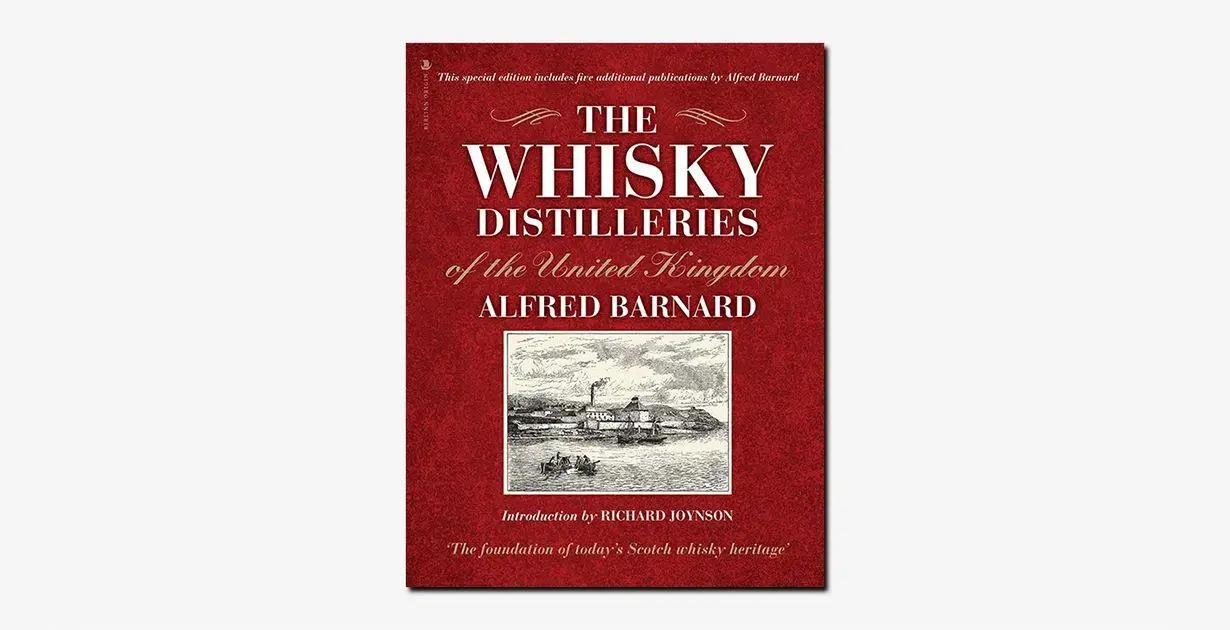
In But the Distilleries Went On, Ian Buxton points out that Barnard considered Macallan “only worthy of a scant seven line entry.” Meanwhile, huge grain distilleries such as Carsebridge and Port Dundas, which were making millions of gallons a year, were given profiles of several pages.
 Trending Content

Given where the distillery is today, it’s hard not to remark on how little attention Barnard paid it.
2. The Macallan’s Chairman Was Also A Screenwriter
Allan Shiach chaired Macallan-Glenlivet from 1979 until the company changed hands in the late 1990s, and for much of that time he was also writing films under the name Allan Scott.
His best-known film is probably Don’t Look Now (1973), the Daphne du Maurier adaptation starring Julie Christie and Donald Sutherland, which he co-wrote with Chris Bryant. His other credits include The Witches (1990) and Regeneration (1997), and more recently he became a co-creator and producer of The Queen’s Gambit on Netflix.
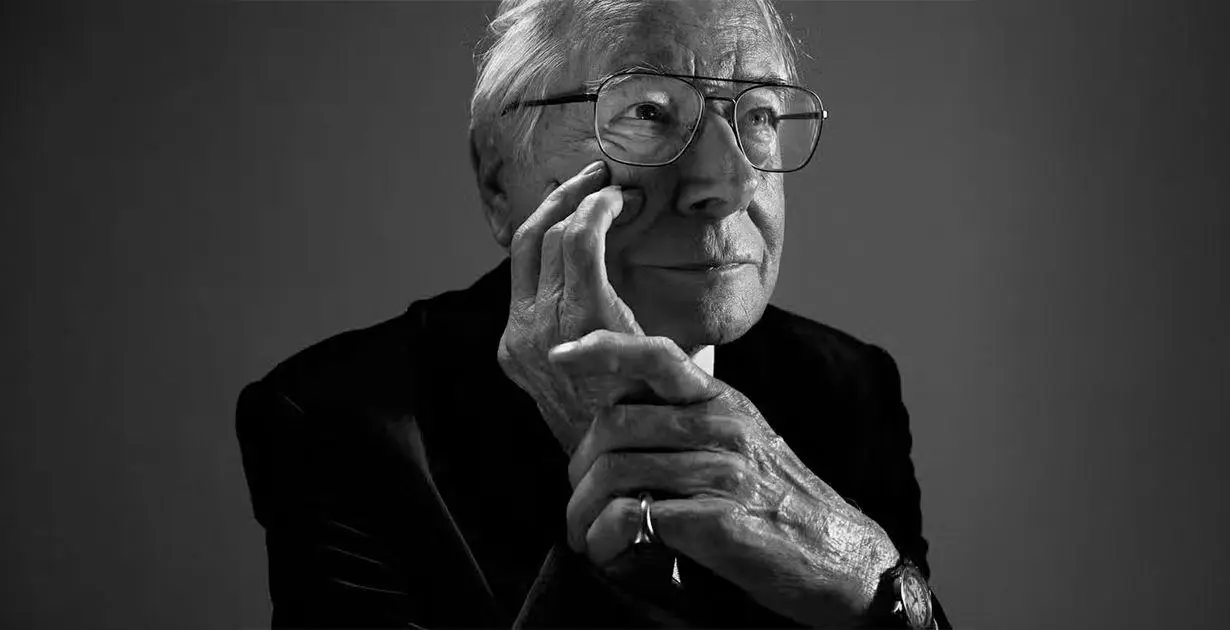
Shiach didn’t expect to stay in the job for long, and as he told Grampian Online, “I originally agreed to do it for just a year but discovered I was good at the job and enjoyed the complexities of marketing.”
His love of film found its way into the distillery, too. According to Walter Schobert’s The Whisky Treasury, Shiach set up a small round theater at Easter Elchies House, complete with a genuine cinema organ, for a “magic lantern” show about Scotland and The Macallan.
3. News Of A Macallan Takeover Broke On The Day Of A Special Tasting
The Macallan was independently owned and run from the time it was first licensed in 1824 until the summer of 1996. According to Walter Schobert’s The Whisky Treasury, the company invited friends to the estate on July 1, 1996, to taste a limited release of Macallan distilled in 1874, presented in a replica of a 19th-century bottle.
The national newspapers on the same morning carried news of a hostile takeover. Highland Distillers had joined forces with Suntory, which had owned 25% of Macallan since 1986, and bought Rémy Cointreau’s 26% stake. Between them, the two companies now held 51% of the business.
Highland Distillers, working with Suntory, went on to take control of Macallan-Glenlivet later that year, and the deal brought the Kemp family’s ownership of The Macallan to an end.
Three years later, Highland Distillers itself was bought by Edrington and William Grant & Sons, and Edrington still owns The Macallan today.
4. The Macallan Keeps Only A Small Part Of Each Spirit Run
Most Scotch single malt is distilled twice in copper pot stills. The first distillation takes place in the wash still, which turns the fermented liquid, known as wash, into a weaker spirit called low wines. The low wines then go into the spirit still for a second distillation.
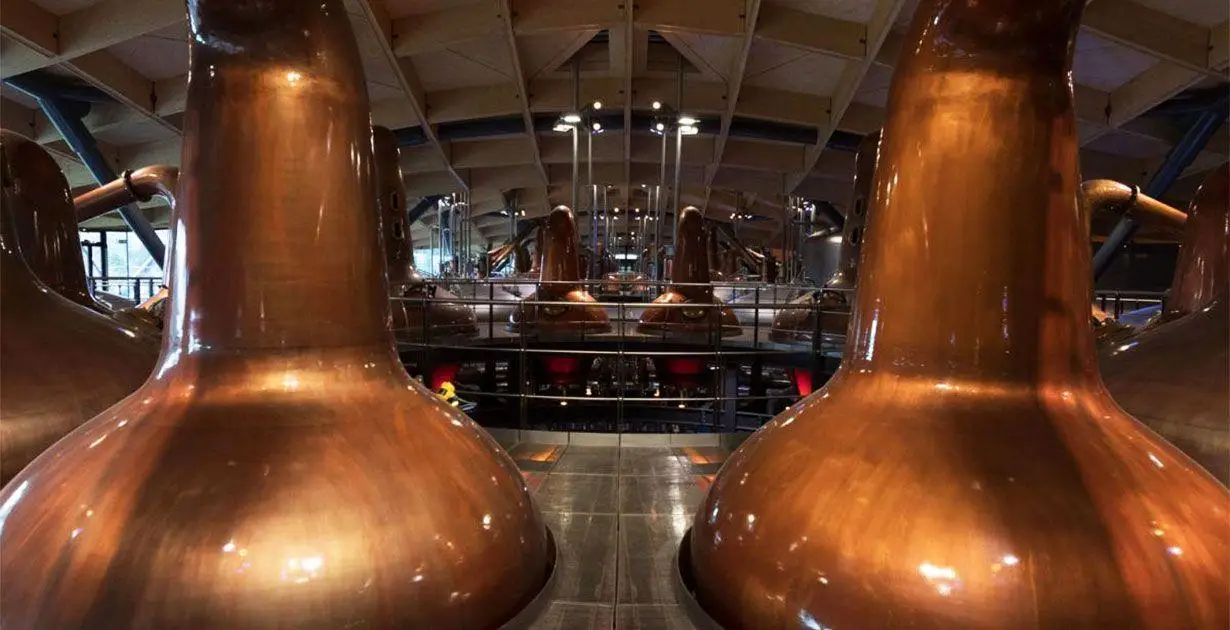
The stillman then divides the spirit coming off this second run into three parts. The first is the foreshots, or heads, and the last is the feints, or tails. The part in between is the middle cut, also known as the heart of the run, and it’s the only part that goes into casks to mature.
Most Scotch malt distilleries keep around 60% of the spirit run as their middle cut. The Macallan, however, fills only 16% of the final distillation into its casks. The brand credits this narrow cut with much of the richness of its spirit.
The new distillery has 12 wash stills and 24 spirit stills. The spirit stills are unusually small and have steeply descending lyne arms, and the distillery still takes the same tight cut.
5. The Old Macallan Distillery Is Being Turned Into Wetlands

When the new distillery opened in 2018, the old stillhouses, most of which date from the 1960s, were mothballed.
Edrington has since announced a plan called Project Marley, the announcement of which coincided with The Macallan’s 200th anniversary in 2024. Plans reported by the Press and Journal showed several of the old buildings being knocked down completely, with salvaged parts kept on site as artifacts. The cleared ground is being turned into wetlands and naturalized gardens.
Edrington has also worked with EDF Renewables UK on a 2.1MW ground-mounted solar project on the estate. It now supplies around 25% of the distillery’s annual electricity demand, and up to half of its daytime needs at peak output.
Two Centuries On
The Macallan has come a long way since Alfred Barnard gave it seven lines of copy in 1887, and there are, it seems, infinite lesser-known facts about the distillery to be found.
Do you have any Macallan facts in your arsenal? Let us know in the comments.
If you’d like to know more about Allan Shiach, our feature on his time as chairman is well worth reading.