



Investing in whiskey barrels continues to offer an intriguing alternative investment option in 2026, offering both the opportunity to make and shape your own whiskey and potential returns.
The fundamental principle of barrel investment remains straightforward: aged whiskey commands higher prices than young spirit, creating opportunities for patient investors willing to play the long game. While the process of purchasing a barrel may be relatively simple, understanding the complexities of this investment requires careful consideration of several key factors.
The Barrel Investment Timeline
Success in barrel investment hinges primarily on understanding and committing to appropriate time horizons. If you are looking at whiskey barrels as an investment opportunity then you have to aim for a long term purchase.
What Will Whisky Look Like in 2027? Voices from Whisky Live Paris
READ THE STORYFor investors entering the market in 2026, the ten year minimum remains a crucial benchmark. The most successful barrel investments tend to target the 15 to 20 year age range as a point of sale. This is when the combination of quality development and market scarcity often creates the most favorable conditions for profitable exits. It also gives time for other brand driven market changes to happen.
Purchasing young barrels of scotch whisky, typically aged between 4 and 12 years, requires a minimum 10 year investment period to realize meaningful returns. New make spirit demands even greater patience, with optimal holding periods ranging from 15 to 20 years. This timeline allows the whiskey to develop the complexity and character required for it to be classed as a premium product, which in turn drives value appreciation.
Understanding the Aging Process
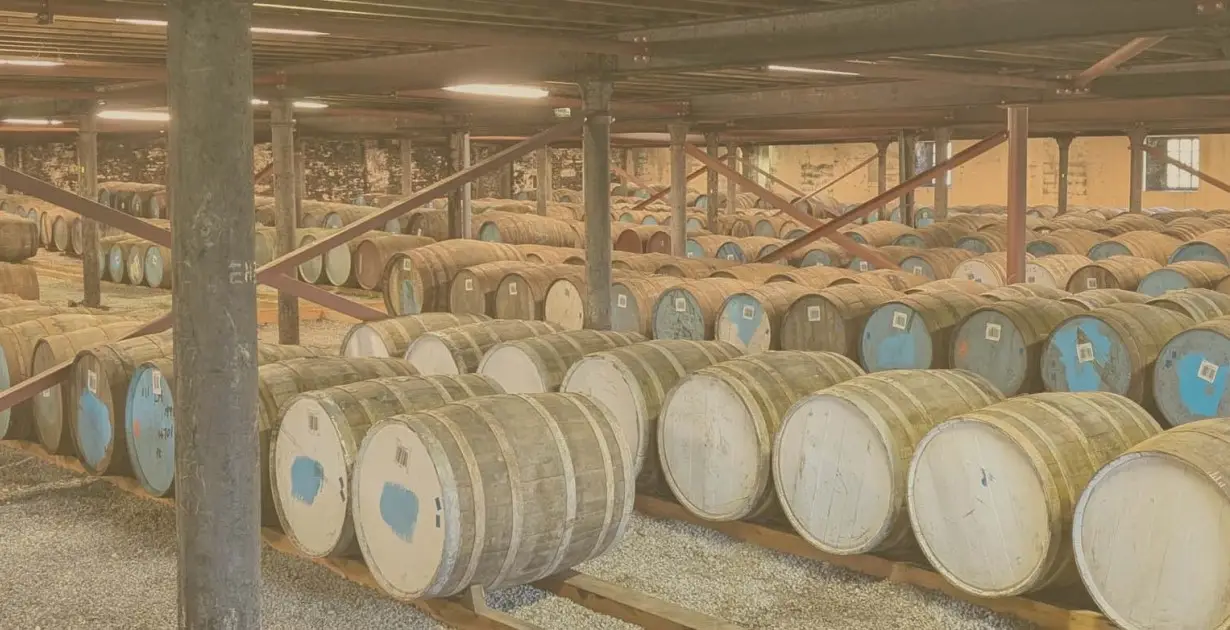
As whiskey matures in a barrel the wooden vessels allow for natural evaporation and air circulation; essential processes that contribute to the spirit’s maturation. This interaction between wood and whiskey leads to both positive development of the whiskey as a drink, and gradual volume loss—a process known as the “angel’s share.” In the case of scotch whisky specifically, the alcoholic strength typically decreases over time, while other whiskey styles may see increases depending on climate conditions.
 Trending Content

These natural changes during maturation mean that barrels require active monitoring via something known as a regauge. A regauge is performed by the warehouse and checks the volume of liquid and alcoholic strength of a barrel. These figures can then be used to value and decide when to sell the whiskey. We recommend a reguage every 3 to 5 years to monitor the barrel’s development.
Purchase Options
The 2026 market offers several paths to barrel ownership. Direct distillery purchases provide a straightforward route, particularly for barrels of new make spirit. However brokers can offer a broader selection from established distilleries. Auction platforms present opportunities for experienced investors, though they require existing warehouse relationships and understanding of transfer logistics.
It is important to remember that if you are not buying direct from a distillery then you should check ownership. The Scotch Whisky Association recommends a contract of sale, receipt of payment and a warehouse acknowledged transfer—traditionally a delivery order. If you’re not being offered a delivery order then check with the warehouse itself to ensure your seller is delivering the correct paperwork.
Working with an established broker—like Mark Littler Ltd—can provide the most comprehensive support and flexibility for long-term investment strategies, however direct distillery purchases can offer attractive entry points for new investors or those after a pure experience-led purchase.
Essential Considerations
Before buying a barrel of whiskey in 2026 you should consider these essentials:
- Are you comfortable with a long term (10 year +) investment?
- Do you understand that whiskey barrels require specific storage conditions and regular monitoring?
- Full ownership through a delivery order provides maximum flexibility for future sales and sampling options.
- Are you confident about the exit market?
You may also want to check locally for tax implications around owning a barrel. In some jurisdictions, barrels qualify as “wasting assets” due to their finite lifespan, potentially offering tax advantages. However, these benefits vary by location and should be verified with current tax advisors.
Planning Your Exit
Your plans around selling a barrel will depend on you. Some people see barrels as a pure investment, in which case the simplest and most cost effective sale route is to sell the cask whole, in bond, usually to a bottler or other end user for the whiskey.
If you have bought a barrel purely through a love of whiskey then you may want to sample your creation. You can draw bottles out as it matures and then bottle the rest for personal use at a point of your choosing. There is also the possibility to combine these routes by taking a number of bottles from your barrel then selling the rest of the barrel in bond.
There is no need to commit to either of these routes until you come to sell. But it is important to understand that if you do decide to bottle some or all of the barrel then there will be costs and taxes due. You can read more about these over on Mark Littler Ltd’s Cask Calculator, which is a tool that allows you to calculate the costs based on a barrel’s price and fill levels.
For investors entering the market in 2026, whiskey barrel investment offers an engaging way to enjoy and experience the whiskey industry. Potential success requires patience, understanding of the natural aging process, and careful consideration of ownership structures. While not suitable for short-term traders, barrel investment can reward those willing to embrace its unique characteristics and timeline.
Ready to learn more? For detailed insights and expert tips to help you navigate your whiskey investment journey download the comprehensive Whisky Barrel Buying Guide written by the team at Mark Littler Ltd.
Our colleagues over at Mark Littler Ltd have curated their most helpful articles all in one place so you can learn more about buying and owning a barrel of scotch. If you’d like to find out more about moving forward with a barrel purchase please email [email protected].
Returns on whiskey barrels are not guaranteed and the value of casks can go down as well as up.