




For whiskey enthusiasts considering barrel ownership, understanding potential aging duration is crucial. While the romanticism of extremely old whiskey might suggest indefinite aging potential, several practical factors determine how long you can successfully maintain a barrel.
TLDR: For scotch whisky barrels we suggest a minimum hold period of 10 years, ideally aiming to exit around 15 to +20 years old. For other whiskey types the hold period may be shorter due to climate impacts on the angel’s share.
Download The Whiskey Wash X Mark Littler LTD Barrel Guide
At The Whiskey Wash, we’ve partnered with Mark Littler Ltd, whiskey barrel specialists since 2016, to bring you the definitive guide to scotch whisky barrel ownership.
Ready to make an informed decision about buying a whisky barrel? Complete the form below to download our expert guide, developed from years of industry experience and aligned with Scotch Whisky Association recommendations.
The lifetime of your whiskey barrel depends on three primary factors: evaporation rate, alcohol content changes, and barrel size.
Quick whisky question
Single malt is everywhere, but what does it mean? We want to know what the word “single” means to you. Three quick questions, under a minute.
✓ Thank you — your response has been recorded!
Something went wrong. Please try again.
The first two elements vary significantly by region and storage conditions, creating natural limitations on aging potential. Whether you’re storing your barrel in Kentucky’s warm climate or Scotland’s cool environment, understanding these factors helps you make informed decisions about your whiskey’s maturation journey.
Before diving into specific time frames, it’s important to note that optimal aging periods aren’t solely about maximizing years. The key is finding the sweet spot where your whiskey reaches peak quality while maintaining legal requirements for alcohol content and managing inevitable volume loss. Let’s explore the factors that will help you determine the ideal lifespan for your particular barrel.
Understanding Evaporation Rates
When you own a whiskey barrel, a portion of your spirit disappears each year through evaporation. This phenomenon, known as “the angel’s share”,” varies dramatically by region due to climate differences.
What Will Whisky Look Like in 2027? Voices from Whisky Live Paris
READ THE STORY- In Scotland’s cool, humid climate, distilleries typically lose about 2% of their whiskey annually and see a drop in ABV.
- Kentucky’s warmer temperatures drive this figure up to 6% but ABV tends to increase over time.
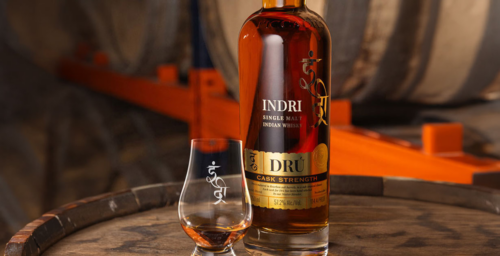
- India‘s tropical climate can claim as much as 12% each year.
The change in ABV alongside evaporation between 2% and 12% per year effectively creates a ceiling for how long you can age a barrel of whiskey.
Size Matters: Barrel Capacity and Age
Barrel size also influences your whiskey’s aging potential. Larger barrels generally support longer maturation periods because they have a lower surface-area-to-volume ratio, which slows down both evaporation and the rate of ABV change.
How Long Can I Keep A Whiskey Barrel?
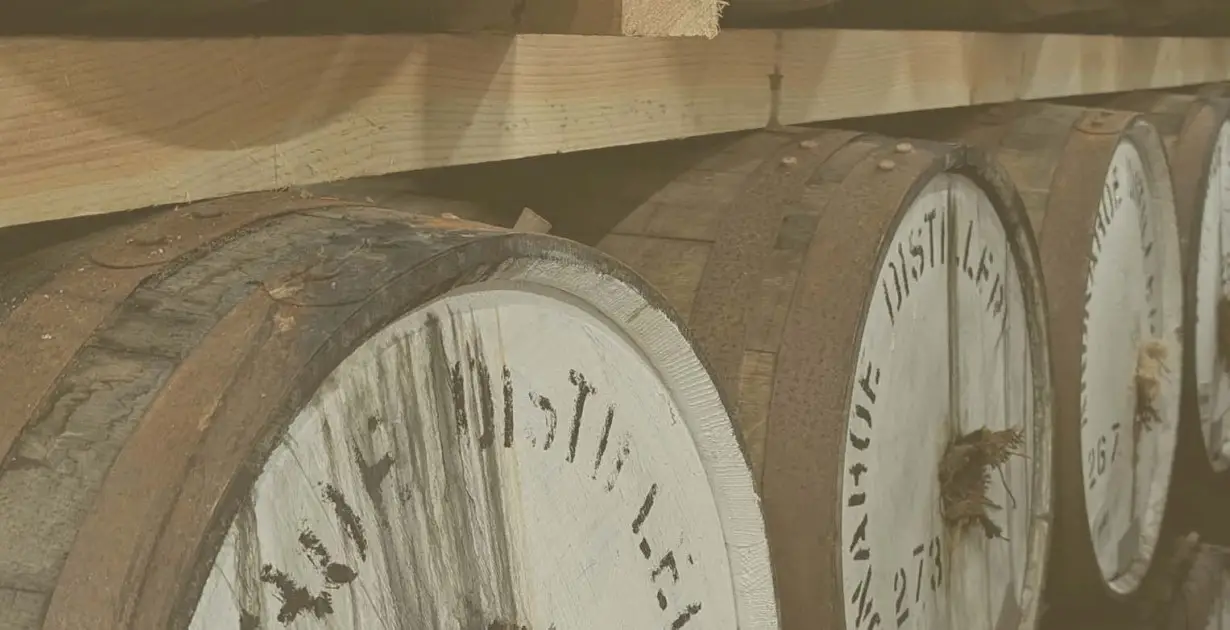
How long you can keep barrel of whisky ultimately depends on your particular barrel and where it is stored. For example the timeframe for maturing barrels in Kentucky will be much shorter than the potential period in Scotland and a smaller barrel will have a shorter average lifespan than something larger.
For scotch whisky casks we suggest a minimum of 12 years, with an ideal age to sell around 15 to +20 years old. However you should always choose when to sell based on the fill level of your particular barrel—which you can do via a regauge.
For scotch we suggest regauging every 3 to 5 years—more frequent checks would be warranted in warmer climates. During these inspections, the warehouse will measure both the remaining volume and the current ABV, giving you crucial data about your barrel’s development.
The average lifetime of a whiskey barrel will vary considerably. It depends on the size of the barrels, the climate of the region where it’s maturing, and even its position within the warehouse. Rather than just saying a barrel can mature for 5, 10 or 20 years, we always suggest reacting to the barrel’s specific age and fill levels when deciding when to sell.
Remember that evaporation means extended aging doesn’t always equal a higher value whiskey.
Ready to learn more? For detailed insights and expert tips to help you navigate your whiskey investment journey download the comprehensive Whisky Barrel Buying Guide written by the team at Mark Littler Ltd.
Our colleagues over at Mark Littler Ltd have curated their most helpful articles all in one place so you can learn more about buying and owning a barrel of scotch. If you’d like to find out more about moving forward with a barrel purchase please email [email protected].
Download The Whiskey Wash X Mark Littler LTD Barrel Guide
At The Whiskey Wash, we’ve partnered with Mark Littler Ltd, whiskey barrel specialists since 2016, to bring you the definitive guide to scotch whisky barrel ownership.
Ready to make an informed decision about buying a whisky barrel? Complete the form below to download our expert guide, developed from years of industry experience and aligned with Scotch Whisky Association recommendations.
Returns on whiskey barrels are not guaranteed and the value of casks can go down as well as up.
 Latest On The Whiskey Wash