

The Global Whisky Challenge is now in its third year and has finally announced the 2026 winners. Whiskies are judged across three regions of the world, with the highest-scoring entries going through to a final round where they are tasted again.
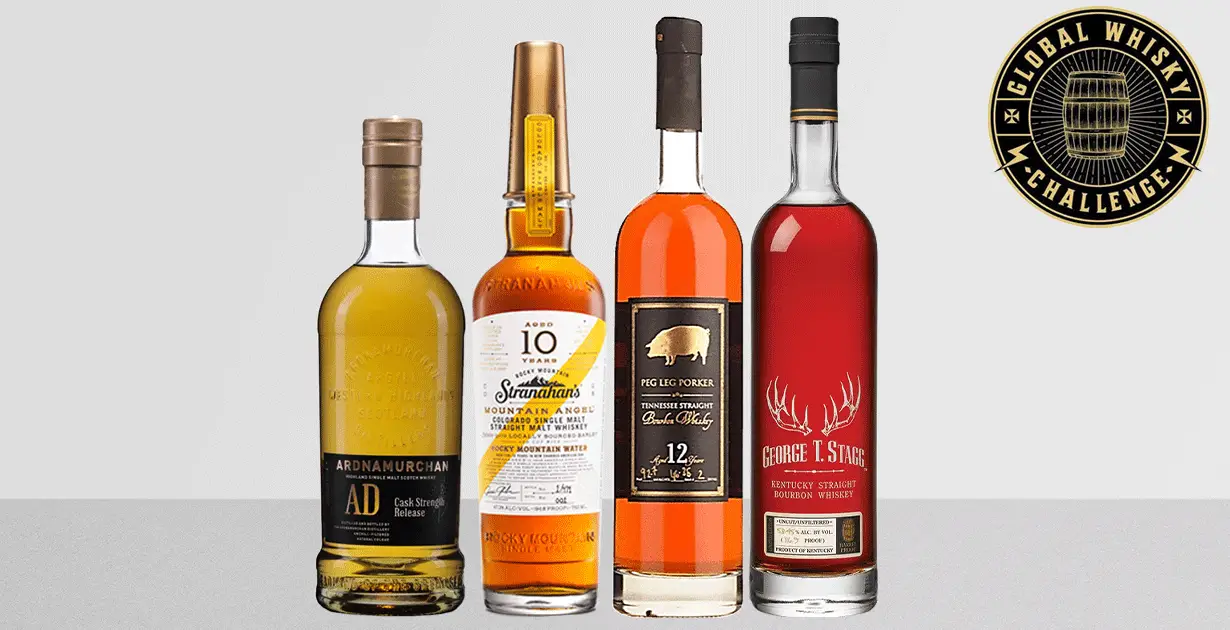
After rounds of tasting, whiskies finished at the very top. One earned the lone Platinum medal with a score of 97, and three more were named Best of Show in first, second, and third place, each scoring 96. The Platinum winner was a sourced Tennessee bourbon from a Nashville barbecue pitmaster, which beat out a Buffalo Trace release that has spent years near the top of bourbon wish lists. The rest of the podium brought together a barrel-strength Kentucky bourbon, a Colorado single malt aged a mile above sea level, and a Highland single malt from one of Scotland’s greenest distilleries.
Here is a closer look at all four, how they are made, where they come from, and whether you can get hold of a bottle.
What Will Whisky Look Like in 2027? Voices from Whisky Live Paris
READ THE STORYPeg Leg Porker Tennessee Straight Bourbon Whiskey Black Label
Award: Platinum
Score: 97
Tasting Notes: Dark chocolate plum, cigar box, charred oak, espresso, candied pecan, black cherry, dried orange peel
 Trending Content
Find Your Next Bottle: $154.99
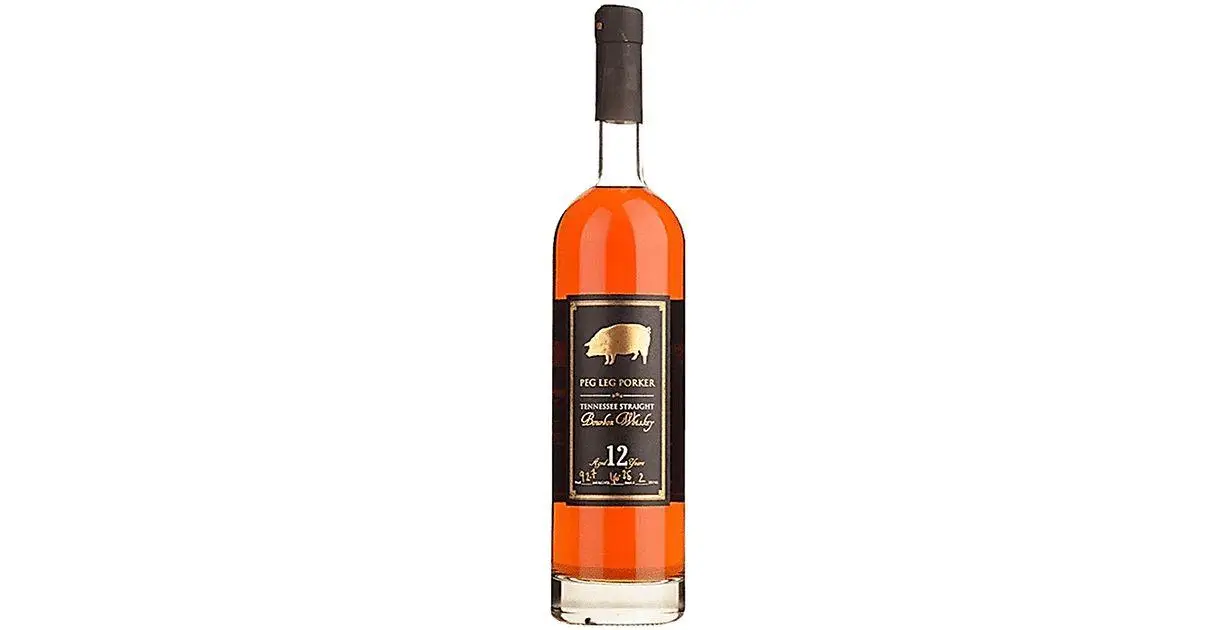
Peg Leg Porker is the work of Carey Bringle, a Nashville pitmaster who spent two decades on the competitive barbecue circuit before opening his restaurant in the city’s Gulch neighborhood and later moving into whiskey. The “Peg Leg” name comes from Bringle himself, who lost his right leg to bone cancer as a teenager, and he is often described as the first barbecue pitmaster to put out his own bourbon.
The whiskey is sourced rather than distilled in-house, and it is widely believed to come from George Dickel in Tullahoma, though Bringle has never confirmed it. The bourbon spends at least 12 years in new charred oak before bottling at around 92.7 proof.
There is also a cool, BBQ-based twist to the bourbon: instead of the usual sugar maple charcoal used before barreling in Tennessee, Bringle filters the aged whiskey through hickory charcoal burned down in his own smoker pit after aging, not before.
The Black Label is the 12-year expression in a range that also includes younger and older bottlings, and it comes out as a small, batch-numbered annual release that tends to sell quickly. It is the bottle that took the highest score of the whole competition.
George T. Stagg 2025 Kentucky Straight Bourbon Whiskey
Award: Best of Show 1st Place
Score: 96
Tasting Notes: Vanilla, dark tobacco, ripe cherry, earthy, oak
Find Your Next Bottle: $1,300
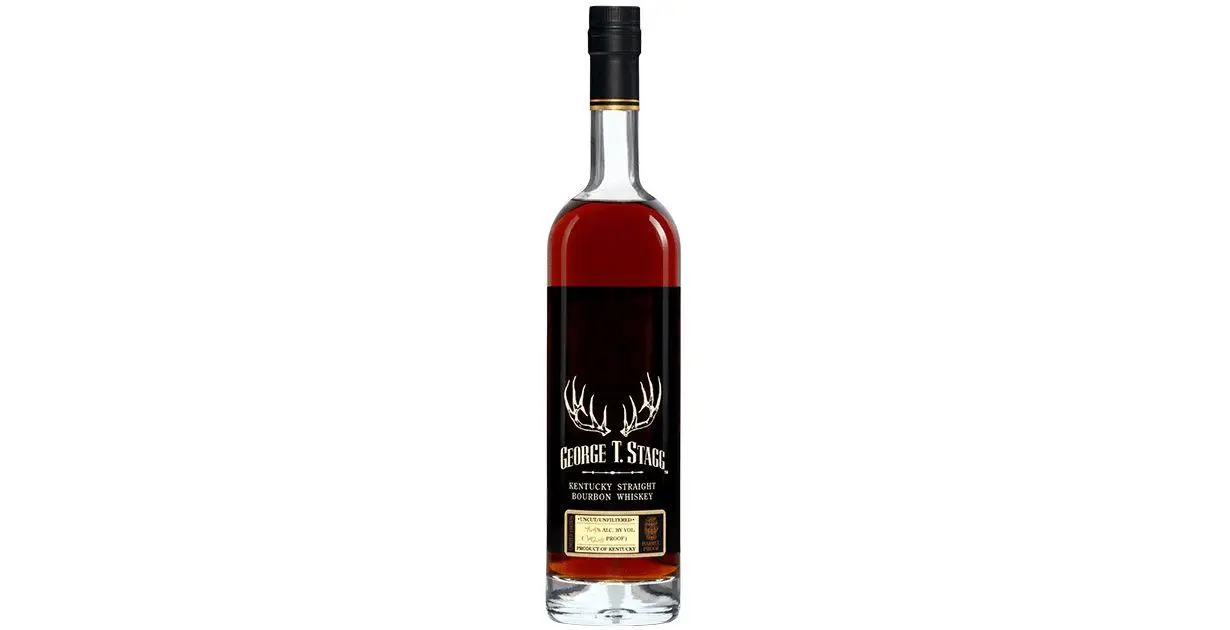
George T. Stagg is made at Buffalo Trace in Frankfort, Kentucky, and it is named for the 19th-century whiskey businessman who once ran the distillery that now carries the Buffalo Trace name. It is the barrel-strength, uncut, and unfiltered member of the Buffalo Trace Antique Collection, the annual set of limited releases the distillery has been putting out since 2002, with Stagg joining the lineup in 2004.
The 2025 edition was distilled in 2010 and aged for 15 years and four months in new oak barrels with a number four char, drawn from several of the distillery’s warehouses. It uses Buffalo Trace’s low-rye mash bill, the same recipe behind the flagship Buffalo Trace and Eagle Rare bourbons, and it was bottled at 142.8 proof, which makes it the highest-proof Stagg released so far. Anything over 140 proof is high enough to be classed as hazardous for shipping, which is where the “hazmat” nickname some drinkers use comes from.
The collection has had its gaps, and Stagg was skipped entirely in 2021 when the barrels set aside for it did not measure up. The suggested price sits around $150, but in practice it is hard to find at anywhere near that, and bottles usually go through retailer lotteries or change hands on the secondary market for considerably more. Of the four winners here, it is the one you are least likely to find on a shelf.
Stranahan’s Mountain Angel 10-Year Colorado Single Malt Whiskey
Award: Best of Show 2nd Place
Score: 96
Tasting Notes: Candied apples, pipe tobacco, oiled leather, pepper, dark chocolate, molasses, caramel, oak, spearmint
Find Your Next Bottle: $119
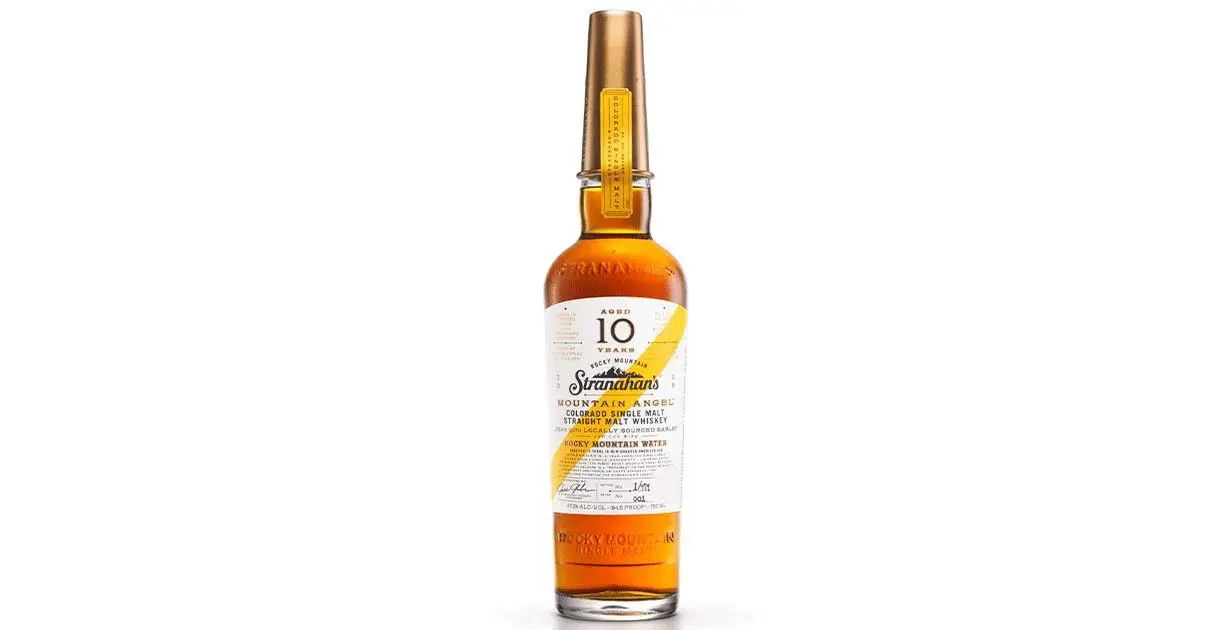
Stranahan’s has a strong claim to having pioneered American single malt, and Mountain Angel is billed as the first 10-year-old straight American single malt whiskey. The distillery opened in Denver in 2004 as Colorado’s first licensed distillery since Prohibition, founded by Jess Graber and George Stranahan, who met when Graber, a volunteer firefighter, responded to a barn fire on Stranahan’s property. The brand was bought by Proximo Spirits in 2010 and still operates out of Denver.
The whiskey is made from 100% malted barley and aged in new charred American oak. Denver sits a mile above sea level, and Stranahan’s points to that altitude and the local climate as part of what shapes the whiskey as it ages. It is bottled at around 45% ABV.
Mountain Angel is an annual limited release at the top of the Stranahan’s range, and it usually sells for somewhere around $100 to $120. You will need to catch it when the yearly batch comes out, but it is more attainable than the Stagg.
Ardnamurchan Cask Strength Highland Single Malt Scotch Whisky
Award: Best of Show 3rd Place
Score: 96
Tasting Notes: Coastal peat smoke, vanilla, citrus zest, orchard fruit, black pepper, seaweed salinity
Find Your Next Bottle: $95
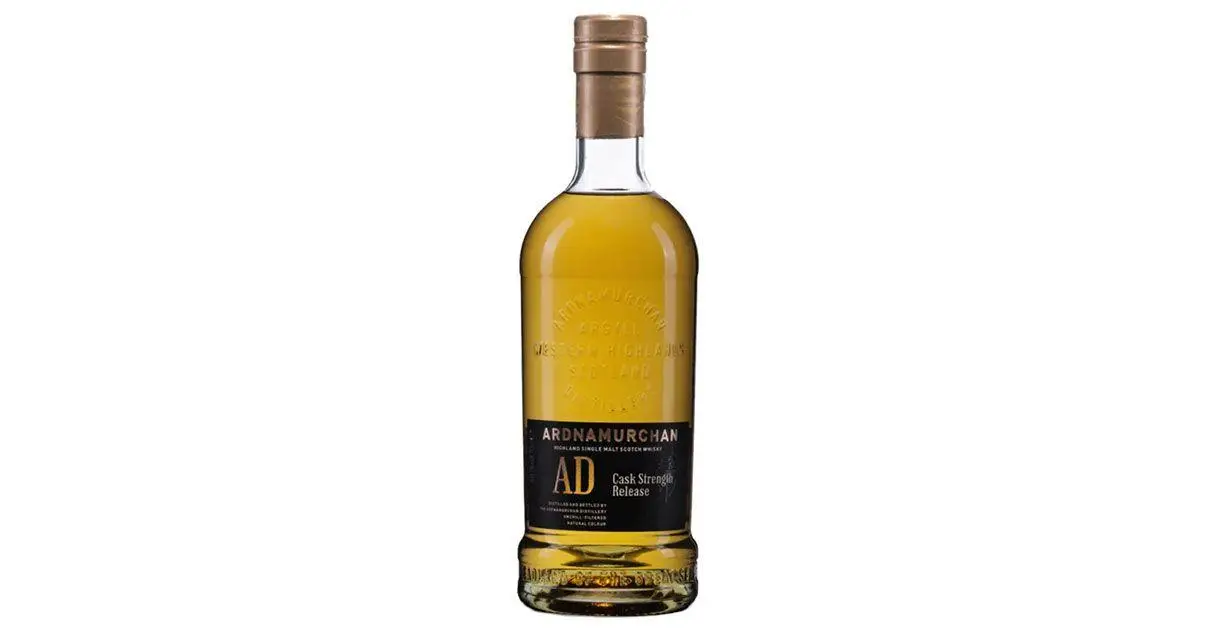
Ardnamurchan sits on the remote Ardnamurchan peninsula on Scotland’s west coast, which makes it the most westerly distillery on the British mainland. It was built by Adelphi, a long-running independent bottler, and opened in 2014.
The distillery runs on local renewable energy, drawing on a biomass boiler, solar panels, and hydroelectric power. In 2024, Ardnamurchan was named ‘Global Sustainable Distillery of the Year’ at the Icons of Whisky Awards.
The Cask Strength is the higher-strength counterpart to the distillery’s standard AD/ single malt. The 2025 batch was made from a mix of roughly 87% peated and 13% unpeated spirit, with around 90% matured in ex-bourbon casks and the remaining 10% in sherry casks. It is bottled without chill filtration or added color at 57.7% ABV, a figure that shifts a little from one year’s batch to the next.
This comes out as a small annual release, but it is the easiest of the four to actually buy.
The 2026 Global Whisky Challenge Winners
The Global Whisky Challenge holds its top awards to a high standard, and these four whiskies came out above everything else in the competition: a Tennessee bourbon on Platinum, with a Kentucky bourbon, a Colorado single malt, and a Highland Scotch taking the three Best of Show places. If you want to see how the rest of the field shook out, we have rounded up every winner from the competition in one place.
Do you agree with the top four? And if you have tried any of them, tell us in the comments which one you would pour first.