



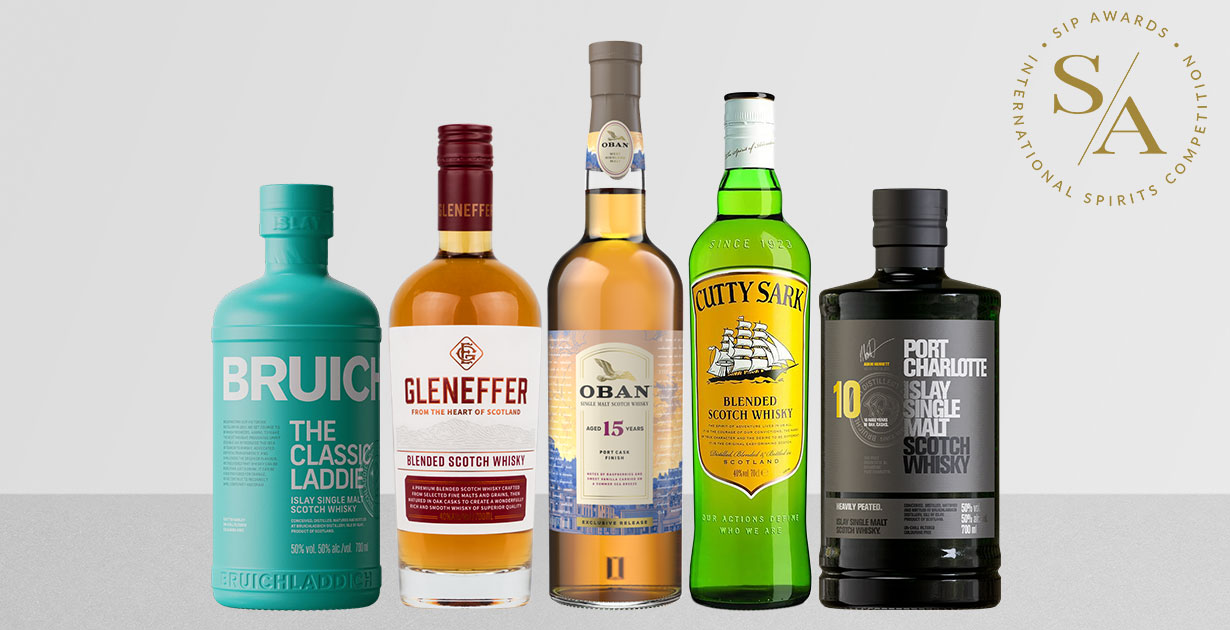
Most spirits competitions rely on panels of industry professionals to decide their winners. The SIP Awards work differently, recruiting everyday consumers to blind-taste and score the entries, which cover whiskey alongside other categories like RTDs, liqueurs, and mixers. The idea behind the format is to capture what regular drinkers actually think rather than what critics conclude.
This year’s competition attracted a large international field of entries, and among the winners were five Scotch whiskies. They range from an Islay single malt that earned Double Gold to a blend you can find on most supermarket shelves. Below, we look at how each one is produced, who makes it, and the history behind it.
Bruichladdich The Classic Laddie
Award: Double Gold
Quick whisky question
Single malt is everywhere, but what does it mean? We want to know what the word “single” means to you. Three quick questions, under a minute.
Tasting Notes: Orchard fruits, toasted oak, citrus, vanilla, creme brulee, toffee, gingerbread, toasted bread, marzipan, coconut, rose, salt, stone fruits
RRP: $49.99
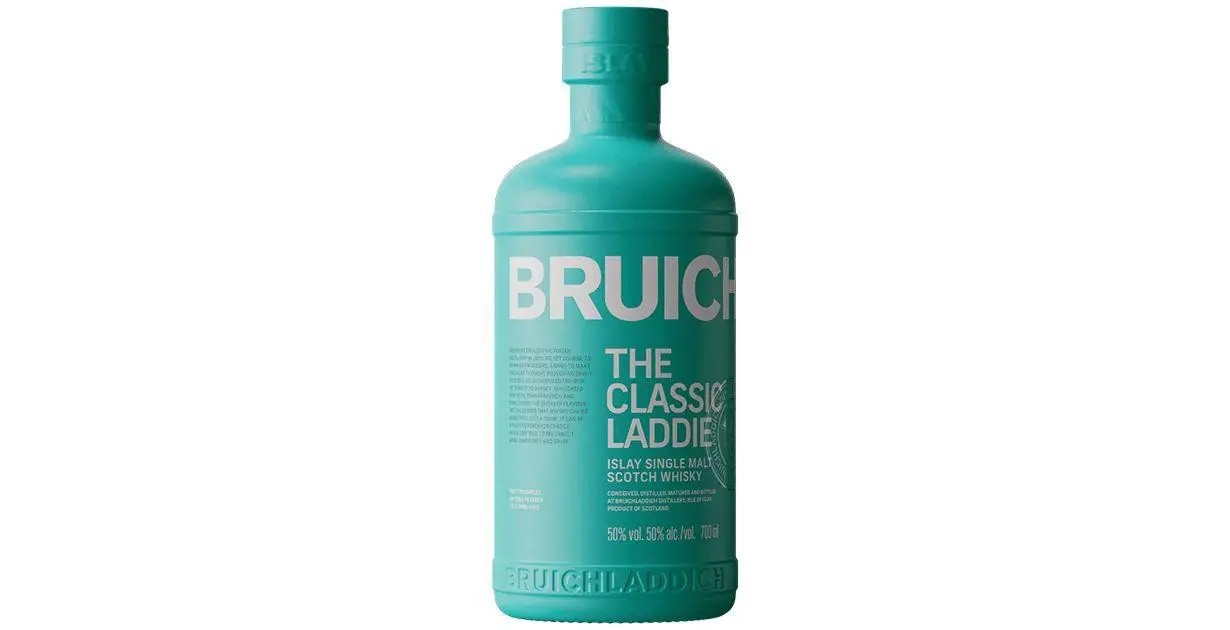
The Classic Laddie is the flagship unpeated single malt from Bruichladdich, a distillery on the western shore of Islay that was built in 1881 by the Harvey brothers. After decades of changing hands and a spell of closure in the 1990s, a group of investors revived it in 2000, and it has been owned by Rémy Cointreau since 2012. The distillery is also a certified B Corp.
What Will Whisky Look Like in 2027? Voices from Whisky Live Paris
READ THE STORYThe whisky is made entirely from Scottish barley and matured on Islay, primarily in ex-bourbon American oak, with the exact mix of casks and barley varieties changing from batch to batch. It is bottled at 50% ABV.
One thing Bruichladdich is known for is transparency about what goes into each release: every bottle carries a code you can enter on their website to see the specific casks and vintages used in that batch. It sells for around $50, and although the SIP Awards listed it under the No Age Statement category, the distillery reinstated a 10-year age statement on the label in 2025. I think we can assume here that the SIP Awards judged the earlier NAS version.
Port Charlotte 10 Year Old
Award: Gold
Tasting Notes: Earthy oak, caramel, fudge, vanilla custard, ginger, nutmeg, clove, citrus, thyme, heather, smoke, lemon honey, smoked oysters, salt, fudge, tropical fruits, banoffee pie
RRP: $59.99
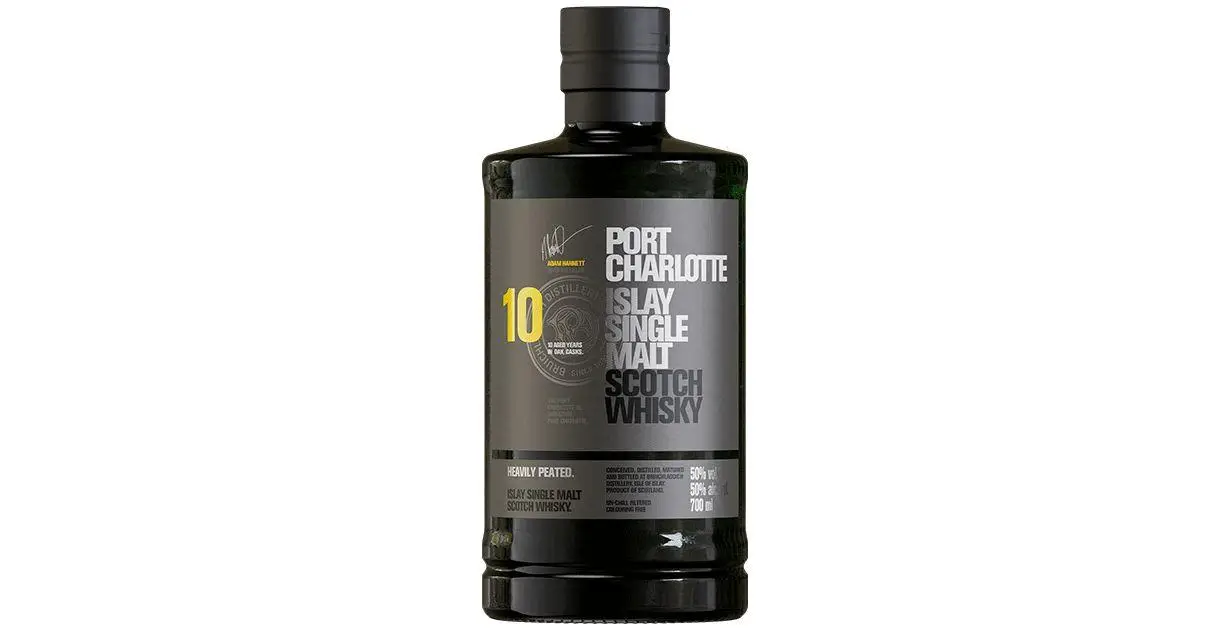
Port Charlotte is the peated single malt made at the same Bruichladdich distillery on Islay, so it shares the flagship’s approach: Scottish barley, distillation and maturation on the island, and bottling at 50% ABV without chill-filtration or added coloring. The difference is the peat. Port Charlotte is made with barley peated to 40 parts per million of phenols, which places it well above an unpeated malt while still sitting below Bruichladdich’s heavily peated Octomore line.
The name comes from the village of Port Charlotte, a couple of miles from the distillery, where a distillery operated from 1829 until it closed in 1929. It was originally called the Port Charlotte distillery and later became known as Lochindaal.
The 10-year expression is matured in a combination of cask types, currently listed at 65% first-fill American whiskey casks, 10% second-fill American whiskey casks, and 25% second-fill French wine casks. It arrived in 2018 as the first permanent age-stated release in the Port Charlotte range.
Gleneffer Blended Scotch Whisky
Award: Gold
Tasting Notes: Oats, honey, vanilla, clove spice, toasted bread, roasted nuts, apricot, raisin, cinnamon, walnuts
RRP: $49
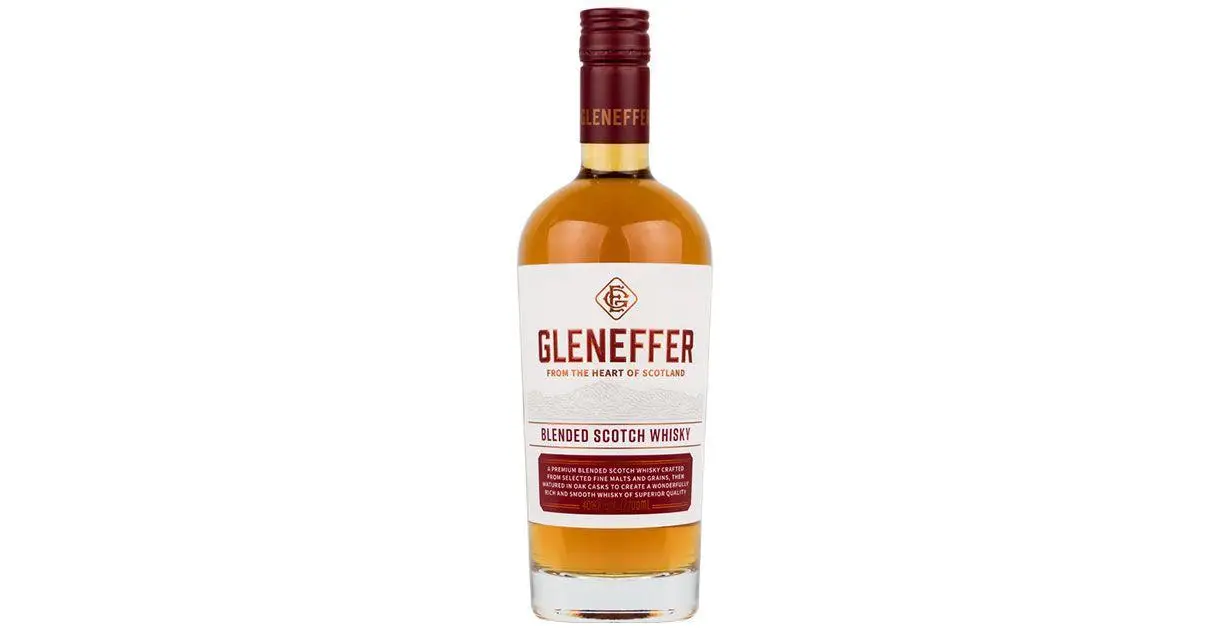
Gleneffer is the least familiar name of the five, and the one with the least public information behind it. It is a blended Scotch owned by the Edgemill Group, an Australian beverage company based in Laverton North, near Melbourne.
Edgemill lists Gleneffer among its own range of spirits and describes it, in its own materials, as “Imported from Scotland Bottled in Australia.”
It is made from a mix of malt and grain whiskies and bottled at 40% ABV, and some Australian retailers list it with a 3-year age statement, which would be the minimum age for Scotch whisky.
It is sold mainly through the Australian trade, which makes its Gold medal at a consumer-judged competition a reasonable talking point for a bottle most drinkers outside Australia will never have come across.
Cutty Sark Blended Scotch Whisky
Award: Gold
Tasting Notes: Fresh, fruity, vanilla, citrus
RRP: $15
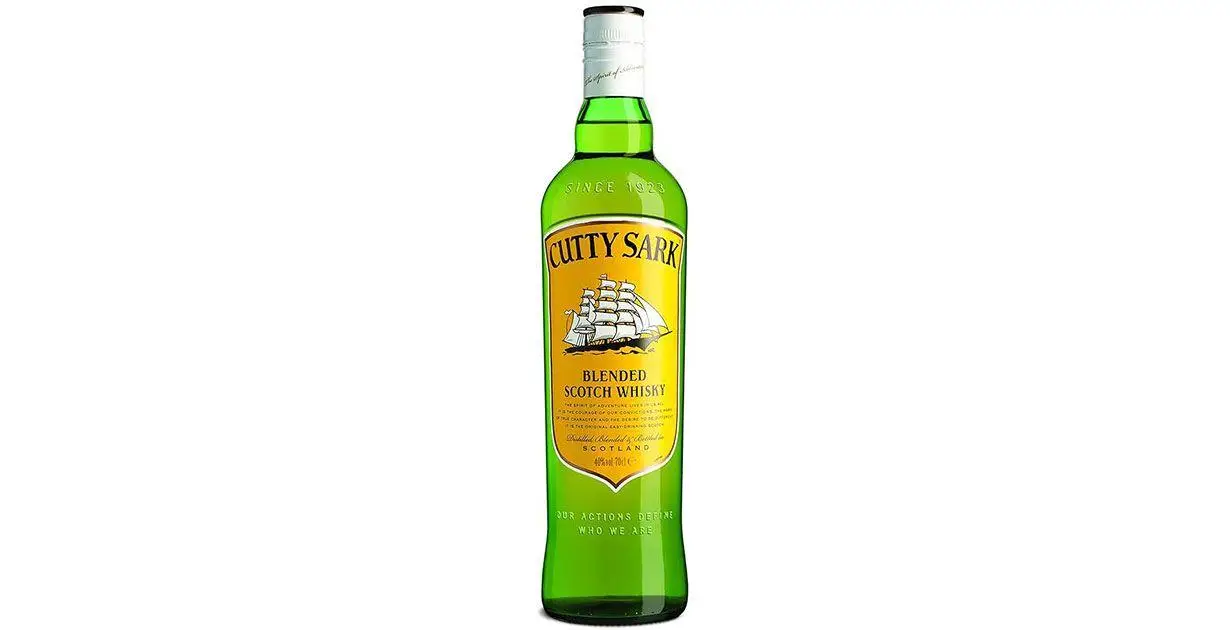
Cutty Sark has one of the longer histories of any whisky on this list. It was created on March 23, 1923 by Berry Bros. & Rudd, a London wine and spirits merchant that has been trading since the late seventeenth century. The idea was to make a lighter, paler blended Scotch than the heavier styles common at the time. The name came from the Cutty Sark, a nineteenth-century tea clipper, and the ship still appears on the label. The whisky went on to become popular in the United States, including during the Prohibition years.
The brand changed hands twice in recent decades. Berry Bros. & Rudd sold it to the Edrington Group in 2010, and Edrington sold it on to the French company La Martiniquaise-Bardinet in 2018. The Original is a blend of malt and grain whiskies, bottled at 40% ABV, and it is deliberately light in style.
As with most blended Scotch, the full list of component whiskies is not published, but it is widely understood to contain grain whisky from Invergordon and North British with single malt from Glenrothes.
It is the most widely available and affordable of the five whiskies here, typically selling for around $15 to $20.
Oban 15 Year Old Port Cask Finish
Award: Silver
Tasting Notes: White wine, raspberries, vanilla ice cream, maritime freshness, honeyed sweetness, red fruit, pepper, spice
RRP: $130
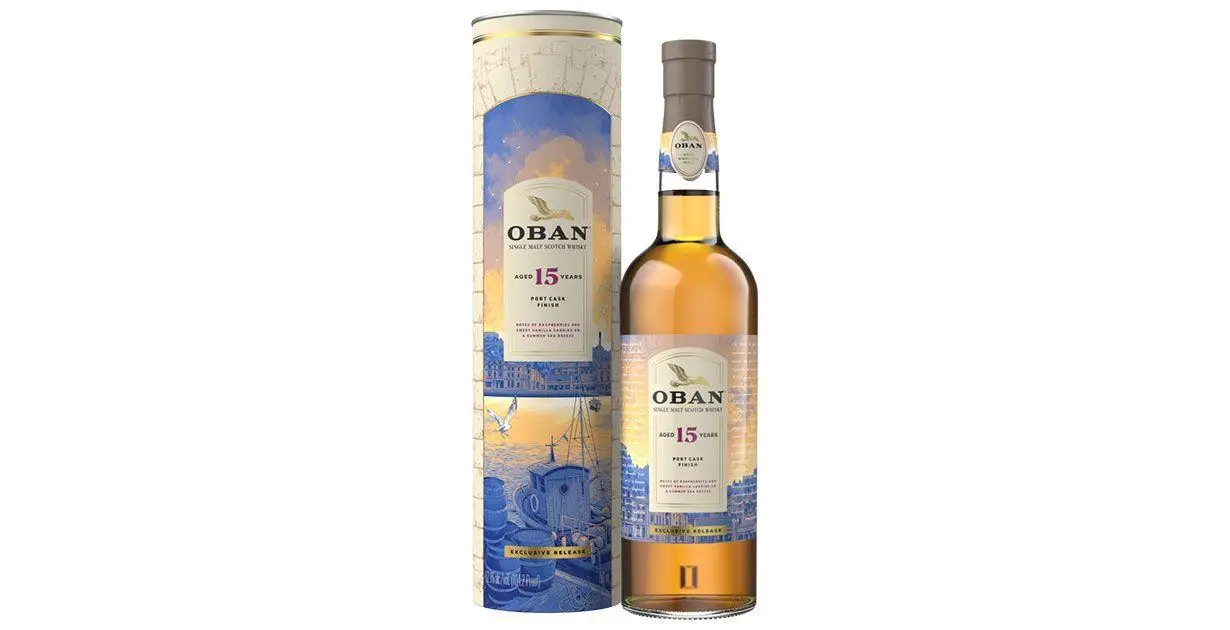
Oban is one of the oldest and smallest distilleries in Scotland, founded in 1794 by the brothers Hugh and John Stevenson in the west coast harbor town that later grew up around it. It sits on the coast between the Highlands and the islands, and its whisky is often described as carrying a maritime, coastal character.
The distillery runs on a small scale, with a handful of employees and a pair of the smallest lantern-shaped pot stills in Scotland. It is owned by Diageo and was one of the original Classic Malts.
This particular bottling is a limited-edition release announced in March 2026, and it is the second in a new annual 15-year cask-finished series that began with a sherry cask edition in 2025. The whisky spends 15 years in American oak hogsheads before finishing in ruby port casks, and Diageo has said the port finish was chosen to reflect the “shared coastal heritage” shared by Oban and the city of Porto in Portugal.
It is bottled at 52.1% ABV and carries a suggested retail price of around $130, which makes it the most expensive of the five whiskies here.
Final Thoughts
These five whiskies cover a lot of ground. There are two single malts from Bruichladdich on Islay, a limited release from one of Diageo’s smallest distilleries, a century-old blend with a maritime namesake, and a lesser-known blend bottled on the other side of the world. Prices run from around $15 for the Cutty Sark up to $130 for the Oban, so there is something here across a range of budgets. What they share is a medal from a competition judged by everyday drinkers rather than a panel of experts, which is worth keeping in mind when you weigh the results against other awards.
Have you tried any of these whiskies, or are there any you would like to seek out? And what do you make of a competition that puts the decision in the hands of ordinary consumers rather than industry judges? Let us know in the comments.
 Latest On The Whiskey Wash