





American single malt has spent years building momentum quietly, almost patiently. In 2025, it finally stepped into the light.
That shift isn’t just about trophies and podiums. Something more structural has changed. The category now carries an official definition in the United States — formalised by the TTB in December 2024, effective January 2025 — which gives it real weight in global conversations about whisky. The rules are straightforward: 100% malted barley, produced at a single US distillery, aged in oak. Simple on paper, but significant in practice.
Distilleries have been making this style for decades, of course. What’s new is the legitimacy, and with it, a clearer seat at the table.
Quick whisky question
Single malt is everywhere, but what does it mean? We want to know what the word “single” means to you. Three quick questions, under a minute.
So, with that backdrop in mind, here are five whiskies that stood out on the world stage last year — two distilleries, five expressions, and a sense of just how much range this category already has.
Stranahan’s Diamond Peak
Medal: Gold
Tasting Notes: Raisin, fig, chocolate-covered candied oranges, espresso, old cedar, Chocolate malt, berry mix, semi-sweet chocolate chips, orange slices, and hazelnut
What Will Whisky Look Like in 2027? Voices from Whisky Live Paris
READ THE STORYFind Your Next Bottle: $75

If you want to understand what makes American single malt exciting right now, Diamond Peak is a good place to start.
Stranahan’s has been at this since 2004, when founder Jess Graber first used beer mash from Flying Dog Brewery to distil what became one of the category’s founding expressions. That relationship between whiskey and beer has never really left, and Diamond Peak is where it shows most clearly.
The base is whiskey aged four to six years in new American oak, distilled in Denver, where the altitude and temperature swings do their own quiet work on maturation.
Then it goes into beer casks — coffee stout, barleywine, Belgian-style ales — for another year and a half to two years.
The result is layered and textured in a way that feels genuinely earned rather than engineered. It changes with each annual release, which keeps it worth revisiting.
Stranahan’s is widely considered to be one of the pioneers of American single malts, and their range is definitely worth exploring.
Stranahan’s Sherry Cask
Medal: Gold
Tasting Notes: Raisins, figs, dates, honey, grape syrup, jam, candied fruit, honey, Montmorency cherries, blackcurrant, and fig, with a nutty brine and walnut, buttery caramel, whipped creme, brown sugar, and smoked cayenne
Find Your Next Bottle: $70
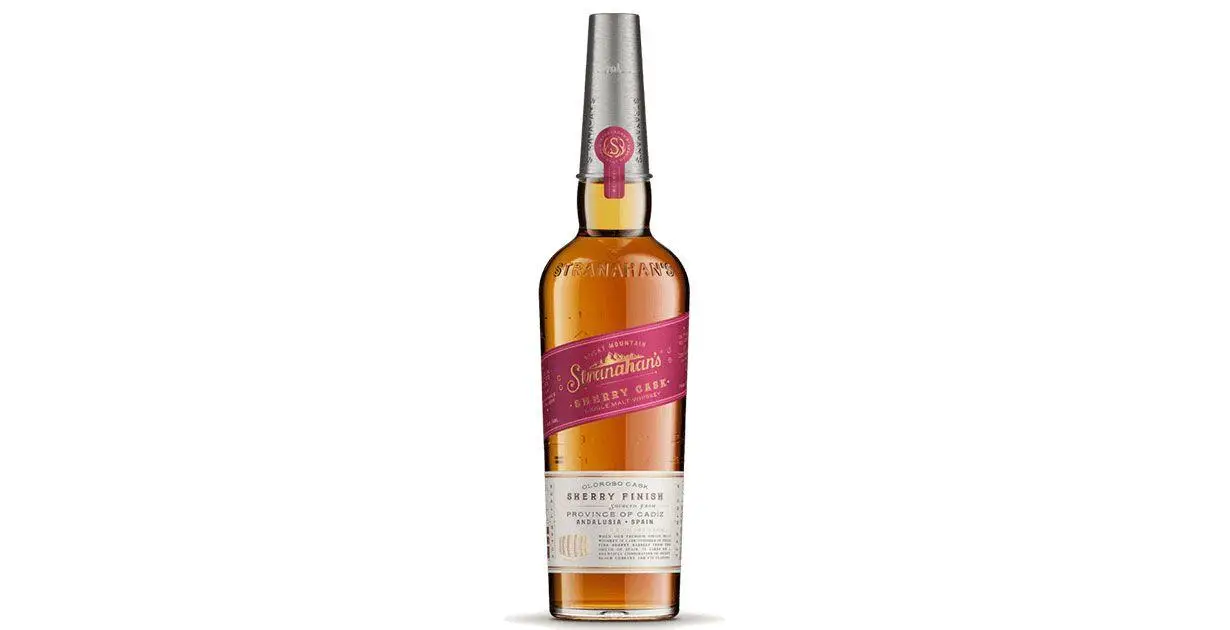
Not every whiskey needs to push boundaries, and Stranahan’s Sherry Cask makes that case quietly and convincingly.
It follows the same core process (100% malted barley, distilled and matured entirely in Denver) before finishing in large Oloroso sherry casks. New American oak brings structure and warmth; the sherry adds depth, dried fruit, and a rounder finish. There’s nothing here that will surprise an experienced single malt drinker, and that’s precisely the point.
What it demonstrates is that American single malt doesn’t need novelty as a crutch. This whiskey works within a familiar framework and holds its own comfortably. For anyone still on the fence about the category, it’s an honest and approachable entry point.
The Notch 8 Year Old
Medal: Gold
Tasting Notes: Baking spice, cigar box, bergamot and butter crunch with a nose of dried apricot and hints of rosa rugosa
Find Your Next Bottle: $250

Triple Eight Distillery sits on an island off the coast of Massachusetts, and the Notch range is very much a product of that place.
It starts with Maris Otter barley, a heritage grain that most people associate with brewing rather than distilling, milled and fermented at neighbouring Cisco Brewers before making its way to the still. Triple Eight uses an Arnold Holstein hybrid pot still, which gives them flexibility without sacrificing character.
Maturation focuses here on reconditioned wine casks, which contribute gentle tannins and texture rather than sweetness. Eight years in Nantucket’s coastal air shapes a whiskey that feels lively and precise. It’s the youngest in the range, and it sets the tone well.
The Notch 12 Year Old
Medal: Gold
Tasting Notes: Peach sorbet and aromatic toffee apples on the nose and a vivacious, bright palate of tupelo honey with a nice edge of wood tannins, custard cream, and jammy dodgers
Find Your Next Bottle: $350

This is where the Notch range really comes into focus.
The same foundations apply — Maris Otter barley, brewery fermentation, hybrid pot still — but here the maturation program broadens out. Ex-bourbon, wine, Cognac, and sherry casks all contribute, and the aim isn’t to let any single one dominate.
Twelve years in Nantucket’s coastal environment gives everything time to knit together, with the climate doing its work steadily rather than dramatically.
The result is a whiskey that feels genuinely integrated. It has picked up strong scores across multiple judging panels over the years, and it’s not hard to hear why.
There’s a brightness to it that you don’t always find in older American whiskeys, and the balance feels considered.
The Notch 15 Year Old
Medal: Gold
Tasting Notes: Rounded, stewed, and dried fruit. Robust with upfront dark chocolate and vanilla balanced with drizzled honey, coconut, and spice.
Find Your Next Bottle: $500

Fifteen years is still unusual territory for American single malt, and the Notch earns every one of them.
The process hasn’t changed (Maris Otter, brewery fermentation, careful distillation) but time and a heavier sherry cask influence shift the character noticeably.
The dried fruit and chocolate are more pronounced, the texture richer and more viscous. Nantucket’s coastal conditions, accumulated over a decade and a half, have shaped something that feels integrated.
The 8 year old introduces you to this whiskey’s identity. The 12 year old refines it. The 15 year old deepens it into something that feels fully itself. Rich without being heavy, confident without showing off.
It’s a genuinely impressive achievement, and a strong signal of where this category is heading.
What These Winners Tell Us
Five whiskeys, two distilleries, and no shared playbook. That’s probably the most honest thing these results reveal.
Stranahan’s has built its reputation on curiosity: beer casks, altitude, annual releases that keep you coming back to see what’s changed. Triple Eight takes the opposite approach, letting Nantucket’s coastal air and unhurried time do the talking. Neither is trying to be the other, and both are winning gold medals for it.
That’s what makes American single malt genuinely interesting right now. The formal definition that arrived in January 2025 gives the category structure and credibility, but it hasn’t narrowed it. If anything, it’s given distilleries a clearer stage to be themselves on.
What’s emerging isn’t a house style, but a conversation. And it’s only getting more interesting.
 Latest On The Whiskey Wash