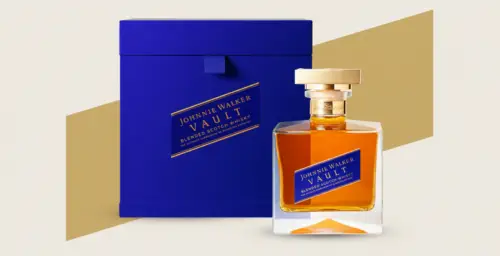


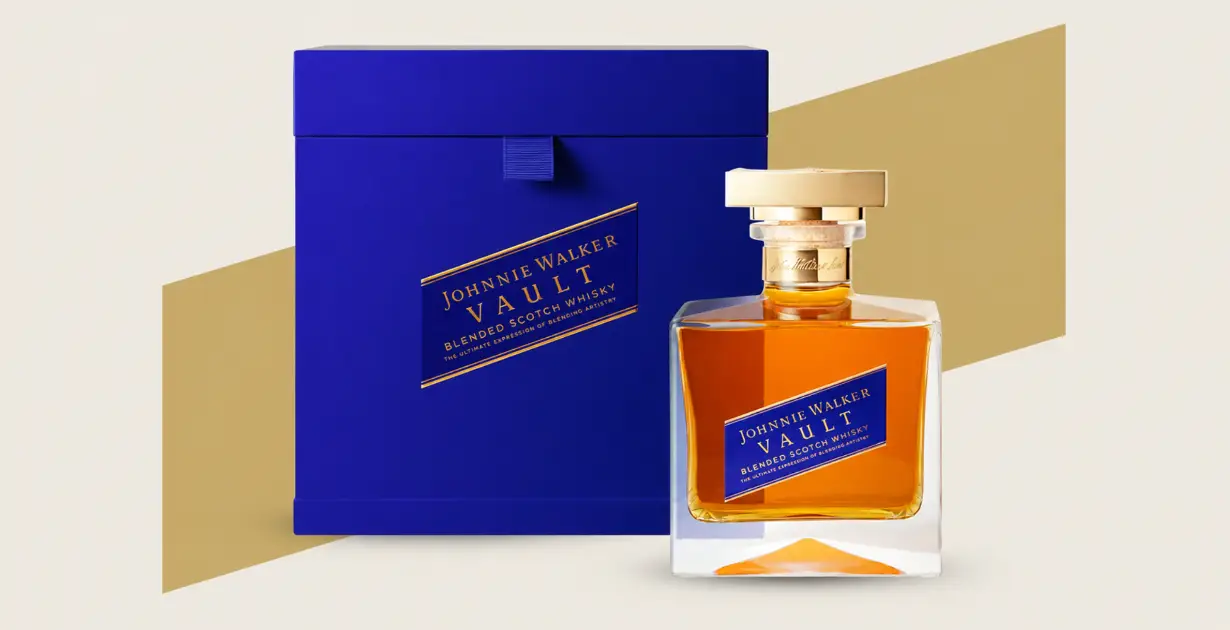
Johnnie Walker’s newest whisky, Vault, costs £1,100 a bottle, and the distillery at its heart was brought back to life more than half a century ago because Johnnie Walker’s blenders were running short of smoke.
Diageo launched Vault on October 14 as the brand’s first permanent prestige whisky, a step beyond the familiar color-coded labels. Its centerpiece is Brora, a small distillery on the Sutherland coast in Scotland’s far north whose name is better known in auction rooms than in most drinks cabinets. Master blender Dr. Emma Walker has combined Brora distilled before the distillery closed in 1983 with younger Brora made since it reopened in 2021, which Diageo says is the first time the new spirit has gone into any Johnnie Walker. For a Johnnie Walker drinker, Vault is less a stranger’s whisky than a homecoming, because Brora was revived in the first place to feed the brand’s blends.
That story starts on Islay, in the dry summer of 1968.
Quick whisky question
Single malt is everywhere, but what does it mean? We want to know what the word “single” means to you. Three quick questions, under a minute.
Why Johnnie Walker Needed Brora
Johnnie Walker’s recipes have long leaned on smoky Islay malt. In 1968 a drought left Port Ellen without water, and its owner, the Distillers Company Limited (DCL), faced a shortfall of around 40,000 proof gallons across its Islay distilleries. Sales of Johnnie Walker were climbing fast, so the company looked for a cheaper way to make Islay-style whisky on the mainland.
It found one in the village of Brora, where a distillery founded as Clynelish in 1819 had just been replaced by a large modern Clynelish built next door. The Walker company had held a stake in the old distillery since 1916. After peating trials at the Port Dundas grain distillery in Glasgow, DCL brought the old stills back into use and named the site Brora in December 1969.
From 1970 Brora made a heavily peated malt, using barley peated to 45 ppm phenols, with Islay and Talisker as its models and the smoke at its strongest between 1970 and 1973. Mike Billett, author of Peat and Whisky: The Unbreakable Bond, calls the 1972 vintage “the most famous Brora single malt vintage of them all.” By July 1973 Islay was back at full strength, with a rebuilt Caol Ila turning out plenty of peated malt, and Brora’s own peating fell to around 7 ppm, the usual Highland level.
What Will Whisky Look Like in 2027? Voices from Whisky Live Paris
READ THE STORYHow a Workhorse Became a Ghost Distillery
Whisky drinkers call a closed distillery whose casks are still being bottled a ghost, and Brora became one of the most celebrated. A glut of maturing whisky in the early 1980s led DCL to close 11 malt distilleries in 1983, Brora and Port Ellen among them, and the stills went cold with no plan to restart them.
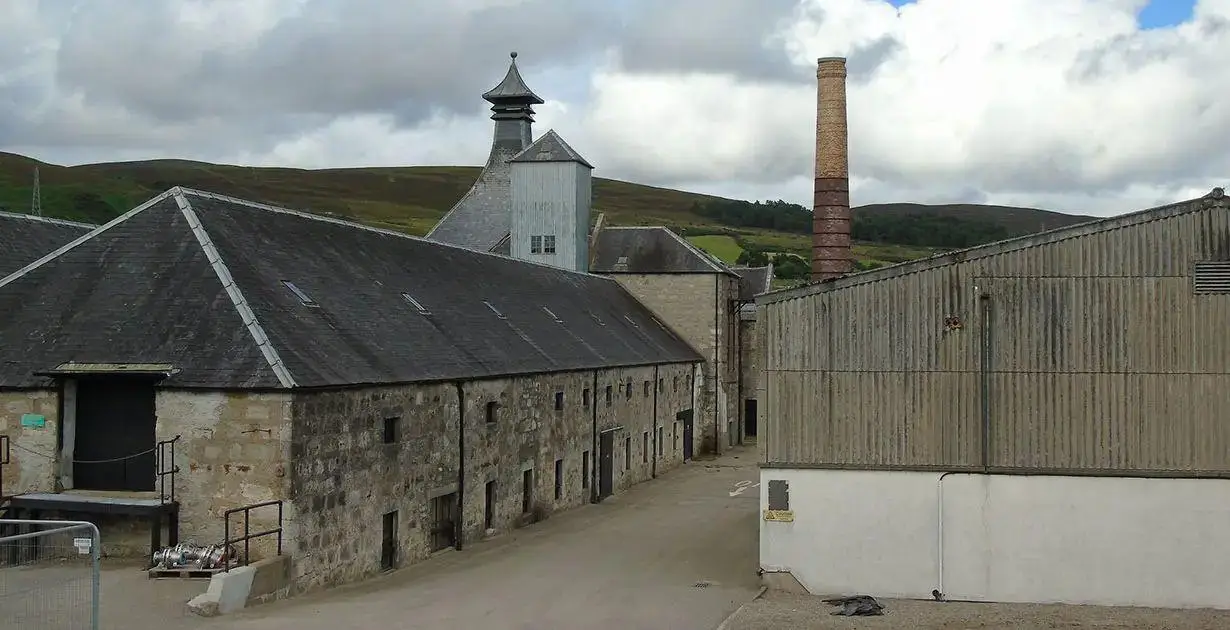
With no new spirit being made, every remaining cask grew scarcer and older, and Brora moved from blenders’ inventories to collectors’ wish lists. Iris, a 50 year old that is the oldest Brora ever bottled, raised £400,000 for charity at Sotheby’s.
Some Johnnie Walker fans have already tasted old Brora, because in 2017 the brand released Blue Label Ghost & Rare Brora. That 46% ABV blend, priced at about £220, paired Brora with whisky from the closed Pittyvaich and Cambus distilleries.
What Is Inside Johnnie Walker Vault
Diageo brought Brora back into production on May 19, 2021, as part of a £35 million program that also covered Port Ellen. It refurbished the original pot stills and filled the first cask of new Brora in more than 38 years. The rebuilt distillery cools its spirit in wooden worm tubs. Like Clynelish next door, it also leaves residue in its low wines and feints receiver, the practice behind Clynelish’s famous waxy texture.
Brora now makes both peated and unpeated spirit, and Diageo has not said which kind is in Vault, how old the young Brora is or how much of the blend it makes up. The older Brora is just as undefined, since it could come from the smoky early 1970s or the gentler decade that followed.
Diageo lists three more components, each familiar to Johnnie Walker drinkers: Clynelish, the core malt of Gold Label Reserve; Cardhu, the Speyside distillery the Walker family bought in 1893; and grain whisky from Port Dundas. Vault is bottled at 43.8% ABV with no age statement, and Johnnie Walker’s own tasting notes describe butterscotch, dried apricot, Seville marmalade and “gentle smoke.” It is on sale at Harrods, at The Johnnie Walker Experience in Edinburgh and online through Justerini & Brooks.
A Permanent Whisky Made From Finite Casks
Port Dundas, the Glasgow grain distillery where Brora’s peating trials took place, stopped distilling in 2011 and has since been demolished, so its whisky exists only in the casks that remain. Pre-1983 Brora is finite in the same way, and Diageo has not said how much of either it holds or how Vault will change as those stocks run down.
The reopened distillery is what makes a permanent Vault workable, with new Brora likely to carry more of the blend as the old casks thin out. Until Diageo explains how future batches will be built, drinkers should expect the name on the bottle to stay the same while the whisky behind it slowly changes.
For Johnnie Walker fans meeting Brora for the first time, the bottle tells a family story. The brand’s thirst for smoke created the distillery under that name, and its newest spirit now sits among the rarest whiskies the brand sells. Brora first came back to life to keep the blenders supplied, and half a century on, the blenders are once again the ones who need it most.
 Latest On The Whiskey Wash