




I decided to put myself through something a little uncomfortable this week. I lined up five Canadian ryes, scrambled the glasses so I genuinely had no idea what was what, and tasted them semi-blind with one simple goal: to find out which one I liked best. No agenda, no favouritism, just the whisky in the glass. And honestly? By the end of it I kept asking myself why I did this to myself, because every single one of them was delicious.
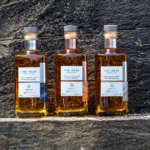
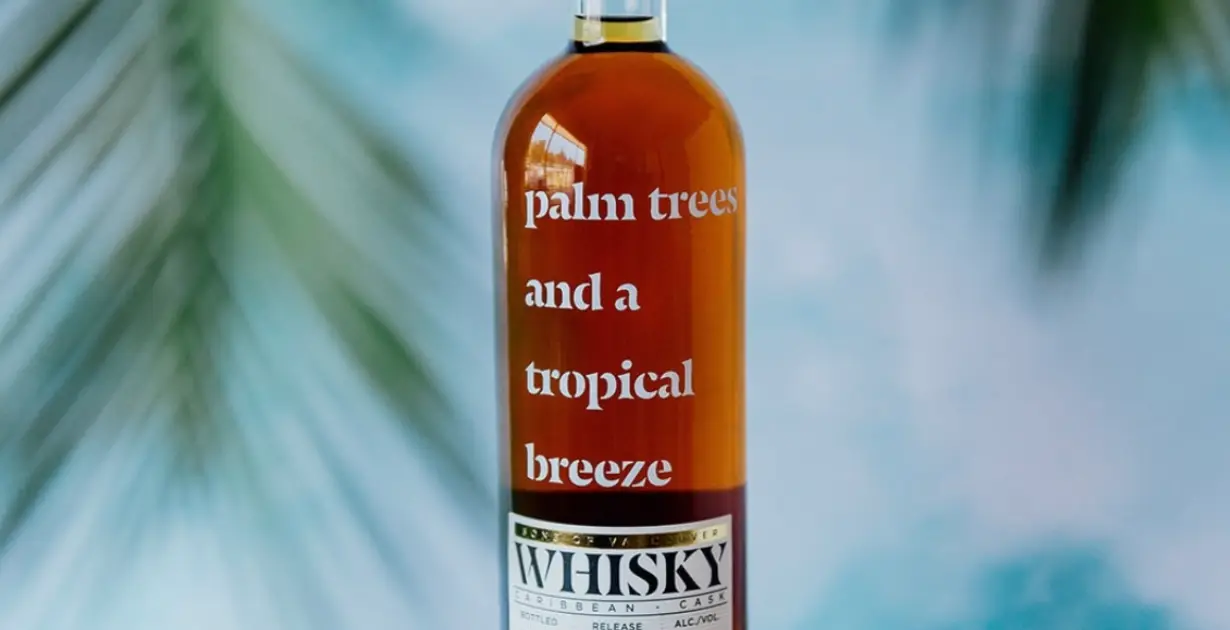
The lineup was almost entirely older Canadian rye, with one exception. I threw in the Sons of Vancouver, a four-year-old finished in Caribbean rum casks, because I had it on hand to review.
The rest were more seasoned: the Alberta Premium 10-Year-Old Cask Strength at a punchy 67 percent, the John Sleeman and Sons Pedro Ximenez finished six-year-old, a nine-year-old from Baldur’s out of Saskatchewan, and the 10-year-old expression from Dillon’s, aged entirely in Ontario oak.
Quick whisky question
Single malt is everywhere, but what does it mean? We want to know what the word “single” means to you. Three quick questions, under a minute.
Five glasses, five very different stories.
What struck me first was how well these whiskies masked their true nature. The Sons of Vancouver drinks far older than four years, and that rum finish works beautifully with their style.
The Sleeman PX finish shocked me most of all, because it neither smelled nor tasted like there was any Pedro Ximenez influence in there at all, yet it landed at a superb 87.
What Will Whisky Look Like in 2027? Voices from Whisky Live Paris
READ THE STORYThe Dillon’s, sitting in Ontario oak I suspect very few distilleries are even using, drank nowhere near its 54.1% strength. Smooth, composed, and genuinely impressive.
Then came the reveals, and a couple of humbling moments. I got two of them wrong, which I was actually happy about, because it reminded me these whiskies keep you honest. In the end, the Baldur’s nine-year-old took first place, edging out the field with an 88. I had wrongly assumed its 3% wheat was weighing it down, when in reality it was carrying the whole thing beautifully.
The real value story, though, was the Alberta Premium 10. A 10-year-old cask strength whisky at 52 dollars on sale is almost unheard of, and with a splash of water it could genuinely challenge everything else on the table.
The bigger takeaway is this: I am incredibly proud of where Canadian whisky sits right now, and prouder still of what these rye producers are doing. Every one of these is worth buying. So here is my question to you: which Canadian rye has surprised you the most lately, and is your palate as susceptible to certain notes as mine is?
To see my blind tasting of all 5 ryes, check out my YouTube video.
 Latest On The Whiskey Wash