




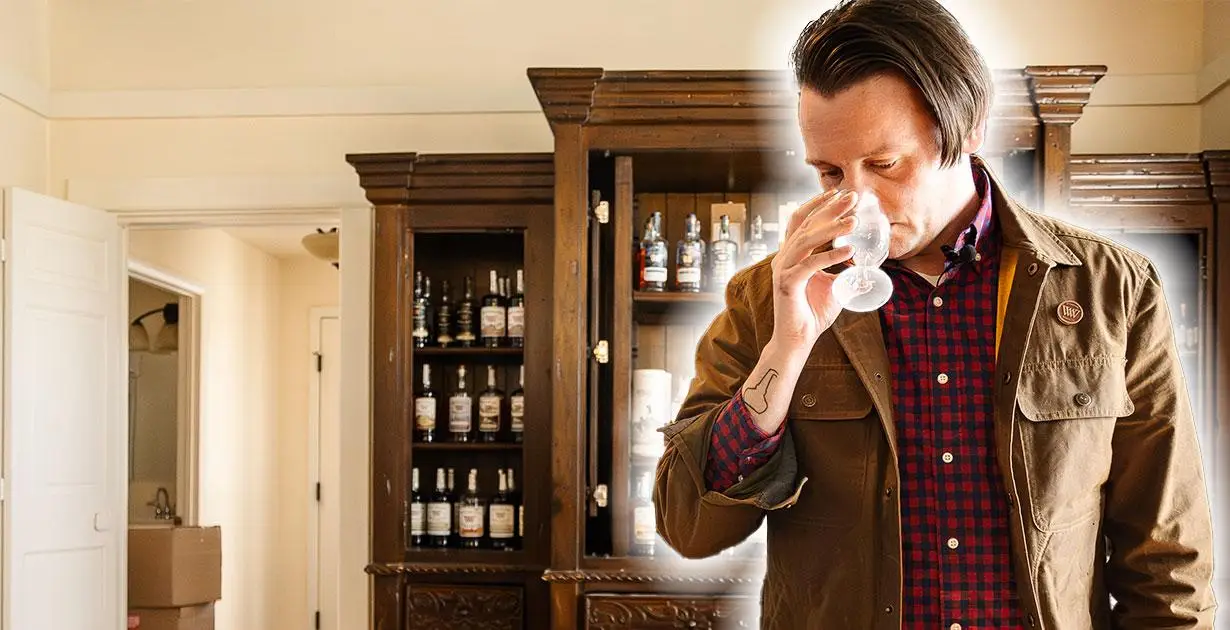
Wyoming Whiskey is carving out its own place in the bourbon world, shaped by extreme climate, local grains, and a pioneering spirit.
We sat down with Master Blender Brendan Cook to talk about how Wyoming’s rugged landscape influences maturation, the legacy of Nancy Fraley, and what it means to create a truly Western bourbon.
From sherry casks to terroir-driven flavor, Brendan shares how he’s carrying the brand forward while staying true to its roots.
What Will Whisky Look Like in 2027? Voices from Whisky Live Paris
READ THE STORY1. You’ve worked with both Scotch and Canadian whisky. How has that experience shaped the way you approach blending bourbon at Wyoming Whiskey?
I’ve been fortunate to work across several whisk(e)y categories, each with its own set of regulations and traditions. That kind of variety pushes you to think creatively, respect the craft, and adapt your approach.
Scotch taught me the importance of understanding a distillery’s unique character, how it interacts with different cask types, and how those casks shape maturation. Canadian whisky, by contrast, demands a deep grasp of your raw ingredients and how they evolve over time.
Wyoming’s climate shares a lot of similarities with Canada’s, but our mashbill and the layout of our warehouses have given me a chance to see how our spirit responds in this environment. One thing I’m especially excited about is tapping into our parent company’s supply chain—Edrington, home to The Macallan, Highland Park, and Glenrothes—to source the finest sherry casks available. I believe these casks will bring even more depth, complexity, and character to our Double Cask product.
 Trending Content
2. Wyoming’s climate is extreme compared to traditional bourbon regions. How do daily temperature swings and dry air influence your blending decisions?
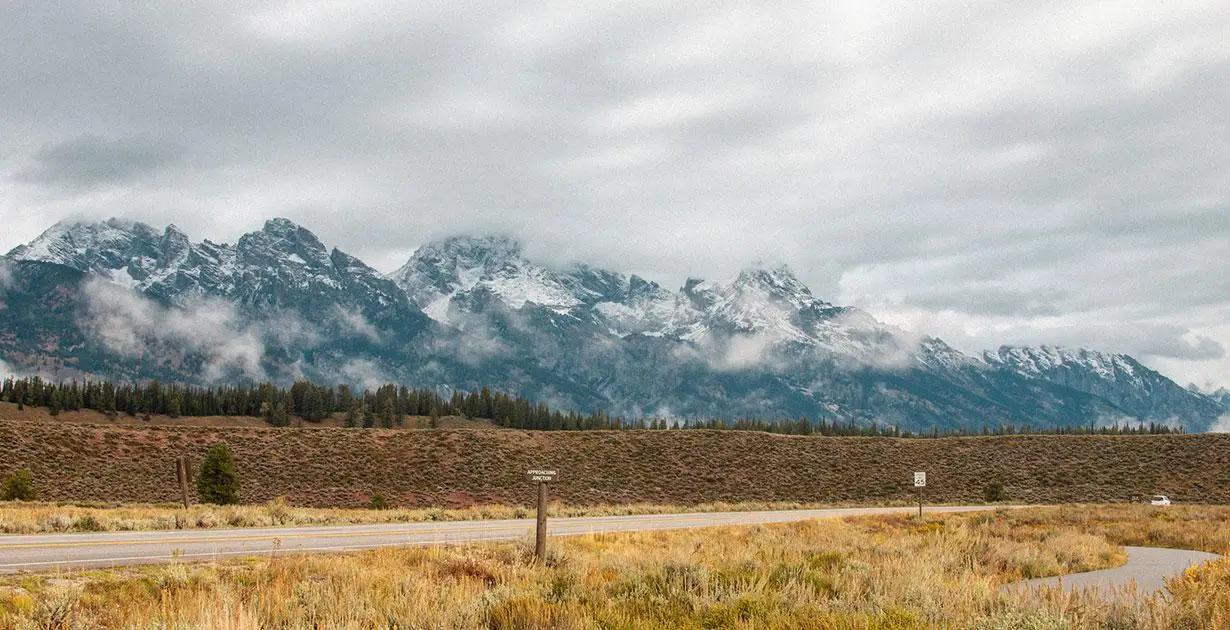
Our climate creates a truly unique environment for maturation. In the summer, the top racks in our warehouses can reach 115°F, while the bottom stays closer to 68°F. That kind of temperature spread leads to dramatic differences in how each barrel develops. Then, during the cold winters, the interaction between spirit and wood slows down, which can result in a surprisingly delicate profile. This natural variation is what gives us such a wide range of flavor expressions.
We define these as our pillars of flavor: Caramel, Orange, Vanilla, Dark Dried Fruits, and Spice. By understanding how each position in the warehouse influences the spirit, we’re able to craft whiskeys that are both consistent and full of character.
3. Nancy Fraley played a pivotal role in establishing Wyoming Whiskey’s identity. How do you balance building on her legacy with bringing your own style to the blends?
Steve Nally, our founding distiller, laid the foundation for Wyoming Whiskey. He created the original mashbill and set the vision for what this brand could become. Nancy Fraley followed in his footsteps, playing a pivotal role in shaping our identity. She established the flavor pillars that still guide us today, and she mentored our lead blender, Nichole Martens, who remains a vital part of our team.
That lineage reminds us of something important: we’re all stewards of the brand, each building on the work of those who came before. My approach is rooted in that same philosophy. I see it as my responsibility to honor the character of the distillery and the remarkable people who shaped it, making sure that what we do today supports the brand’s future. I’m not here to reinvent what Nancy built, but to carry it forward thoughtfully and with respect.
At the same time, every blender brings their own perspective. For me, that means leaning into my background with cask maturation, especially sherry and wine casks, and exploring how those influences can add new dimensions to our whiskey, while preserving Wyoming’s distinctive identity. It’s about evolution, not disruption.
4. You’ve spoken about terroir and the role of place in bourbon. What does a distinctly “Western bourbon” style mean to you, and how do you express that in the spirit?
To me, a Western bourbon should be a true reflection of the land it comes from. At Wyoming Whiskey, that means grains grown in the Bighorn Basin, water drawn from a mile-deep aquifer beneath the Madison Formation, and barrels aging in a climate defined by dramatic temperature swings; conditions you won’t find anywhere else.
The result is a whiskey with bold structure and richness, yet surprisingly smooth and nuanced. A “Western bourbon” embodies the vastness and ruggedness of the landscape while remaining authentic and approachable. Every sip carries a sense of Wyoming’s wide-open spaces, its strength, and its character.
5. Can you walk me through your cask monitoring process and how it informs the way you assemble a final blend?
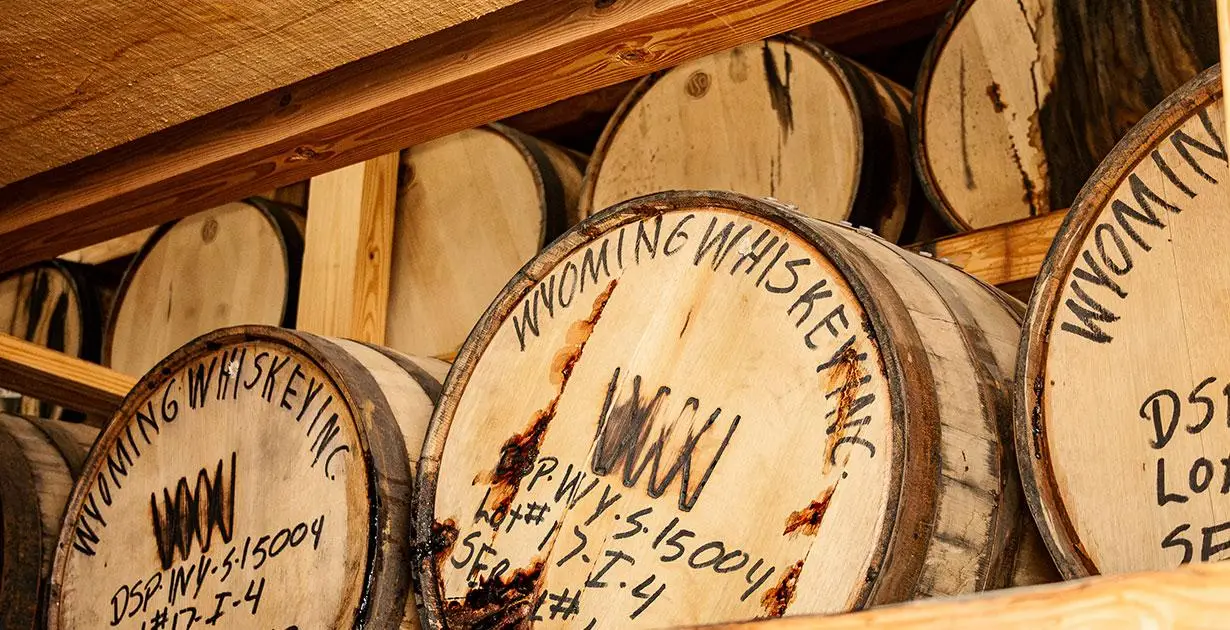
We sample barrels year-round, which is critical in Wyoming because of the dramatic climate swings. Being on-site allows me to track how a barrel is evolving week to week.
I keep detailed notes on where each barrel is in its journey, so when it comes time to build a blend, I know which casks will bring forward our distinct flavor pillars. Blending is about bringing those flavors into balance, making sure every bottle celebrates what makes Wyoming unique.
6. Looking ahead, are there any specific ways in which you hope to showcase whiskey in the West through your role at Wyoming Whiskey?
I’d like to continue showing that world-class bourbon doesn’t have to come from Kentucky. The West has its own story to tell, and Wyoming Whiskey is proof of that. Going forward, I see opportunities to deepen our use of cask finishes and to highlight how terroir shapes whiskey in ways people might not expect from bourbon.
More than anything, I want people to taste a glass of Wyoming Whiskey and feel that it couldn’t have come from anywhere else. That sense of place is what makes us distinct, and it’s what I’m most excited to keep sharing.