

Japanese whisky has seen significant price increases over the past decade. A surge in global demand, coupled with limited stocks and relatively small production volumes, has pushed many bottles into premium territory. In some cases, prices now rival, or even exceed, established luxury scotch whiskies.
For Japanese whisky fans, that can make regular purchases harder to justify. The quality remains high, but value is no longer guaranteed. As a result, some Japanese whisky drinkers may find themselves looking elsewhere.
Japanese whisky has its own distinct identity. The careful blending tradition, precise distillation styles, and the occasional use of Mizunara oak all contribute to its signature character. That said, many of the flavour profiles that drinkers love, such as elegant fruit, subtle smoke, refined spice, and balance, can be found beyond Japan.
Quick whisky question
Single malt is everywhere, but what does it mean? We want to know what the word “single” means to you. Three quick questions, under a minute.
Believe it or not, one of the best places to look is Scotland. Here are several bottles that mirror the profiles of well-known Japanese whiskies, often at more accessible prices and with impressive quality to match.
1. Chorlton Whisky Linkwood 15 Year Old (57.5%, $95)
Alternative to Yamazaki

Here’s the specific one. Yamazaki has always centred on big fruity notes with sweet cooking spices such as cinnamon and nutmeg. This Linkwood, bottled by David at Chorlton Whiskies, is a truly impressive alternative.
There are lots of ripe, rich fruit notes on the nose, with just as much intensity on the palate. It focuses less on sweet baking spices and more on softer spice tones, finishing with a lovely waxy character. It is cask strength, but it certainly does not feel like it. Compared to most bottles of Yamazaki, this is just as flavourful, older, and arguably better value overall.
What Will Whisky Look Like in 2027? Voices from Whisky Live Paris
READ THE STORY2. Scapa 10 Year Old (48%, $50)
Alternative to Hakushu

I have spoken a lot about Scapa’s relaunch over the last few months, and it is quickly becoming a strong alternative to many expensive bottles. I loved Hakushu, but it has simply become too expensive to justify keeping on my shelf. It is excellent whisky, but not necessarily worth the current asking prices.
Scapa 10 Year Old delivers plenty of tropical fruit notes alongside a pleasant level of barrel influence. Bottled at 48%, it also gives you more ABV for your money, as well as a lower price than even entry-level Hakushu. There is no peat here, but in Hakushu the peat influence can often be quite subtle anyway.
3. Compass Box Nectarosity (46%, $50)
Alternative to Hibiki

I remember my first taste of Hibiki. It was a defining moment in my early whisky journey. It was delicious.
However, even with demand still strong, you can easily find something just as tasty for less money, and often with more character. Nectarosity combines single malts from Balmenach, Linkwood, and Clynelish, along with grain whisky from Cameronbridge, matured in a range of barrel types.
It is sweet and fruity, with attractive drying notes from American oak. It does lack some of the saltier, herbaceous qualities found in certain batches of Hibiki, but it remains a very strong alternative.
4. Torabhaig Allt Gleann (46%, $50)
Alternative to Yoichi
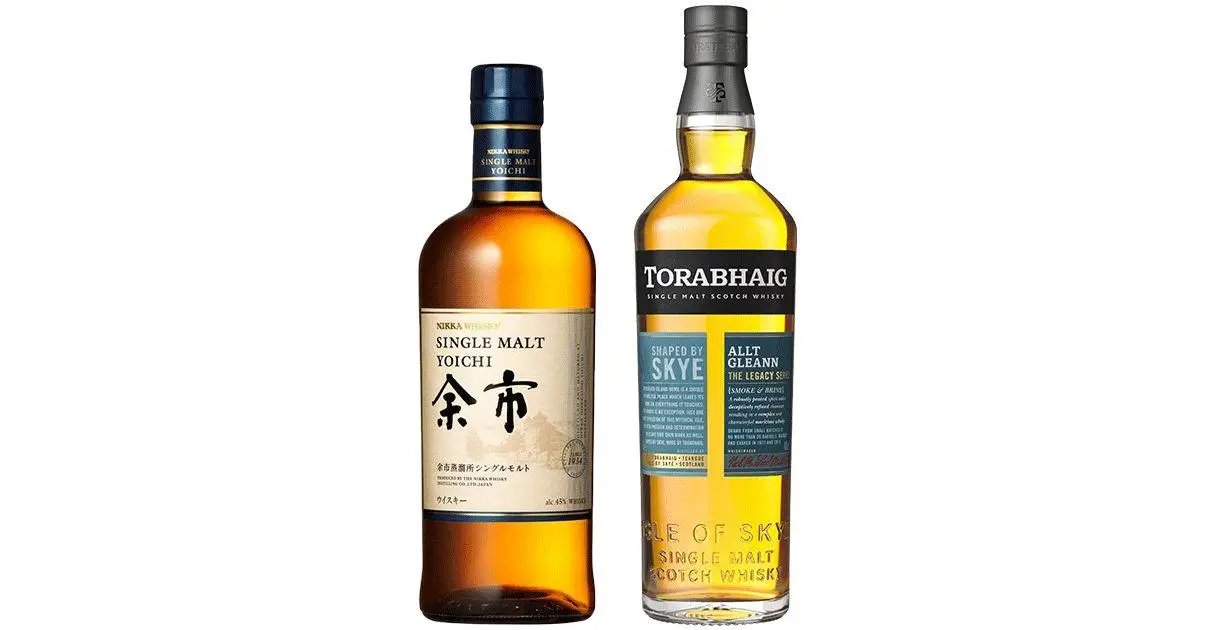
Looking for something with Yoichi’s subtle smoke but with a little more to offer? Enter Torabhaig.
This newer distillery on the Isle of Skye has quickly captured my attention when it comes to peated whisky, especially styles that remain balanced and restrained. The malt is heavily peated before distillation, yet the final result leans toward smoked caramel, sweet vanilla, gentle salinity, and milk chocolate.
It is an excellent bottle of whisky. As much as I enjoy Yoichi, this expression offers remarkable depth for the price.
5. GlenAllachie 12 Year Old (46%, $56)
Alternative to Miyagikyo
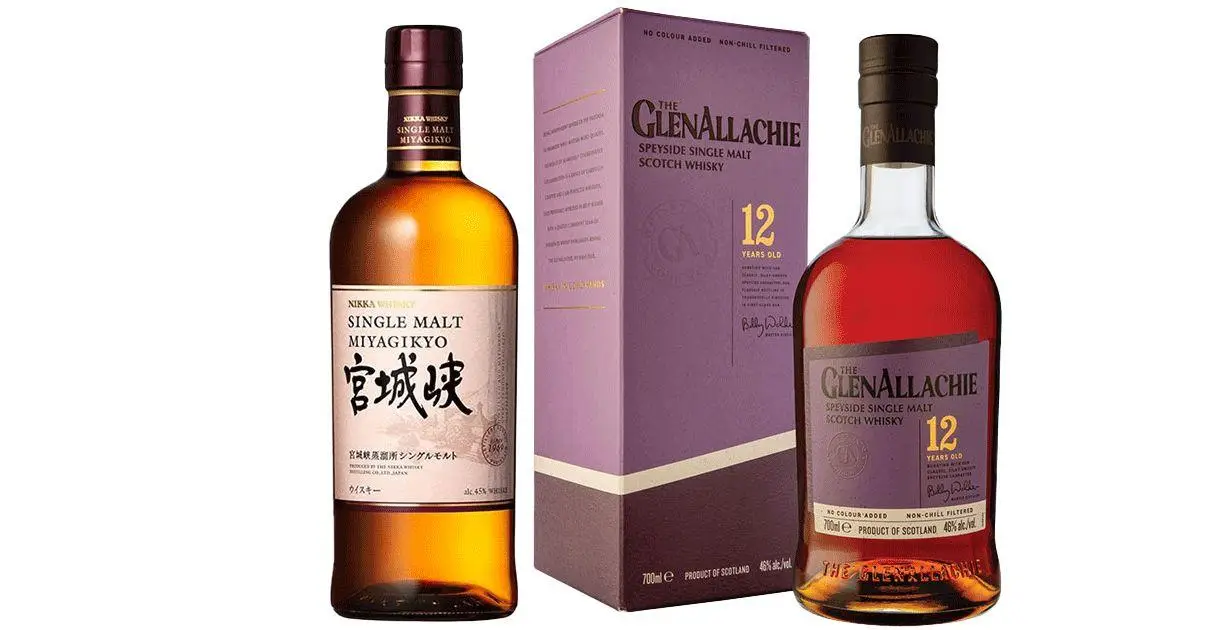
This is a bottle that receives plenty of attention, and rightly so. Even before it won awards, it was a strong whisky at a well-positioned price.
Miyagikyo often leans toward sherry influence. You could also look at Tamdhu or Macallan for a similar profile, but when it comes to value, Glenallachie is difficult to beat. It consistently delivers rich flavour at a price that undercuts many competitors.
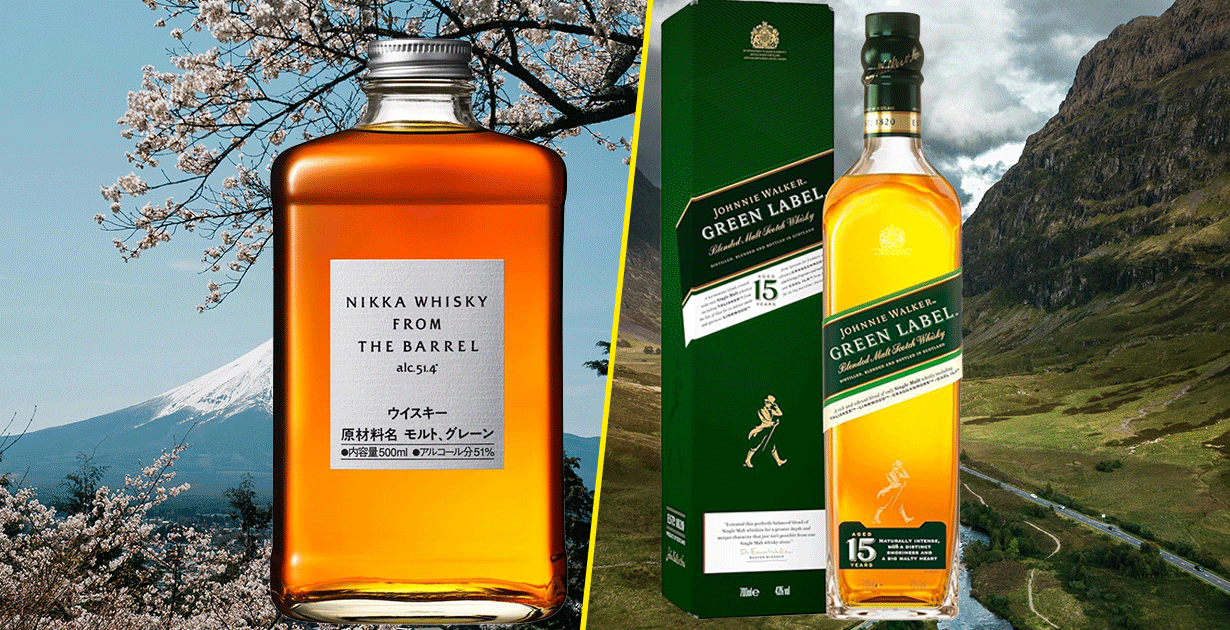
6. Johnnie Walker Green Label (43%, $56)
Alternative to Nikka From The Barrel
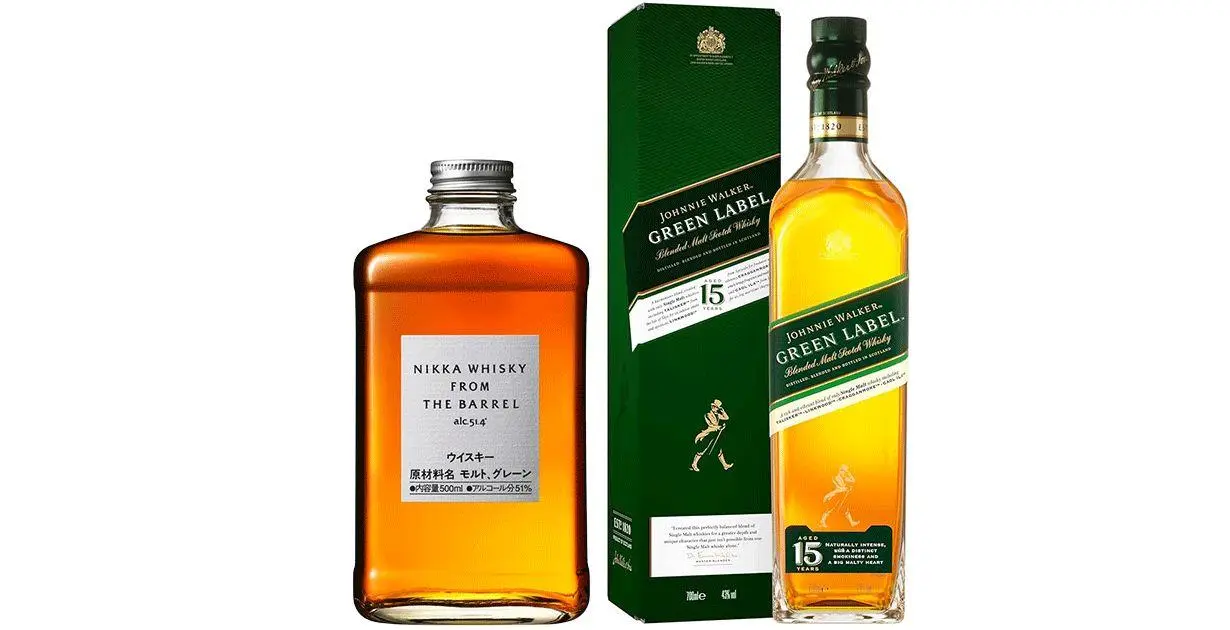
They say if it is not broken, do not fix it. Nikka has not needed to change From The Barrel in decades, and credit to them for that.
However, even with its relatively reasonable price, despite the 50cl format, Johnnie Walker Green Label often offers a broader range of flavours and style, in my opinion. You also get an extra 20cl of whisky for roughly the same price. Although Green Label sits at a lower ABV than Nikka From The Barrel, its older components tend to produce a bigger, warmer, and longer-lasting finish.
7. Glen Scotia 15 Year Old (46%, $79)
Alternative to Kanosuke

Kanosuke’s standard white label release contains a small proportion of peated malt whisky. My comparison here does not, yet Glen Scotia still makes a compelling alternative.
You could argue that Glen Scotia currently offers one of the most varied flavour ranges of any distillery. The 15-year-old delivers coconut, caramel, baked lemon, soft salinity, and a powerful finish. It is a genuinely impressive bottle.
Conclusion
Japanese whisky remains exceptional, but you will often find yourself paying more for arguably less, particularly in terms of age and value. Production remains relatively small, despite ownership by major conglomerates, and demand over the past decade has been intense.
Scottish whisky, by contrast, continues to offer stronger value for similar flavour profiles and is generally a safer visit to the retailer when it comes to protecting your wallet.
 Latest On The Whiskey Wash