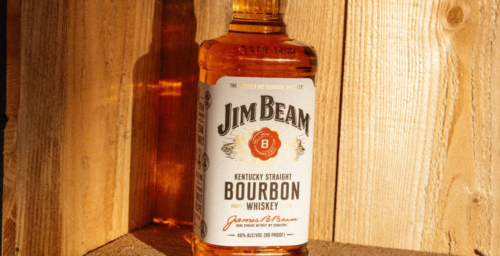




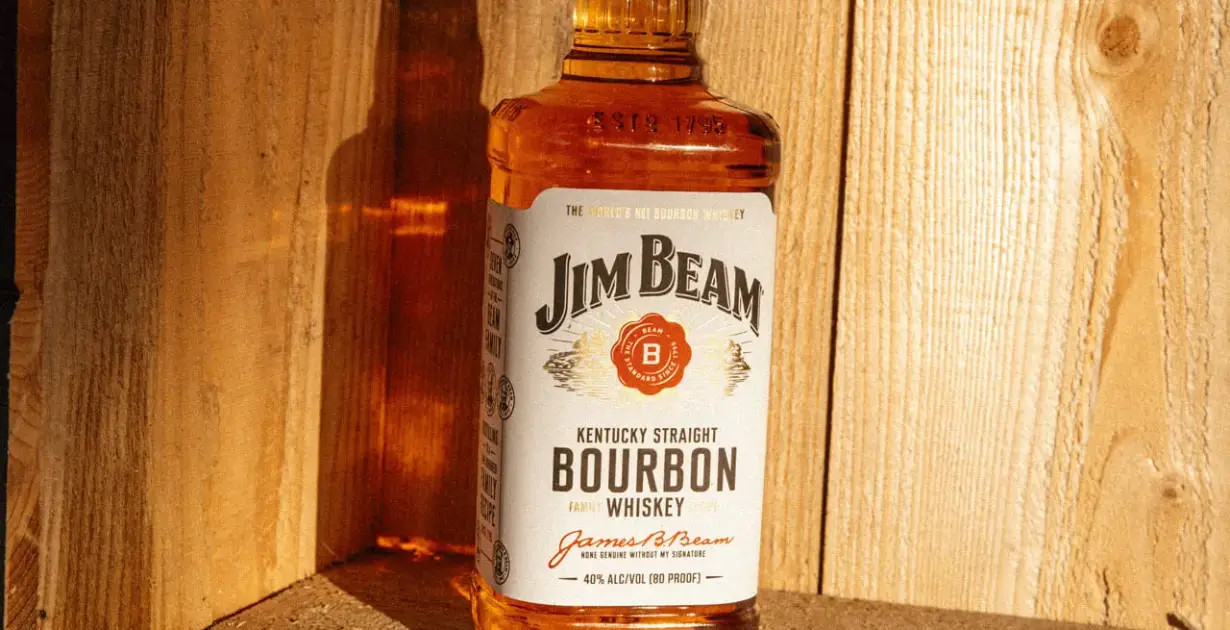
Jim Beam is the best-selling bourbon in the world by a wide margin. In 2025, the brand sold 16.7 million nine-liter cases in 2025, putting it more than three million cases ahead of Jack Daniel’s.
Behind those numbers is a family business with a history going back more than two centuries, to 1795. Over seven generations, the Beam family has made it through Prohibition and the bourbon slump of the 1970s, and plenty of interesting stories have come out of it along the way.
Here are five things you might not know about Jim Beam, from the brand the family lost after Prohibition to the time the distillery helped a rival get back on its feet after a fire.
Quick whisky question
Single malt is everywhere, but what does it mean? We want to know what the word “single” means to you. Three quick questions, under a minute.
1. Jim Beam’s Original Flagship Bourbon Was “Old Tub”
Long before the Jim Beam name went on a bottle, the family’s bourbon was sold as Old Tub. According to the Jim Beam company history, founder Jacob Beam handed the distillery to his son, David, in 1820, and David named the bourbon Old Tub to match the name of the distillery.
In 1854, David moved the business to Nelson County, Kentucky, as D. M. Beam & Company, setting up close to a planned railroad extension. Being near the tracks meant he could ship Old Tub to customers in both the North and the South, and he branded every bottle he sent out.
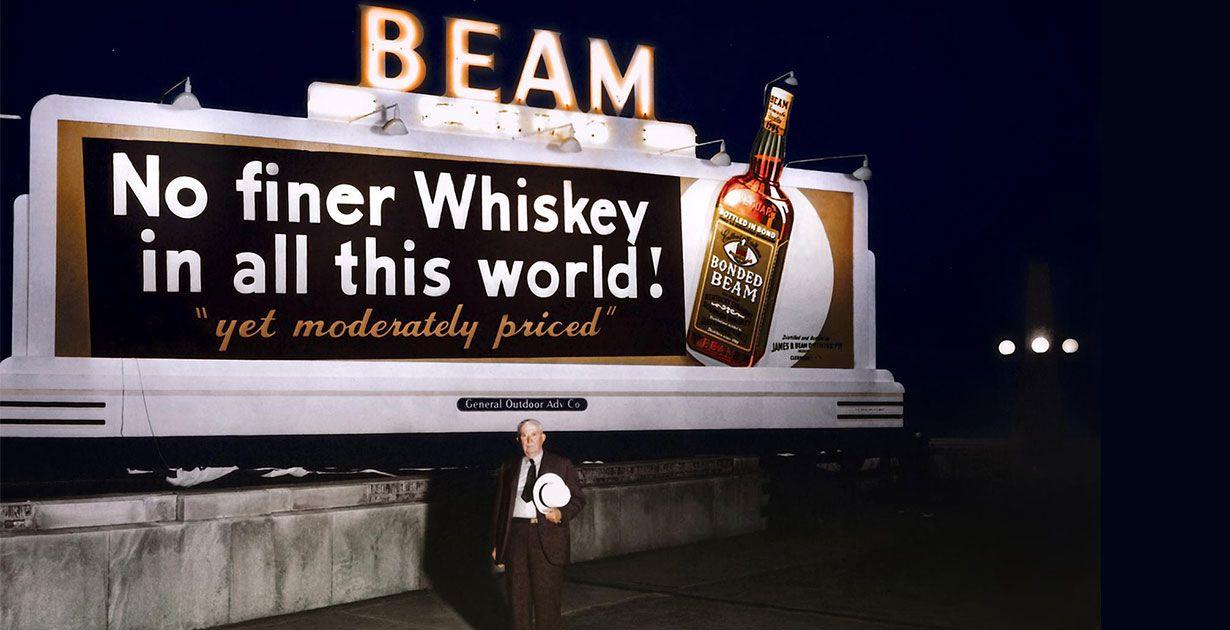
By the time James Beauregard “Jim” Beam took over in 1894, Old Tub was a national bourbon brand. Prohibition shut the distillery in 1920, and when Jim started distilling again after Repeal, he couldn’t use the name. The first batch went on sale in 1935 as Colonel James B. Beam Bourbon, “since he no longer owned the rights to the Old Tub name.”
What Will Whisky Look Like in 2027? Voices from Whisky Live Paris
READ THE STORYJim’s son, T. Jeremiah Beam, then quickly gave the bourbon the Jim Beam name it still carries today.
2. Jim Beam Had To Give Up Distilling for Over 10 Years
Before Prohibition, Jim Beam ran the family’s Clear Springs Distilling Company. When it was forced to close in 1920, he was 55 years old, and according to Susan Reigler’s Kentucky Bourbon, he turned to coal mining to make a living.
In the same year, he bought the site of the old Murphy, Barber & Company distillery in Clermont, Kentucky, according to a 2010 press release from Jim Beam.
After Repeal in 1933, Reigler writes, Jim persuaded a group of Chicago investors led by businessman Harry Blum to back a new distillery on the Clermont site. The plant was rebuilt in just 120 days.
By 1935, Jim was in his early 70s and making bourbon again after 15 years away. Reigler describes him as being back at work “though not as a distillery owner,” even though his name would soon be on the label of every bottle.
3. Jim Beam’s Yeast Strain Came From His Backyard
When Jim Beam went back to distilling after Prohibition, he needed a yeast strain to ferment his bourbon, and family legend says he found one at home in Bardstown. Reigler writes that “Jim Beam captured that strain from the air in his Bardstown backyard when he returned to distilling after Prohibition.”
In American Whiskey, Bourbon & Rye, Clay Risen recounts how Booker Noe, Jim’s grandson, used to tell stories about his grandfather making yeast on the back porch.
Jim was protective of the strain; he reportedly took a jug of it home every weekend for safekeeping. The company still ferments its bourbon with the same strain today.
4. Fred Noe Could Have Been a Truck Driver
Fred Noe is Jim Beam’s great-grandson and the seventh-generation Beam family master distiller, but there was a time when his father warned him against making a career of bourbon.
During the 1970s, bourbon sales dropped as more drinkers switched to vodka and other lighter spirits, and Fred’s father, Booker Noe, didn’t sugarcoat things while Fred was still in high school.
When I spoke to Fred about the relaunch of Jim Beam Black, he reflected on his family’s attitude to entering the industry.
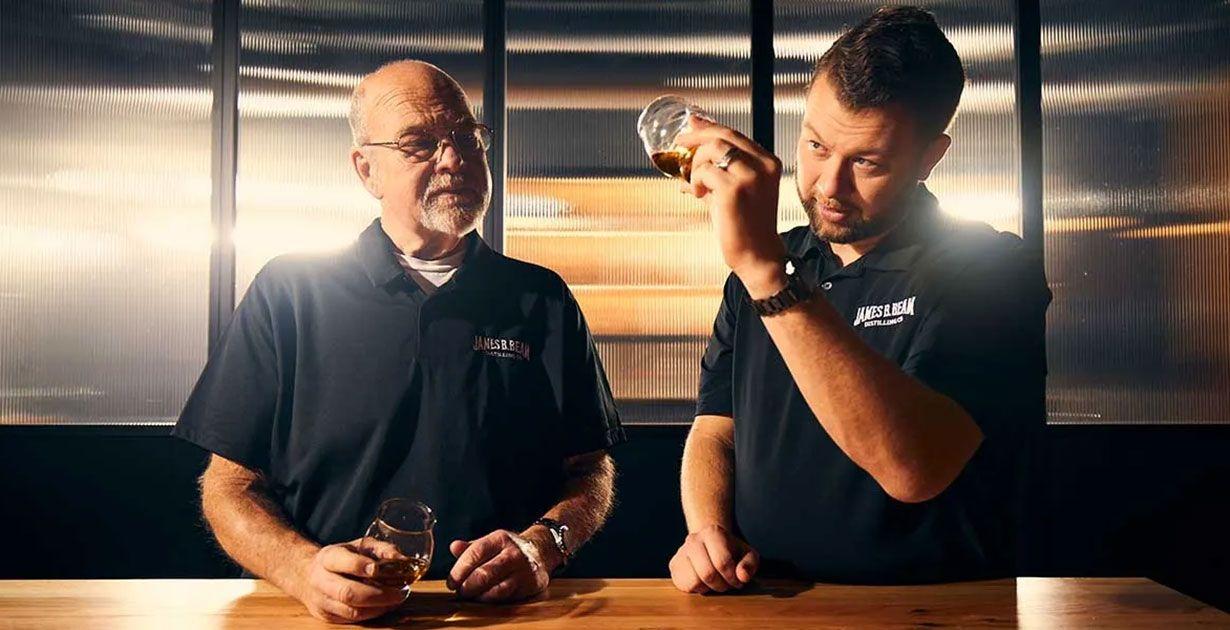
“For myself and my father, and the generations before him, the opportunity was there, but it was never forced,” said Noe. “My Dad even said to me, when I graduated high school in the 70s, ‘Don’t bank on this business being here.’ Bourbon sales were down at that point, so he wanted me to get my college degree so that I could pursue other avenues.”
Thankfully, though, Noe did enter the bourbon industry, and we are all better off for it.
When Reigler asked him what he might have done if bourbon had never made a comeback, Fred had his answer ready: “I would have been a truck driver!” As a young boy, he had loved riding around the distillery in the big trucks that carried barrels and cases of whiskey.
Reigler also noted that Fred’s son, Freddie, would likely have gone into the culinary field if not for bourbon.
5. Jim Beam Helped Save Heaven Hill After a Devastating Fire
On November 7, 1996, high winds were blowing through Bardstown when a fire broke out in Warehouse I at Heaven Hill. The flames moved quickly across the site, and by the time firefighters had the blaze under control, warehouses holding around 90,000 barrels of whiskey had burned. The bottling plant survived but the distillery itself was lost.
Heaven Hill’s competitors stepped in to help. In Kentucky Bourbon, Reigler writes, “The catastrophe easily could have ended Heaven Hill, but other Kentucky distilleries, including Jim Beam and Old Forester, offered to make Heaven Hill’s Bourbons until the company could replace its distillery.”
Jim Beam and Brown-Forman, the company behind Old Forester, made the whiskey using Heaven Hill’s own mash bills. They even used its yeast, which, according to Reigler, had made it through the fire in a heavily insulated freezer. The arrangement carried on until 1999, when Heaven Hill bought the Bernheim distillery in Louisville from United Distillers, now part of Diageo.
Seven Generations On
From Old Tub and the Clermont rebuild to Fred Noe’s trucks and the Heaven Hill fire, the Beam family’s story covers a lot of ground, and there’s far more to it than I could fit into five facts.
If you’d like to read more, Susan Reigler’s Kentucky Bourbon and Clay Risen’s American Whiskey, Bourbon & Rye are both well worth picking up.
 Latest On The Whiskey Wash