Ailsa Bay Single Malt
Bunnahabhain 12-Year-Old
Islay’s Bunnahabhain distillery isn’t just a powerful counterexample to proponents of phonics; it’s also a counterexample for those who think all Islay whisky must be pungently peaty. Sure, technically Islay’s peat-rich water supply means Bunnahabhain has a handful of parts per million phenols, but you’d be hard-pressed to detect anything smoky in Bunnahabhain 12-Year-Old’s sweet, nutty flavor.
What Will Whisky Look Like in 2027? Voices from Whisky Live Paris
READ THE STORYGlengoyne 12-Year-Old
There are a couple of reasons that Highland malt Glengoyne drinks like a Lowland whisky. It’s made entirely of unpeated malt, and it’s distilled in the Highlands but matured in the Lowlands. Whether that last bit impacts its flavor is tough to say, but Glengoyne 12-Year-Old most certainly delivers a mellow, citrusy flavor and silky body unencumbered with smoke or smolder.
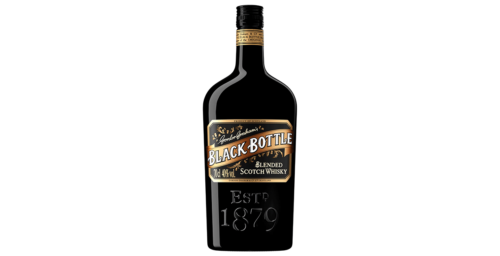
A notable whisky professional once told me his favorite ringer to throw into a flight of single malts was a pour of Johnnie Walker Black Label. This mass-market blended whisky routinely fools maltheads into thinking it’s a more prestigious—and expensive—single malt. That it can be found in virtually every liquor, grocery, and corner store for less than the price of a dinner date is the cherry on top.
 Trending Content

Arbikie Highland Estate Single Malt
Scottish whisky is synonymous with malted barley, but there’s no law that says Scottish distillers can’t use other grains. Case in point? Arbikie, a new Scotch whisky from Arbikie Highland Estate in Angus, a farm-to-glass distillery in that takes some cues from American producers and uses rye as its primary grain.