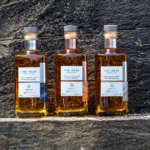


As an English whisky company working with locally made spirits, we know how vibrant and thriving the English whisky scene is. From Cornwall to Cumbria, the country’s distilleries are putting their hearts and souls into crafting whiskies that truly speak to the places they are made, championing and promoting their provenance.
While there are now some 70 whisky distilleries in England and more than 40 with mature whisky available to purchase, the country remains something of an underdog when compared with its near neighbours in Scotland and Ireland.
But we believe English whisky is worth noticing and exploring, not only for existing whisky drinkers but for those who are new to or curious about the category.
Quick whisky question
Single malt is everywhere, but what does it mean? We want to know what the word “single” means to you. Three quick questions, under a minute.
What Is English Whisky?
Simply, an English whisky is a whisky that is made in England. Following European and UK standards, it must be distilled from grain, matured for a minimum of three years, and bottled at no less than 40% ABV.
Unlike the behemoths of the Scotch whisky industry, English whisky distilleries tend to be much smaller, typically producing less than 100,000 litres of pure alcohol per year. These nimbler operations are embracing a fresh way of viewing and producing whisky, making use of barley varieties, yeast strains, maturation casks, and distilling equipment that differ from those used in Scotland. The result is a diverse and exciting array of spirits that demonstrate creativity and ingenuity.
Where Is English Whisky Made?
The new geographical indication (GI) for English whisky, which was approved in September 2026, mandates that it is mashed, fermented, distilled, matured and bottled in England. The spread of England’s distilleries is already substantial — there are whisky-making operations all over the country, from its heartlands to its farthest reaches in Cornwall, Northumberland and East Anglia.
What Will Whisky Look Like in 2027? Voices from Whisky Live Paris
READ THE STORYHow Is English Whisky Made?
There are a number of styles of English whisky available, including single malt, single grain, and even blends. In a divergence from Scotch whisky, some distilleries do not conduct every part of the production process on one site. For example, some enlist local breweries to make their wash for them, taking advantage of the brewers’ expertise and equipment. This production tactic is reflected in the standards for English whisky, which state that to be called ‘single’, a whisky need only be distilled on a single site rather than also being mashed and fermented there.
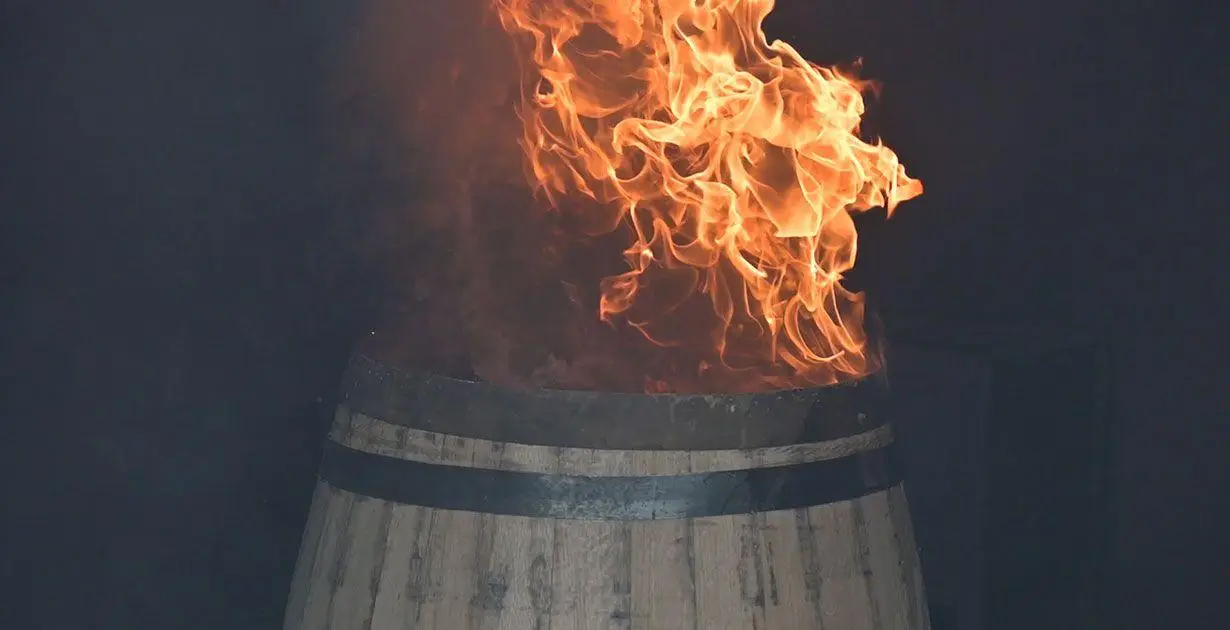
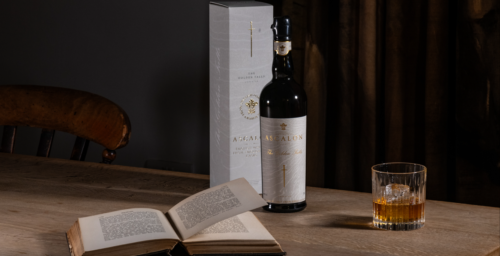
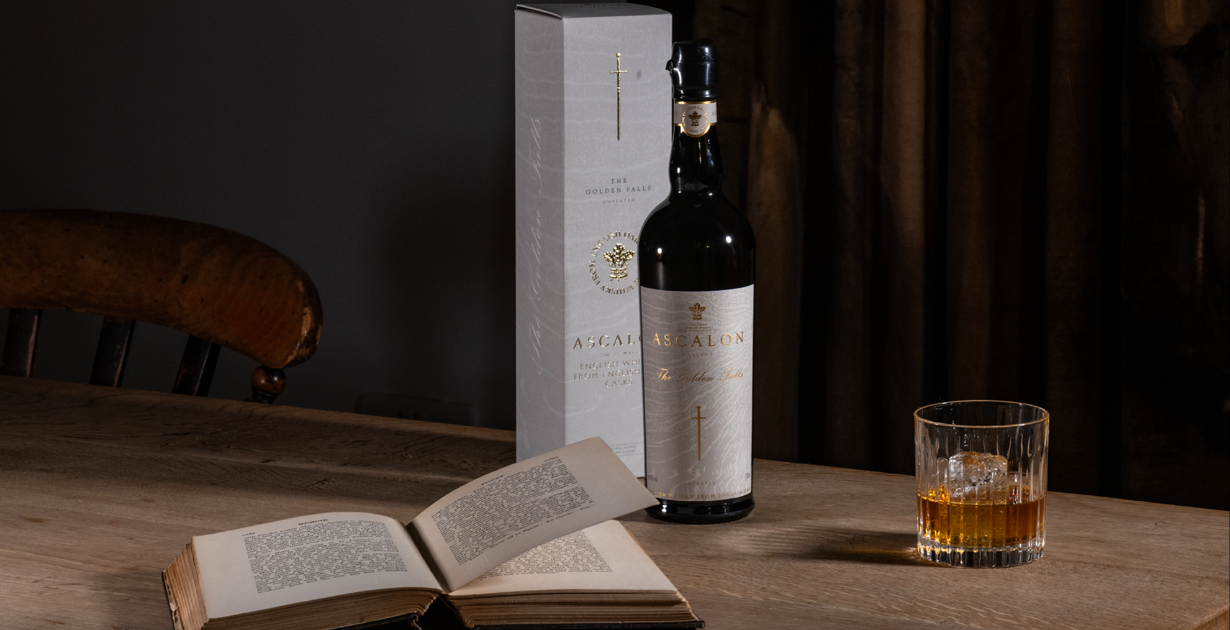
Another change from Scotch is that whiskies do not have to be matured in oak casks; other wood types such as chestnut or cherry may be used. At Ascalon, however, we believe oak is the ideal wood with which to build casks, which is why we construct ours from sustainably harvested English oak.
What Are The Oldest Whisky Distilleries In England?
The Healeys Distillery in Cornwall was the first established, back in 2000, although its first Hicks & Healey whiskies were not released until 2011. The English Distillery was the first to release a mature whisky; it was established in 2006 and released its first bottling three years later.
Brewer Adnams added a distillery to its Suffolk site in 2010, and the Lakes Distillery in Cumbria and the Wharf Distillery in Northamptonshire were established the following year.
While the early years were quiet, the pace of new openings has increased rapidly since 2014 — there are now 70 whisky distilleries in England.
What Kinds Of Whisky Are Made In England?
As in Scotland, the hero product of many English distilleries is single malt whisky, made from 100% malted barley. At Ascalon, our range is focused on single malts distilled from English barley. In addition to single malts, grain whisky is more commonly found in England than Scotland.
About 15 distilleries are currently making grain whiskies using cereals such as rye, wheat, corn and unmalted barley, each demonstrating the inventiveness of England’s whisky makers.
What English Whisky Should I Try First?
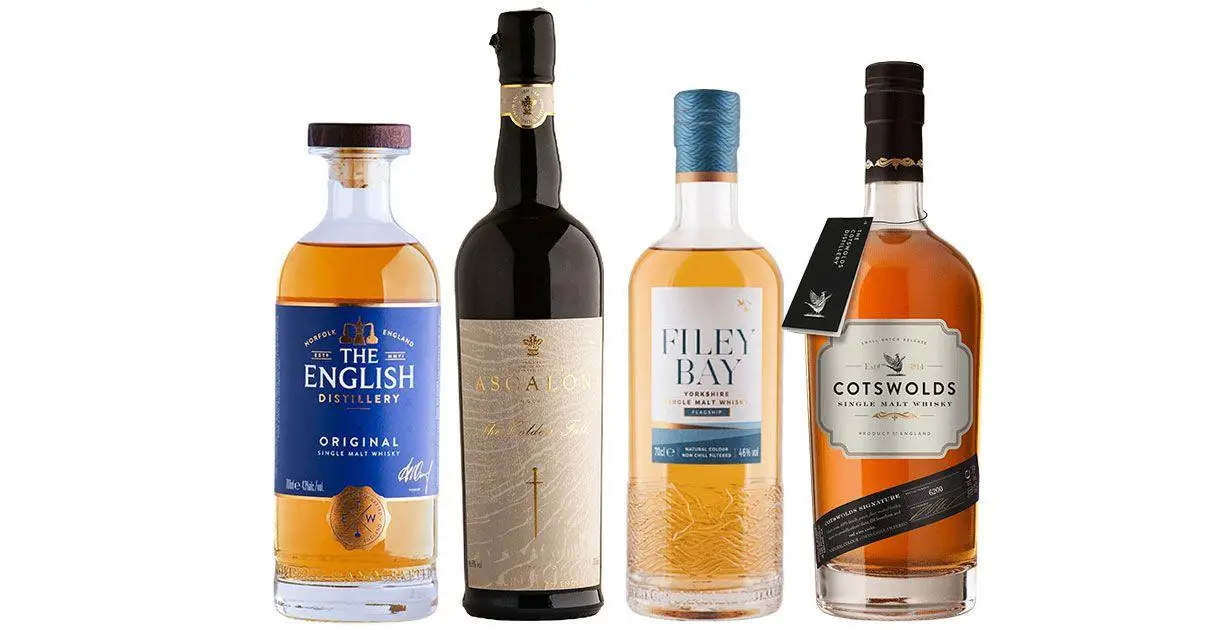
Due to the small quantities of whisky that many of England’s distilleries produce, releases can sell out fast. Some of the more established distilleries have core-range single malts that are available consistently, such as the English Distillery’s Original, Cotswolds Distillery’s Signature, or Spirits of Yorkshire’s Filey Bay Flagship.
There is a vast amount of innovation and experimentation in English whisky, so whatever your preference or interest, you are sure to find something that piques your interest. For example, our single malt whisky The Golden Falls showcases not only English spirit but English oak, too; we use sustainably harvested trees that are quartersawn and air-dried before being raised into casks by our expert English coopers.
Discover more about Ascalon, its English oak casks, and its whiskies at ascalonwhisky.com.
 Latest On The Whiskey Wash