





Discussion around the components of a given whiskey usually centers around two things: grain and barrels. But there are other important factors that contribute to a whiskey’s flavor profile. One of them is so obvious you might not even think about it—water.
Since it comes in at multiple steps in the whiskey-making process—and makes up a big percentage of a whiskey’s actual volume—there’s little doubt it has a tangible effect on what you taste in your favorite dram.
On a chemical level, when we talk about different sources of water, we’re largely talking about mineral content and pH. On a practical level, we’re talking about sources—whether water comes directly from a spring or river, or from a municipal source. Beyond that, the geology of an area plays an important role in what a distillery’s water source tastes like.
Quick whisky question
Single malt is everywhere, but what does it mean? We want to know what the word “single” means to you. Three quick questions, under a minute.
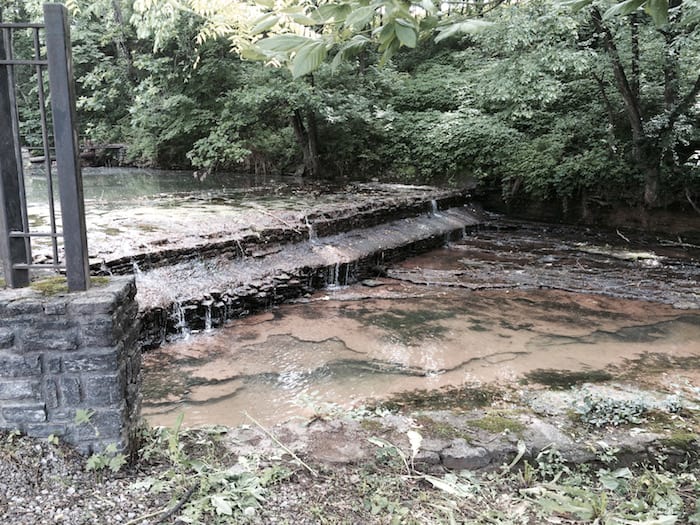
While some claim that so-called Kentucky branch water is indispensible, to the point where you can buy a bottle so as not to contaminate your $150 Knob Creek 2001 with the filth that comes out of your tap, other major Kentucky distilleries—notably Brown-Forman—just use municipal water.
Scotch distillers mostly get their water from one of three sources: springs, lakes (excuse me—lochs), and rivers or streams (burns). Talisker and Balvenie use spring water, Ardbeg draws from from a loch, and Dalmore and Laphroaig use nearby rivers or burns. Laphroaig is so serious about their water source, the Kilbride stream, they once went to court to prevent a rival distillery from diverting it for their own use.
And naturally, some distillers look at water as a potential marketing gimmick. Alaska Distillery reportedly makes what has to be the only whiskey in the world made from literal icebergs, hand-harvested from Prince William Sound.
 Latest On The Whiskey Wash