



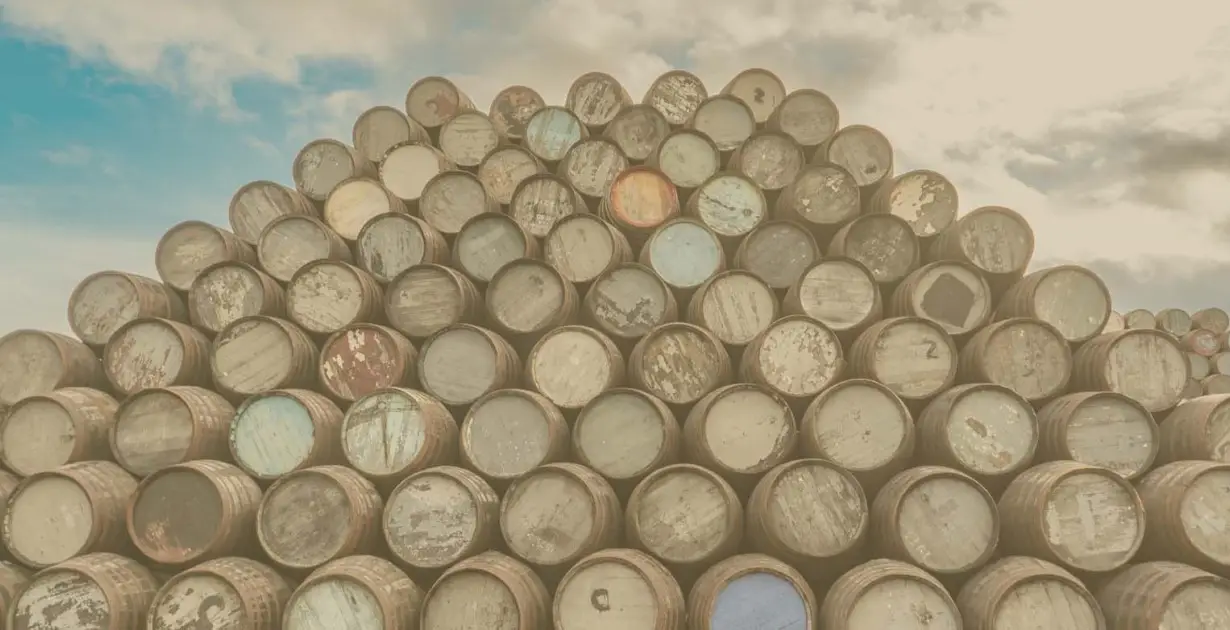
Buying scotch whisky barrels has captured the imagination of whiskey fans and those seeking alternative investments alike. But success and enjoyment can require more than just an enthusiasm for whiskey.
Ensuring you own a barrel in the right way, and at a suitable warehouse is the difference between being able to visit and take samples from your whiskey versus just waiting for it to mature. As an asset, barrel investments can typically yield returns between £5,000 and £30,000 over periods of 10 to 30 years, but achieving these results demands a clear understanding of the scotch market and commitment to suitable timeframes.
Whether you are buying for pleasure or as an investment, before committing to a purchase you should check that you understand these 10 things about buying a barrel of scotch. These range from the technical measurements that determine a barrel’s value to the documentation that ensures full ownership.
What Will Whisky Look Like in 2027? Voices from Whisky Live Paris
READ THE STORYBarrel Details
The following five pieces of information are key for establishing the current and potential future value of your barrel.
1. Distillery: Where the whisky was distilled and whether future bottlers have the right to use that name (i.e. whether it has naming rights).
2. Bulk Litres &/or Litres of Alcohol: For new fill this will be roughly based on the size of the cask, for young casks this will be less than the barrels size due to the natural evaporation that occurs (known as the angel’s share).
 Trending Content

3. ABV (Alcohol By Volume): Scotch must be bottled above 40% ABV, therefore the ABV is important for assessing the potential lifetime of a barrel.
4. Cask Size & Type: Bigger barrels tend to cost more, while different types, e.g. ex-bourbon barrel vs ex-sherry hogshead, have different commercial considerations.
5. AYS (Age of Youngest Spirit) & Cask Number: The age of your cask is important for your investment timeframe, but the specific AYS and cask number are needed for warehouse identification and tracking.
Additional Information
6. Restrictive Covenants: Understanding bottling rights and naming restrictions, plus any other limitations or commitments on sale (such as profit shares).
7. Location: Where is the bonded warehouse where the barrel will be stored, and if you want to experience your barrel, can they help with samples or larger bottling runs, and do they allow visits.
8. Delivery Orders: Barrel ownership should be confirmed at the warehouse level to ensure that proper ownership is transferred and you have full control over your barrel.
9. Storage & Service Costs: What are the costs of storage for the time you expect to own the cask.
Investment Considerations
10. Timeframes & Expectation: Owning a barrel of scotch whisky is generally a long term commitment. Scotch must be matured for a minimum of 3 years, but it is around 18 years old that the quality is deemed to peak and scotch becomes a premium product. Whether you are buying a barrel to enjoy the whiskey or as an asset we would suggest a minimum 10 year timeframe. Ideally you will not plan to sell your scotch before it is at least 12 years old, but generally we would suggest aiming for it to reach at least 15 to 20 years old. This means a timeframe of around 10 years for young barrels and 15 to 20 years for new make barrels. If you are buying a barrel as an asset then these ages also give the most scope for returns.
Ready to learn more? For detailed insights and expert tips to help you navigate your whiskey investment journey download the comprehensive Whisky Barrel Buying Guide written by the team at Mark Littler Ltd.
Our colleagues over at Mark Littler Ltd have curated their most helpful articles all in one place so you can learn more about buying and owning a barrel of scotch. If you’d like to find out more about moving forward with a barrel purchase please email [email protected].
Returns on whiskey barrels are not guaranteed and the value of casks can go down as well as up.