



The 2026 ASCOT Medal Winners have officially been announced, and what a competition it was this year. With more entries than ever before and an exciting mix of legendary staple brands and rising newcomers, the world’s premier Council of Tasters delivered some of the most competitive and talked-about results in the competition’s history.
ASCOT Awards is an international spirits competition created by spirits personality and veteran tasting judge Fred Minnick. The competition gives distillers a unique opportunity to have their products recognized through Fred’s YouTube channel, social media, news articles, newsletters, and festival.
This first round of honors recognized standout spirits with Double Platinum, Platinum, and Gold medals, with Category Finalists, ASCOT Finals Taste-Offs, Best in Category Winners, Whiskey of the Year, Non-Whiskey of the Year, and the competition’s highest honor, ASCOT Best in Show 2026, all still to come.
Quick whisky question
Single malt is everywhere, but what does it mean? We want to know what the word “single” means to you. Three quick questions, under a minute.
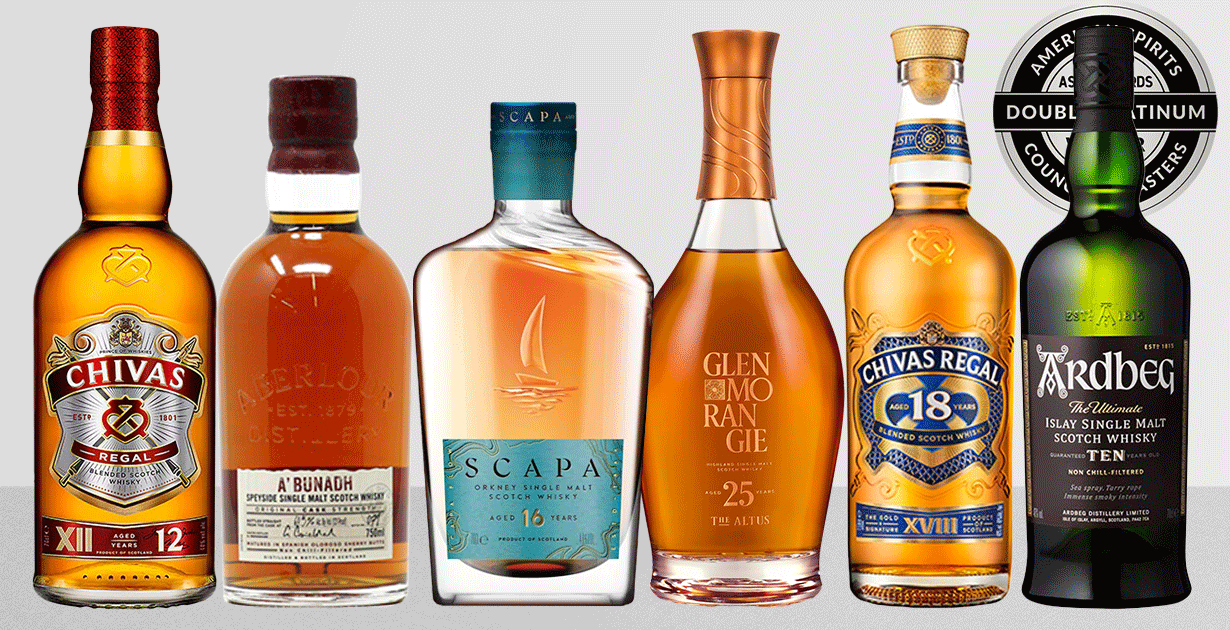
Here are six Scotch whiskies that earned Double Platinum.
Aberlour A’bunadh Single Malt Scotch Whisky
Medal: Double Platinum
Tasting Notes: “A very easy drinking 120 proof, and with water even more so, highlighting a well-structured oak and well-behaved nougat. I’ve found my post-judging dram!” – ASCOT Judges
What Will Whisky Look Like in 2027? Voices from Whisky Live Paris
READ THE STORYFind Your Next Bottle: $78
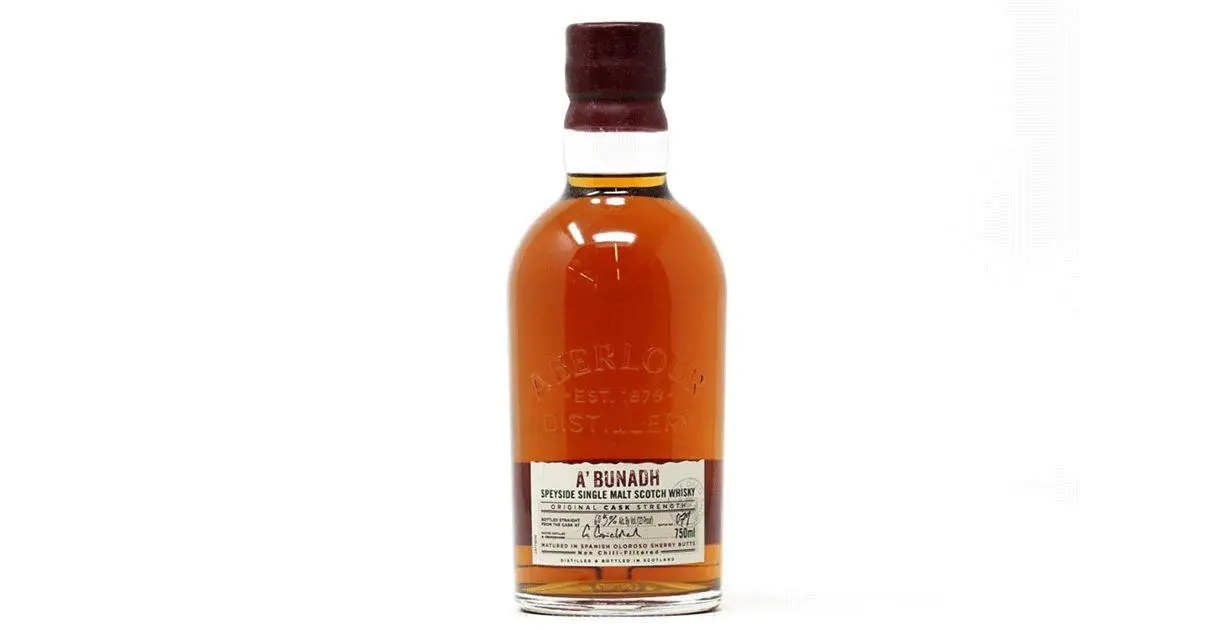
A’bunadh is Aberlour’s tribute to its own past, named with the Gaelic word for “the original” and made to recall the rich, sherried style of the Speyside distillery’s earliest days. Each release is a batch-numbered, cask-strength whisky matured entirely in first-fill Spanish Oloroso sherry butts, then bottled without chill filtration or added colour.
This particular release comes in at 60.90% ABV. The Oloroso influence runs all the way through the official notes, which describe allspice, praline, and spiced orange on the nose, then a full-bodied palate of orange, black cherries, dried fruit, and ginger lifted by dark bitter chocolate.
The distillery sits in the village of Aberlour in Speyside, founded in 1879 by James Fleming, a local grain merchant and philanthropist. After a fire in 1898, it was rebuilt by Charles Doig, the celebrated distillery architect of Elgin.
Aberlour has gone on to become France’s best-selling single malt.
Ardbeg 10 Years Old
Medal: Double Platinum
Tasting Notes: “Peat on the nose is positively culinary, more like smoked than smoke. My God, that’s intense! Malt is fully supporting on the palate, sweet, even a bit fruity, but the peat stays put. Exciting whisky!” – ASCOT Judges
Find Your Next Bottle: $48
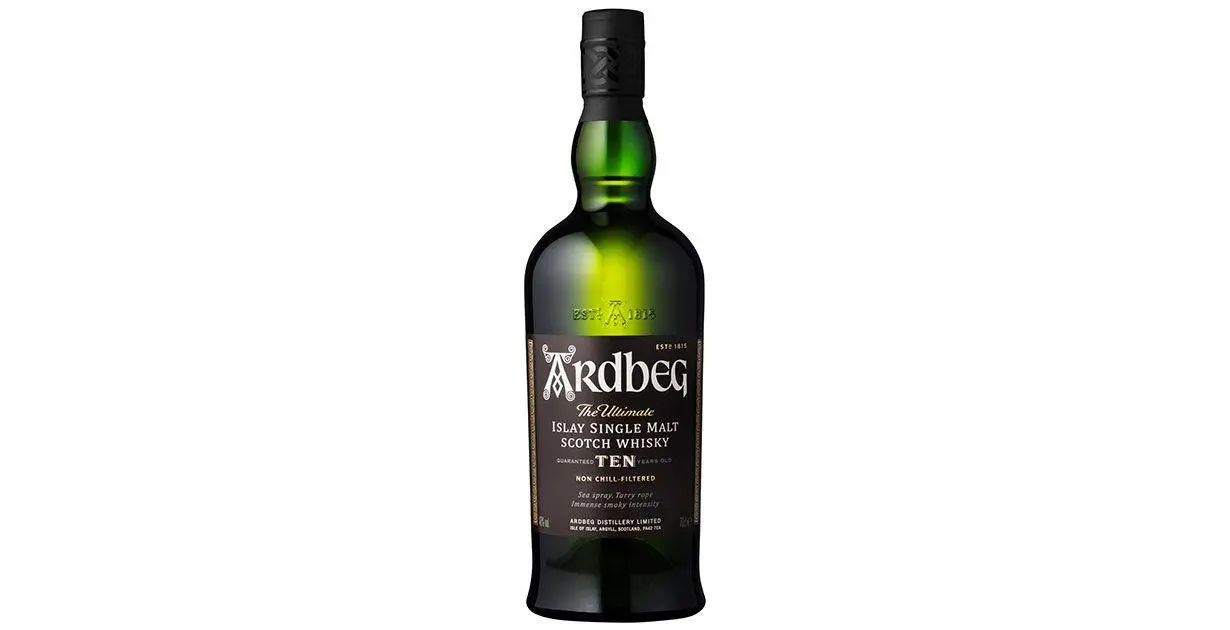
Made on the southern coast of Islay, Ardbeg 10 has become a benchmark for smoky single malt.
The barley is peated to 50 ppm, and the distillery’s purifier pipe lends the spirit an oily, citrusy lift that balances all that smoke, a quality fans know as the “peaty paradox.” It spends at least ten years in ex-bourbon American oak and is bottled at 46% without chill filtration.
Ardbeg describes a nose of smoky fruit, lemon and lime, and waxy dark chocolate, followed by crackling peat, black pepper, and brine on the palate, closing with a long, smoky finish of tarry espresso and toasted almonds.
There has been distilling on the Islay site since the late 1700s, with the distillery formally established in 1815. It fell silent more than once through the twentieth century before The Glenmorangie Company bought and revived it in 1997, an act of rescue celebrated to this day by the Ardbeg Committee, the brand’s global fan club of more than 200,000 members across some 130 countries, devoted to making sure the doors of Ardbeg never close again.
Chivas Regal 12 Year Old Blended Scotch Whisky
Medal: Double Platinum
Tasting Notes: Wild herbs, heather, honey, orchard fruits, vanilla, hazelnut, butterscotch,
Find Your Next Bottle: $26
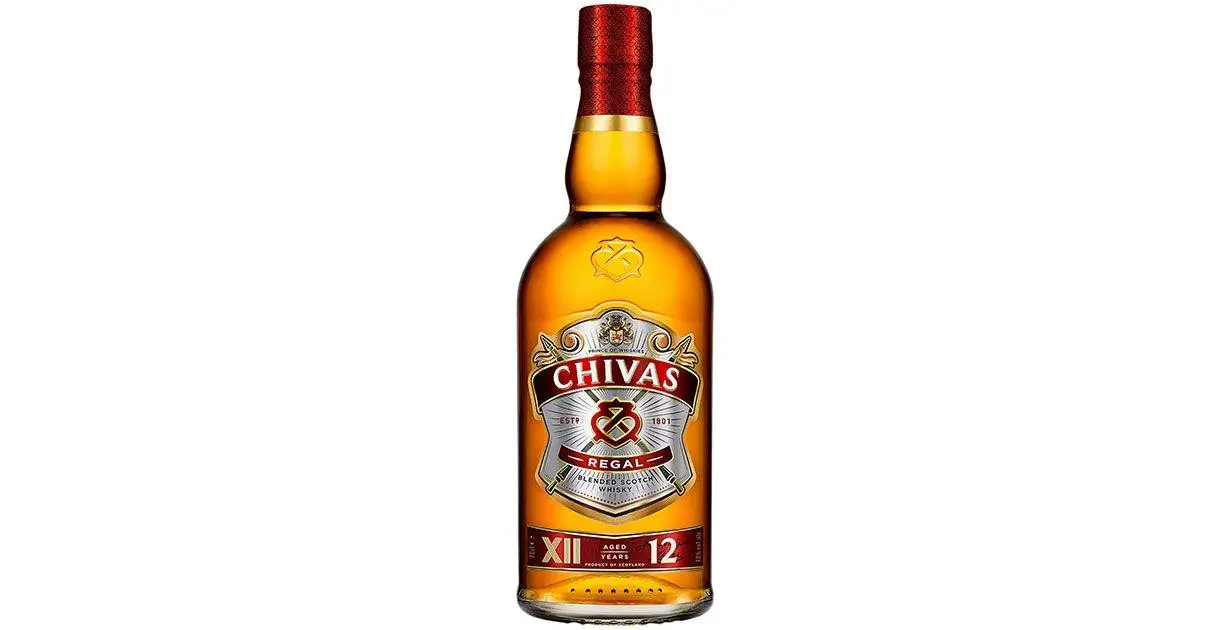
Chivas Regal 12 is a blend of malt and grain whiskies, each aged at least twelve years, with Strathisla single malt at its heart. The brand traces its roots to a grocery and wine-and-spirit business in Aberdeen, which earned a Royal Warrant to supply Queen Victoria in 1843.
The Chivas Regal name burst onto the scene in 1909 with the 25 year old, and the 12-year-old made its US debut in 1939.
Bottled at 40% from a variety of cask types, it carries the warm amber colour and approachable style the brand is known for. The official notes point to wild herbs, heather, honey, and orchard fruits, with vanilla, hazelnut, and butterscotch rounding out a creamy palate.
Chivas Regal 18 Year Old Blended Scotch Whisky
Medal: Double Platinum
Tasting Notes: Dried fruits, toffee, dark chocolate, floral notes, sweet smoke,
Find Your Next Bottle: $60
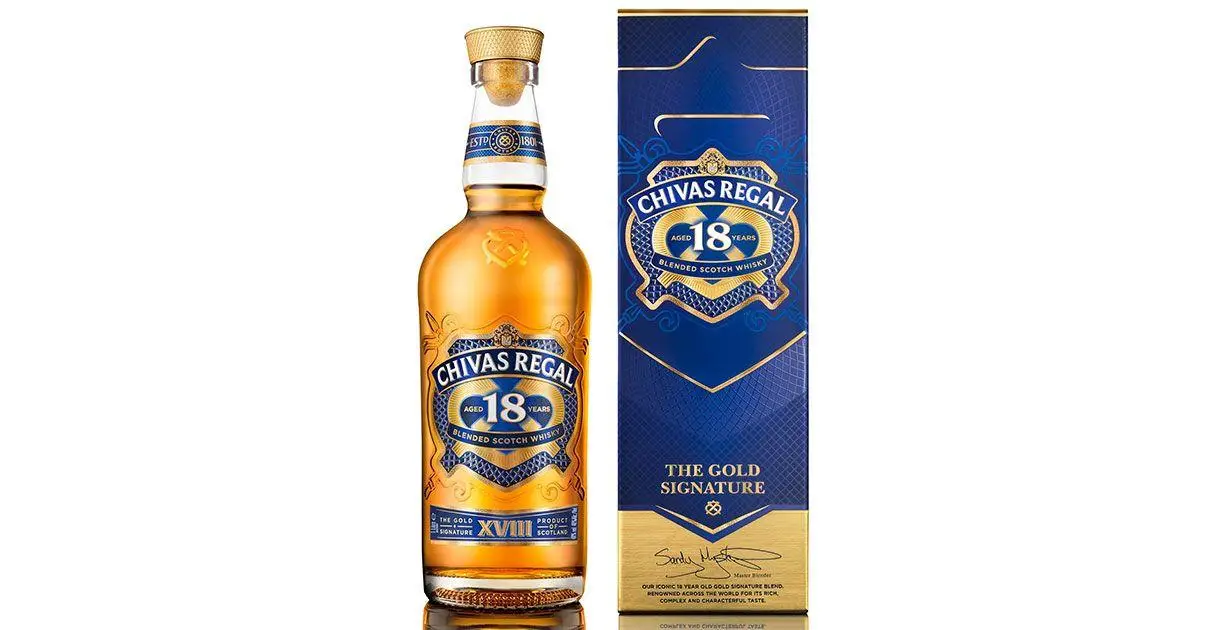
Created in 1997 by then-Master Blender Colin Scott, Chivas Regal 18 brings together more than twenty single malt and grain whiskies, each aged a minimum of eighteen years.
The blend is famous for its 85 flavour notes, and like its younger sibling it draws its heart from Strathisla in Speyside.
Bottled at 40%, it is built from a careful selection of casks chosen out of many thousands. The official notes describe rich, multi-layered aromas of dried fruits, buttery toffee, and dark chocolate, giving way to a velvety palate of dark chocolate, elegant floral notes, and a wisp of sweet, mellow smokiness.
Glenmorangie The Altus 25 Years Old
Medal: Double Platinum
Tasting Notes: “Honeysuckle, sweet malt, cedar, lemon, and dark chocolate with a beautiful finish. What a stunning whisky!” – ASCOT Judges
Find Your Next Bottle: $564
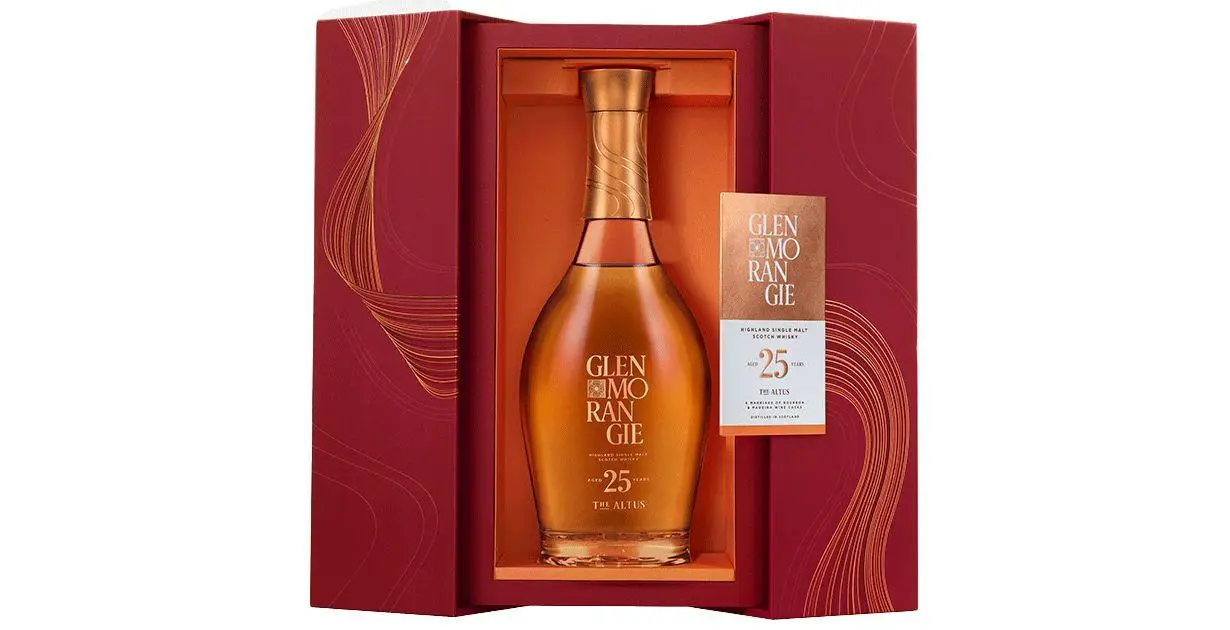
The Altus is Glenmorangie’s 25-year-old expression, named with the Latin word for “high” and created by Dr. Bill Lumsden. It is distilled in Tain using the tallest stills in Scotland, which give the spirit its signature light, floral character.
The whisky matures for 25 years in bespoke designer bourbon casks, with a portion finished in Malmsey Madeira casks and married back in, a nod to Glenmorangie’s pioneering 1995 release, the world’s first Madeira-finished single malt.
Bottled at 43%, it offers a nose of carnation, orange blossom, and honey, then a palate of mandarin, apples, marzipan, and banana, closing with a long, harmonious finish.
Founded in 1843 at Tain in the Highlands, on the site of a former brewery, Glenmorangie draws its water from the Tarlogie Springs and distils in the tallest stills in Scotland, whose necks rise to around five metres. That height gives the spirit its famously light, floral character, the foundation on which Dr. Bill Lumsden builds the distillery’s much-admired cask work.
Scapa 16 Year Old Single Malt Scotch Whisky
Medal: Double Platinum
Tasting Notes: “Aromas of plum and concord grape turns to strawberry and leather on the palate with a structured but gentle tannin, concluding with a mouth coating, ribbon candy finish.” – ASCOT Judges
Find Your Next Bottle: $75
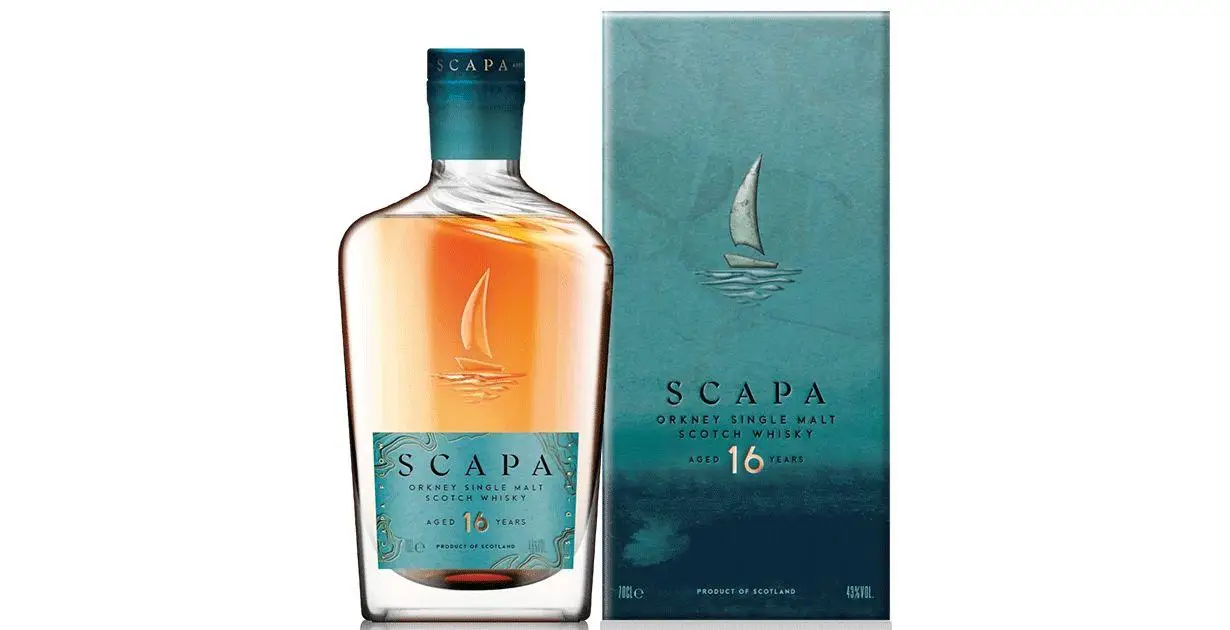
Scapa is one of only two distilleries on Orkney, sitting on Mainland near Kirkwall overlooking Scapa Flow. It is a small, hands-on operation best known for its barrel-shaped Lomond wash still, the only one of its kind still used to make single malt.
The whisky is deliberately made with little to no peat, a quiet counterpoint to its island neighbour Highland Park, and matures for sixteen years in American oak ex-bourbon casks.
Bottled at 48% in the current core range, Scapa 16 shows juicy mango, creamy vanilla, and leather on the nose, then a silky palate of spiced apple pie, vanilla fudge, and baked pineapple.
Scapa was founded in 1885 on Orkney and spent much of its life as a quiet workhorse, its whisky mostly disappearing into blends before the distillery was mothballed in 1994.
A refurbishment and a fuller revival under Chivas Brothers in the years that followed gave Scapa a proper life as a single malt in its own right, and seeing it sweep up among the Double Platinum winners and at the recent ISC shows just how well that second chapter has paid off.
A Wide and Welcome Range
What stands out about this group of Double Platinum Scotches is how much ground it covers. There are expertly married blends like the two Chivas Regals, built from dozens of malt and grain whiskies and made to be poured often, alongside a high-age single malt like Glenmorangie The Altus 25, which rewards slow and careful sipping.
Between those poles sit a cask-strength sherry monster, a heavily peated Islay icon, and a gentle, unpeated island malt. It is a fitting reminder of just how broad and rewarding the world of Scotch can be.
So, do you agree with the ASCOT judges? Is there something else you wish was on the list? Let us know in the comments below.
 Latest On The Whiskey Wash