






I fell in love with wine long before I found whisky. Wine taught me how to think about flavor, how oak changes a liquid, how texture shapes enjoyment, and why place matters so much in a glass. Years later, those same instincts helped me understand whisky. It never felt like starting from scratch. It felt like learning a familiar language spoken with different words.
Many wine drinkers see whisky as intimidating. The alcohol is higher. The flavors are stronger. The categories look confusing. But if you already drink wine, you have the tools you need. You know how to spot fruit character. You know how to read structure. You understand sweetness, acidity, tannin, and texture. All of that translates directly into whisky.
To show how close these worlds really are, we asked a group of respected experts to share whiskies that speak in a language wine lovers already understand. The bottles below highlight the connections. They also show just how natural the jump from wine to whisky can feel.
Quick whisky question
Single malt is everywhere, but what does it mean? We want to know what the word “single” means to you. Three quick questions, under a minute.
Sweetness and Structure: Angel’s Envy Kentucky Straight Bourbon Finished in Port Wine Casks

Bourbon often feels familiar to wine drinkers. Corn brings natural sweetness. Oak adds warm spice. The overall structure is generous and fruit-led, which makes the transition easier.
Cocktail educator Anders Erickson recommends Angel’s Envy Kentucky Straight Bourbon for exactly this reason. The Port cask finish creates an immediate link to wine.
Erickson explained it simply. “The sweet profile from its high corn mash bill makes it approachable, and the port wine cask finish offers an easy entry point for wine lovers. Also, at 86.6 proof, it’s flavorful without being too hot.”
What Will Whisky Look Like in 2027? Voices from Whisky Live Paris
READ THE STORYThe lower proof helps the texture feel balanced and approachable. It also reflects my own experience when I moved from wine into bourbon. Sweetness and structure were the bridge. Angel’s Envy fits that role beautifully and remains a go-to bourbon for me.
Minerality and Savory Character: Ardnamurchan AD Single Malt
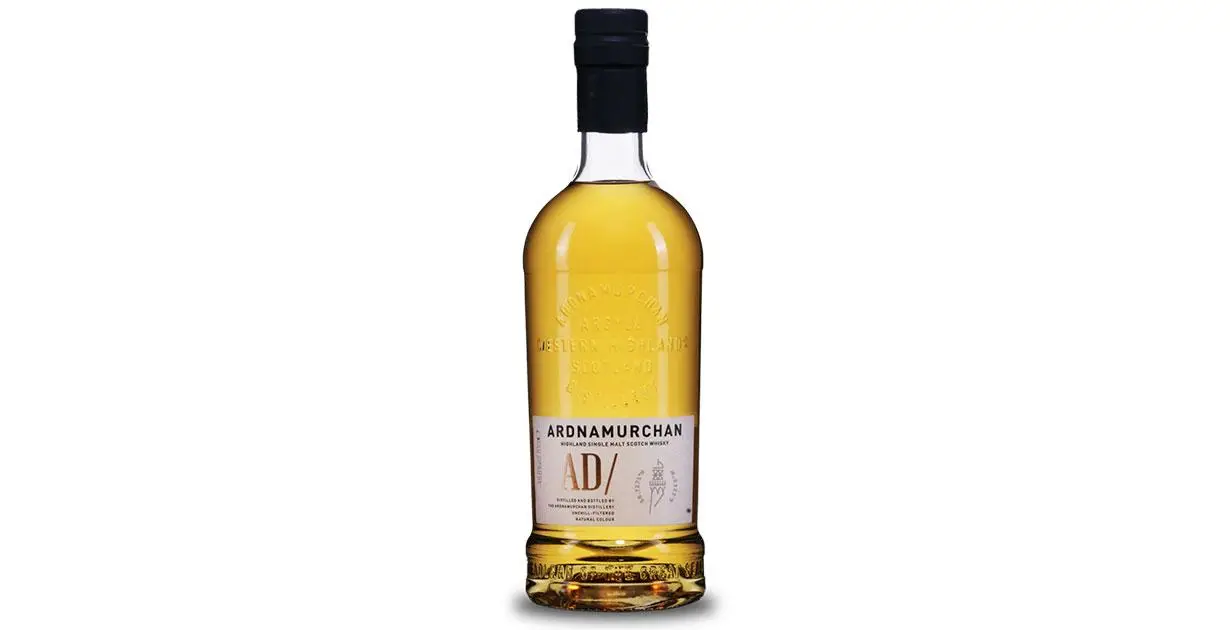
Wine drinkers often respond to minerality and clean structure. Those same qualities appear in certain single malts, especially when the distillery focuses on fermentation and spirit character rather than heavy cask influence.
Dr. James Phillips, Spirits Buyer at Jeroboams, highlights Ardnamurchan AD Single Malt as a whisky that speaks directly to this style. He explained why it resonated with him.
“White wine or Champagne are my favorites; particularly those that balance vibrant, chalky minerality with fruit richness in some form. It is no surprise that my tastes in whisky follow suit. When the distillery spends so much time developing flavor in fermentation and distilling, using a cask type that allows that spirit character to shine through is important.”
Ardnamurchan manages exactly that. It is a mix of peated and unpeated whisky matured in ex-bourbon and ex-sherry casks. Phillips describes it as a coastal spirit with orchard fruit, toasted marshmallow, salted popcorn, and gentle peat.
It feels precise, fresh, and quietly complex. Those qualities are instantly familiar to anyone who enjoys structured white wine.
Texture and Mouthfeel: Arran Sauternes Cask Finish

Wine drinkers think about texture as much as flavor. Weight, grip, and viscosity shape a wine’s identity. Whisky has its own version of this spectrum, and some bottles show it with real clarity.
Henry Palmer of Farr Vintners points to Arran Sauternes Cask Finish as a whisky that delivers texture in a way wine lovers immediately understand. He describes the finish in exact sensory terms.
“That Sauternes finish really comes through on the nose with notes of apricots, peach, orange blossom and honeysuckle. In the mouth there is a creaminess and rounded sweetness that should appeal to fans of white wines both dry and sweet.”
He also highlights the feel of the whisky, which is often where wine and whisky overlap most.
“It has a pleasing viscosity, probably down to the 50 percent ABV but remains light and floral with only a touch of warmth coming through on the finish.”
Arran’s Sauternes Cask Finish shows how powerful that textural connection can be. The stone fruit, vanilla, and blossom notes are easy to recognize. The mouthfeel brings everything together in a way that feels complete.
Fruit, Oxidation, and Red Wine Depth: Benromach 15 Year Old

Many wine lovers respond quickly to sherry-influenced whisky. The oxidative character feels familiar. The red fruit notes feel grounded. The style often sits close to the depth you find in Rioja, Madeira, or long-aged whites.
G Whisky, a whisky educator and YouTuber, recommends Benromach 15 for wine drinkers who enjoy this kind of richness. His description focuses on the parts of the whisky that matter most to this audience.
“My recommendation is Benromach 15. It’s matured in first-fill ex-bourbon and ex-sherry casks, giving it a rich, sherry-forward character. Since sherry is a fortified wine, it brings plenty of red fruit notes that I think wine lovers will really enjoy.”
He also highlights the balance, which is often what wine drinkers value most.
“There’s also a light, gentle smokiness that adds depth without being overpowering. Even if you’re not into heavily peated whiskies, it’s still easy to enjoy.”
Benromach 15 shows how sherry and oak can work together to create depth without heaviness. It is structured, refined, and expressive. Wine drinkers often recognize those qualities right away.
From Cellar Staples to Serious Bourbon: Weller 12

Many fine wine lovers follow a similar path. They start with rich, fruit-forward bottles from Bordeaux and Napa. Over time, they move toward Burgundy, Riesling, and Barolo. The palate grows in confidence. The same pattern often appears when they move into whiskey.
Henrietta Gullifer, Senior Private Client and Spirits Specialist at Chelsea Vintners, sees W. L. Weller 12 Year Old as that crucial bridge.
“There is a pattern across most Fine Wine lovers as they journey deeper into collecting and drinking. They start with the rich, fruit-forward reds and whites, predominantly collecting Bordeaux and Napa, before expanding their collection into the more niche Burgundies, Rieslings and Barolos.”
For whiskey, she believes a gateway needs to feel both familiar and serious.
“There needs to be a gateway, bridging familiarity and approachability but also showing what makes whisk(e)y so delectable – enter Weller 12.”
She highlights its sweetness, balance, and modest 45 percent ABV as key strengths. It feels opulent, but never harsh. As she puts it, “It’s a whiskey wine-lovers can understand.”
Aromatic Whites and Orange Wine Energy: Filey Bay Orange Wine Barrique Finish

Not every whisky connection needs to come from a traditional wine cask. Some bottles simply share the same bright, lifted character that fans of aromatic whites and orange wines already love.
One whisky that surprised me in this way was the Filey Bay Orange Wine Barrique Finish from The Spirit of Yorkshire Distillery.
I tried it at a festival earlier this year. It stood out immediately. The aroma was fresh and citrus-led. The palate felt bright and floral. The finish was clean and structured. It reminded me of the same qualities that make orange wine so appealing.
Wine drinkers often respond to this style because it feels contemporary. It feels confident and expressive. It also shows how creative whisky maturation has become. White Peak used an orange wine barrique with real care, and the result is a whisky that speaks clearly to anyone who enjoys aromatic, fruit-driven wines.
For me, it showed how wide the bridge between wine and whisky can be. It also proved that wine drinkers do not need to limit themselves to sherry or Port finishes. Modern whisky has far more range.
The Simple Truth About Wine and Whisky
Wine prepared me for whisky long before I realized it. The same instincts apply. Fruit expression. Texture. Structure. Oak. Place. Once you look at whisky through that lens, the category stops feeling intimidating.
The bottles in this guide show how close the two worlds are. Bourbon offers sweetness and balance. Coastal single malt delivers minerality and savory notes. Wine cask finishes add texture and fruit depth. Even modern styles like orange wine barrique maturation speak directly to today’s wine drinkers.
If you already understand wine, you are not starting from zero. You are building on skills you already have. That makes the jump into whisky far easier and much more rewarding.
 Latest On The Whiskey Wash