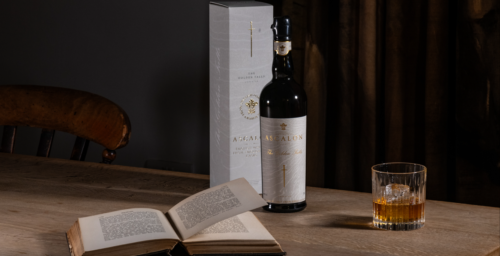
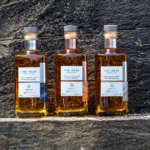




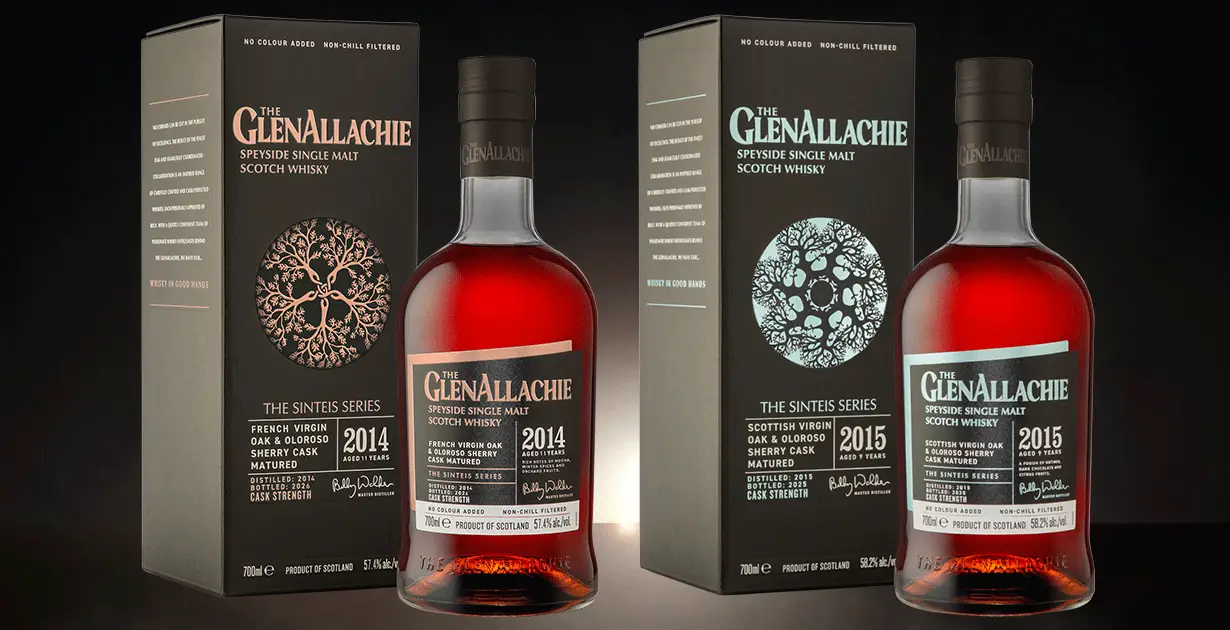
I finally sat down to put the GlenAllachie Sinteis releases through their paces, and what I found was a fascinating study in how two different virgin oaks can shape a whisky in completely different directions. Sinteis means synthesis in Scots Gaelic, and that name could not be more fitting. Both Billy Walker and I share a genuine passion for virgin oak whiskies, so getting to taste these side by side was a real treat, even if my train back from London had thrown my entire evening into chaos.
The Part Two release, a 10-year-old marrying Oloroso sherry with Scottish virgin oak, is something of a passion project for Billy. Now, Scottish virgin oak has a chequered history. Glengoyne tried it on a 16-year-old small batch over a decade ago, and I have to say, that was a pretty unpleasant bottle. This, though, is a different beast entirely.
The nose is all buttery, brown sugar pastry notes, sweet licorice, and red hot cinnamon, before this wonderfully specific note of cola syrup emerges. Anyone who has worked behind a bar and had to change the postmix gun will know exactly what I mean. On the palate it turns earthier and more herbal, drifting between oregano, mint, angelica root and lemongrass, with chewy, barky woods on the finish. Cherry cola in a French patisserie, essentially.
Quick whisky question
Single malt is everywhere, but what does it mean? We want to know what the word “single” means to you. Three quick questions, under a minute.
The Part Three release, a 12-year-old built on French virgin oak and Oloroso, is the newest of the pair. Billy told me something interesting during one of our nerdy cask conversations: he believes Scottish and French virgin oak share a very similar spice profile. You can taste the family resemblance.
The nose here is sweeter and even more decadent, all custard, hot cross buns, royal icing, almond and a lovely mocha coffee note. The palate, however, surprises you by turning drier, driven by dried citrus and these intriguing vermouth notes, both the grassy white and the tart Italian red. It finishes like the last sip of an old fashioned, all morphing bitters and sugar.
Both retail at around £70, and both are genuinely worth your time. The Part Three earns a solid eight and a half from me, one of the strongest examples of that fizzy, gingery French oak character you will find. But the Part Two takes the crown with a nine. Perhaps I am a closet advocate for Scottish virgin oak after all.
What Will Whisky Look Like in 2027? Voices from Whisky Live Paris
READ THE STORYSo which approach speaks to you, the cola syrup intrigue of the Scottish oak or the patisserie richness of the French? Let me know in the comments.
To see my side-by-side tasting of The GlenAllachie Sinteis whiskies, check out my YouTube video.
 Latest On The Whiskey Wash