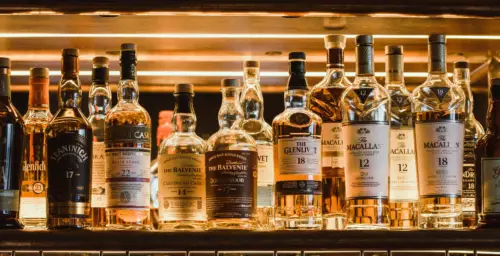





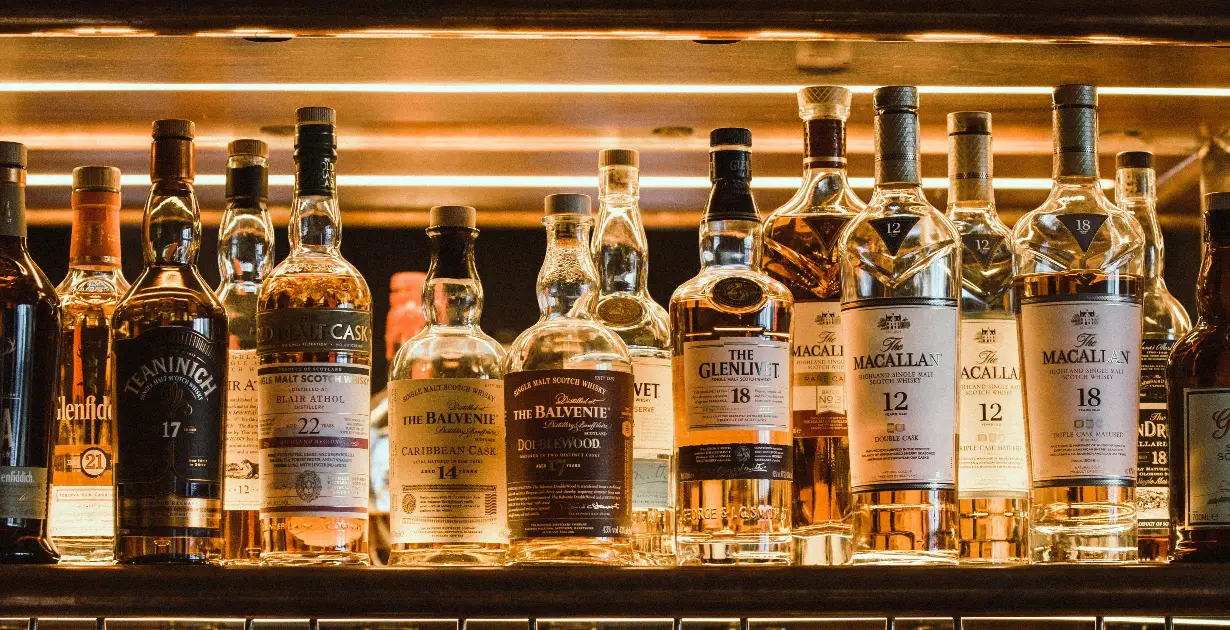
As someone who has over 130 open bottles of spirits in his office, this is a question that I’ve put a lot of time and thought into. How long does whisky last once it’s opened? Well, there are a lot of different answers, but much of it comes down to storing your whisky correctly.
There are a few things you can buy to help preserve the flavor of an opened bottle, but there’s also a good bit of mythbusting to do along the way.
The First Few Months: Don’t Worry Too Much
Opening a new bottle is a cause for excitement, so don’t worry too much about what will happen in the first few months. Introducing oxygen into the bottle can actually be a positive, and I’ve found this to be particularly true for whiskies with a strong sherry, port, or other fortified wine influence.
What Will Whisky Look Like in 2027? Voices from Whisky Live Paris
READ THE STORYLeaving one of these styles of whisky in the bottle or a decanter for a while can help open up the flavors, providing even more interest and depth. However, this isn’t always the case.
The bottle will eventually hit a sweet spot for you personally, and at that point, you might want to hold onto that flavor for as long as possible. This exact thing happened to me with a bottle of GlenAllachie 10 Year Old Cask Strength Batch 8.
The first few glasses were a hot mess, and I really didn’t enjoy it. Fast forward about five months, and it had become this amazing cherry and chocolate flavor bomb. I decanted half the whisky into a smaller bottle to help preserve the flavor I liked, then let the main bottle run its course.
 Trending Content

It’s About Air, Not Just Time
It’s worth keeping in mind that it isn’t just time working against you. It’s oxygen, along with a few other factors, depending on where and how you store your whisky.
As more oxygen enters the bottle, it can interact with various compounds in the whisky, including lipids and esters, potentially changing its flavor over time. So, if your bottle is getting close to empty, it might be time to start looking at some alternative storage methods.
What To Do When Your Bottle Is Nearly Empty
As the amount of air in the bottle starts to outweigh the liquid, you’ve got a few different options to consider.
Smaller bottles are a great way to keep things more consistent, particularly if you want to preserve a whisky when you feel it tastes wonderful.
Argon gas, often sold as a wine preserver, is another option. It’s a heavy, inert gas that can form a protective layer above the liquid, helping to limit further oxidation. It won’t last forever, and it isn’t a lifelong guarantee, but it’s certainly worth considering.
Whisky Storage Myths And Mistakes
Never store whisky bottles on their side!
You wouldn’t believe how many pictures I’ve seen of collections, or even retail shops, where the bottles are lying completely flat. Terrible idea, as it allows high-strength alcohol to remain in constant contact with the cork. Over time, this can damage the cork and potentially ruin the entire seal on the bottle. Don’t do it. Whisky isn’t like wine or Champagne in lots of different ways.
Smaller bottles can help preserve flavor.
If you want to preserve the flavor of a whisky at its current stage, transferring it into a smaller bottle is a great idea. They’re also useful for freeing up room on a shelf. It might not look as pretty as a full-size bottle, but it’s more convenient in several ways.
Don’t let the cork dry out completely.
Keeping the cork in good condition is important, and you’ll find advice on this on many single malt producers’ websites. Even though whisky bottles should be stored vertically, a cork that dries out completely can become brittle and compromise the seal.
Tilt the bottle perhaps twice a year to give the cork a little contact with the liquid and make sure everything is okay.
Keep your whisky away from heat.
Temperature is another big factor when it comes to fill levels in a bottle. If you leave whisky near a radiator or another direct source of heat, you could see the fill level gradually drop over time, even if the bottle has never been opened.
Keep your bottles somewhere that isn’t too warm or too cold. Just like yourself!
Sunlight can ruin a good whisky.
Sunlight is by far one of the biggest problems that people don’t think about. Just as heat can encourage evaporation, UV light can affect the color and flavor of whisky, whether the bottle is open or not.
I’ve seen pictures of wonderful whisky displays in people’s houses, but they’re right next to a window, with sunlight glaring across the whole collection. Dead whisky.
Parafilm can help protect the seal.
Parafilm is a useful way to help reduce additional evaporation from sealed bottles. Whether it can prevent it completely is debatable, as it is gas-permeable, but I’ve seen enough people swear by it for long-term collections that it’s worth mentioning.
Unlike sticky tape or glue, it won’t leave adhesive residue on the seals or corks, and it should peel off easily enough when you need to remove it.
The Final Whisky Storage Checklist
Keep your bottles upright, away from UV light and major heat sources. Check the seals a few times a year and give the bottles a little tilt if needed.
If you’ve got a bottle that’s getting close to empty, it could be worth decanting the remaining whisky into a smaller bottle to preserve a flavor you particularly enjoy. It’ll save some shelf space, too.
Following these simple rules will help your whisky stay in good condition for as long as possible.
So, how long does whisky last once it’s open? Well, that’s partly down to how much you drink and how many friends you invite over. All of the steps above will help you keep your whisky tasting as good as possible for a long time.