



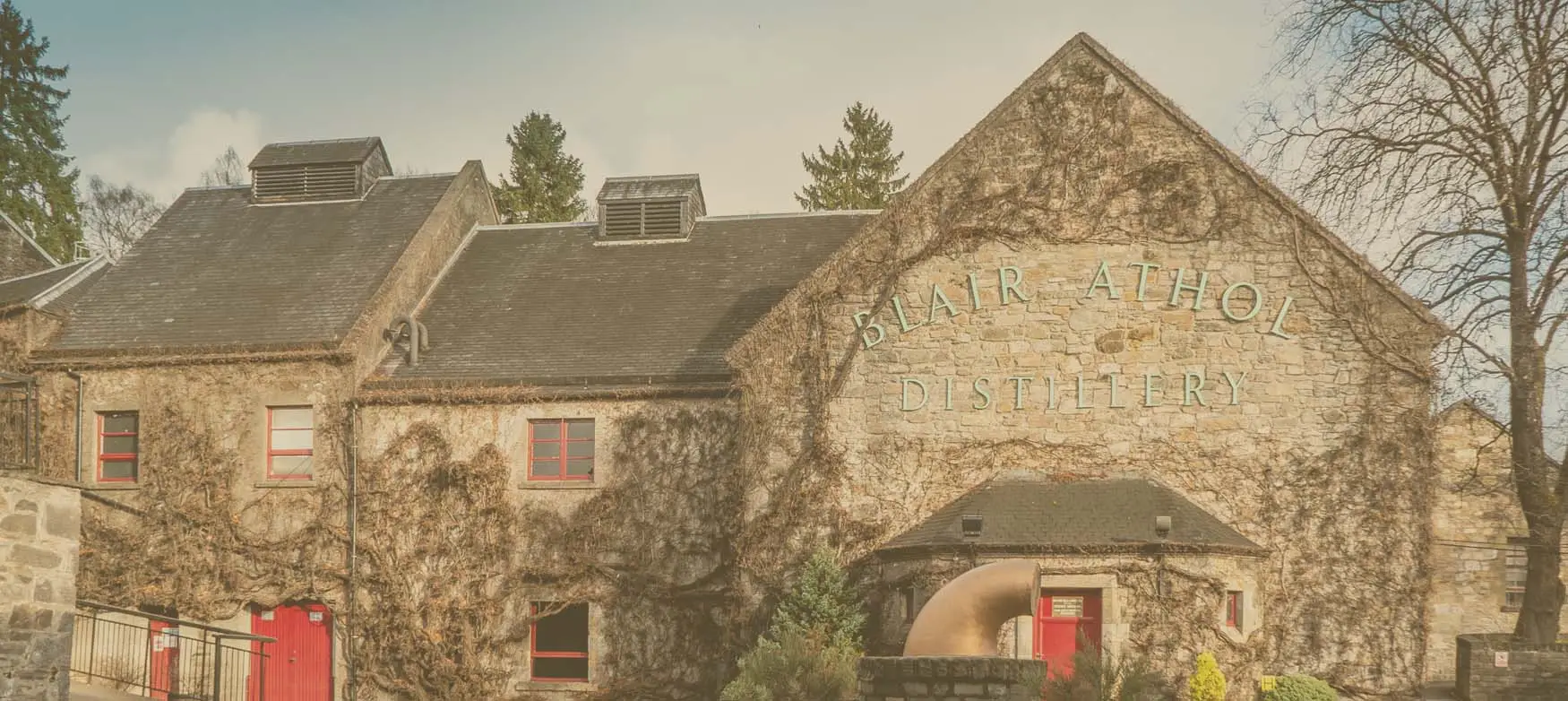
A barrel with “naming right” is one that has the right to use the distillery’s name on any bottles that are eventually produced from the barrel.
Trademarks Versus Naming Rights
Distillery names are usually trademarks, so if you had a barrel of whisky distilled at Macallan then any bottles from that cask can’t display “The Macallan” trademarks. But if the barrel has naming rights then bottles can use the geographically correct statement “Distilled at the Macallan distillery.”
If a barrel is sold without naming rights then the distillery name cannot be used even in the geographical context. Sometimes barrels are sold with a secondary name and sometimes they may just be sold as a regional malt, for example “Islay single malt whisky.”
What Will Whisky Look Like in 2027? Voices from Whisky Live Paris
READ THE STORYThe single malt scotch market is very brand driven and as such a barrel without naming rights is worth less than one with naming rights. The value of a barrel without naming rights also cannot benefit from any brand developments that may happen while the whiskey is maturing.
Secondary names carry risk because they are not usually trademarked, which means you do not have a guarantee of being able to use that name in the future.
What If I Don’t Plan To Bottle My Barrel Of Scotch?
Most private barrel owners don’t bottle their whiskey as it is not usually a cost effective way to sell. Naming rights still matter because someone will eventually bottle that barrel—that’s the end point of all whiskey barrels—and the value they can sell those bottles for determines the value they will pay for a cask. Bottles with distillery names are worth more, so you can get more for a barrel with naming rights.
 Trending Content

If you have bought a barrel of scotch purely to enjoy it as a drink then buying without naming rights can be a cost effective way of getting your preferred whiskey.
Our colleagues at Mark Littler Ltd only sell barrels with naming rights because this gives the most potential for future value.
Ready to learn more? For detailed insights and expert tips to help you navigate your whiskey investment journey download the comprehensive Whisky Barrel Buying Guide written by the team at Mark Littler Ltd.
Our colleagues over at Mark Littler Ltd have curated their most helpful articles all in one place so you can learn more about buying and owning a barrel of scotch. If you’d like to find out more about moving forward with a barrel purchase please email [email protected].
Returns on whiskey barrels are not guaranteed and the value of casks can go down as well as up.