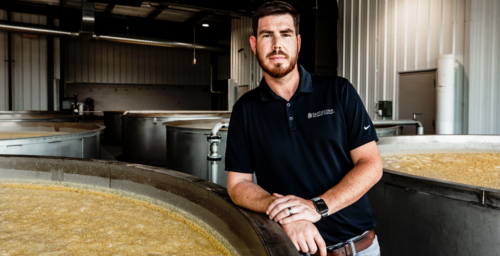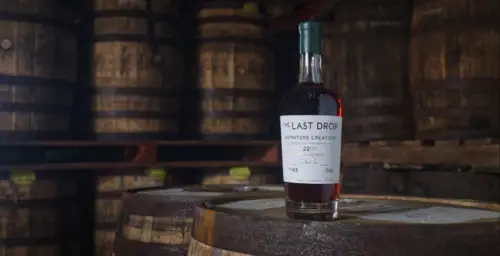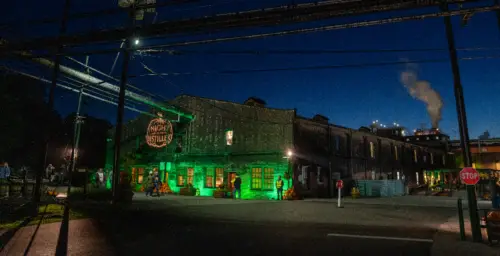







Americans exist in a virtual slip n’ slide theme park of whiskey choice right now. The juice keeps flowing, and we’re all happy to run and ride every liquid wave, the occasional hidden rock be-damned. Distilleries are popping up in every state producing whiskey for every taste. Some of these distilleries are pumping out barrels of whiskey that they have carefully mashed, fermented, and distilled themselves, caring for their liquid gold from “grain to glass,” as they say. Others purchase or “source” whiskey from larger distillers and release it under their own brand.
Think of these two concepts as roughly polar opposites, with many brands fitting somewhere in between.
If they’re being completely transparent about it then there’s no need to break out the pitchforks. Sure, it’s not the most interesting of stories to tell a consumer, but these types of brands comfortably exist in the whiskey-sphere and sell bottles every day.
Not all brands are forthcoming about their sourcing though, and some even create inane backstories about how their whiskey was Al Capone’s favorite whiskey. (It wasn’t, and why should I care what a morally bankrupt gangster drank?) Unfortunately, there are more than a few of these brands that have made it into the news over the past few years, some even being sued over their toying with the truth.
 Trending Content
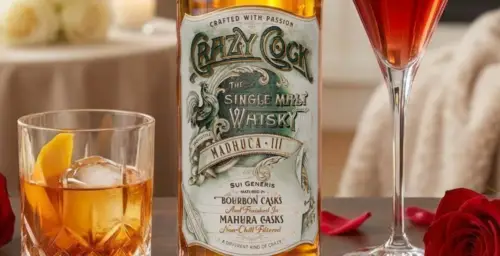

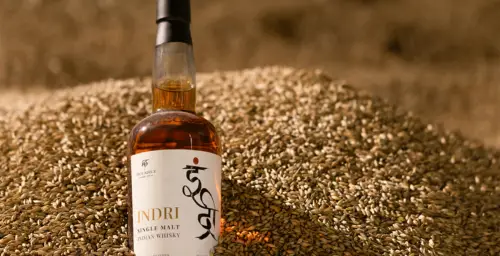
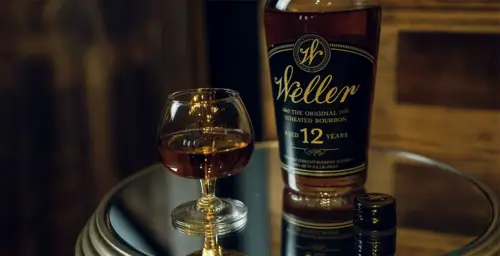
In an age where everyone with a cell phone can google if Google is misbehaving with Google, dishonesty winds up being a bad policy. Unfortunately, other brands that source whiskey honestly and are producing genuinely interesting drams often wind up getting lumped in with the hucksters.
This is the situation many whiskey drinkers find themselves in 2019. So how does one go about sorting the bland and banal band of barrel buyers from the ingeniously wonderful whiskey whisking wunderkinds?
What Will Whisky Look Like in 2027? Voices from Whisky Live Paris
READ THE STORY
These companies and many more are sourcing high-end whiskey from all over the country (not just MGP as many of the supposed whiskey cognoscenti would have you believe) and beyond to create drams of impressive quality and value. Sure, they aren’t mashing and distilling every drop in every bottle and understandably many a bootstrap holding American may get a tad disdainful towards such brands as a result, but make no mistake, blending is its own challenge and art.
Whiskey blends in the United States are typically composed of smaller numbers of makes, sometimes as few as only two or three. But don’t let that fool you: fewer whiskies means consistency is often harder to obtain as any minor difference in an individual blending component can’t be as easily masked by other whiskies. These are incredibly challenging drams to execute on the part of the distiller and require immense amounts of skill and sensory knowledge to produce.
Understandably Americans consider themselves a country of movers, shakers, innovators, and doers. We bred the Carnegies, Fords, and Rockefellers along with the Gates, Jobs, and the guy who invented the spork. It makes sense that we root for the people who are lugging bags of grain to the mash tun and fermenting themselves a legacy. However, whiskey lovers would be remiss to turn up their noses at the growing number of American blends hitting the shelves. Some of these bottles are the perfect blend of art and science.