

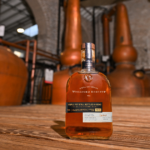







Around 20 staff members at Scotland’s recently reopened Rosebank Distillery learned this week they would lose their jobs by early October, as the historic whisky maker struggles with lower-than-expected visitor numbers at its visitor center.
The employees, who reportedly work as tour guides, retail staff and duty managers at the Camelon Road facility, were called to a morning meeting where management delivered the announcement. Staff reportedly felt “shell shocked, angry and – most of all – betrayed” by the news, according to the Falkirk Herald.
Rosebank Distillery Cites Challenging Market Conditions
Owner Ian Macleod Distillers confirmed it had proposed to re-evaluate staff number in response to challenging trading conditions and a softening global whisky market. The company allegedly said the visitor center, which opened just 14 months ago, was operating at a loss despite marketing efforts to attract tourists from nearby Edinburgh and Glasgow.
Quick whisky question
Single malt is everywhere, but what does it mean? We want to know what the word “single” means to you. Three quick questions, under a minute.
“Our concentrated marketing campaigns have focused on attracting independent tourists to Falkirk from nearby tourism hotspots such as Edinburgh and Glasgow, but visitor numbers are lower than anticipated and hoped,” said Stuart Hendry, brand homes director for Rosebank Distillery, according to the Falkirk Herald.
The company spent four years restoring the historic building, which originally opened in 1840 but closed in 1993.
The distillery’s revival had been celebrated by whisky enthusiasts as the return of one of Scotland’s “silent” distilleries. Tours offered visitors insights into the production process and the brand’s history, while the retail shop sold various spirits and merchandise.
What Will Whisky Look Like in 2027? Voices from Whisky Live Paris
READ THE STORYJob Losses Part of Broader Operational Changes
As part of the restructuring, Rosebank will reportedly reduce its public opening hours while maintaining year-round operations. Management said the changes aim to create a more flexible operating model that better matches visitor demand.
“This, combined with the level of tourism footfall from passing visitors in Falkirk, is insufficient to sustain our current operating model,” Hendry explained. He emphasized that the decision was not a reflection on staff performance, adding that the company was handling the process “with the compassion, dignity and respect they deserve.”
The redundancies come as Scotland’s whisky industry faces headwinds from global market volatility and changing consumer patterns. Despite its prestigious history and recent multimillion-dollar renovation, Rosebank has struggled to generate sufficient visitor traffic in Falkirk.
Affected employees’ contracts will seemingly terminate in early October, marking a disappointing chapter for a facility that had symbolized the revival of Scotland’s whisky heritage.
 Latest On The Whiskey Wash