


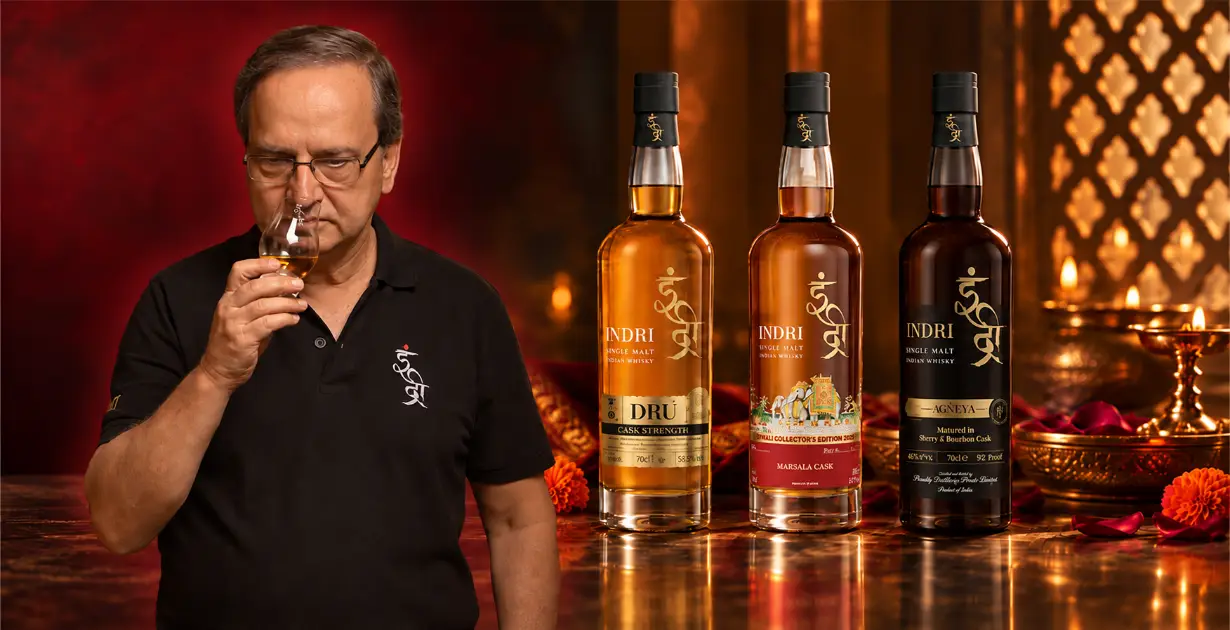
Indri achieved something unusual at the 2026 International Whisky Competition (IWC): it took first, second, and third place in both the Best Indian Whisky and Best Single Malt Indian Whisky categories.
For master blender Surrinder Kumar, who joined Indri in 2019, the result represents something bigger than another collection of awards. He believes Indian single malt has reached the point where it no longer needs to justify its place alongside Scotch, bourbon and other established whisky traditions.
I spoke to Kumar about the significance of Indri’s clean sweep, what blind judging can tell a whisky maker, and what’s next for the multi-award-winning distillery.
What Will Whisky Look Like in 2027? Voices from Whisky Live Paris
READ THE STORYFrom Novelty to Genuine Contender
Indri is made by Piccadily Distilleries at its distillery in Indri, a village in the Karnal district of Haryana. The brand launched in 2021 with Indri Trini, which was billed as India’s first triple-barrel single malt. Kumar said that when he joined in 2019, “the aim was to build an Indian single malt whisky of such quality that could stand on the world stage rather than be judged on where it came from.”
Kumar spent 19 years in the Indian whisky industry before joining Indri, an experience that taught him “how much Indian terroir could offer, if you are patient enough to draw it out.” He sees the IWC results as proof that patience has paid off.
“What matters to me personally is less the recognition itself and more what it represents: Indian single malt no longer needs to explain itself,” he added. “That shift, from novelty to genuine contender, is the achievement I set out to help build, and seeing it recognised by international judges is deeply rewarding.”
 Trending Content
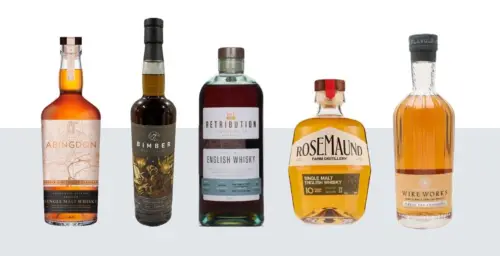
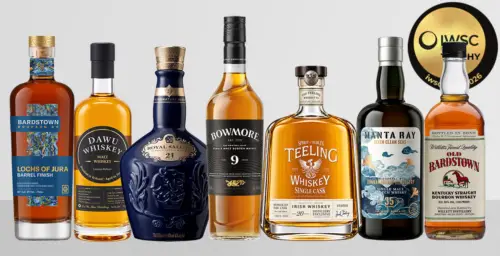
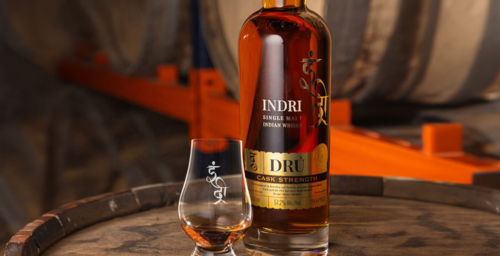
Indri’s Three Award-Winning Whiskies
For Kumar, a result across the whole category carries more weight than any one winner. “Winning across the whole category says more about Indri as a whole rather than having just one exceptional bottle,” he said.
The Diwali Collector’s Edition 2025 topped both categories with 93.53 points. Indri Dru Cask Strength followed in second place with 90.87 points, while Indri Agneya completed the clean sweep in third with 89.70 points.
The three whiskies are quite different from one another. The Diwali Collector’s Edition 2025 is finished in Marsala wine casks and was bottled at 58.5% ABV. Indri Dru is a punchy expression bottled at cask strength, while Indri Agneya is a lightly peated yet tropical whisky and a permanent part of the range.
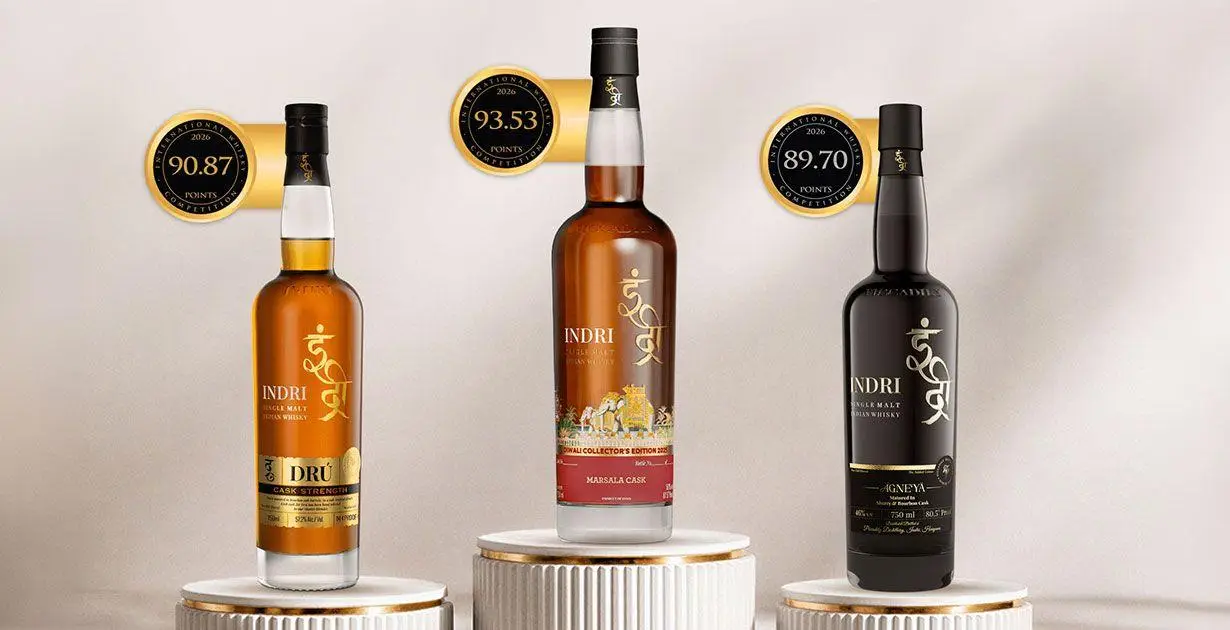
“Producing three single malts that judges rank first, second and third speaks to our consistency and house style that holds up across very different expressions which is harder to achieve than a single win,” Kumar said.
Of course, taking all three places in two categories doesn’t necessarily make Indri the best Indian single malt distillery. Competition results reflect the whiskies entered and the preferences of that year’s judging panel. Nevertheless, the fact that three different Indri expressions performed so consistently is noteworthy.
I asked whether he would have predicted the order. “Indri’s Diwali Collector’s Edition taking first felt right to me. It is our most ambitious release each year,” he said. “Indri Dru, at cask strength, has always shown real intensity, so second position made sense.” Agneya’s third-place finish was particularly encouraging for Kumar. “Where I am genuinely pleased is with Indri Agneya’s placing, because a newer expression proving itself against more established names is exactly the validation you hope for.”
What a Medal Can and Can’t Tell You
Whisky awards are useful, but they can also be confusing for consumers. With so many competitions awarding medals every year, it’s not always obvious what a gold medal actually means, or how much influence it should have over a buying decision.
For Kumar, blind judging offers something that sales figures and consumer feedback cannot. He describes it as “the one form of feedback with nothing else attached to it,” allowing him to assess “whether the craft itself holds up and whether the balance between cask types is genuinely well executed.”
For consumers, however, an award serves a different purpose. “What it tells you is that a panel with no knowledge of price, packaging or reputation found something genuinely well made in the glass,” Kumar said. “That is worth something, because it strips away marketing and leaves only the whisky itself.”
He was just as clear about what an award can’t do. “What it cannot tell you is whether you personally will enjoy the style, whether it is peated or sherried or fruit-forward, or whether it suits how you like to drink.”
His advice is to treat a medal as a reason to try something new. “It should be the reason you pick up an unfamiliar bottle, not the reason you assume you already know what’s inside.”
“It should be the reason you pick up an unfamiliar bottle, not the reason you assume you already know what’s inside.”
A Whisky That Could Only Come From India
Kumar believes awards are especially useful for Indian whisky outside India, because “international consumers arrive at Indian whisky carrying expectations built by Scotch and bourbon, categories with a century or more of established reputation.”
A good result, he said, helps close that gap. “A strong result at a respected competition gives a newer whisky-producing country a form of shorthand credibility that reputation alone cannot yet provide.” He also acknowledged the limitations of awards. “Awards will not replace the slower work of building a reputation over decades, but they’re a trustworthy marker of quality.”
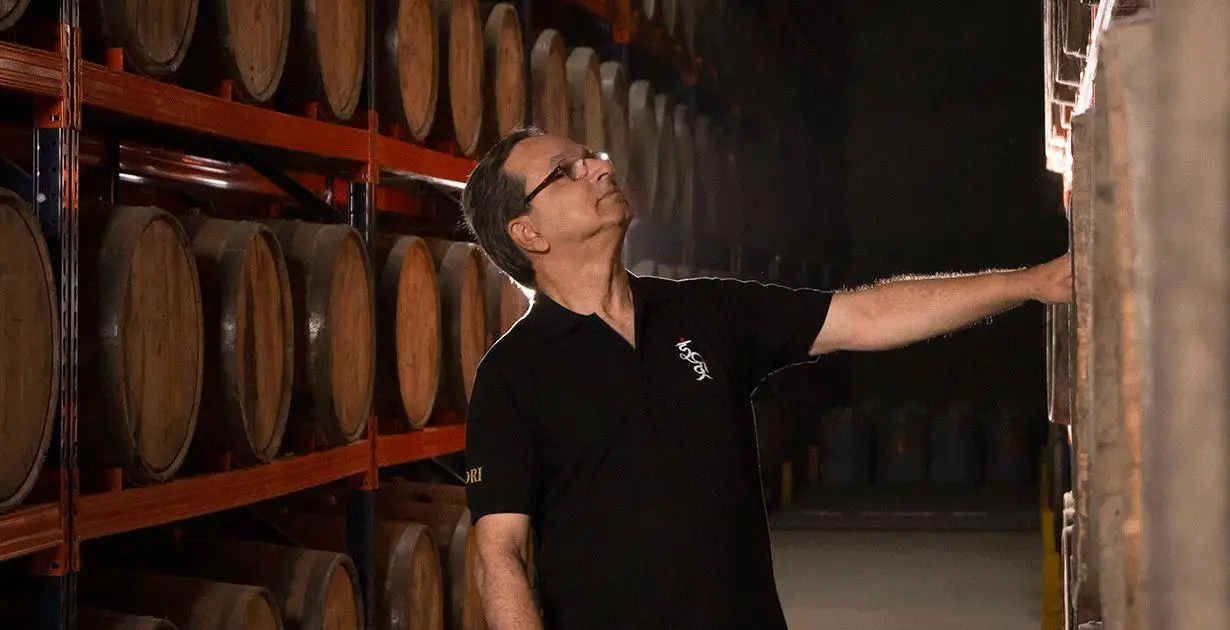
In Kumar’s view, the awards reflect well on India specifically because Indri’s character comes from where it is made. The six-row barley is grown in Rajasthan, and the whisky matures through Haryana’s extreme seasonal temperatures, both of which we talked through in detail earlier this year. “If Indri had won by producing something that tasted like it could have come from anywhere, the awards would say nothing about India,” he said.
He has noticed a change in the questions people ask him, too. “A few years ago, questions were about whether Indian whisky could be taken seriously at all. Now they are about specific expressions, cask types and our unique climate’s effect on maturation.”
“If Indri had won by producing something that tasted like it could have come from anywhere, the awards would say nothing about India.”
Depth Rather Than Breadth: Where Indri Goes Next
With so much recognition behind it, I asked Kumar where Indri goes next. For him, the priority is building aged stock and exploring longer maturation, rather than simply increasing production.
“The next phase is about depth rather than breadth. We want to keep building aged stock, and to keep exploring what single casks and extended maturations can do within our style, rather than chasing volume for its own sake,” he said.
Part of the plan is the visitor center Indri opened in Haryana in 2025, which he described as “giving people a place to understand the whisky rather than just taste it.” Internationally, the focus is on the markets where Indri is already sold, “so Indri sits alongside the world’s leading single malts rather than being viewed as a brand in an emerging category.”
Kumar joined Indri in 2019 with the ambition of creating a single malt that could compete internationally on quality alone. Seven years later, three of his whiskies have occupied every podium position in two categories at the International Whisky Competition. For Kumar, the challenge now is no longer proving that Indian single malt belongs on the world stage, but ensuring it stays there.