





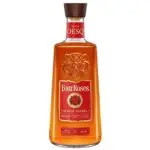
The bourbon here in question is one I find with a good balance of flavors, except it is perhaps a little too aggressive in the oak. The use of Armagnac casks in finishing American whiskey is not entirely new as some other distilleries have been doing this in recent years too. The Bardstown variant of this particular cask finishing style is thus far one of the better ones I’ve encountered overall.
Editor’s Note: This whiskey was either bought as a sample by The Whiskey Wash or provided to us as a review sample by the party behind it. Per our editorial policies, this in no way influenced the outcome of this review.
Nino Kilgore-Marchetti is the founder of The Whiskey Wash, an award-winning whiskey lifestyle website dedicated to informing and entertaining consumers about whisk(e)y globally. As a whisk(e)y journalist, expert, and judge, he has written extensively about the subject, been interviewed in various media outlets, and provided tasting input on many whiskeys at competitions.

Can an 11-year-old English single malt match an 18-year-old Scotch? Ascalon unpacks the new GI rules on grain, stills, casks and ageing that set English whisky apart.
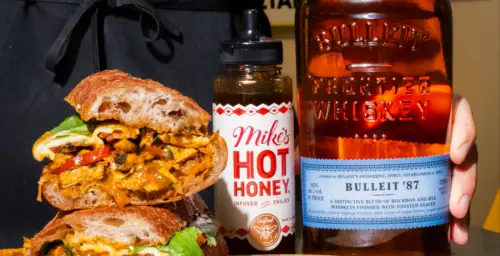
What happens when a bourbon-rye blend meets hot honey? Bulleit and Mike’s Hot Honey are taking their ‘sweet heat’ pairing on a 22-event tour across 15 US cities.
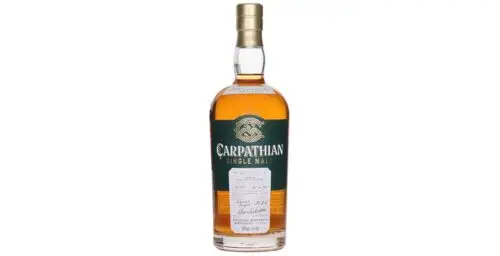
Can a Romanian red-wine cask transform single malt? Carpathian’s Feteasca Neagra finish delivers ripe grapes, berries, vanilla and warming oak.