

Single malt Scotch has long enjoyed a reputation as the superior choice, while blended whisky is often seen as the cheaper, less exciting alternative. But does that reputation hold up when you compare bottles at the same price?
Single malt Scotch is made from malted barley, water, and yeast, and distilled at a single distillery. Blended Scotch combines malt and grain whiskies from different distilleries. Grain whisky sometimes gets a bad reputation, but it can bring lightness, sweetness, and balance to a blend.
So, when it comes to single malt vs. blended Scotch, which gives you more for your money? I’ve picked three pairs of whiskies at matching prices to find out.
Symington’s 10 Year Old Blended Whisky, 46%, $30 vs. Glen Moray 12 Year Old Single Malt, 40%, $30
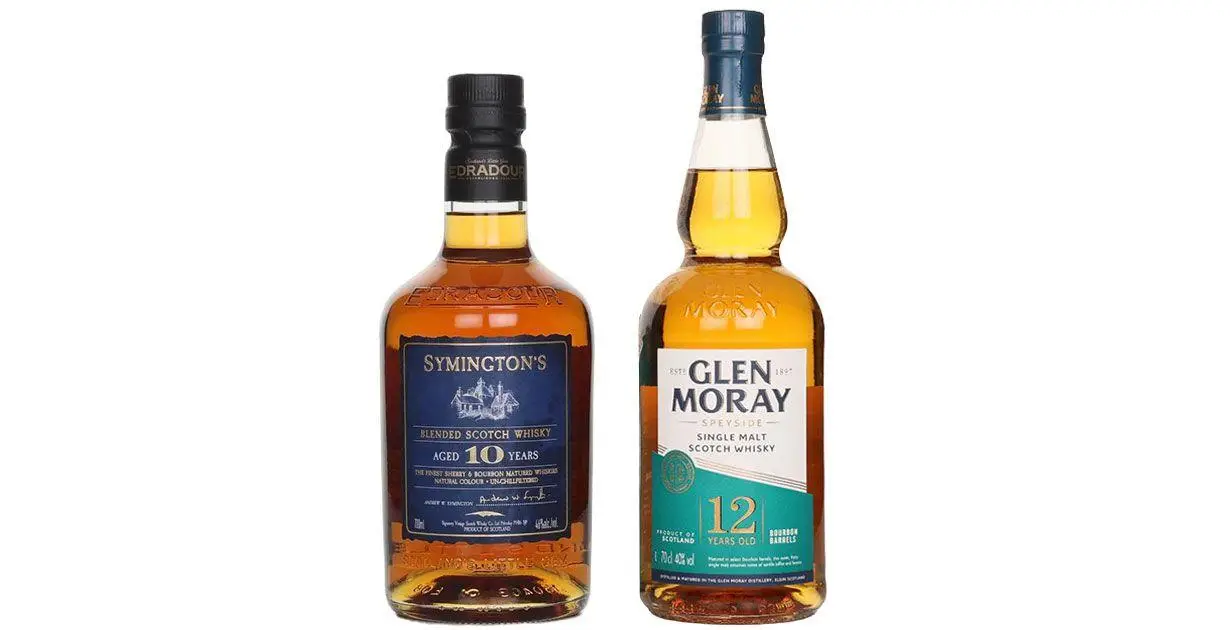
If you’ve never heard of Symington’s Blended Whisky, you should try to get your hands on a bottle. It’s a product of Andrew Symington, the owner of Edradour Distillery and Signatory Vintage independent bottlers. It’s a rich, decadent blended whisky that delivers an incredible amount of flavor for the money.
Expect plenty of dried citrus, rich sherry notes, soft biscuits, and honey. The finish lingers, with a gentle sherry sweetness running through it. For $30, it’s an outstanding purchase.
Glen Moray is a great distillery, and its 12 Year Old single malt is a fabulous example of what it does best. It’s a light, sweet, approachable whisky that makes an excellent introduction to Scotch.
The flavor profile is full of green apples, pears, vanilla, and caramel. It’s an easygoing single malt that shows just how much quality you can get for a relatively modest price.
For this first comparison, I’m giving the win to Symington’s 10 Year Old. Not only are you getting a higher ABV and some lovely sherry influence for the same price, but it’s simply an incredible bottle for the money.
Compass Box Nectarosity Blended Whisky, 46%, $60 vs. Glendronach 12 Year Old, 43%, $60
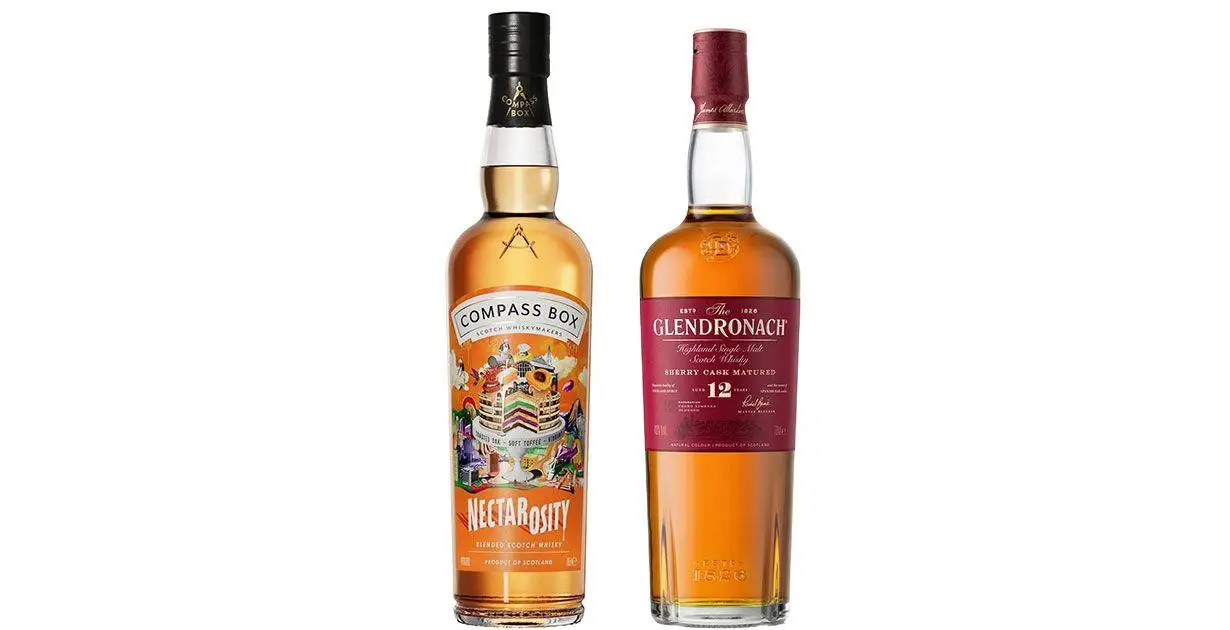
Here’s a battle between two brands that have built impressive reputations since the turn of the century. Important to note, though, that Compass Box Nectarosity is a blended malt, not a single malt.
Glendronach 12 Year Old is an absolutely extraordinary sherried single malt. Yes, it’s no longer independently owned, and the price has crept up, but it’s still a really good bottle of whisky. It’s cheaper than many of its competitors and delivers excellent flavor.

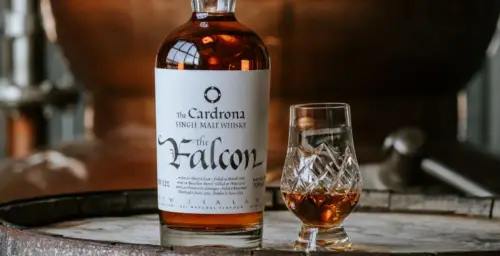

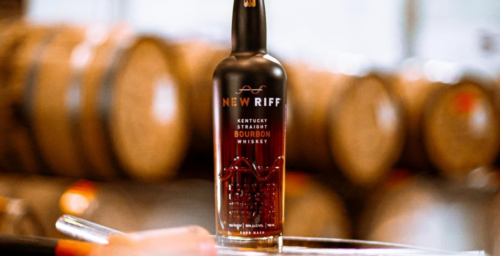
Expect plenty of orange, chocolate, raisins, and wafer biscuits, followed by a gentle, warming finish that sticks around for ages. There’s a lovely nutty sherry sweetness in the background that makes it particularly comforting at this time of year.
Compass Box Nectarosity brings together whiskies from Cameronbridge, Girvan, Linkwood, Clynelish, and Balmenach. These grain and malt distilleries contribute plenty of sweetness and fruit to the finished blend.
Think butterscotch, apricots, nectarines, pineapple, buttery pastry, and warm honey. It’s a wonderfully vibrant, lively blended whisky that demonstrates what Compass Box does so well: creating exceptional blends using whiskies from distilleries that don’t always get the attention they deserve.
I love both of these whiskies, but my preference here is Compass Box Nectarosity. It’s loaded with fruit and caramel, giving it a freshness and vibrancy that really stands out. Glendronach is still fabulous for the money, no doubt, but in this battle of single malt vs. blended Scotch, I’m giving the win to the blend again.
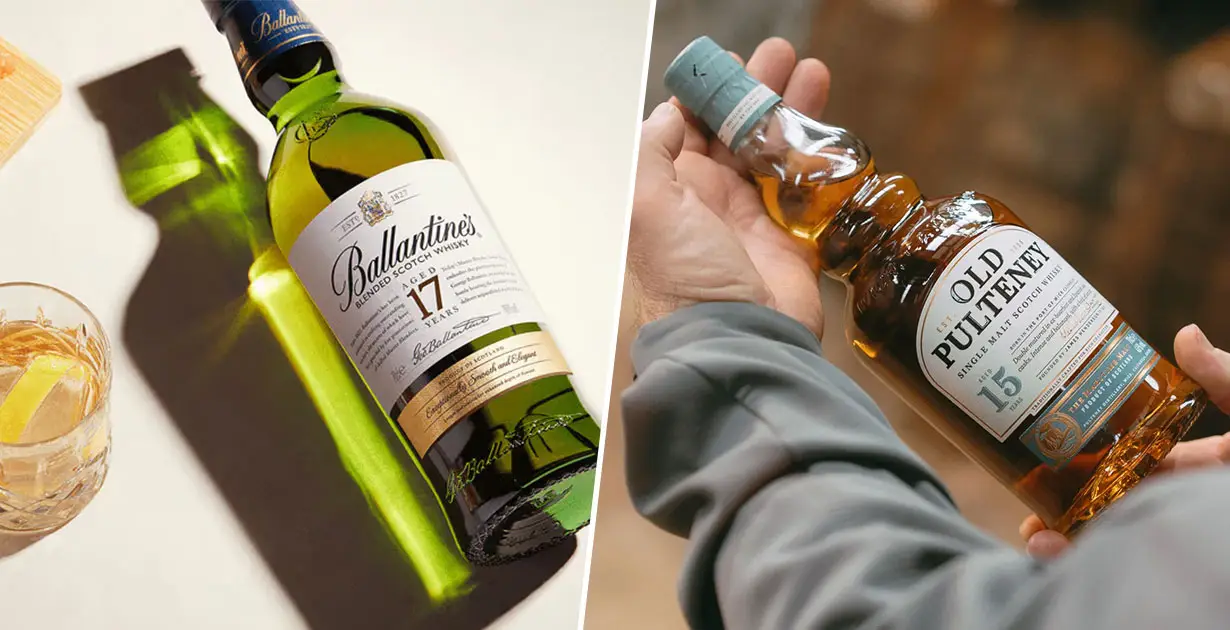
Ballantine’s 17 Year Old Blended Whisky, 40%, $100 vs. Old Pulteney 15 Year Old, 46%, $100
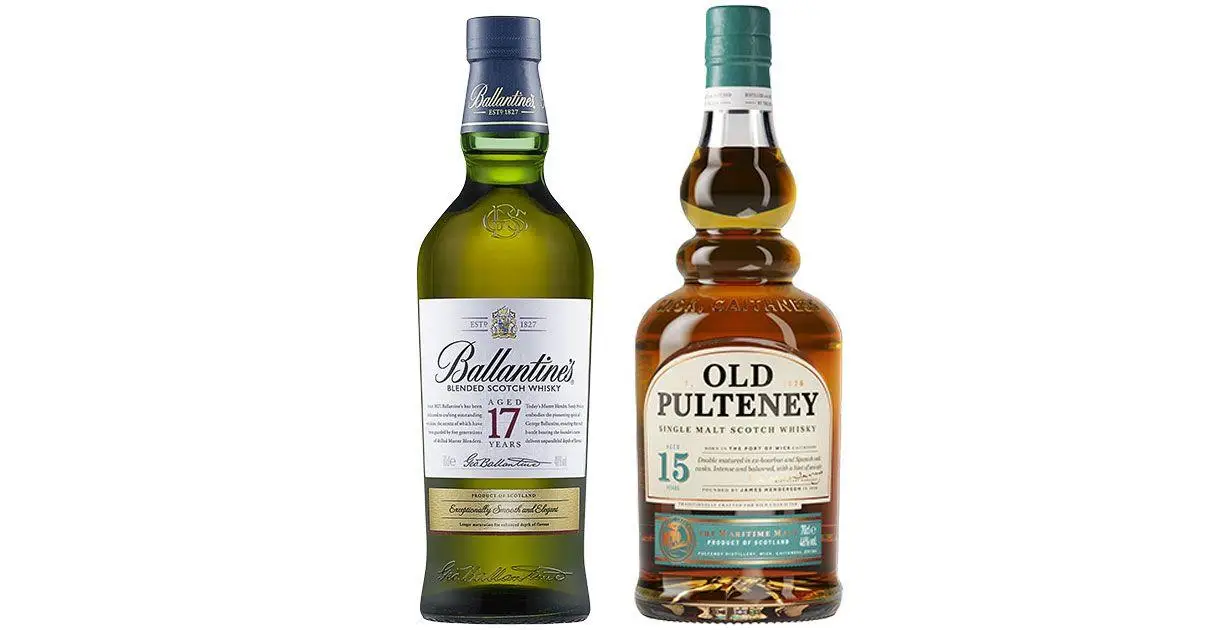
Ballantine’s has an incredible reputation around the world for producing fruity, light, and well-balanced blended Scotch. Its range includes numerous age statements and styles, but the 17 Year Old is one of its best-known expressions.
The aromas and flavors are driven by ripe, fresh fruits such as apples, pears, and mango, with a little touch of coconut. It’s a lovely, light style, and you’re paying for some well-aged whisky here. However, I can’t help feeling that a slightly higher ABV would give those flavors more weight and a longer finish.
It’s a fine blended whisky, but at $100, you have to consider what else your money could buy.
Enter Old Pulteney 15 Year Old, an underrated coastal single malt with sherry cask influence. It isn’t peated, but it has a soft, salty edge that gives it plenty of character.
There’s honey, red fruit, poached pears, and caramel, alongside that gentle saltiness. The sherry casks bring an additional layer of milk chocolate, raisins, and citrus, particularly orange oil.
On the palate, it’s full and rounded, with caramel, honey, salt, and those rich sherried notes all coming together. The finish seems to go on forever.
This is a well-aged single malt with plenty to say for itself. When you’re spending triple digits on a bottle of whisky, you want something that delivers as much flavor and character as possible. For me, Old Pulteney is the clear winner.
Both bottles offer fruit-forward profiles, but Old Pulteney’s higher ABV and sherry cask influence give it the edge. There’s more weight, complexity, and a finish that keeps delivering long after the last sip.
How Far Does Your Money Go?
Ultimately, this comparison is about finding the whisky that gives you the most enjoyment for your money. If you prefer something lighter, fresher, and easygoing, Glen Moray and Ballantine’s are both excellent options.
But if you’re looking for bigger flavors, greater complexity, or something a little different, the winners in these three comparisons are hard to beat.
The blends took two out of three rounds, which goes to show that single malt doesn’t automatically mean better whisky. At the end of the day, it’s not about what it says on the label. It’s about what’s in your glass.