

The fire consumed seven rickhouses, 92,000 barrels of whiskey and the distillery itself. The exact cause of the fire was never determined.

And why is that number significant? The KBF claimed crowds reached 50,000. (And if anyone believes that happened, I’ve got a truckload of Pappy to sell them.) How fitting that past Bourbon Festival marketing claims surpassed some equally dubious bourbon history claims.
VIP tickets sold out long ago, but some general admission tickets remain available. Click here to get yours.
What Will Whisky Look Like in 2027? Voices from Whisky Live Paris
READ THE STORYAnd the winner for July’s best clickbait headline: “25 Smoothest Bourbon Whiskeys of All Time.” How’s that for a preview to some dim writing? (I’ll not mention the publication here, but click here if interested.) Of course, what bugs many bourbon fans is the use of “smoothest” in the headline. That adjective works well for sales of silk bedding or polished granite, but it usually draws the ire of brown liquor lovers. (Personally, I think calling whiskey “juice” is weird and far worse, but there’s no sense in tilting at that windmill.)
Unable to resist seeing what the writer chose as the smoothest juices, er, um, bourbons, I took the clickbait. Initially I thought, she must have a chrome-plated palate given some of her choices: Booker’s, Barton 1792 Full Proof, Angel’s Envy Cask Strength and Bulleit Barrel Strength—all beloved but noted punches in the mouth.
On the heels of Pritzker’s purchase of Bardstown Bourbon Co. (BBC) in May, BBC (perhaps with a roll of Pritzker cash in hand) made its own trip to the corporate liquor store and cleared Green River Distilling Co. from the shelf in July.
 Trending Content
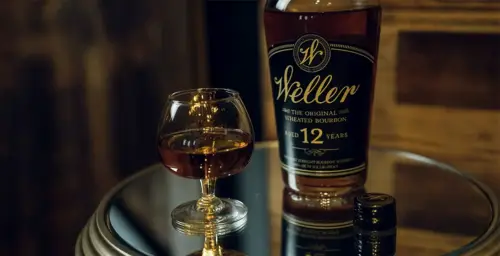
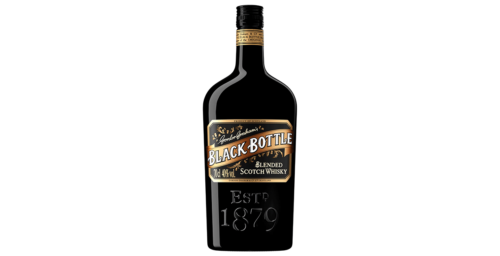
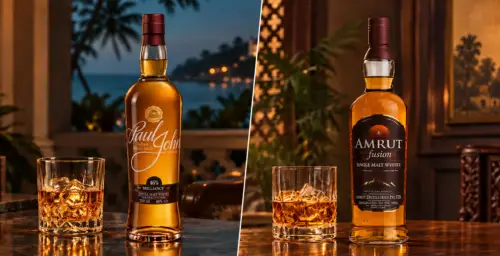

Neither distillery is even a decade old, but both are significant players on the contract distilling scene. BBC boasts 50 clients while Green River makes whiskey for 20 of its own, and the strategy of making others’ first has worked well for both. Green River released a 5-year-old namesake bourbon this year and some expect BBC will release a 6-year-old bourbon this year.

Immediately following the Green River sale, its master distiller, Jacob Call, left to work on another distillery project (which remains to be revealed). What’s clearly not hidden, though, are the perplexed looks on locals’ faces in Owensboro, Ky., home to Green River. They range somewhere between, “What the hell just happened?” and “I’ll be damned.”
Here’s why that matters: Prior to being badged as Green River Distilling Co., the O.Z. Tyler Distillery name was on the distillery. Owensboro is historically a whiskey town; home to 20 distilleries until Prohibition killed them off. Knowing OTZ liquid included TerrePure whiskey from its parent company, Terressentia, locals didn’t want any part of it.
But when the distillery focused fully on making great whiskey like the original Green River Distilling Co., locals got excited about the liquid and supported the business.
Now, though, and in short order, things are changing. The distillery is owned by an outside firm and the master distiller Owensboro adopted as one of its own is suddenly gone. You can understand why they’re asking, “What the hell just happened? And what’s coming next?”
Hard seltzer sales are plummeting, but whiskey fans aren’t crying. For the past two years, sales of hard seltzer like Truly, White Claw and Bud Light Everything But the Kitchen Sink took off just like trendy, low-carb, might-make-you-look-sexy stuff always does. And while hard seltzer sales aren’t dead, they’re sliding precipitously.
Firstly, I’m truly not sorry. The few times I tried hard seltzers, I never could claw my way further into those skinny cans for more than a few sips. Call me a geezer set in his drinking ways … whatever … I just don’t like them. They’re not horrible, they just taste, well, meh.
And the maker of Truly, Boston Beer Co., may not like them either. At the height of the hard seltzer craze, shares of Boston Beer (ticker symbol SAM) hit the $1,200 mark! As of this writing, they’ve plummeted to $375. Not all of that decline is due to Truly sales shortfalls, but it shoulders much of the blame.
Why does this matter? It’s just more proof that well-established products like American whiskey have been popular for decades now and that won’t change in the lifetime of anyone reading this. Skip the fads. Drink the good stuff!