




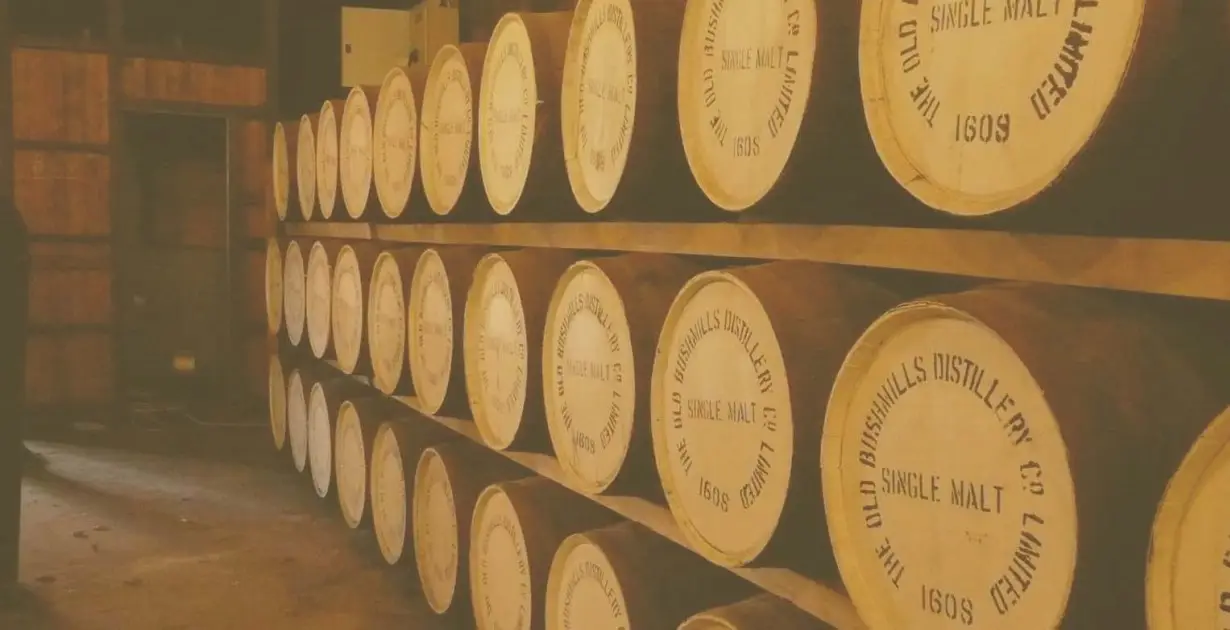
Investing in whiskey barrels represents a unique opportunity in the spirits market, but it requires careful consideration and understanding. Whether you’re a whiskey enthusiast or an investor seeking diversification, knowing the fundamentals of barrel investment can help you make informed decisions about this long-term commitment.
For a more in depth look into buying and owning whiskey barrels please download our free Whiskey Barrel Investment Guide.
The Long-Term Nature of Barrel Investment
Whiskey barrel investment demands patience, with a minimum investment horizon of 10 to 15 years. This timeline isn’t arbitrary—it’s rooted in the fundamental nature of whiskey maturation. For scotch whisky specifically, the spirit must age for at least three years before it can legally be called scotch. However, the real value develops well beyond this minimum requirement.
What Will Whisky Look Like in 2027? Voices from Whisky Live Paris
READ THE STORYMost whisky barrels are bottled before reaching 12 years of age, primarily for use in blends. This creates an interesting market dynamic: barrels that mature beyond 12 years become increasingly scarce and, consequently, more valuable. The sweet spot for selling typically falls around 18 years, when the whisky enters the premium category and commands significantly higher prices.
During this extended aging period, distilleries often invest in their brand development and market positioning, which can positively impact your barrel’s value. However, this brand evolution takes time, reinforcing the importance of maintaining a long-term perspective.
Understanding the Finite Nature of Barrel Investment
Unlike traditional investments that can be held indefinitely, whiskey barrels have a natural lifespan. Every year, a portion of the whiskey evaporates—known as the “angel’s share”—in Scotland this is typically between 1% and 4% annually but is higher in warmer climates. Additionally, the alcohol content (ABV) decreases by approximately 0.5% per year.
 Trending Content




These factors create a critical timeline for investment. The Scotch Whisky Association requires spirits to maintain an ABV above 40% to qualify as scotch whisky. Once a barrel’s contents drop below this threshold, its value diminishes significantly. Regular monitoring through regauge checks every 3 to 5 years helps track these changes and inform optimal selling decisions.
Key Investment Risks and Protection
Protecting your investment starts with proper documentation. The industry standard for ownership transfer is the delivery order, acknowledged by the warehouse storing your barrel. This is what we provide will all barrels sold through us. Without a document acknowledged by the warehouse you might face challenges when selling your investment or proving ownership.
Price transparency poses another significant challenge in the barrel investment market. Unlike publicly traded assets, there’s no open market for comparing barrel values. This opacity can lead to overpricing, particularly with older barrels. While the industry remains largely unregulated, working with reputable dealers and understanding market dynamics helps mitigate these risks.
Setting Realistic Expectations
Despite what some marketing materials might suggest, whiskey barrel investment doesn’t provide annual returns. Your capital remains tied up until you sell the barrel, ideally after at least a decade of aging. While some barrels might show significant appreciation when comparing their 3-year and 20-year values, these returns aren’t guaranteed.
The final return on your investment depends on various factors, including barrel health, brand positioning, and market conditions at the time of sale.
Success in barrel investment comes from maintaining realistic expectations and understanding that this investment vehicle requires both patience and careful management.
Remember that while whiskey barrel investment can be rewarding, it should be approached as part of a diversified investment strategy rather than a get-rich-quick scheme. With proper research, documentation, and patience, barrel investment can offer both financial potential and a unique connection to the whiskey industry’s rich traditions.
Ready to learn more? For detailed insights and expert tips to help you navigate your whiskey investment journey download the comprehensive Whisky Barrel Buying Guide written by the team at Mark Littler Ltd.
Our colleagues over at Mark Littler Ltd have curated their most helpful articles all in one place so you can learn more about buying and owning a barrel of scotch. If you’d like to find out more about moving forward with a barrel purchase please email [email protected].
Returns on whiskey barrels are not guaranteed and the value of casks can go down as well as up.