

Every year the major spirits competitions publish long lists of medal winners, and many of the most talked-about bottles on those lists are rare, very old, or priced well beyond what most people spend on a whiskey they plan to open and actually drink. This list brings together 2026 medal winners from four of those competitions, all of which you can buy for under $50 in the US or under £45 in the UK.
The six bottles cover six different styles: a Kentucky bourbon, a 100% rye, a blended Scotch, an Islay single malt, an Indian single malt and a pot still Irish blend. Their medals come from the International Spirits Challenge, the International Wine & Spirit Competition, the Bartender Spirits Awards and the ADI International Spirits Competition, and every one of them was awarded this year.
So, let’s take a look at these well-priced bottles. Let us know which one, if any, you would buy for your home bar.
What Will Whisky Look Like in 2027? Voices from Whisky Live Paris
READ THE STORYEvan Williams Bottled-in-Bond
Price: $21 / £38
ABV: 50%
Award: Double Gold, International Spirits Challenge 2026
 Trending Content
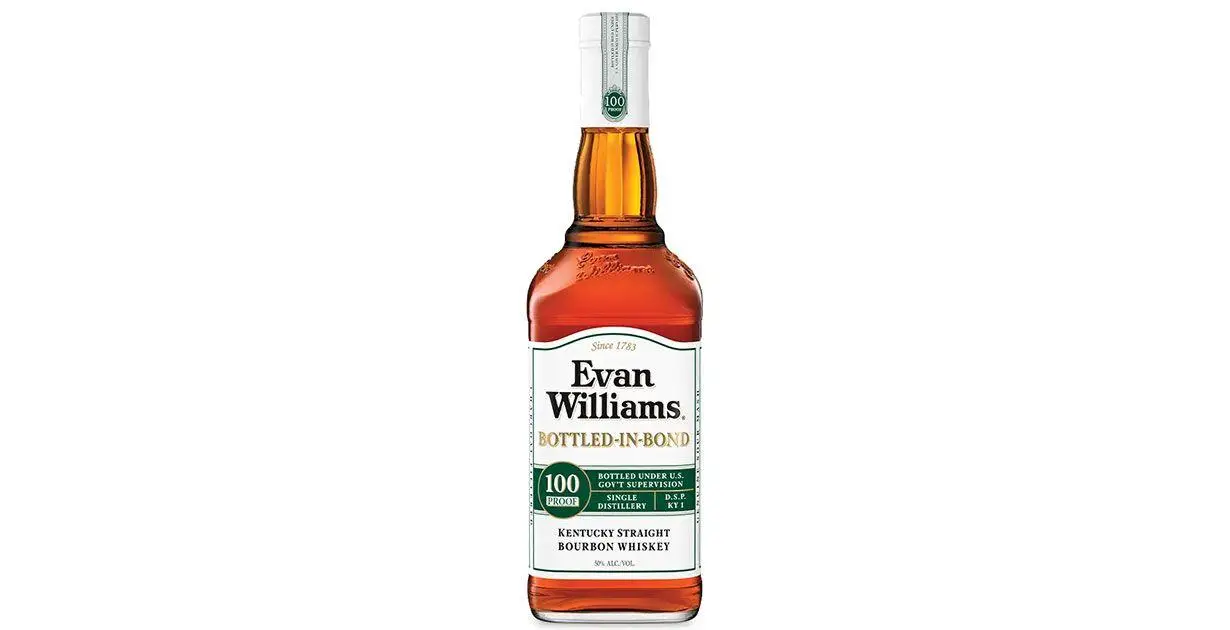
Evan Williams Bottled-in-Bond was the only bourbon to win Double Gold at this year’s ISC, according to our coverage of the bourbon results. As a bonded whiskey, it comes from a single distilling season at one distillery, is aged for at least four years in a federally bonded warehouse, and is bottled at 100 proof. Heaven Hill makes it at its Bernheim Distillery in Louisville.
Heaven Hill does not officially publish the mash bill, though it is believed to be roughly 78% corn, 10% rye and 12% malted barley, which is the same recipe used across the Evan Williams range.
Expect buttery corn, warm oak, lemon and orange from the rye, and a long, toasty finish. At $21 in the US, it is easy to justify as an everyday pour or a cocktail bourbon, though UK buyers will pay noticeably more because it is imported.
A proper value bourbon. What’s not to like?
Dewar’s 12 Year Old
Price: $30 / £28–£38
ABV: 40%
Award: Gold, International Spirits Challenge 2026
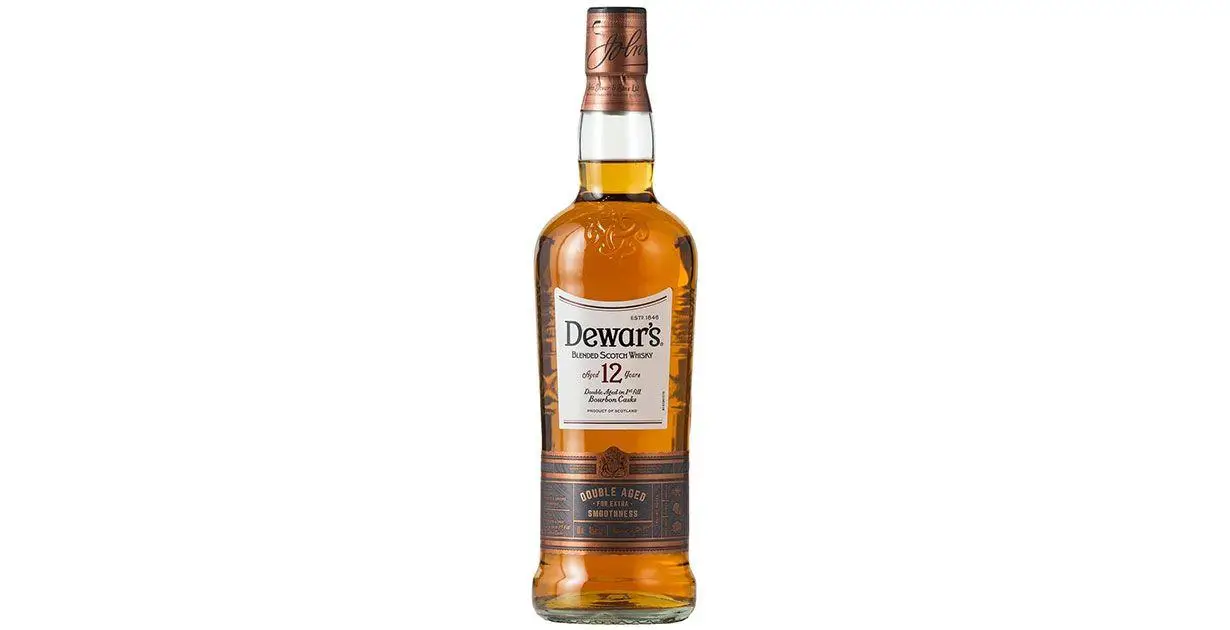
Dewar’s 12 Year Old is made by Master Blender Stephanie Macleod, who has won Master Blender of the Year at the International Whisky Competition several times.
Dewar’s uses what it calls a double aging process, where the malt and grain whiskies are aged, blended together, and then returned to oak casks to marry before bottling.
You can expect fresh vanilla, oak and a little spice, with a sweet, mellow character that makes it an easy bottle to share with friends who are newer to Scotch.
A 12-year-old blend with a Gold medal for around $30 is a strong option for anyone who wants an everyday Scotch without spending much, and Dewar’s wider award record bolsters confidence in the choice.
Bowmore 9 Year Old: A 98-Point Islay Single Malt
Price: $32 / £32.50
ABV: 40%
Award: Spirit Gold Outstanding (98 points), IWSC 2026
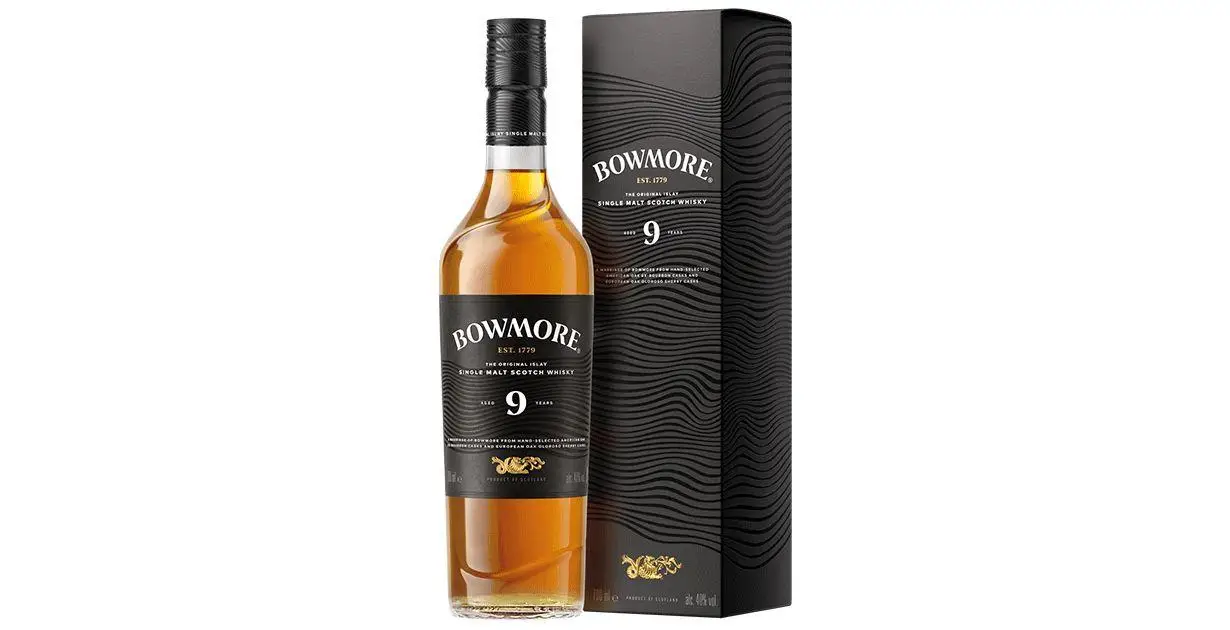
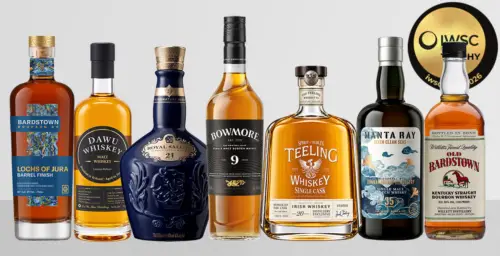
Gold Outstanding is the IWSC’s top medal tier, given to spirits scoring 98 points or more, and Bowmore 9 Year Old also took the competition’s Single Malt Scotch Whisky Under 20 YO Trophy this year. Bowmore matures it in a combination of American oak ex-bourbon casks and European oak Oloroso sherry butts.
It is gently peated, with sweet orchard fruit, malt and honey coming through alongside the smoke. For anyone curious about Islay whisky but wary of the more intense peated bottles from the island, this is a reasonably priced place to start.
Bowmore has been on a winner this year, with the Bowmore 21 Year Old being named World’s Best Single Malt at the World Whiskies Awards 2026. So, the 9 Year Old is a much more accessible way into Bowmore’s award-winning style.
Paul John Nirvana
Price: $33 / £30–£34
ABV: 40%
Award: Gold, ADI International Spirits Competition 2026
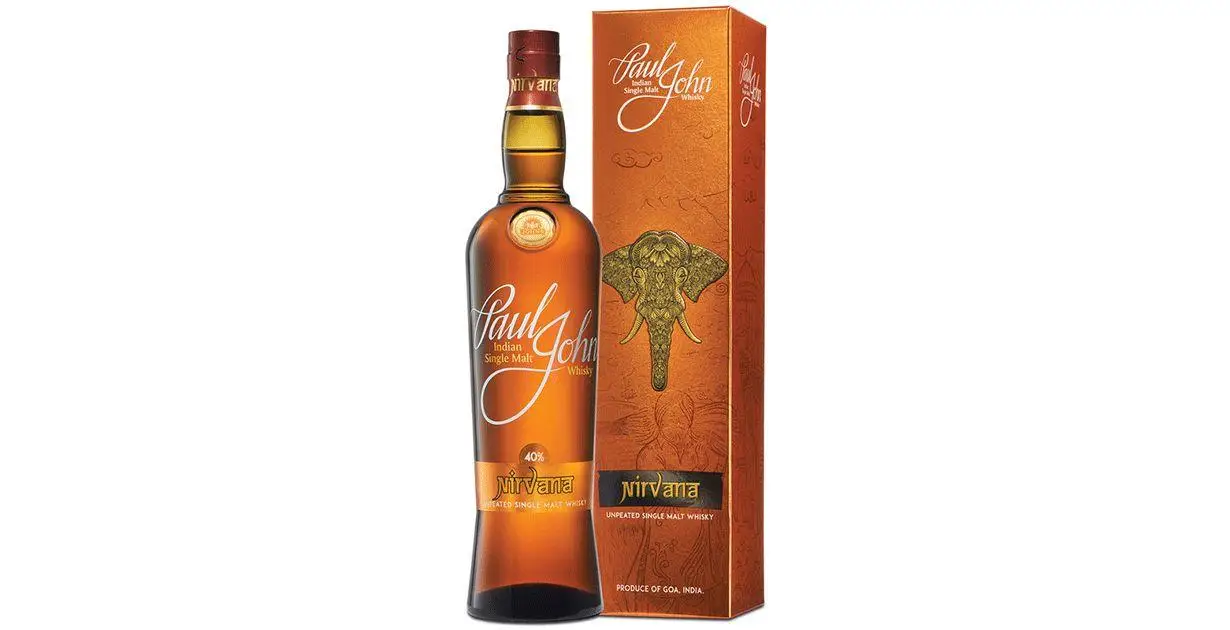
Nirvana is the entry-level single malt from Paul John, made by John Distilleries in Goa. It is distilled from six-row Indian barley in copper pot stills and matured in ex-bourbon American oak barrels, and it is unpeated. This year’s Gold at ADI follows a Double Gold at the 2024 SIP Awards.
Look for honey, fruit cake, apricot, raisins and apple, with a sweet oak finish.
If you’re yet to try Indian single malt whisky, give this one a go. It is an easy, affordable, gentle introduction to the style, and may well open up a whole new world of whisky for you.
Paul John Distillery is located in Goa, where high temperatures and swings force the whisky in and out of the wood at a more rapid rate. As such, this whisky is young, but punchy with plenty of oak influence and fruits from the barley.
WhistlePig PiggyBack Rye
Price: $40 / £43
ABV: 48.28%
Award: Double Gold (99 points), Whisky of the Year, Rye Whiskey of the Year, Spirit of the Year United States of America and Spirit of the Year, Bartender Spirits Awards 2026
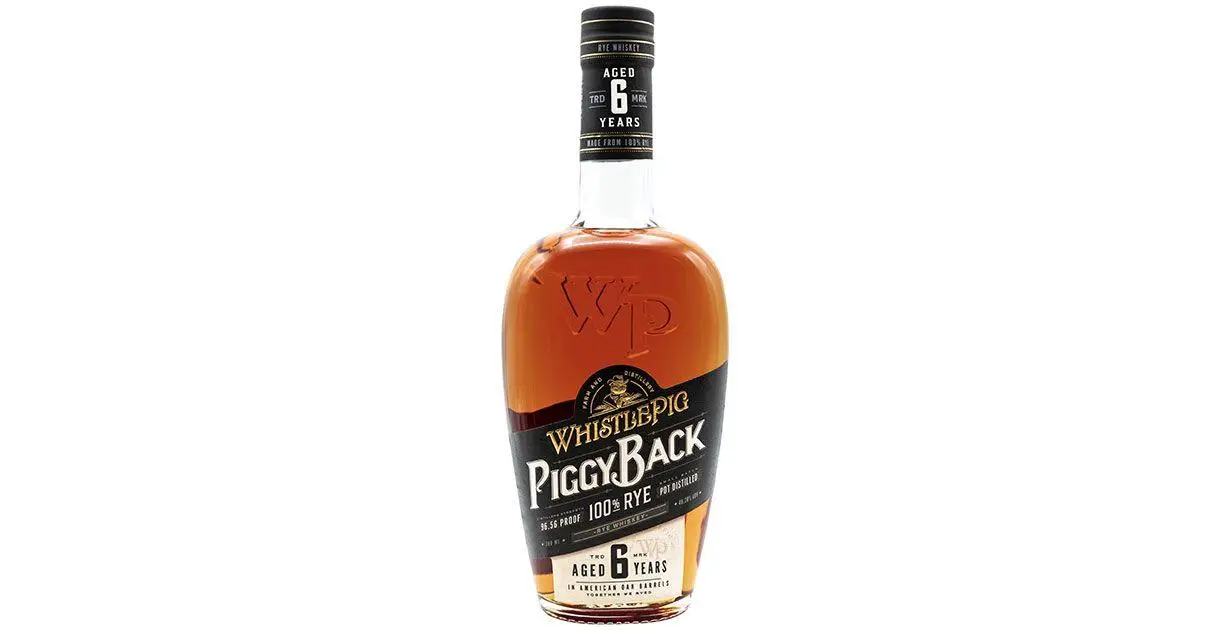
PiggyBack scored 99 points, the highest score of the whole competition. It is a 100% rye aged for six years in American oak, developed by the late Dave Pickerell and Master Blender Pete Lynch as a rye for bartenders. The spirit has historically been distilled at Alberta Distillers in Canada before being bottled by WhistlePig in Vermont.
On the nose there is grass, black pepper and dried spice, followed by a balanced palate and a long finish. At 96.56 proof and around $40, it makes a strong case for itself as a house rye for Manhattans and Old Fashioneds.
A fabulous go-to rye for cocktails.
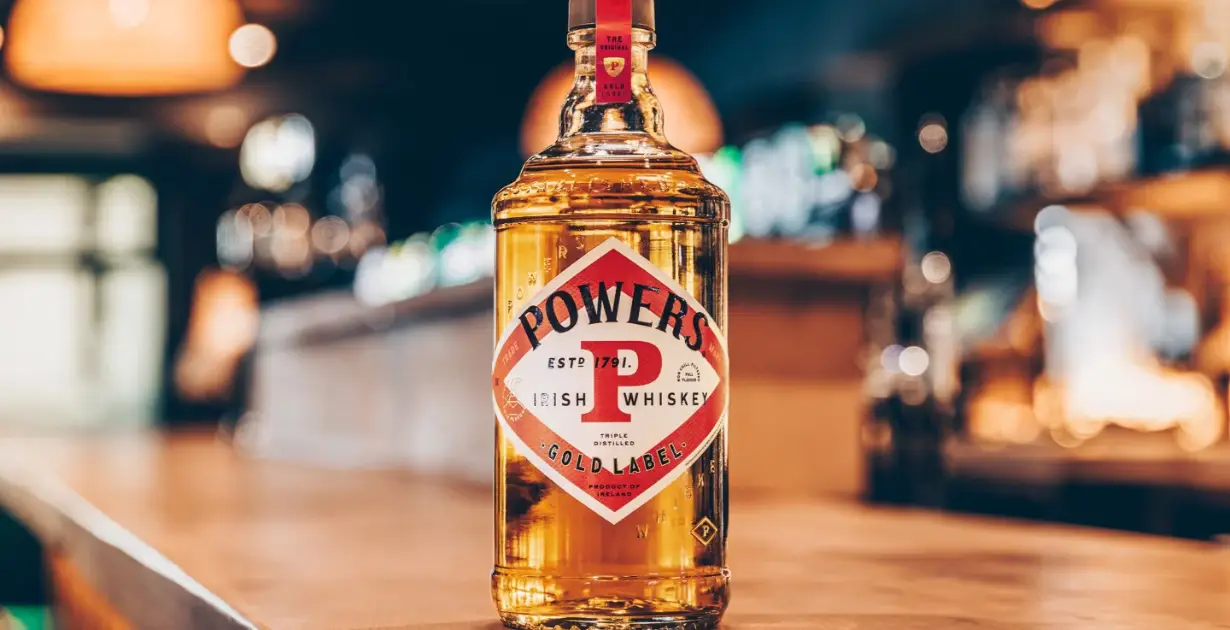
Powers Gold Label: A Pot Still Irish Blend From Midleton
Price: $45 / £33
ABV: 43.2% (US), 40% in some European markets
Award: Gold, International Spirits Challenge 2026
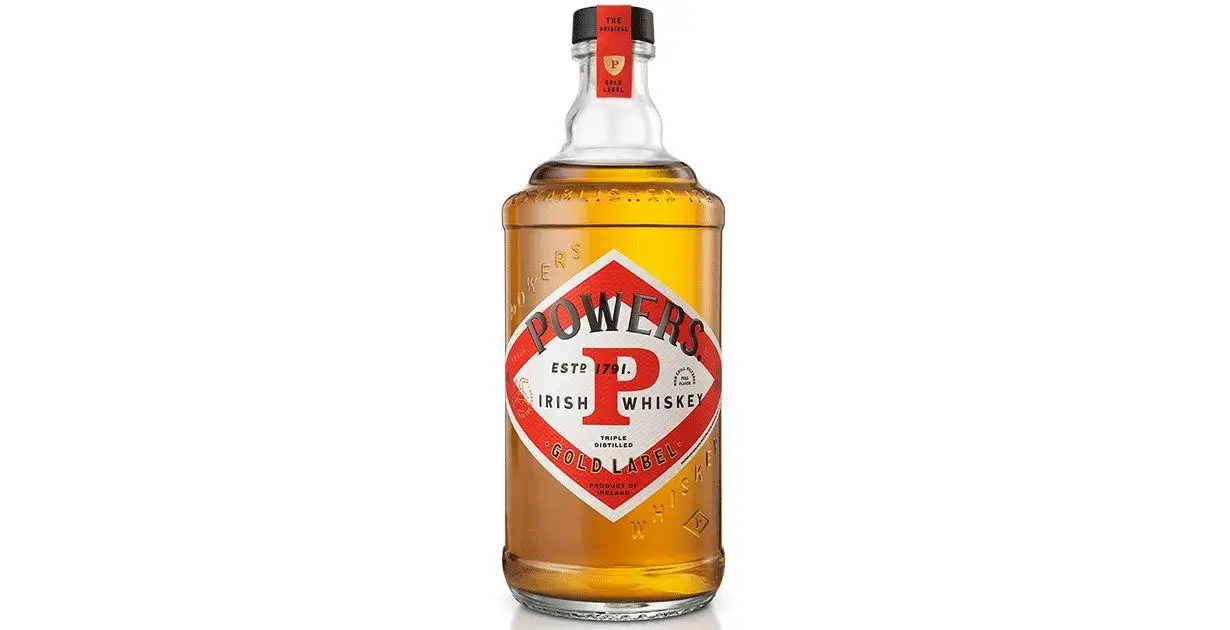
The Powers distillery was founded on John’s Lane in Dublin in 1791, and the brand began bottling its whiskey under the Gold Label in 1866. Today it is made at the Midleton Distillery in County Cork as a blend of triple-distilled single pot still whiskey, made from a mash of malted and unmalted barley, and grain whiskey.
Expect sweet, buttery biscuit and chocolate chip notes, with melted chocolate, oak spice and warm honey on the finish. I enjoy it in an Irish coffee as well as neat or in a Hot Toddy.
A legacy bottle from an Irish whiskey powerhouse.
What These Medals Actually Mean
The ISC, IWSC and ADI all judge blind, so the panels score each whiskey without knowing the brand, the packaging or the price. The ISC awards Bronze, Silver, Gold and Double Gold medals. At the IWSC, a Gold covers scores of 95 to 97 and Gold Outstanding covers 98 to 100. At ADI, a Double Gold requires every judge on the panel to independently score the spirit 90 or higher.
The Bartender Spirits Awards work differently. Bartenders taste each entry blind first, and are then shown the price so they can score its value. The final score also includes mixability, balance, versatility, and packaging.
Of course, competition medals aren’t the be-all-and-end-all, but they do offer a useful metric for whisky drinkers looking for something new and good value. So, do any of these whiskies already have a place on your shelf? Are you tempted to try one for very little financial input? Let us know in the comments below.