




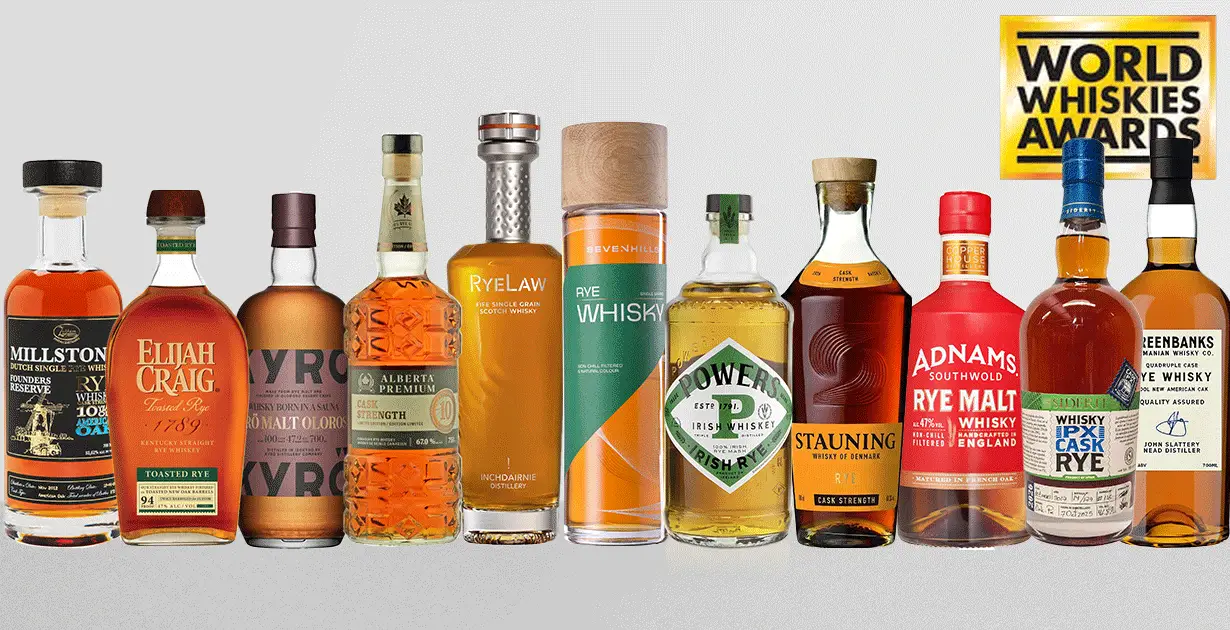
Rye whiskey is most often associated with America and Canada. Whilst these countries produce some of the best-known examples, they are by no means the only regions making high-quality rye.
The World Whiskies Awards 2026 highlighted just how far the category has spread. This year’s winners range from Tasmania to Finland, and from Scotland to Spain. Some of these regions are still emerging, yet they are already producing award-winning whiskies.
Styles vary just as widely. Some are built on 100% rye, others on malted rye, and several are shaped by strong cask influence.
Quick whisky question
Single malt is everywhere, but what does it mean? We want to know what the word “single” means to you. Three quick questions, under a minute.
So, in the interest of exploring the modern world of rye, these are the standout winners from the rye category at the World Whiskies Awards 2026.
Siderit 2026 Whisky PX Cask Rye
Award: World’s Best Rye & Best Spanish Rye
Tasting Notes: “The nose shows chocolate and honeycomb, reminiscent of a Cadbury Crunchie. On the palate, it is smooth with white chocolate, honey, nougat, ginger, cinnamon, and turmeric, with ginger lingering on the warm, balanced finish.” – WWA Judges
What Will Whisky Look Like in 2027? Voices from Whisky Live Paris
READ THE STORYFind Your Next Bottle: $230
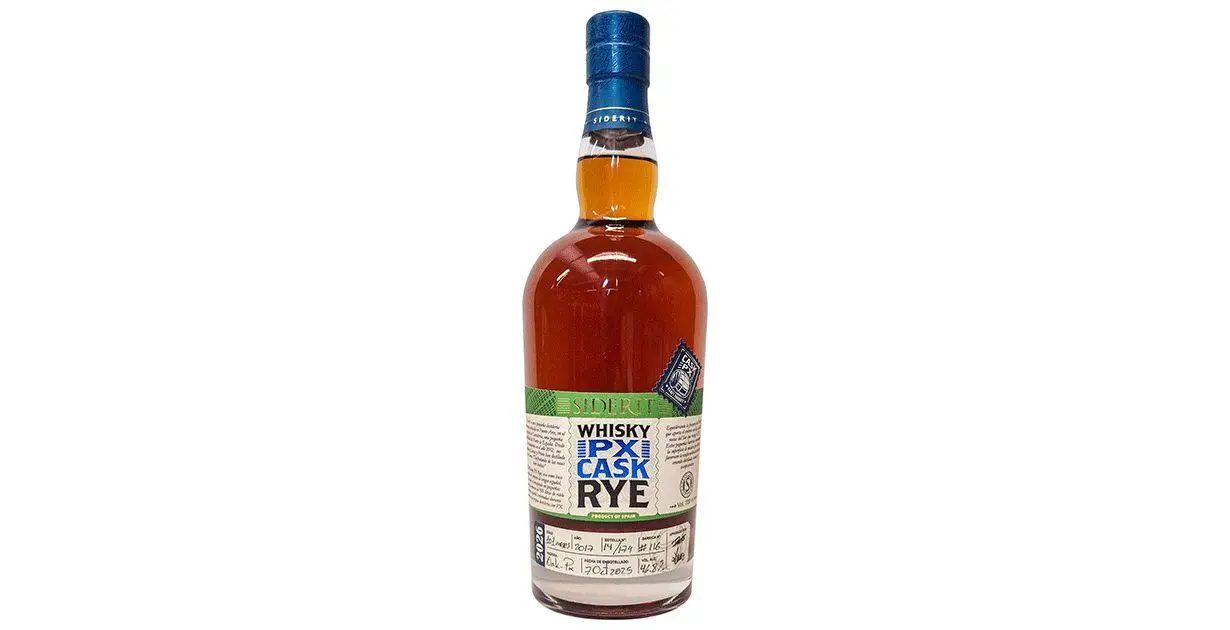
Spain is not the first place most people look for rye whiskey. And yet, Siderit 2026 Whisky PX Cask Rye is, according to the WWA judges, the best rye in the world.
Produced by Destilería Siderit in Cantabria, this whisky reflects a growing movement in European rye. The distillery focuses on small-batch production and a clear identity built around 100% rye malt, which sets it apart from the grain-forward styles more common in North America.
The defining feature here is maturation in Pedro Ximénez casks. Siderit has developed a series of PX cask rye releases, with each edition building on that foundation. This particular whisky spent around 86 months in PX casks from Bodegas Lustau.
Being named World’s Best Rye at the World Whiskies Awards places it at the centre of the category’s current evolution.
Greenbanks Tasmanian Whisky Co Quadruple Cask Rye
Award: Best Australian Rye
Tasting Notes: “A fresh, lively nose to start followed by hints of rye, oak, cream soda, candied lemon rind, and Persian dried limes. The vibrant palate shows notes of cereal and oak spice. A pleasant sweetness builds into the finish where lingering zesty notes continue.” – WWA Judges
Find Your Next Bottle: Register your interest here
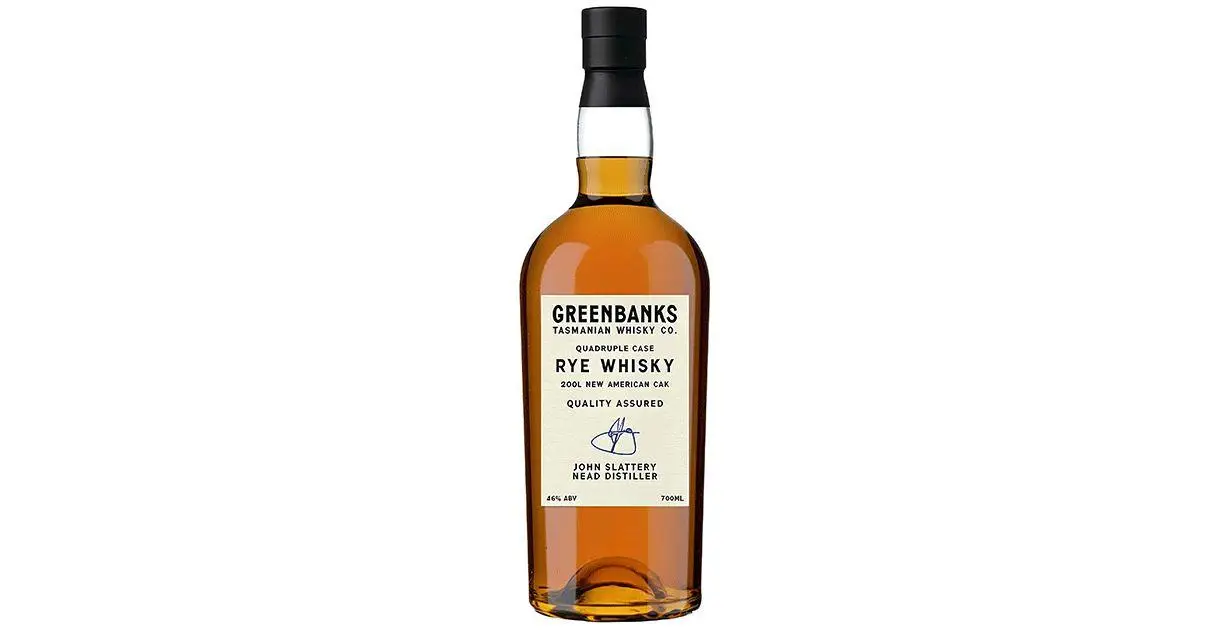
Tasmania has built a strong reputation for whisky, though rye remains a newer focus. Greenbanks Tasmanian Whisky Co represents a different side of that story.
The distillery began production in 2023 in Bridgewater and was designed with scale in mind. It operates as both a producer and a contract distiller, which is unusual in a region known for smaller operations.
Its rye uses locally grown grain from Tasmania’s Central Highlands. This expression uses a 95% rye, 5% malted barley mash bill.
The “Quadruple Cask” name points to a multi-cask maturation approach, with spirit drawn from several cask types and brought together for balance. The whisky usually spends time in ex-bourbon, with other cask types varying from batch to batch.
Greenbanks also favours a lower cask entry strength, which it believes supports a more rounded interaction with oak during maturation.
With spice, creaminess, and citrusy zest, this is a lively whisky that demonstrates what the island can do.
Stauning Rye Cask Strength 6 Year Old
Award: Best Danish Rye
Tasting Notes: “A subtle nose with lemon and orange zest. On the palate, an immediate rye and spice profile emerges, with chewy rye bread, tart lemon zest and pepper. Some cooked fruit notes to balance the spiciness long finish.” – WWA Judges
Find Your Next Bottle: Find a retailer here
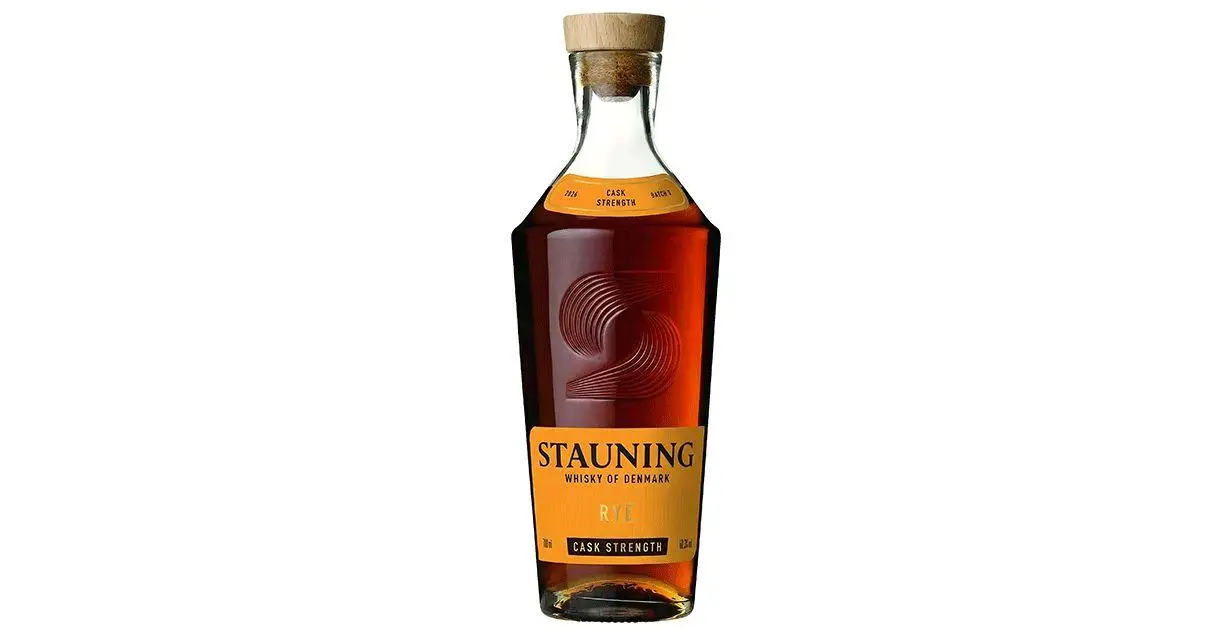
Stauning Whisky has built its reputation on doing things the long way. That starts with floor malting. Rye and barley are malted on site, which is rare and labour intensive, but central to the distillery’s identity.
This rye is distilled from a 100% floor malted rye and barley mash bill in direct-fired copper pot stills. This method brings a different level of heat into the process and helps create a heavier, more textured spirit.
This cask strength release is matured in heavily charred virgin American oak and bottled without dilution. At just under six years old, it shows how quickly rye can develop when the raw materials and process are tightly controlled.
Stauning is probably the best-known whisky producer in Denmark, and rye whisky is central to its identity.
Adnams Southwold Rye Malt Whisky
Award: Best English Rye
Tasting Notes: “A soft herbaceous nose with some citrus and dried grass notes. The fresh rose petals, lychee and turkish delight notes are fantastic. This is a different league altogether.” – WWA Judges
Find Your Next Bottle: $56
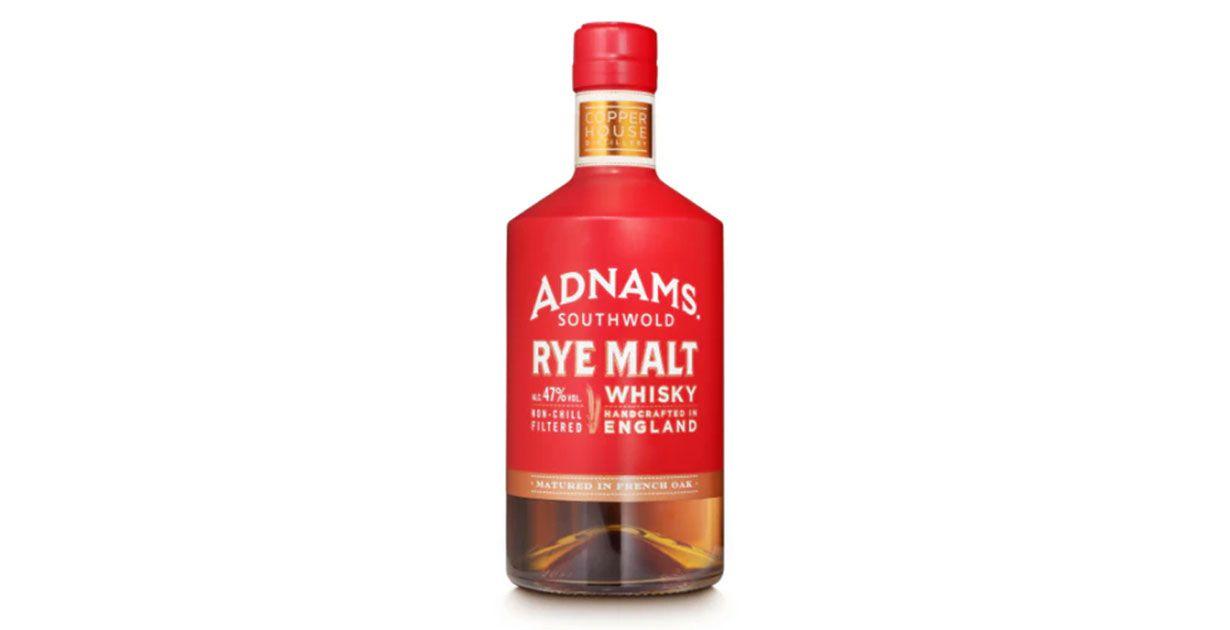
Adnams approaches rye from a brewer’s perspective, with that influence running through the entire process.
The mash bill combines 75% rye with 25% malted barley, with the grain grown locally in Suffolk. The wash is treated much like an unhopped beer and fermented using Adnams’ house yeast before distillation. It is a detail that gives this whisky a clear sense of origin.
Maturation takes place in new French oak casks, including those sourced from Bordeaux. This is an unusual choice for rye and adds another layer to the distillery’s house style.
The result is an English rye that feels rooted in place, from field to fermentation to cask.
This award is the latest in a series of four gold medals from the World Whiskies Awards.
Kyrö Malt Oloroso
Award: Best Finnish Rye
Tasting Notes: “Gentle, mellow and soft with ethereal florals, lychee and honeysuckle giving a lovely and inviting nose. Fragrant, honey suckle, sweet jasmine team and lavender on the palate. Short, peppery finish.” – WWA Judges
Find Your Next Bottle: $45
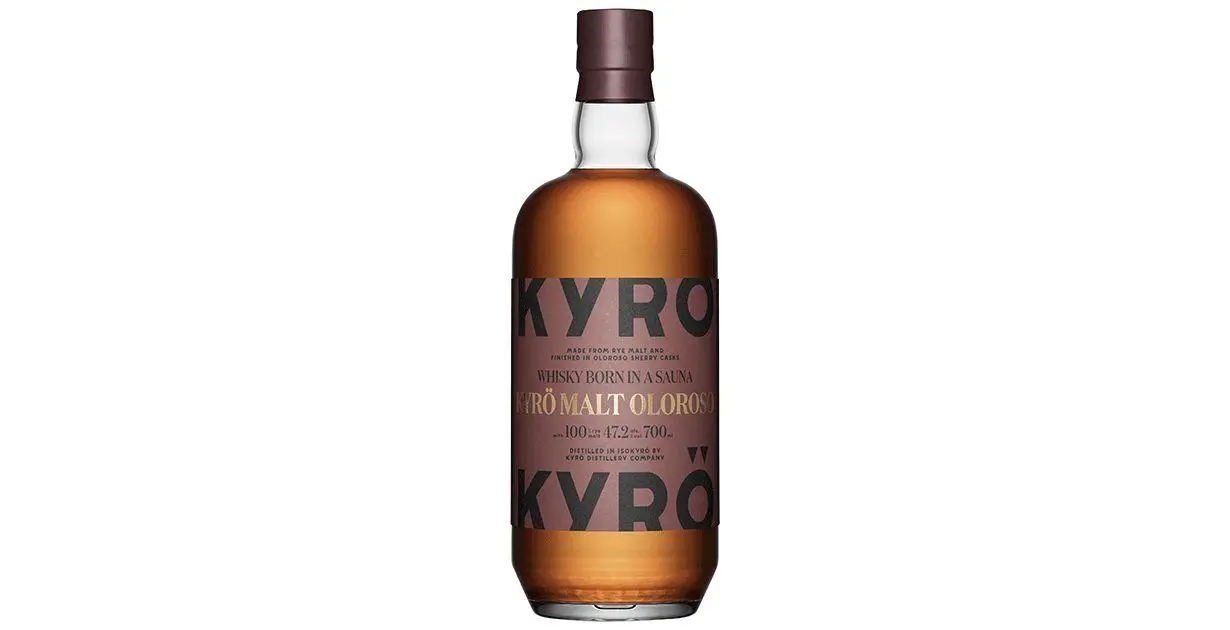
Kyrö Distillery Company in Finland has built its entire identity around rye. From the outset, the focus has been on 100% malted rye, which gives the distillery a clear and consistent foundation.
Production takes place in Isokyrö, where the spirit is double distilled in pot stills. The use of malted rye changes both the texture and the way flavours develop during fermentation and distillation.
This expression is shaped by its cask programme. It is matured across new American oak, ex-bourbon barrels, and Oloroso sherry casks, then brought together before bottling.
It is part of a wider core range that explores different cask types, with Oloroso standing out as the most sherry-led style in the line-up.
In a very Finnish tradition, the idea for the distillery was conceived in a sauna by five friends, Mikko, Jouni, Miika, Miko, and Kalle. The distillery operates out of a charming old dairy.
Seven Hills Distillery Rye
Award: Best Hungarian Rye
Tasting Notes: “Nose of hummus, cucumber, cheesecake biscuit, and shredded wheat; palate shows ginger, biscoff, cereal, peach, and lime; medium-length finish with lingering cinnamon; subtle fruit and spice balance.” – WWA Judges
Find Your Next Bottle: $88
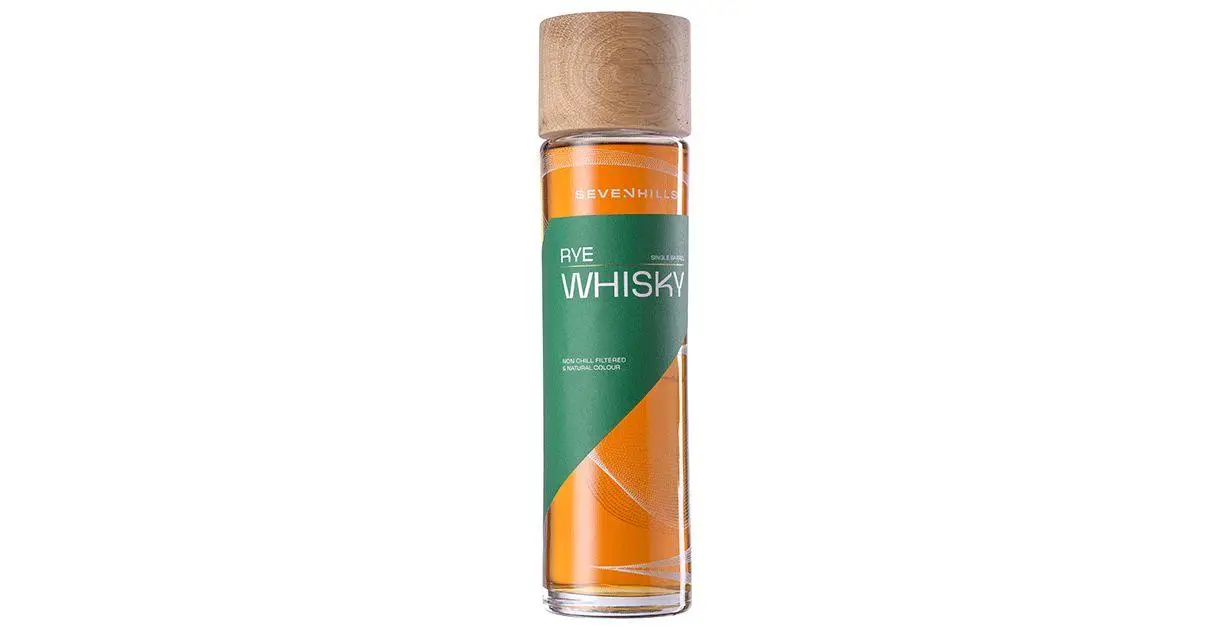
Seven Hills Distillery is based in Hungary’s Tokaj region, an area better known for wine than whisky.
The mash bill for this whisky is 90% organic Hungarian rye with 10% barley, which is smoked using Tokaji aszú pomace. Showcasing the region’s wine influence, fermentation takes place on the grain using a champagne yeast and runs for around seven days under controlled conditions.
Distillation is carried out on a column still, which gives a different style of spirit to the pot still approaches seen elsewhere on this list.
Maturation takes place in new, heavily charred Hungarian oak from the Zemplén forest, often in smaller casks, which accelerates interaction between spirit and wood.
Just 312 bottles of this whisky were released. Fresh, lively, and rich, it showcases a side of Tokaj that is not often seen.
Millstone Rye Whisky Founder’s Reserve 10 Year Old Cask Strength
Award: Best Dutch Rye
Tasting Notes: “Quite a fruity nose, especially mango, pear and cider. On the palate, there is a surprise of both liquorice and white chocolate. They balance together incredibly well which comes through to the finish.” – WWA Judges
Find Your Next Bottle: Use the distillery app
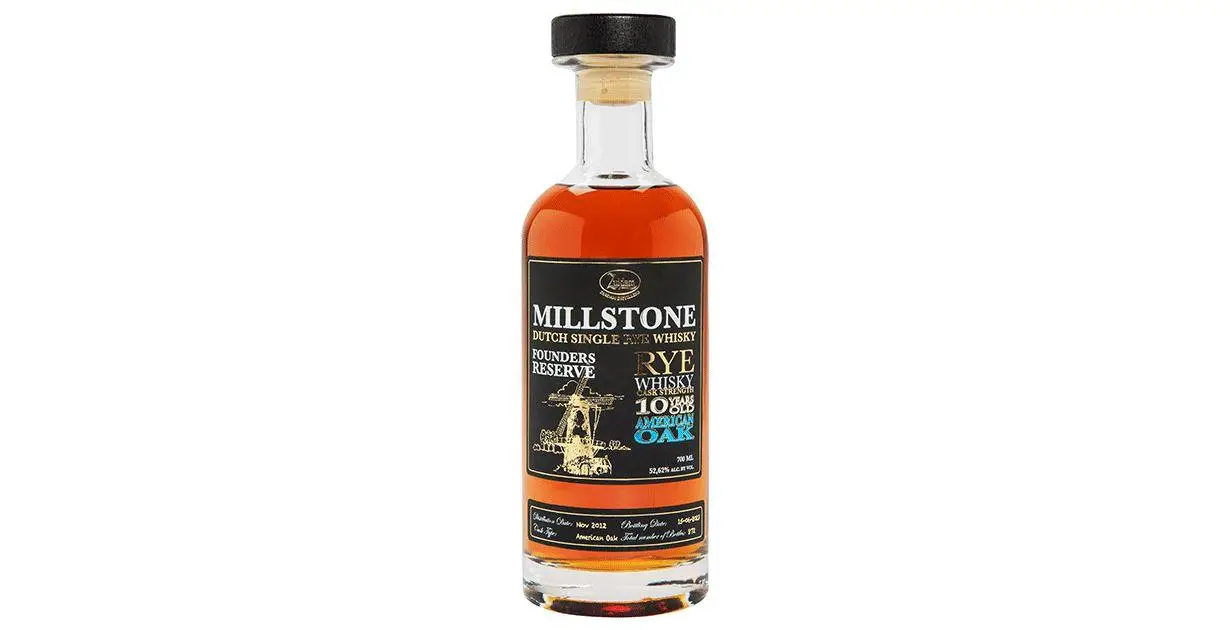
Heading to the Netherlands now, Millstone is produced by Zuidam Distillers, an independent family business that has been working with whisky since the 1990s. That long development period is part of the story here.
The distillery uses a 100% rye recipe, with a mix of malted and unmalted grain. Fermentation is notably long, often around seven days, which helps build a more complex base before distillation.
Distillation takes place in small copper pot stills, with a slow approach that is designed to retain character. The spirit is then matured in American oak, with this release reaching 10 years of age before bottling at cask strength.
Founded by Patrick van Zuidam, Millstone is considered to be the first full-scale Dutch whisky, beginning a new wave of whisky production in the Netherlands, which is now home to 40+ distilleries.
Zuidam Distillers is a family-run operation, located in the southwest, about an hour away from Rotterdam.
InchDairnie RyeLaw Scottish Rye Whisky Vintage 2017
Award: Best Scotch Rye
Tasting Notes: “Delicate floral and honeyed aromas with light herbal notes. The palate is textured, with herbal and peppery spice developing into a medium-long, balanced finish.” – WWA Judges
Find Your Next Bottle: $106
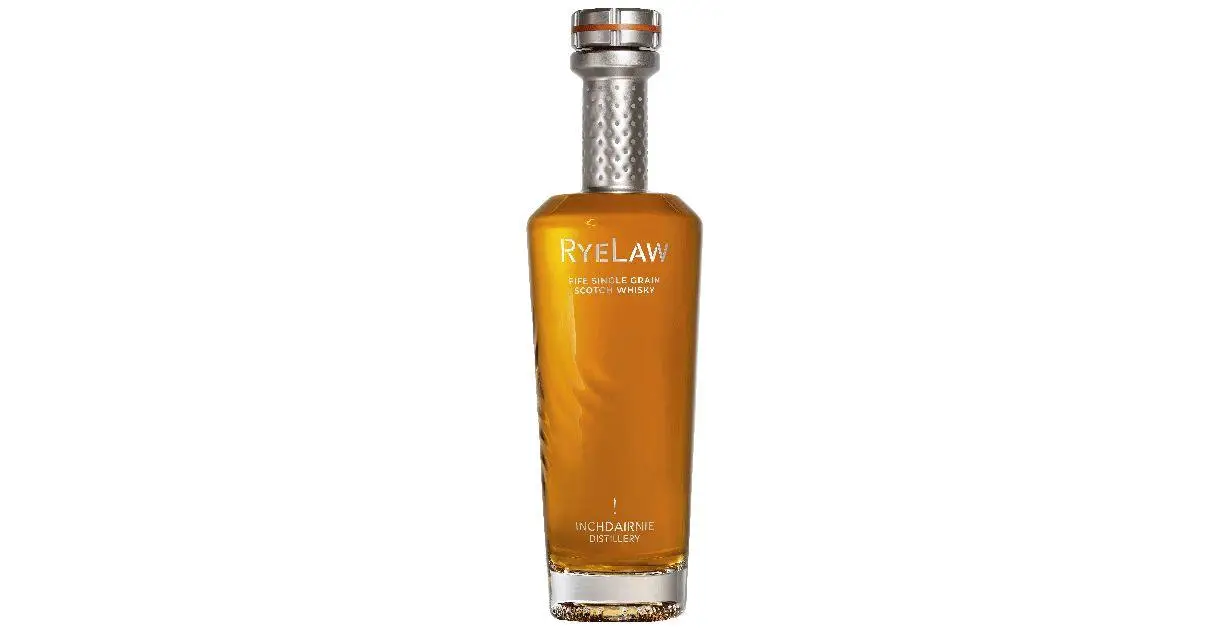
InchDairnie Distillery approaches rye with a clear focus on process and precision. This is not a traditional Scotch whisky in style or in method.
The mash bill combines 53% malted rye with 47% malted barley. The grains are hammer milled and processed using a mash filter, which is more commonly found in brewing than in Scotch production. Fermentation takes place outdoors before distillation in a bespoke Lomond-style still.
Maturation is carried out in new charred oak casks, which is another departure from standard Scotch practice.
RyeLaw sits in an unusual space. It follows Scotch regulations, yet draws heavily on techniques more often associated with rye whisky production elsewhere. The InchDairnie website calls it “RyeLaw is the world’s only precision distilled malted rye Scotch whisky.”
Alberta Premium Cask Strength 10 Years Old
Award: Best Canadian Rye
Tasting Notes: “Nutmeg, allspice, and cloves on the beautiful nose. Spice and sweetness on the palate with elegant baking spices and toffee. Bold dill pickles and bready notes sit in a pocket with delicate herbal licorice notes. This is textbook balanced rye.” – WWA Judges
Find Your Next Bottle: N/A
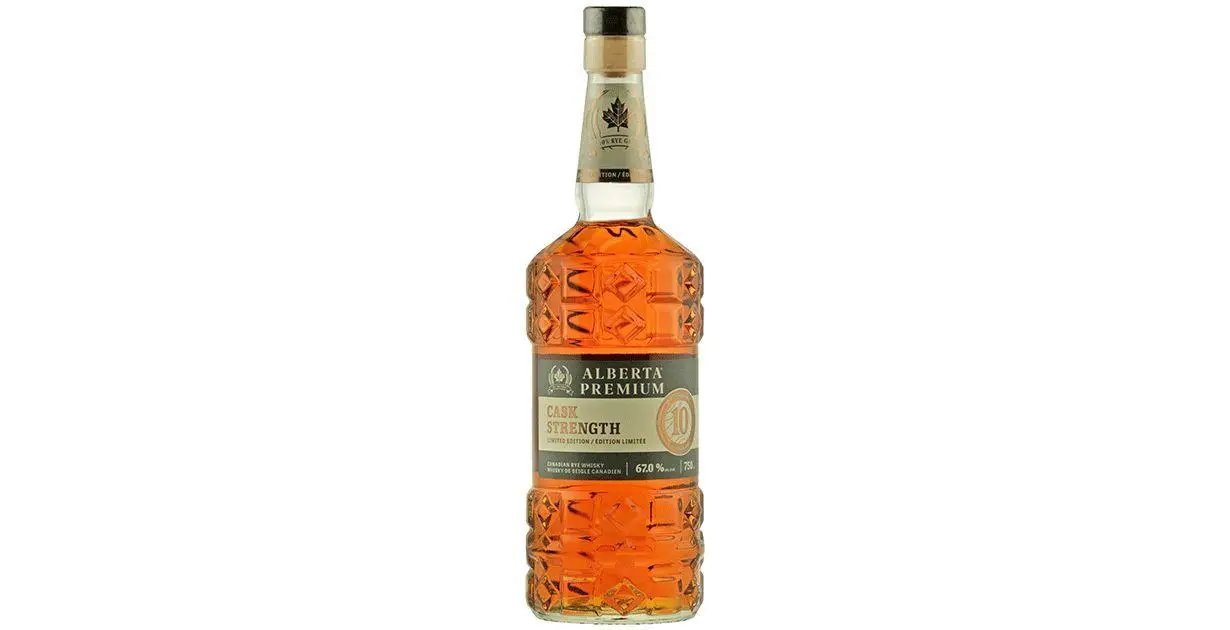
Alberta Premium is one of the clearest examples of a classic Canadian rye house style, and one of the most popular. The distillery works exclusively with 100% rye grain, grown on the Canadian prairies and distilled in Calgary.
This release builds on that foundation with a 10-year age statement and a cask strength bottling. It was launched as part of the distillery’s 80th anniversary in 2026, which gives it some additional context beyond the awards.
Canadian rye often focuses on balance and drinkability, but this expression leans into intensity with a 67% ABV strength. The high strength and full maturation period bring a different level of weight to a familiar style.
It is a reminder that traditional rye producers are still evolving alongside newer entrants.
Elijah Craig Toasted Rye
Award: Best American Rye Whiskey
Tasting Notes: “A classic Bourbon nose with salty buttery caramel corn and burnt sugar gives way to a palate that matches the nose plus some clove and spice with a velvet mouth feel. The finish is warm and pleasant.” – WWA Judges
Find Your Next Bottle: $44
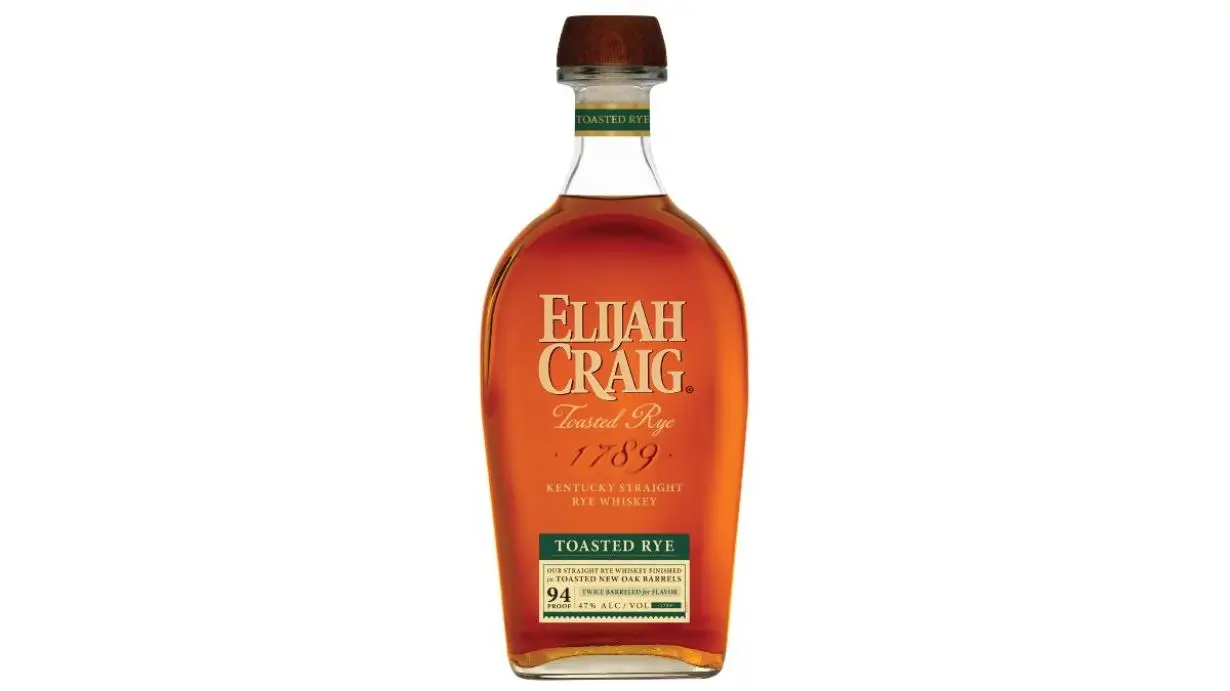
Elijah Craig is produced by Heaven Hill Distillery and takes a familiar American rye template, then adds a clear twist.
The base whiskey follows a traditional mash bill with just over 51% rye, supported by 35% corn and 14% malted barley. It is matured as a straight rye before moving into a second barrel for finishing.
That finishing stage is the key detail that makes this expression stand out. The whiskey is transferred into a custom toasted new oak barrel, which changes how the oak interacts with the spirit and introduces a different layer of flavour.
It is a simple idea, but one that shows how established producers continue to refine and extend classic rye styles. Toasted Rye is a well-loved expression from Heaven Hill and Elijah Craig.
Powers Irish Rye
Award: Best Irish Rye
Tasting Notes: “Coffee cake, banana skin and toffee honey nut cereal on the nose. The palate is pleasant with lots of fruit and nut chocolate. The finish is balanced with caramel and herbal spiciness.” – WWA Judges
Find Your Next Bottle: $35
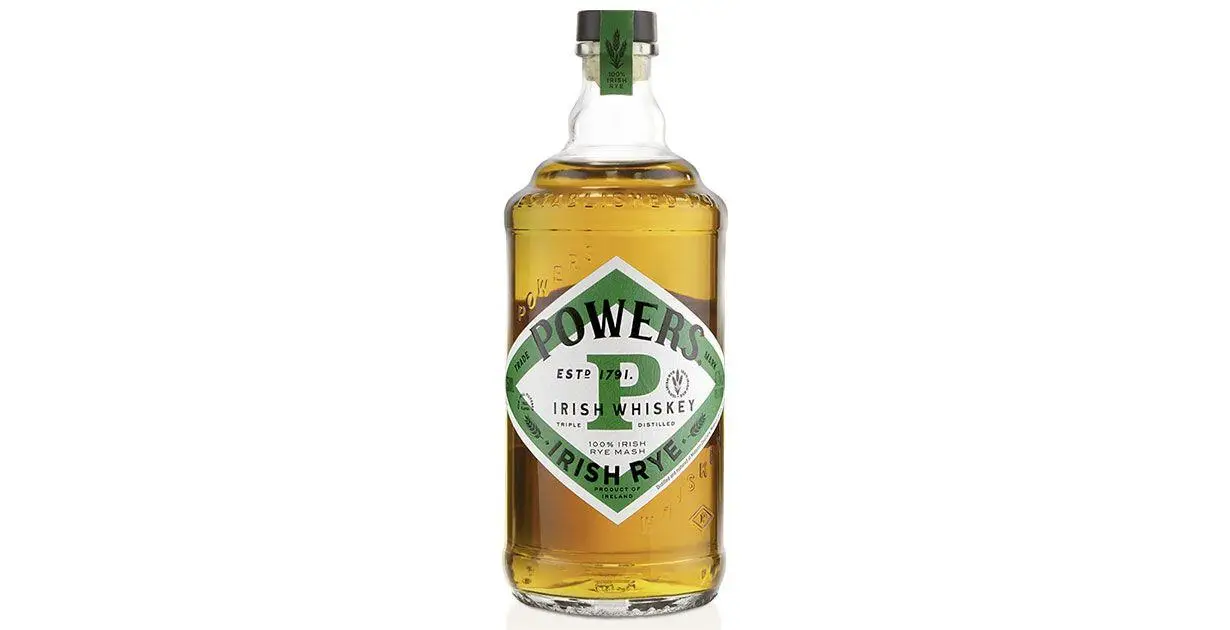
Powers is part of the wider Midleton Distillery portfolio, and this release reflects a deliberate return to rye within Irish whiskey.
The whiskey is made from 100% Irish-grown rye, which was specifically commissioned for the project. It draws on historical mash bills that were once more common in Ireland, before rye largely disappeared from production.
Distillation takes place at Midleton using the same expertise behind many of Ireland’s best-known whiskeys. The spirit is then matured in a mix of virgin, first-fill, and refill American oak casks.
It is a modern release, but one that is rooted in research and a clear sense of Irish whiskey heritage.
Irish whiskey has been experiencing a resurgence in recent years, with both heritage brands and craft distillers re-entering and redefining the space.
What These Winners Say About Rye in 2026
Rye whiskey is no longer tied to one or two countries. The World Whiskies Awards 2026 results show a category that is expanding in every direction.
There is no single template. Some distilleries focus on 100% rye, others use malted rye, and several build their identity through cask selection. Production methods vary just as much, from pot still distillation to column stills, and from traditional approaches to more technical systems.
That is what defines rye in 2026. Where it comes from, and how it is approached.
Have you tried any of these award-winning ryes? Let us know in the comments below.
 Latest On The Whiskey Wash