



There was a time when “single malt” usually meant one thing. Scotland. One category, one benchmark, one way of thinking about quality.
That is no longer true.
The World Whiskies Awards has become a useful way to track that shift. Not because it tells you what to like, but because it shows what is being made, and how seriously, in very different parts of the world.
What Will Whisky Look Like in 2027? Voices from Whisky Live Paris
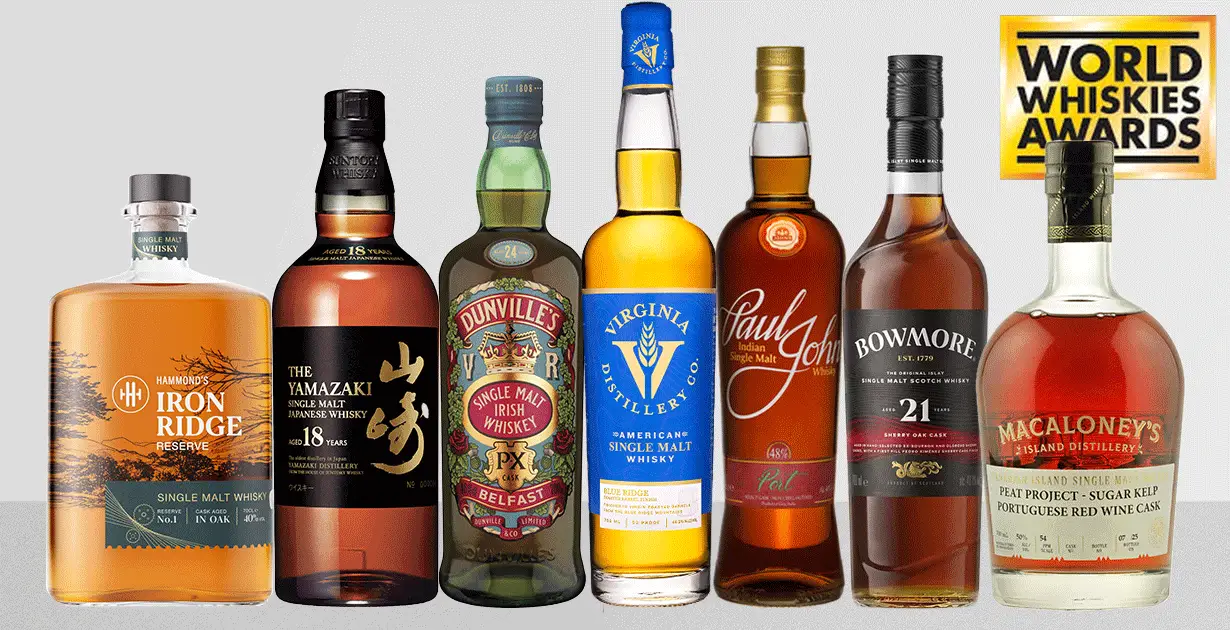
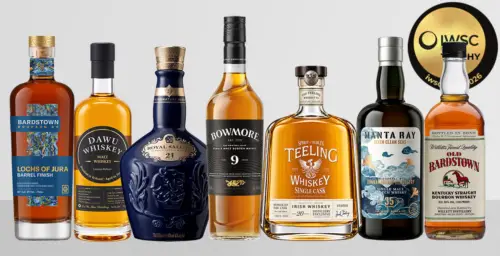
READ THE STORYThe 2026 results underline just how far things have moved. You still have Islay at the top, with Bowmore taking the overall title. But alongside it sit winners from the United States, Ireland, Japan, Canada, India, and England. Each one reflects a different approach to raw materials, maturation, and identity.
So, today I am exploring the best single malts from the world’s major whisky-producing regions, with each one being named ‘Best Single Malt’ from its country. Let’s take a look at the winners.
Bowmore 21 Years Old Sherry Oak Cask
Award: World’s Best Single Malt / Best Scotch Islay Single Malt
 Trending Content


Tasting Notes: Honey, rich toffee treacle, beeswax, tobacco, barbecued meat, red berries, smoke, sweet wood
Find Your Next Bottle: $336/£269
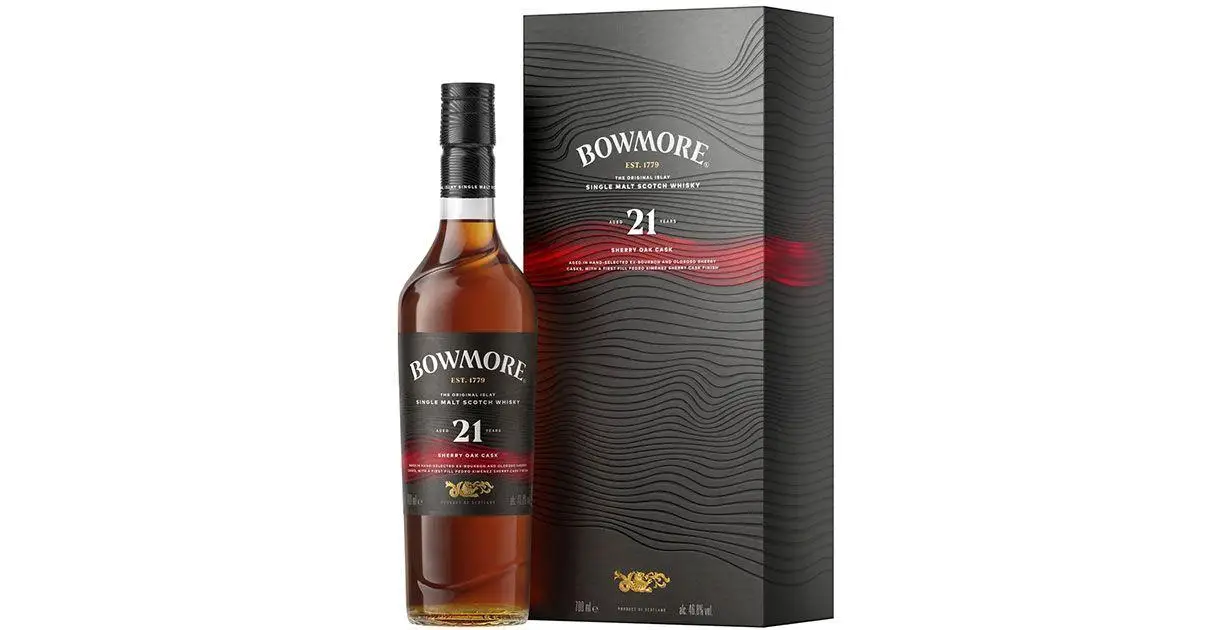
The Bowmore 21 Year Old Sherry Oak Cask has officially been named the World’s Best Single Malt at the World Whiskies Awards 2026. The winning expression is a masterclass in sherry cask maturation.
The whisky is matured for 21 years across a combination of ex-bourbon and Oloroso sherry casks, before a finishing period in first-fill Pedro Ximénez casks.
The layered approach to the wood builds structure first, then adds weight and sweetness later. Bottled at 46.8%, it leans on cask management as much as distillation.
The Bowmore 21 Year Old Sherry Oak forms part of the distillery’s Sherry Oak Collection, introduced in 2024. The range also features a 12-year-old, 15-year-old, and 18-year old.
Sherry casks remain unusual in the context of peated Islay single malts, but Bowmore has shown that sherry and smoke can work together in perfect harmony.
Bowmore claims the title of Islay’s oldest distillery, having been established in 1779. Unlike most other distilleries on Islay, Bowmore is restrained in terms of its peat usage. The whisky is medium-peated, with the smoke playing a supporting role in the flavour profiles of the range.
Bowmore also takes pride in its control throughout the production process. It is one of the very few distilleries in Scotland to maintain its own floor maltings.
Virginia Distillery Company Blue Ridge Toasted Barrel Finish
Award: Best American Single Malt
Tasting Notes: Caramel, vanilla, freshly baked brioche, citrus, apricot, honey, walnuts, baking spice, coconut
Find Your Next Bottle: $40/£32
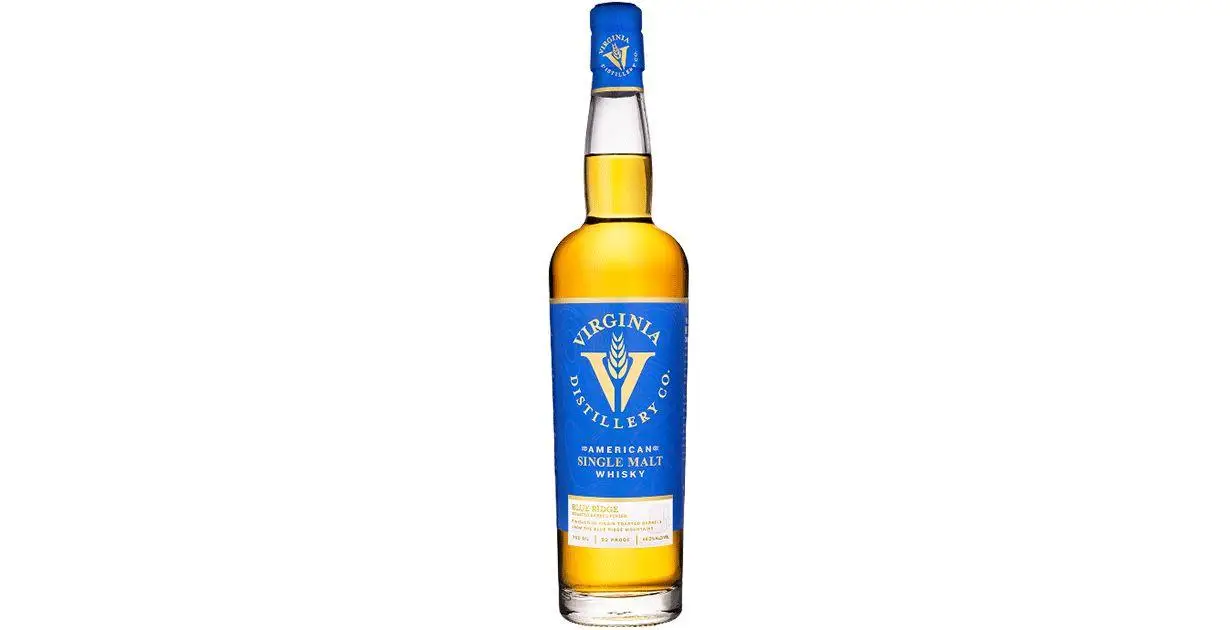
American single malt is still defining itself, and this whisky gives a clear sense of where the category is heading. Virginia Distillery Company works within a familiar framework, using 100% malted barley and copper pot stills, but the maturation is where things start to shift.
Virgin oak, so closely associated with bourbon, remains relatively unusual in single malt. With a gentle mash bill and the temperature swings of Virginia’s climate, there is a real risk that the wood could dominate the spirit. Here, it does not.
I tasted this recently with Lead Blender Amanda Beckwith, and what stood out was restraint. That is not always easy to achieve with this style.
On paper, toasted virgin oak suggests weight and intensity. In the glass, it feels measured. Bright, lively, slightly earthy, with a freshness that keeps everything in balance.
The whisky begins in first-fill bourbon barrels before moving into toasted virgin oak from the Blue Ridge Mountains.
At 46.5%, it feels composed and deliberate. A good example of how American single malt is finding its own voice.
Dunville’s PX 24 Years Old Single Malt
Award: Best Irish Single Malt
Tasting Notes: Honeyed dried fruits, toasted almonds, Christmas spices, leather, dark chocolate, candied orange peel, raisins, vanilla, oak, subtle smoke
Find Your Next Bottle: Coming soon
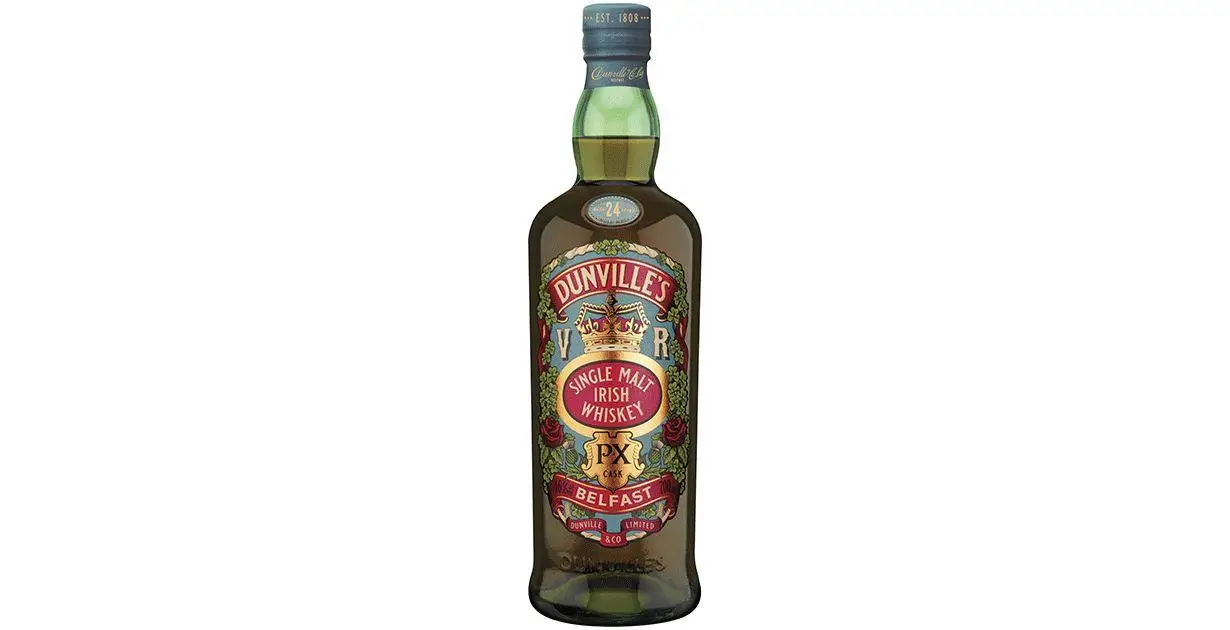
A 24-year-old Irish single malt still feels like a statement. Not just of age, but of where the category now sits. Dunville’s, produced at The Echlinville Distillery, is part of a wider revival that has brought historic names back with real substance behind them.
There is also a backstory worth knowing. Dunville’s was founded in 1808 and became one of Belfast’s best-known whiskey names before production stopped in 1936.
For decades, it existed mostly in auction catalogues. Echlinville has since revived the brand, with a focus on releasing rare, well-aged stocks.
Pedro Ximénez sherry casks play a central role in this whisky. The exact maturation sequence is not widely detailed, but the influence is clear in both flavour and structure.
Yamazaki 18 Year Old
Award: Best Japanese Single Malt
Tasting Notes: Raisin, apricot, cafe au lait, mizunara oak, blackberry, strawberry jam, dark chocolate, spice
Find Your Next Bottle: $672/£589
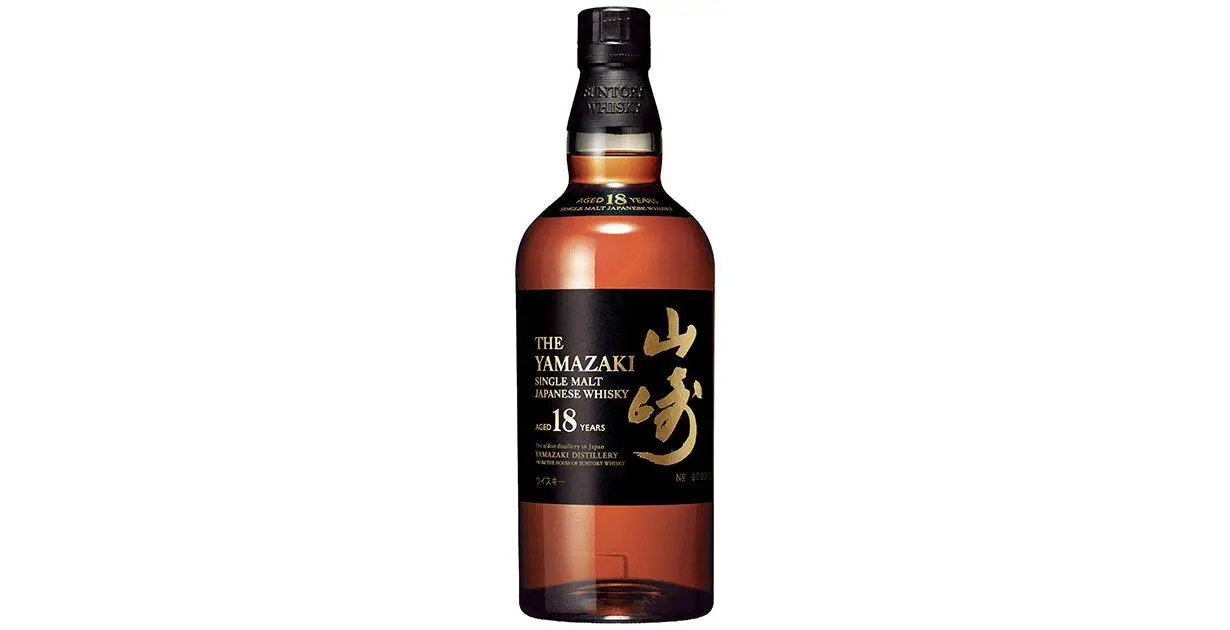
Yamazaki 18 has become one of those bottles that carries more than its age statement. It also carries the weight of Japanese whisky’s modern reputation. Produced at Suntory’s Yamazaki Distillery, founded in 1923, it comes from the site widely recognised as Japan’s first malt whisky distillery.
What makes it especially interesting is the wood policy behind it. Suntory describes Yamazaki 18 as being aged for more than 18 years, mainly in sherry oak casks, while the wider Yamazaki range also draws character from American oak, Spanish oak, and Mizunara.
Mizunara oak is an oak species that is indigenous to Japan. Thanks to its porosity and the extended time that it takes to reach maturity, it is extremely difficult to work with. However, it is also extremely rewarding, with floral notes of incense and sandalwood often being imparted to the whisky.
Here, the layered oak influence helps explain why Yamazaki 18 remains such a reference point. It is not simply scarce or prestigious. It is a whisky built around blending precision, long maturation, and a very clear house style.
Macaloney’s Island Distillery Peat Project – Washington Peat with Sugar Kelp – Portuguese Red Wine Casks
Award: Best Canadian Single Malt
Tasting Notes: Wood ash, leather, tobacco, candied orange, heather, lemongrass, coconut, pears, dates, fried figs, raisins, blackcurrants, sweet pea flowers, creamy, demerara, prunes, dates, sultanas, honeydew melon, cinnamon, black cardamom, pepper, liquorice, dark chocolate
Find Your Next Bottle: N/A
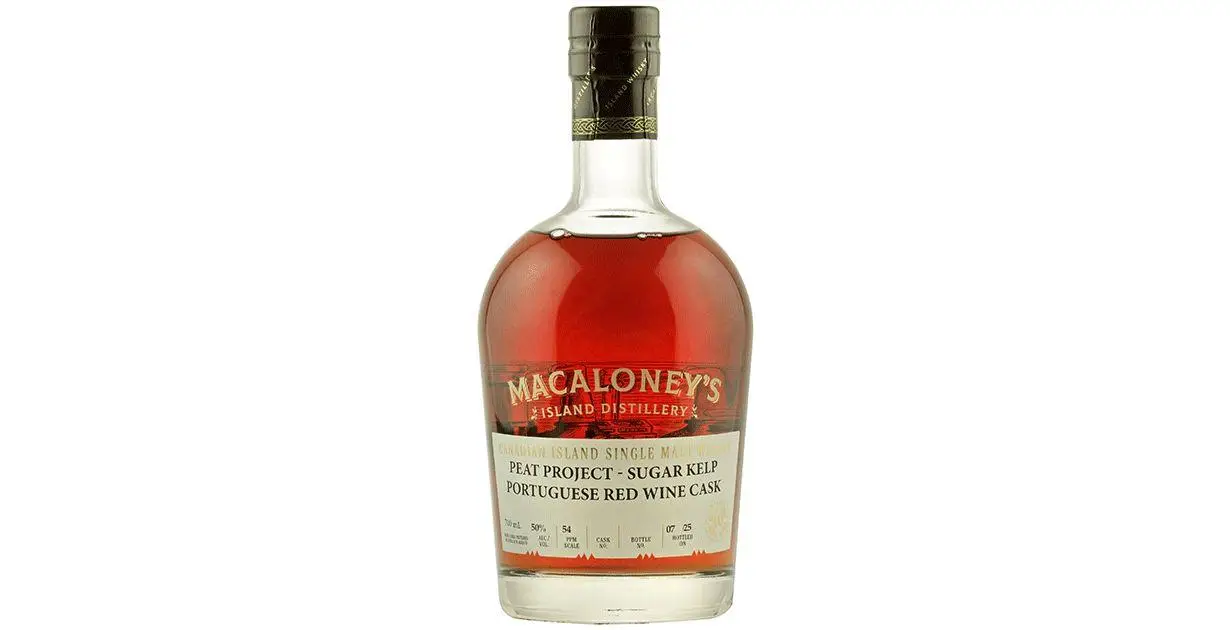
This is one of the more unusual whiskies on the list, and it is meant to be. Macaloney’s Island Distillery has built its identity around experimentation, and this release makes that clear from the outset.
The peat itself is a starting point. It is sourced from Washington State and infused with sugar kelp, which gives the smoke a slightly different character before it even reaches the still. From there, the whisky is matured in a Portuguese red wine cask, often treated using STR techniques to reactivate the wood.
Distilled in Forsyths copper stills and bottled at around 50% ABV, the whisky reflects a growing Canadian single malt scene that is starting to define itself beyond blending traditions.
Paul John Distillery Port Cask
Award: Best Indian Single Malt
Tasting Notes: Vanilla, dark plum, red liquorice, candied fruit, ginger, pepper, nutmeg, mocha, spiced chocolate
Find Your Next Bottle: $90/£67
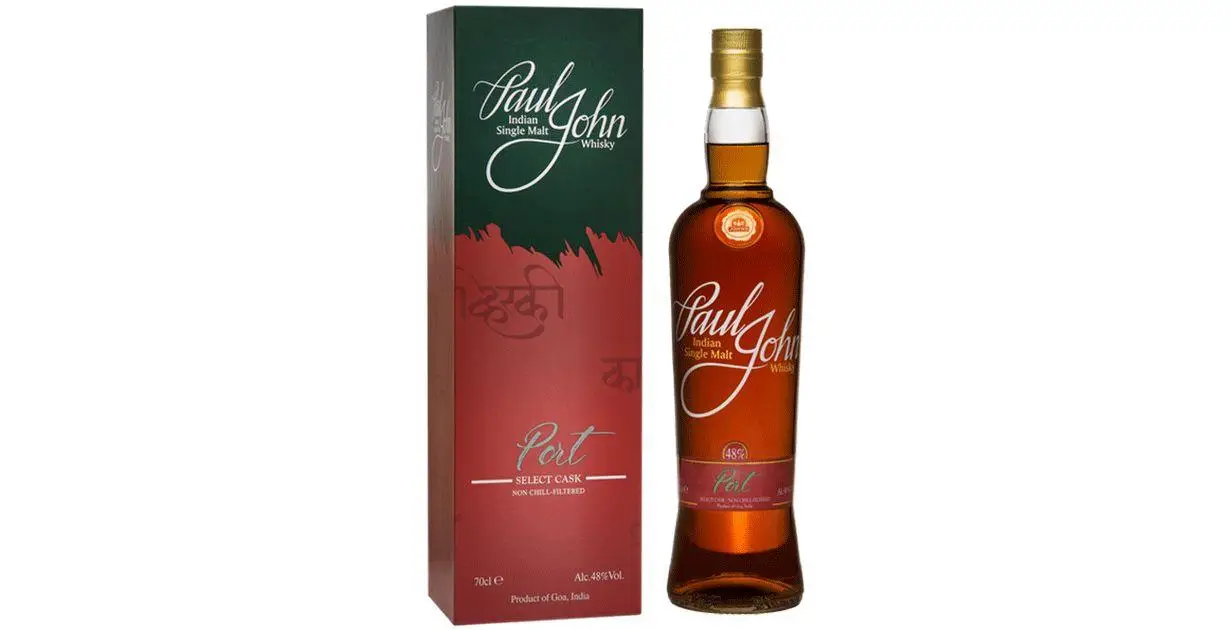
Climate plays a much bigger role in Indian whisky than many people expect. At Paul John Distillery in Goa, heat accelerates maturation, with an angel’s share that can reach around 8% per year. That changes how flavour develops over time.
This expression is made from Indian six-row barley and distilled in copper pot stills designed to produce a fruit-forward spirit. It is then finished in Portuguese port casks, adding another layer of richness to a whisky that is already shaped by its environment.
Bottled at 48% and presented without chill filtration or added colour, it reflects a category that has moved well beyond curiosity and into serious global competition.
Paul John is considered one of the pioneers of India’s growing single malt whisky scene. It is one of many expressions from this distillery and beyond that is now competing on the world stage against single malts from long-established regions.
Hammond’s Iron Ridge Whisky
Award: Best English Single Malt
Tasting Notes: Raisin, baked banana, treacle, smoke
Find Your Next Bottle: $55/£44
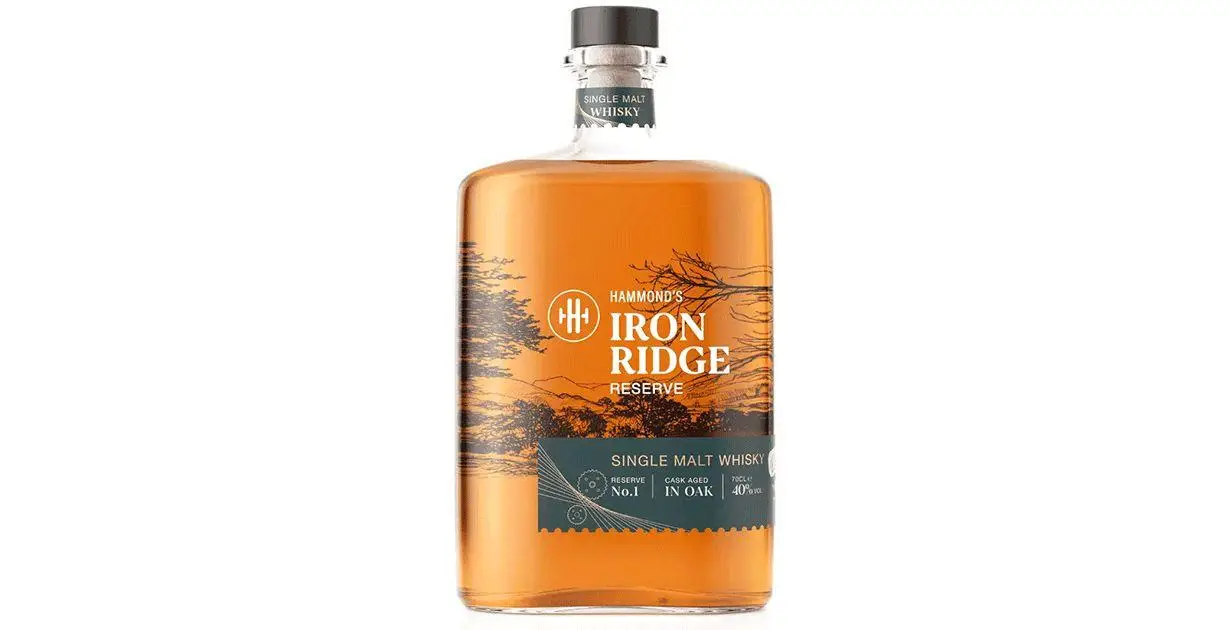
English whisky is still in its early stages, but it is developing quickly. Hammond’s Iron Ridge is a good example of how that progress is starting to show in the glass.
Produced in collaboration with Hawkridge Distillers in Berkshire, it reflects a growing network of distilleries focused on single malt English whisky. The whisky begins in bourbon casks before being finished in sherry and red wine casks sourced from Spain and France.
This release is positioned as a limited edition, with an age of around 10 years and bottled at 40% ABV. This is notable in a category where much of the whisky on the market is still young.
The identity here is tied closely to place. The name “Iron Ridge” references a Lake District landscape, and the whisky itself sits within a broader English movement that is still defining its style, but doing so with increasing confidence.
Richard Hammond, the founder of Hammond’s Spirits, is a very well-known figure in the UK. A TV presenter, Hammond is best-known for his former gigs on Top Gear and The Grand Tour.
What These Winners Tell Us About Modern Single Malt
The results point to something that is becoming harder to ignore. Single malt is no longer anchored to one place or one tradition.
Scotland still holds a central role, and Bowmore taking the top title reinforces that. But beyond that, the picture is far more varied. Virginia brings oak-led structure, India brings climate-driven intensity, and Canada pushes into more experimental territory. Each whisky reflects its origin in a very direct way.
Do you agree with this year’s results, or would your list look different?