



The International Whisky Competition is a blind-tasting contest, meaning its judges score each entry without knowing which brand or bottle they are assessing.
The 2026 Canadian results are worth a closer look, in part because the brand that took the top two spots for Best Canadian Whisky, WhistlePig, is headquartered not in Canada but in Shoreham, Vermont. Its rye qualifies because the whiskey is distilled in Canada before being matured and bottled in the United States.
The three blended winners, meanwhile, are all owned by the Sazerac Company. Here are the six Canadian whiskies that placed, and the stories behind how and where they are made.
What Will Whisky Look Like in 2027? Voices from Whisky Live Paris
READ THE STORYWhistlePig Estate Oak Rye Aged 15 Years
Award: 1st Place, Best Canadian Whisky, 1st Place, Best Canadian Rye Whisky, 88.77 points
Tasting Notes: Caramel, vanilla, oak, allspice, burnt orange, butterscotch, leather, tobacco
Find Your Next Bottle: $250 / £235
 Trending Content

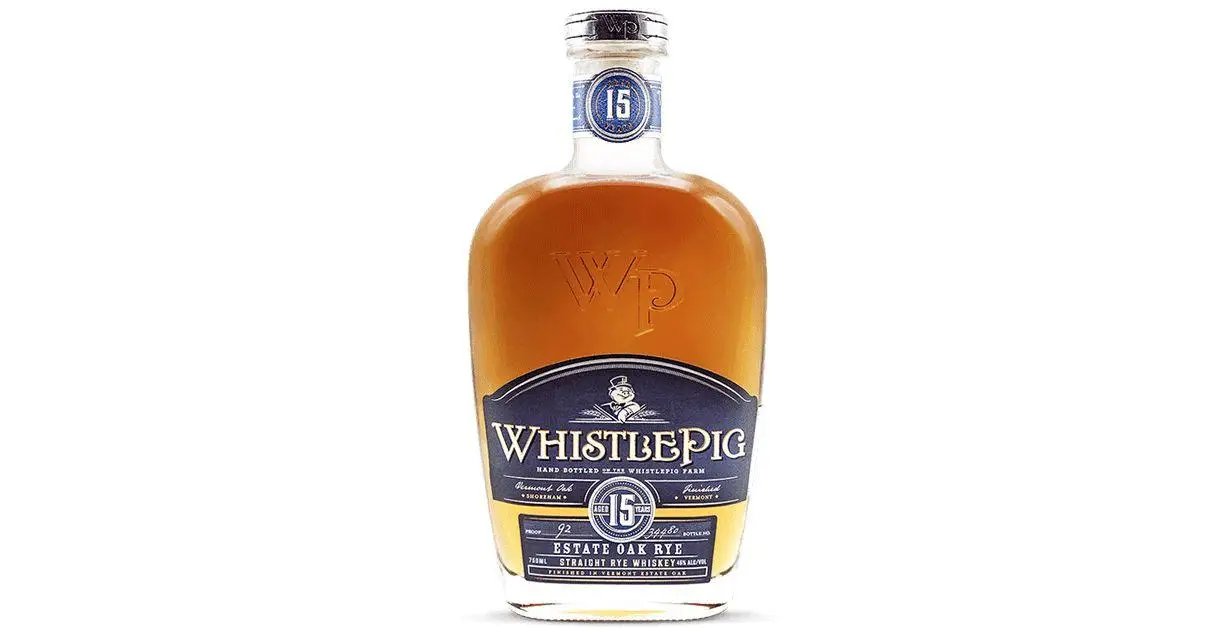
This 15-year-old expression took the top spot in both the Best Canadian Whisky and Best Canadian Rye Whisky categories. It is a 100% rye whiskey that was distilled and initially aged in Canada before completing its maturation and being bottled in Vermont.
WhistlePig finished the whisky in custom barrels made from white oak logged on the company’s 500-acre farm in Shoreham, which the company harvests as part of a wider goal of becoming a farm-to-bottle operation.
It carries the legacy of the late Dave Pickerell, WhistlePig’s founding master distiller. Bottled at 92 proof, it is the oldest whiskey in the core range.
WhistlePig Old World Rye Aged 12 Years
Award: 2nd Place, Best Canadian Whisky, 2nd Place, Best Canadian Rye Whisky, 87.10 points
Tasting Notes: Caramel, vanilla, winter fruit, rye spice, apricots, plums, raisins, dates, honey, dark chocolate
Find Your Next Bottle: $110 / £124
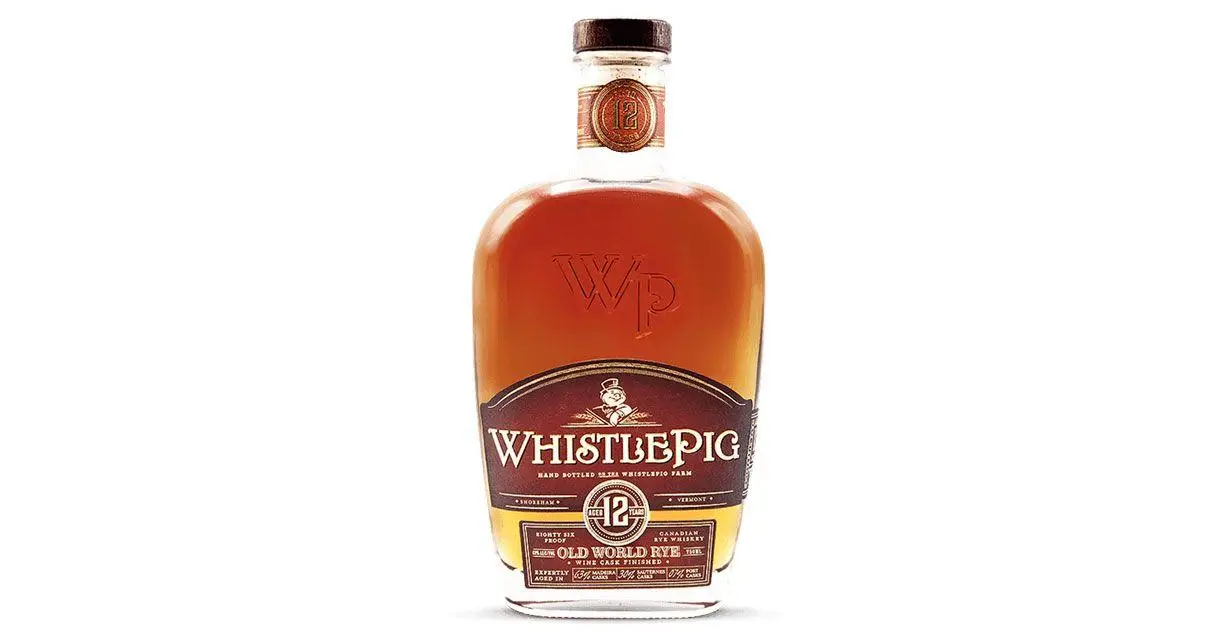
The story of why this whiskey qualifies as Canadian is more complicated than it first appears. When Old World launched in 2015, the rye inside it was distilled at MGP in Lawrenceburg, Indiana, from that distillery’s well-known 95% rye and 5% malted barley recipe.
WhistlePig used up its MGP stock toward the end of 2018, and from 2019 the label changed to read “Product of Canada.”
The name points to the finishing, which uses casks from Europe’s traditional wine regions. After twelve years in new American oak, the whiskey is split between Madeira (63%), Sauternes (30%), and Port casks (7%). Madeira and Port are from Portugal, and Sauternes is from France. The whisky is then blended back together, and the expression is bottled at 86 proof.
Legacy Canadian Whisky
Award: 1st Place, Best Canadian Blended Whisky, 3rd Place, Best Canadian Whisky, 85.67 points
Tasting Notes: Leather, tobacco, vanilla, cinnamon-baked apples, lavender, honeycomb, cocoa powder, peppercorn
Find Your Next Bottle: $100 / £80
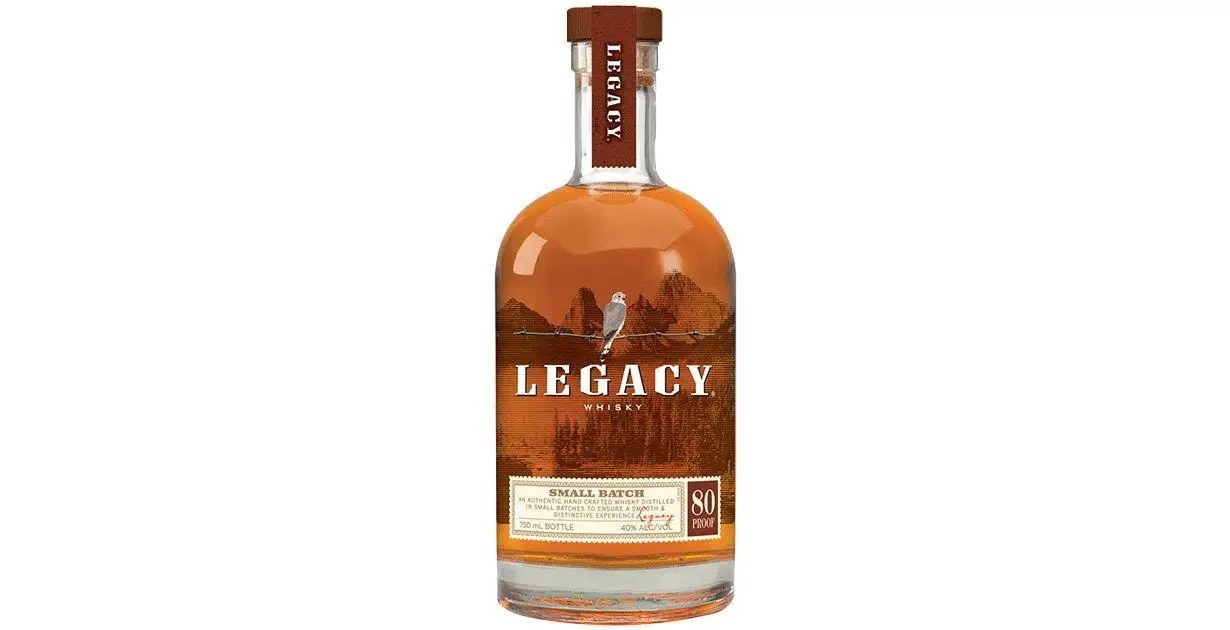
Legacy is the first of three winners here owned by the Sazerac Company, the family-owned American drinks group whose stable includes Buffalo Trace.
To make it, Sazerac imports mature whisky from Canada and bottles it at the Buffalo Trace Distillery in Frankfort, Kentucky. The blending is handled by Drew Mayville, a Canadian who has worked in the industry for decades.
As is common for Canadian blended whisky, Legacy carries no age statement and no published mash bill, which reflects a tradition of distilling and aging different grain whiskies separately before blending them together. It is bottled at 80 proof.
WhistlePig Small Batch Rye Aged 10 Years
Award: 3rd Place, Best Canadian Rye Whisky, 85.02 points
Tasting Notes: Allspice, orange peel, anise, oak, char, caramel, vanilla, rye spice, mint, butterscotch
Find Your Next Bottle: $71 / £69
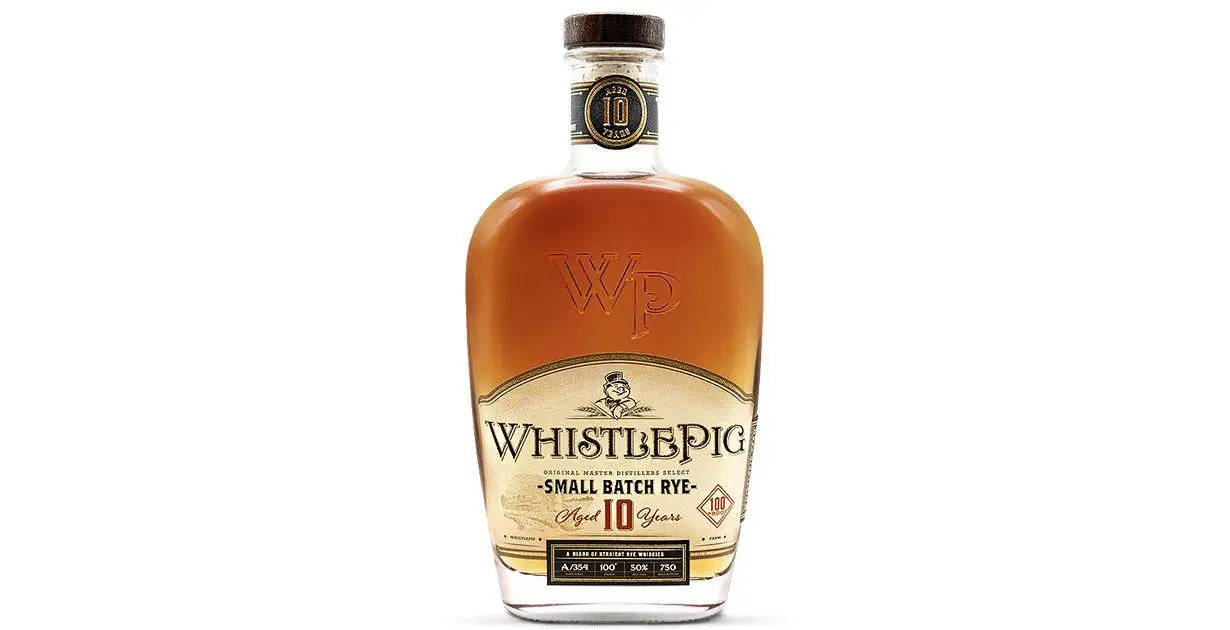
This is the whiskey that launched WhistlePig. When the brand’s founders wanted to release an aged rye before their own Vermont distillery was running, master distiller Dave Pickerell went looking for stock and settled on rye from Alberta Distillers in Canada.
That arrangement reportedly continues today, and the current bottle is labeled as a product of Canada and a blend of straight rye whiskeys.
The rye is distilled and first aged in Alberta, then shipped to Shoreham for further aging and bottling. WhistlePig has said the recipe is built on a very high proportion of rye, historically 100%, though it has varied at times. It is bottled at 100 proof.
Rich and Rare Reserve
Award: 2nd Place, Best Canadian Blended Whisky
Tasting Notes: Peppery spice, toffee, caramel, sugarcane, candied fruit, baking spices, smoke
Find Your Next Bottle: $45 / £36
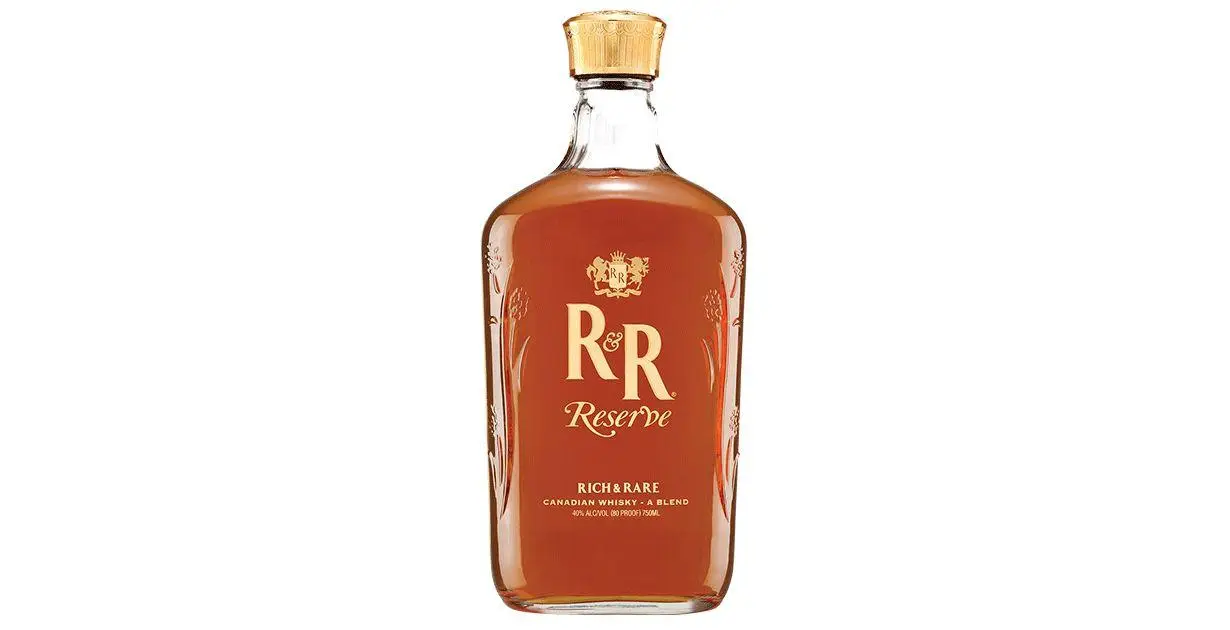
The second Sazerac whisky on the list brings back the same master blender. Rich & Rare Reserve is distilled in Canada in small batches and aged in hand-picked oak barrels, then imported and bottled by Sazerac in Frankfort, Kentucky, at 80 proof.
It draws on the company’s substantial stock of aged Canadian whisky, and sits a step above the standard Rich & Rare bottling.
When the Reserve launched, Drew Mayville described the goal as wanting to make a whisky that “felt like some of the great Canadian Whiskies of twenty and thirty years ago.” It is a value-priced whisky sold mainly in the United States.
Seagram’s VO Black
Award: 3rd Place, Best Canadian Blended Whisky
Tasting Notes:
Find Your Next Bottle: $26 / £21
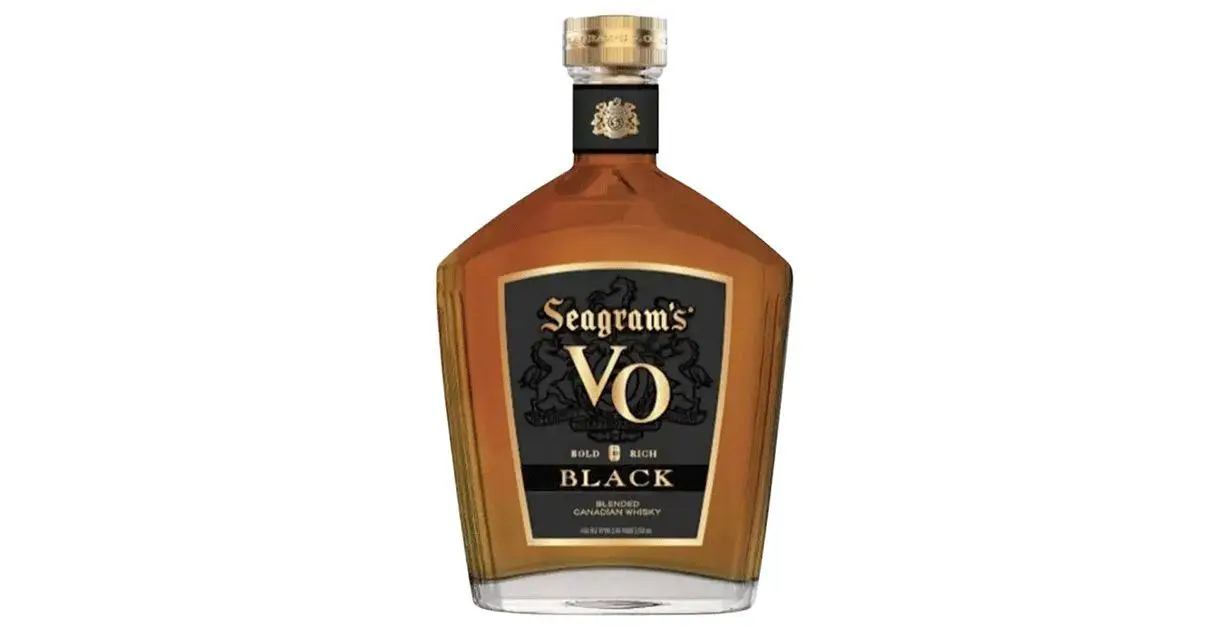
Of all the whiskies here, Seagram’s VO has the longest history. The original VO blend dates back to the early 1910s, created by the Seagram family in Waterloo, Ontario, and it has remained in production ever since.
The brand passed through several owners as the old Seagram empire broke up, and in 2018 Diageo sold Seagram’s VO, along with a package of other brands, to Sazerac for $550 million. That connects it to the same company and the same master blender, Drew Mayville, behind Legacy and Rich & Rare.
VO Black is a bolder, higher-proof version of the standard whisky, bottled at 90 proof. It is made in Quebec and sold on both sides of the Canada-US border.
Final Thoughts
Looking at the six winners together, two stories stand out. WhistlePig took the top rye honors with whiskies distilled in Canada and then finished and bottled in Vermont, while the three blended winners all trace back to Sazerac and its master blender Drew Mayville.
It is a reminder that a whisky’s nationality and the company behind it are not always the same thing, and that the line between American and Canadian whiskies can occasionally be blurrier than the labels suggest.
Have you tried any of these whiskies, or are there any you would like to seek out? And what do you make of the results? Let us know in the comments.