



Award lists are always fun to read through, but they’re a lot more useful when the winning bottles are ones most of us can actually afford. Scotch has no shortage of medal winners at the top end of the market, so it’s worth looking further down the price list to see which everyday bottles did well.
The New York International Spirits Competition is a good place to do that, because its judges are all trade buyers, such as retailers, distributors, importers and restaurant owners, who taste each spirit blind with its category and price in mind. They’re also instructed not to award a medal to anything they wouldn’t buy or sell in their own business.
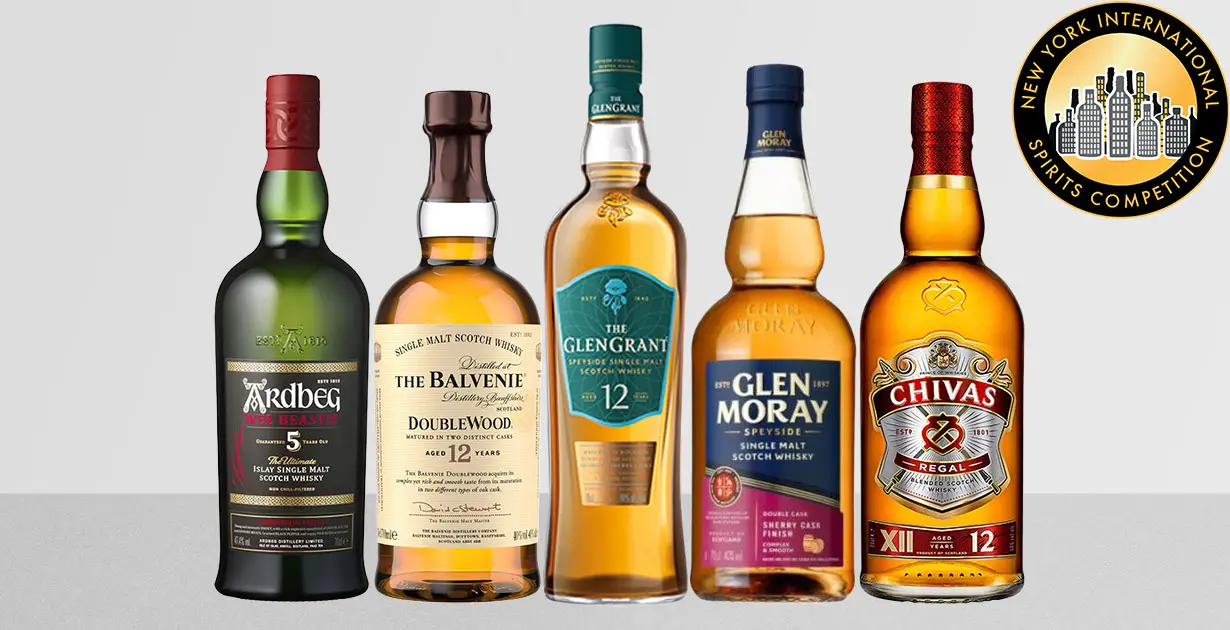
We’ve already covered the best single malt Scotch whisky from this year’s competition, so this time we’re looking at five Scotch whiskies, including one blend, that scored 95 points or more and sell for roughly $18 to $60.
What Will Whisky Look Like in 2027? Voices from Whisky Live Paris
READ THE STORYChivas Regal 12 Year Old, 40%, £24 / $18 – Double Gold, 96 points
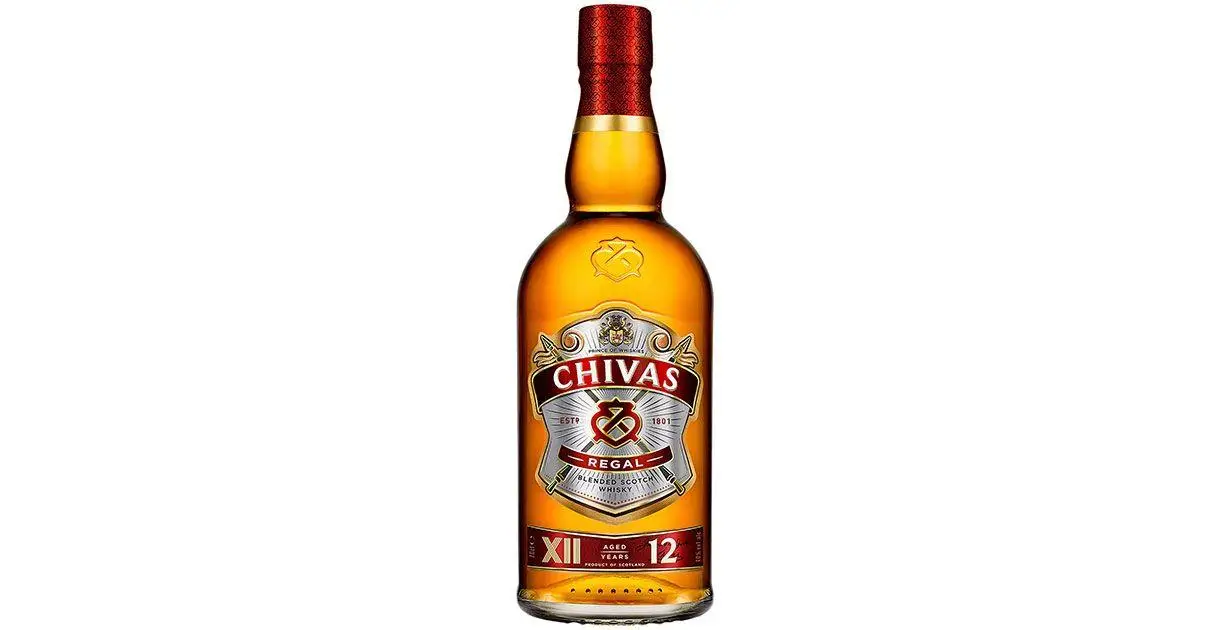
It’s a little funny that the cheapest bottle on this list also picked up the highest score, finishing ahead of all four of the single malts that follow it. It’s also the only blend here, and one of the easiest bottles of Scotch to find on a shelf in both the UK and the US.
Chivas describes Strathisla single malt as the heart of the blend, combined with Strathclyde single grain and other whiskies. Strathisla dates back to 1786 and has been owned by Chivas Brothers since 1950. Every whisky in the blend is aged for at least 12 years in ex-bourbon and ex-sherry casks, and the brand’s own tasting notes mention orchard fruit, heather and honey.
When Jordan Felix reviewed it, he found it “incredibly well balanced,” with more body than expected, and it’s now made under Master Blender Dr. Kevin Balmforth, who took over after Sandy Hyslop retired at the end of 2025.
 Trending Content



Glen Moray Sherry Cask Finish, 40%, £26 / $30 – Gold, 95 points
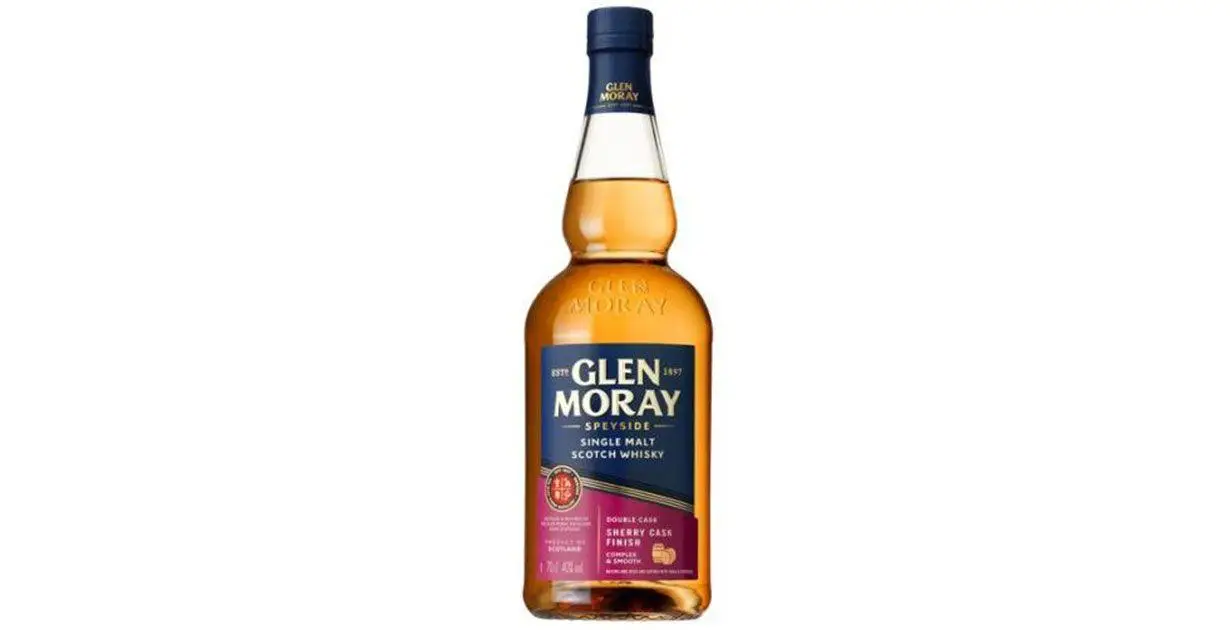
Glen Moray featured in our single malt roundup from this competition with its Chardonnay Cask Finish, and its Forbidden Fruit release made our best value Scotch list from the IWSC earlier this year, so it’s good to see another of its bottles doing well.
The distillery sits on the banks of the River Lossie in Elgin and started life as a brewery before being converted to whisky production in 1897. It’s now owned by the French group La Martiniquaise.
Glen Moray matures the spirit in American oak before finishing it in Oloroso sherry casks sourced from Jerez. You’ll find dried fruit, cinnamon and toffee on the nose, then vanilla, dark chocolate and spice on the palate, with a long, warming finish.
Not the most complex, but a great everyday whisky from a brand that, I think, operates somewhat under the radar for a lot of drinkers.
The Glen Grant 12 Year Old, 43%, £42 / $50 – Gold, 95 points
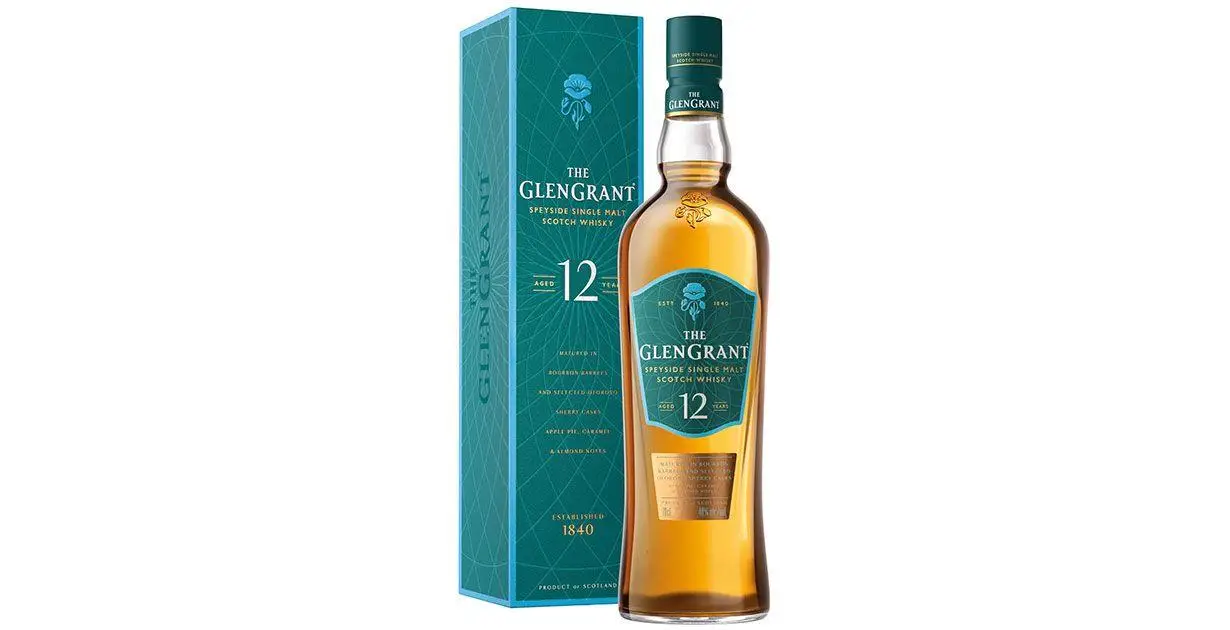
The Glen Grant 18 Year Old was one of the Double Gold winners in our single malt roundup from this competition, so the 12 Year Old is a good way to try the distillery’s whisky for a lot less money.
Brothers John and James Grant founded the distillery in 1840, and it was the first legal distillery in Rothes. In 1872, control passed to James “The Major” Grant, who introduced tall, slender pot stills and water-cooling purifiers that are still part of how the distillery works today.
The 12 Year Old is matured in a mix of ex-bourbon barrels and Oloroso sherry casks and bottled at 43%. The official tasting notes describe honey, pear, apple, almond and citrus on the nose, followed by apple pie crust, caramel and vanilla, with a fruity finish and a little spice.
Reviewing a 2025 bottling, Words of Whisky found it bourbon-forward and called it “Not a blow-your-socks-off whisky, but a steady, reliable single malt.”
Ardbeg Wee Beastie 5 Year Old, 47.4%, £33 / $50 – Gold, 95 points
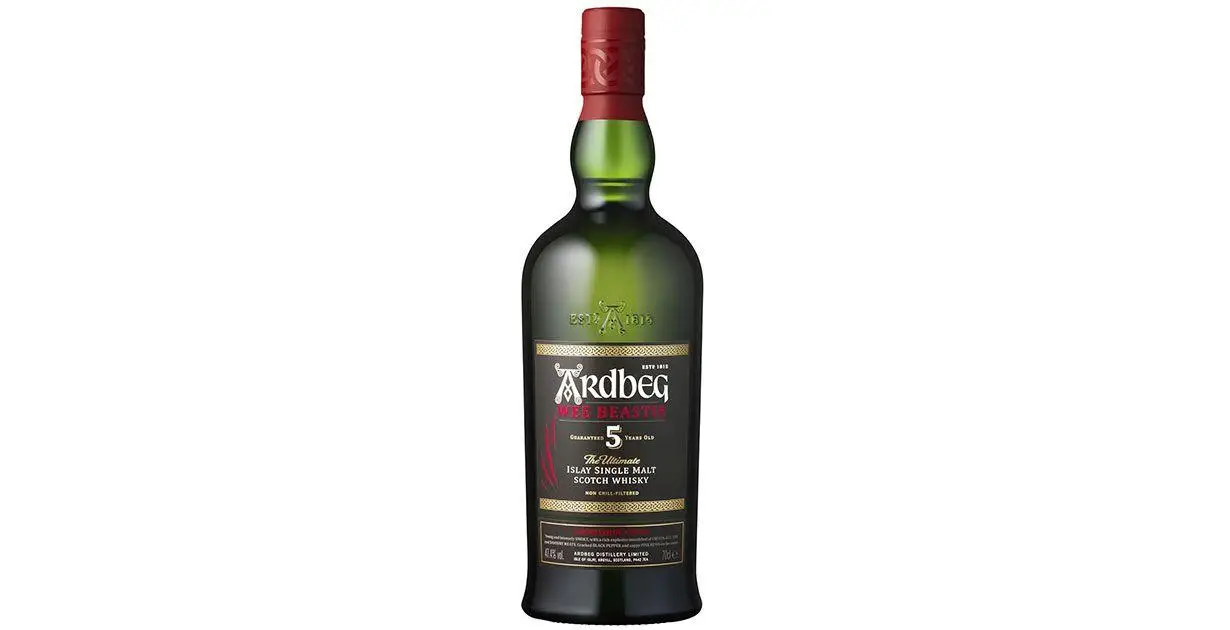
Ardbeg Ten was one of the Double Gold winners in our single malt roundup from this competition, and Wee Beastie is its much younger sibling. It was first released in 2020 as a permanent part of the range, and Ardbeg has called it “the youngest Ardbeg we’ve ever made”. At 47.4% ABV, it’s also the strongest bottle on this list.
The whisky is matured for five years in ex-bourbon and Oloroso sherry casks. There are fresh herbs, vanilla, pear, pine resin, and honey-glazed ham on the nose, followed by chocolate, the tell-tale Ardbeg tarry rope and tar, savory meats, and black pepper.
When Charles Steele reviewed it this year, he gave it an overall rating of 8, praised the balance between the peat smoke and the sweetness from the malt, and wrote “kudos to Ardbeg for really maximizing flavor with this one.”
The Balvenie DoubleWood 12 Year Old, 40%, £49 / $55 – Gold, 95 points
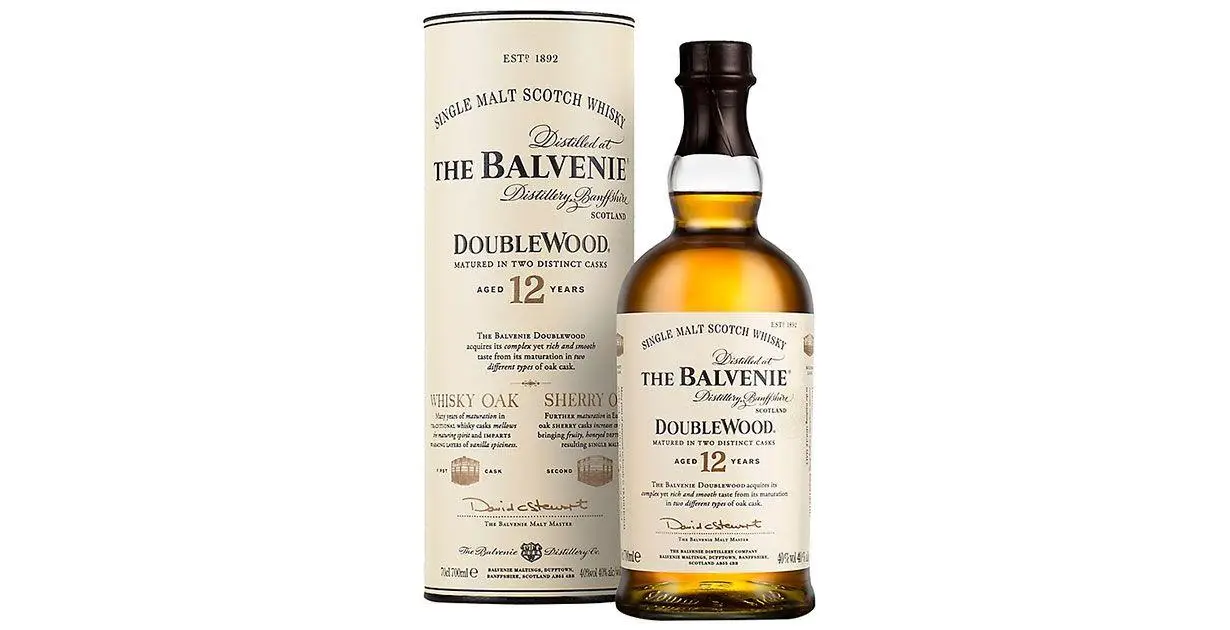
The Balvenie was established in 1892 by William Grant, who already owned the nearby Glenfiddich Distillery. It still grows some of its own barley on its farm and does part of its own floor malting, which few distilleries still do.
DoubleWood 12 was launched in 1993, using a process that former Malt Master David C. Stewart designed in 1982, now commonly known as wood finishing. The whisky is widely considered to be the whisky that pioneered finishing.
The whisky spends at least 12 years in American oak ex-bourbon barrels and hogsheads before moving into Spanish oak ex-Oloroso sherry casks for nine months. After that, it spends another three to four months in large oak tuns so the whiskies from different casks can marry together. There is sweet fruit, sherry, honey and vanilla on the nose, with nutty sweetness and cinnamon spice on the palate.
The Balvenie DoubleWood 12 Year Old is nicely balanced, warming, and reliable. It is also a little piece of Scotch whisky history.
Award-Winning Scotch Without the Big Price Tag
Because the NYISC judges each entry with its price in mind, these medals give shoppers a useful place to start when looking for good value. Between them, these five bottles cover a widely available blend, a sherry-finished Speyside malt, a lighter single malt from Rothes, a young and smoky Islay whisky, and one of the earliest cask-finished single malts, all for around $60 or less.
It’s also good to see some of the biggest names in Scotch doing well with the more affordable bottles in their ranges, alongside Glen Moray and Glen Grant. Have you tried any of these, and which would you reach for first?