



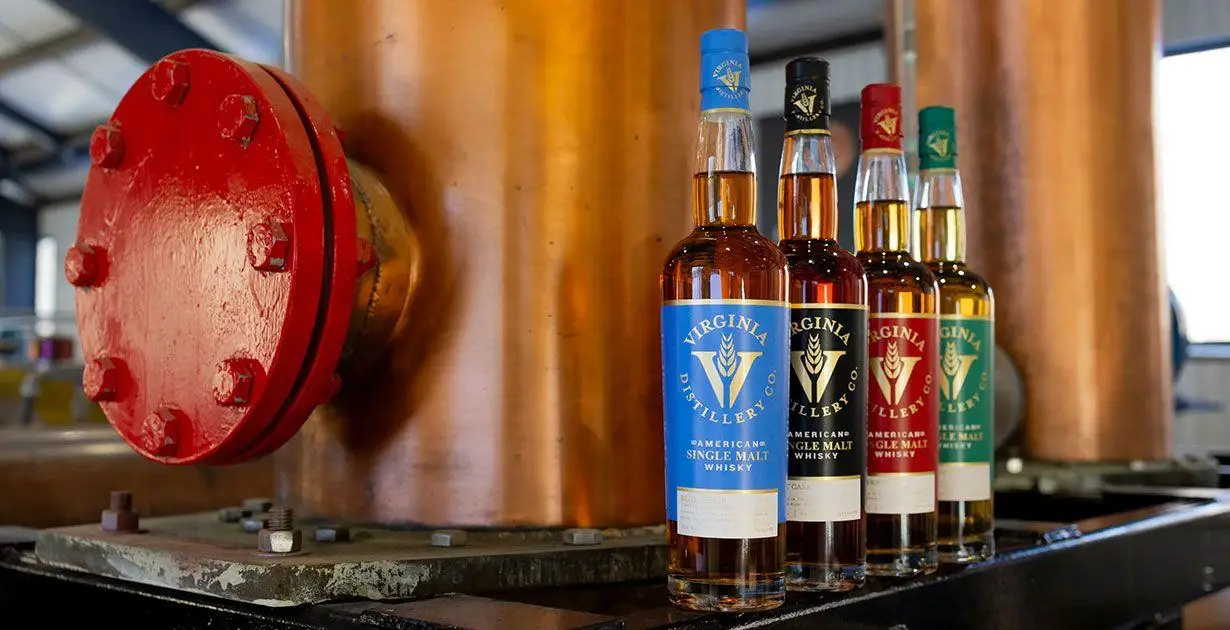
Earlier this year, Virginia Distillery Company’s Blue Ridge Toasted Barrel Finish was named Best American Single Malt at the World Whiskies Awards. The whiskey comes from Lovingston, Nelson County, where Virginia Distillery produces nothing but American single malt, and is finished in virgin oak cut from the Blue Ridge Mountains a short drive away.
The person who assembled it is Amanda Beckwith, Director of Liquid Development & Lead Blender at Virginia Distillery Company. She joined before any spirit had come off the stills and filled some of the first barrels herself.
We met over dinner in Manchester earlier this year, where I worked my way through a good portion of the range, and spoke again at length afterwards. What Beckwith kept returning to was not the award. It was a map.
What Will Whisky Look Like in 2027? Voices from Whisky Live Paris
READ THE STORY“My fantasy and dream is being able to have recognized regions of American single malt,” she told me.
American single malt only gained a formal federal definition in January 2025. For Beckwith, though, defining how it is made is only part of the job. The next question is how drinkers understand what different parts of America can make it taste like.
“I Wrote a Cover Letter So Fast”
Beckwith studied English at university, which is a background we share, and entered the world of whiskey through travel.
 Trending Content
“I like to travel a lot, and so whenever I was in a new place, I wanted to understand the culture and the people and the history, and I found the best way to really get into it was looking for distinctive foods and drinks,” she said.
Her brother Josh, now a chef, cooked while she worked out what to pour alongside it. A bottle of Johnnie Walker he brought home from work became a shared obsession, and the pair later travelled to Scotland together.
When Beckwith heard a distillery was opening in Virginia, she assumed it would make bourbon. Instead, founder Dr. George G. Moore, an Irishman who had moved to the United States in the 1970s, was building a distillery around two of his enthusiasms: Virginia and single malt.
“I don’t know what came over me. I wrote a cover letter so fast,” Beckwith said.
She sent her CV without a particular role in mind. Her work at the Virginia Aquarium caught the attention of brand director Marlene Steiner, who needed help with tours and tastings. “She said she got goosebumps meeting me because I was so excited about the whiskey,” Beckwith said. She was offered the job days later.
The role quickly became something else. Beckwith arrived while the distillery was still being brought to life and learned alongside the people doing it, including engineer Harry Cockburn, Andrew Shand and the late Dr. Jim Swan.
Swan’s first lesson stuck.
“Don’t try to force the climate to do something that it’s not going to do naturally,” she said Swan had told her.
Virginia’s subtropical climate, distinct seasons, and humidity were not problems to overcome. They were part of the whiskey.
Beckwith filled some of the first barrels herself, was there when the first spirit ran from the stills, and later built a small sensory team. She studied for her WSET qualifications and travelled to Kentucky and Scotland to keep learning.
Then Nancy Fraley visited the distillery for a training session, told Beckwith she should be blending, and told Gareth Moore the same thing. Moore asked. Beckwith accepted.
Putting Virginia In A Glass
Beckwith settled on orchard fruit and spice as the Virginia Distillery house style. The fruit reflects the esters created during fermentation, while the spice comes through maturation.
Blue Ridge Toasted Barrel Finish began with a commercial question. How could Virginia Distillery make American single malt approachable to bourbon drinkers? Beckwith turned it into a geographical one.
“How do we put Virginia in a glass?” she said.
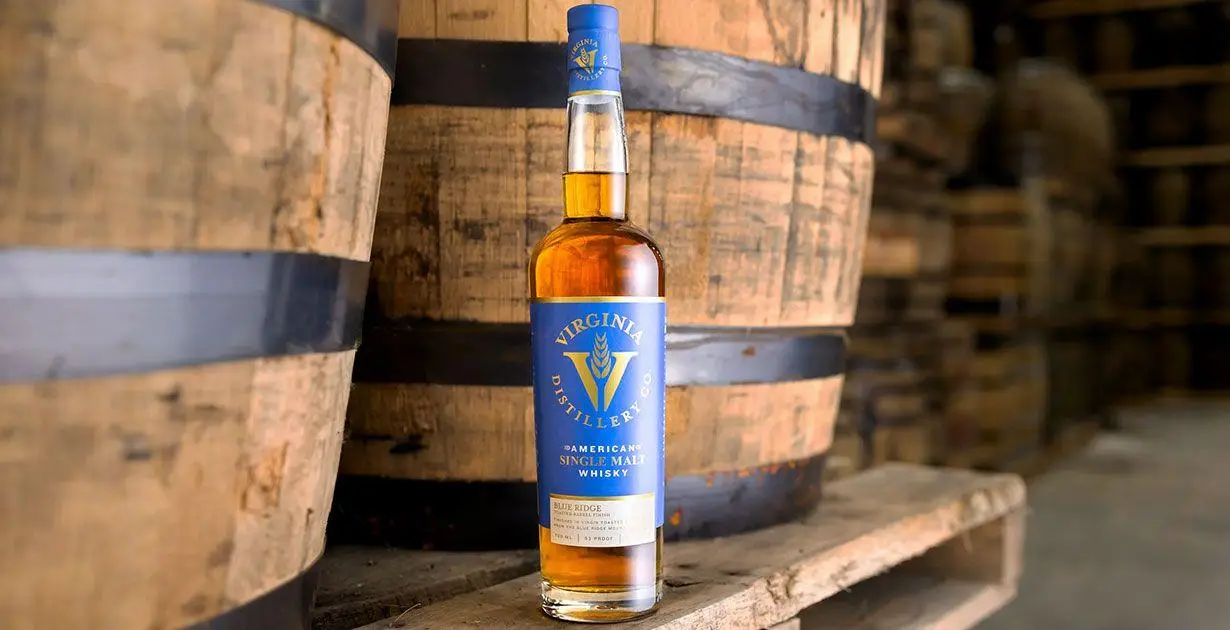
The whiskey is distilled, matured and bottled at the distillery, but its primary maturation takes place in ex-bourbon barrels, usually from Kentucky. Beckwith wanted Virginia wood involved too, so she turned to West Virginia Great Barrel Company.
She trialled four toast levels, from light to heavy, using the virgin oak for finishing rather than filling it with new make. That allowed her to watch what the wood added without burying the distillate underneath it.
“I got this beautiful graham cracker, toasted coconut, the vanillins and caramel and brown sugar were all there. But I still had the fruit character, and in fact, sometimes it showed more citrus,” she said.
My Virginia Distillery Blue Ridge Toasted Barrel Finish American Single Malt Whiskey Tasting Notes
Nose: Honey and digestive biscuits followed by malty, toasted barley, bright citrus, hazelnuts and dark chocolate.
Palate: Malty grain sweetness, fresh hay, vanilla, underripe stone fruits and waves of caramel.
Finish: Ginger and cinnamon spice linger with orchard fruit.
Old World Meets New
The port cask finish was one of my favorites over dinner, and it was the whiskey I asked Beckwith about first. She built it around a contrast between Portugal and Virginia, using genuine port casks alongside barrels from Virginia wineries producing wines in a similar style.
The Portuguese casks were chosen for what each could contribute.
“Those rubies are more youthful, but in such a good way, bright red fruit, which pairs really well with the chocolatey notes I was looking for, and then the tawny brings in the nuttier, richer depth,” she said.
Some of those finishes run to three years. In Virginia, that makes “finish” feel almost like an understatement.
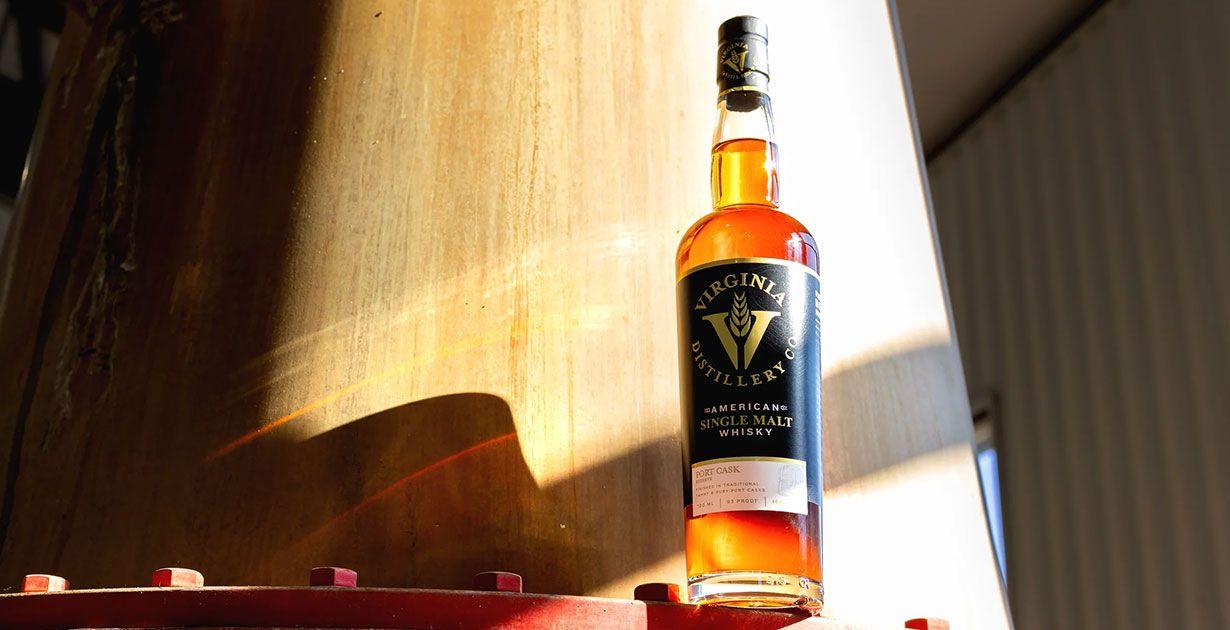
My Virginia Distillery Port Cask Reserve American Single Malt Whiskey Tasting Notes
Nose: Supple leather, pound cake, baking spices and clove-stuffed oranges.
Palate: Viscous despite the strength, with a hint of smoke, sugared orange zest, lemon drops, walnuts, chocolate and red berries.
Finish: Sugared almonds, malt and roasted coffee beans.
The Cabernet finish follows a similar idea. Beckwith combines Bordeaux casks with casks from Jordan Winery in California, finishing the whiskey separately before blending the components together. It is a method that lets each cask type do a specific job rather than asking one maturation to deliver everything.
The Case For An American Single Malt Map
That attention to place feeds directly into Beckwith’s larger argument for American single malt.
“In the U.S. when people hear single malt, they often still think Scotch and peated,” she said.
Scotland’s whisky regions are imperfect, but they give drinkers a starting point. Islay means something to a shopper before they know the distillery or bottle. Speyside means something else. The regional shorthand is broad and occasionally frustrating, but it helps people navigate the category.
Beckwith believes American single malt needs its own version of that vocabulary.
The Pacific Northwest has producers working with local oak species such as Garryana. Texas has a radically different climate. New Mexico distillers can work with mesquite smoke. Virginia has its humidity, seasons and local wood. Beckwith has no interest in making Virginia whiskey taste like Santa Fe because that would miss the point.
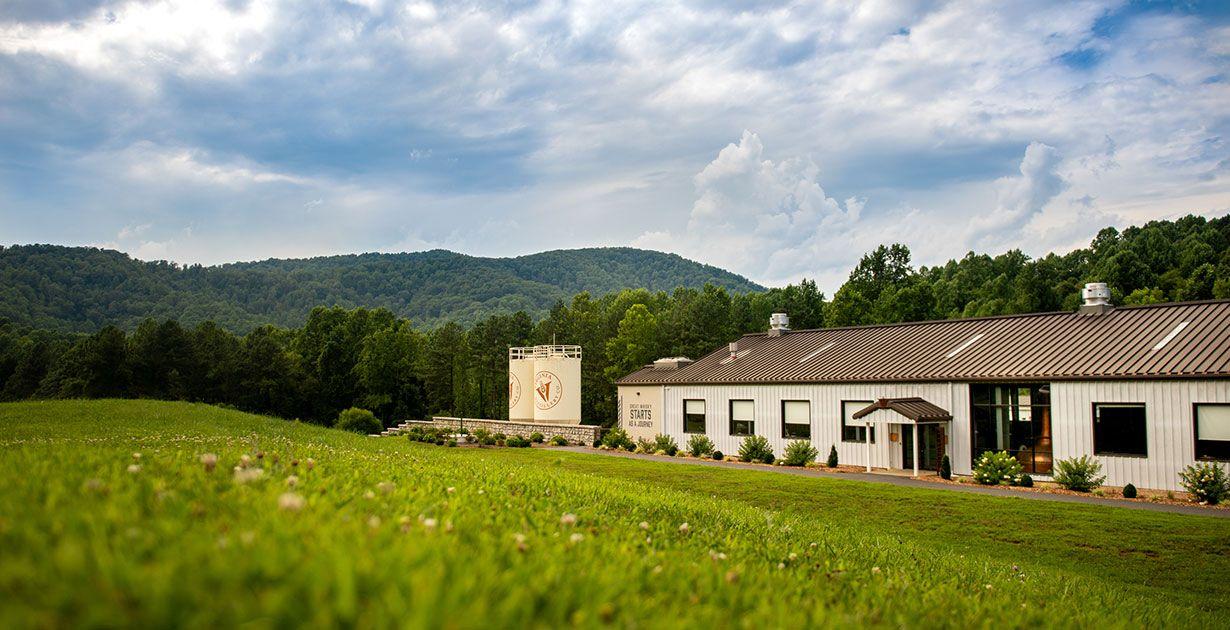
“Geographically the entire nation of Scotland can fit inside the state of Virginia with room to spare,” she said.
Virginia is not even a particularly large state. Evaporation in Texas is different from Virginia, which is different again from Colorado. A single national category can contain a great deal of regional character.
For Beckwith, formal American single malt regions would not need to prescribe a house flavour. Their value would be giving drinkers a language for asking why one American single malt tastes different from another.
Not Gatekeepers
Beckwith’s belief in giving people a way into whiskey also applies to the industry itself.
“I would not be anywhere close to where I am now without two women,” she said, referring to Steiner, who hired her, and Fraley, who later mentored her.
When Fraley first offered that mentorship, Beckwith assumed she was being polite. Steiner told her otherwise. Later, when Fraley wanted to call her a master blender, Beckwith resisted because there were still spirits she had never worked with. Fraley responded by clearing time in her schedule and bringing Beckwith out to work through rum.
That generosity is something Beckwith now tries to pass on. She meets monthly with a group of friends in the industry called the Sip Sisters, exchanging samples and checking in, and she mentors Erin Thomas, who has been working at a distillery in the Carolinas.
“It’s really empowering, isn’t it? To know we’re not alone,” she said.
Beckwith is also conscious of how easily people disappear from the history of distilling. Her answer is visibility, particularly the habit of naming other women rather than waiting for their work to be noticed.
“I think if a lot of people are raising each other up and saying, ‘but what about her?’ Through naming and bringing that visibility, we becomes harder to ignore,” she said.
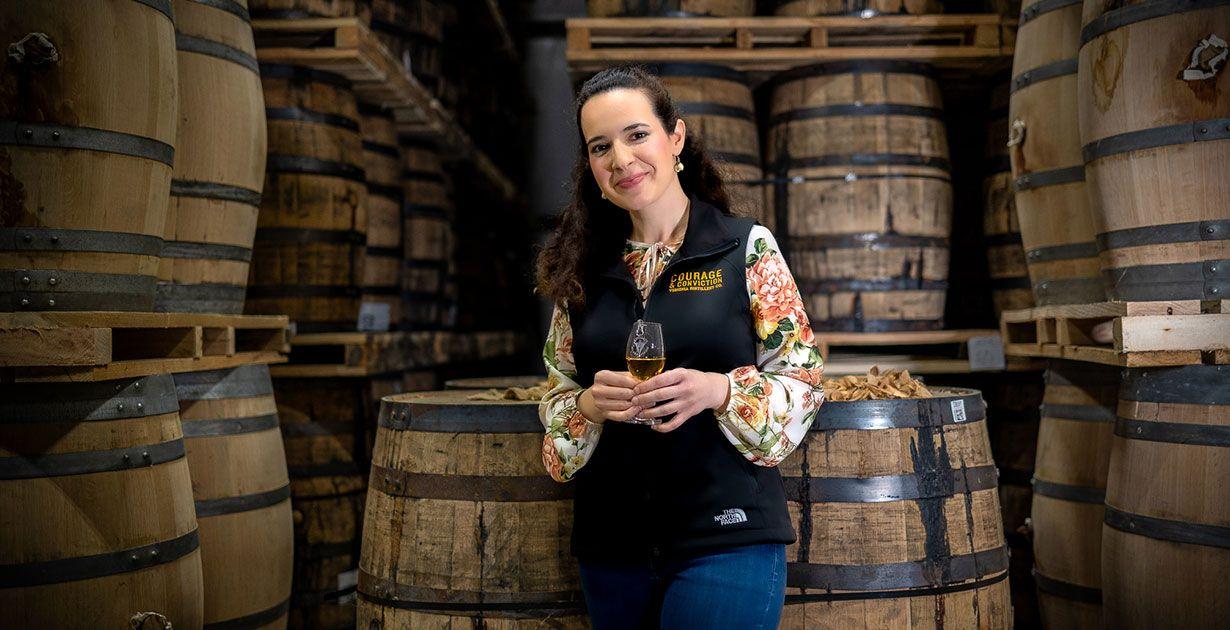
There is a connection between that idea and the map Beckwith wants for American single malt. Both are about making something easier to see, name, and understand.
Virginia Distillery already gives her an argument in liquid form. Blue Ridge Toasted Barrel Finish is not trying to imitate Scotch, just as it is not trying to become malt whiskey for bourbon drinkers by hiding what it is. It takes the climate, fruit character, and wood around Virginia and makes them part of the point.
The award may bring people to the bottle. Beckwith wants the place behind it to mean something too.