


Bourbon has always been one of whiskey’s great traditionalists. New charred American oak, a mash bill containing at least 51% corn, and distillation and maturation in the United States. Those rules have helped define bourbon for generations and produced some of the world’s most recognisable whiskies.
What’s changed over the last decade is what happens after that initial maturation.
More producers are experimenting with secondary cask finishes, borrowing techniques long associated with Scotch whisky. Some of those experiments feel like marketing exercises. Others genuinely improve the whiskey.
What Will Whisky Look Like in 2027? Voices from Whisky Live Paris
READ THE STORYThe reason they’re successful usually comes down to balance. Virgin American oak already produces high levels of vanillin, caramelised sugars and oak lactones that create bourbon’s familiar vanilla, caramel and coconut character. A carefully chosen finishing cask doesn’t replace those flavours. It builds on them.
When it’s done well, the results are exceptional.
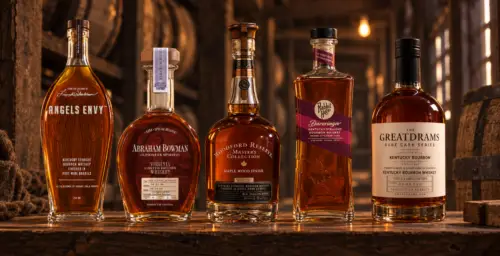
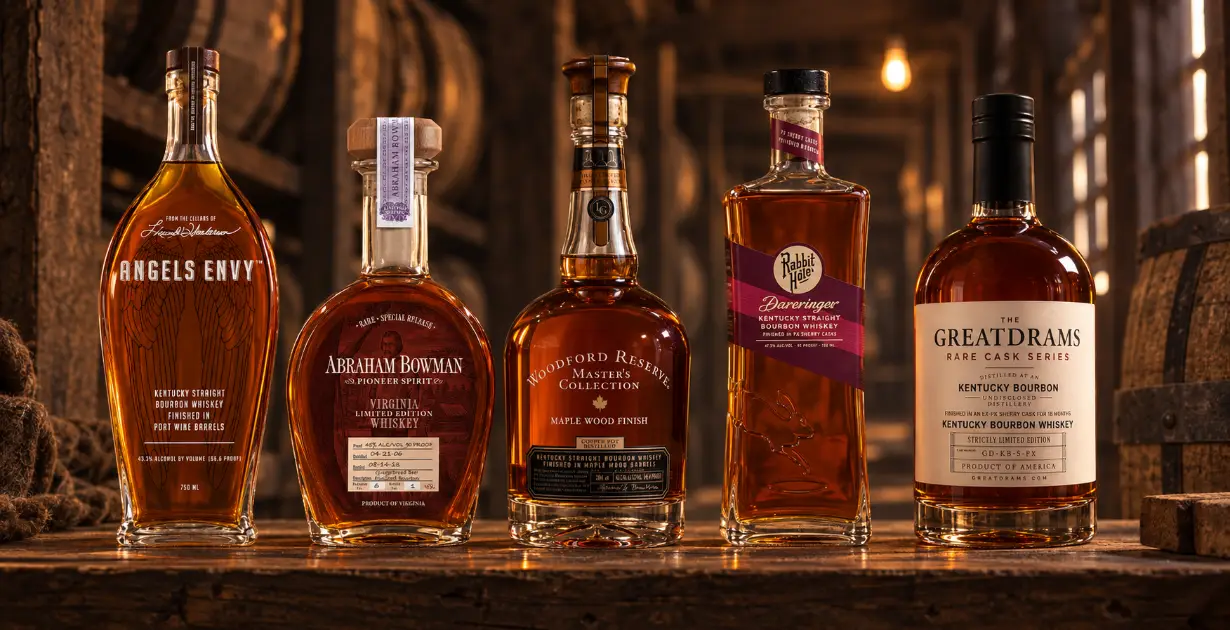
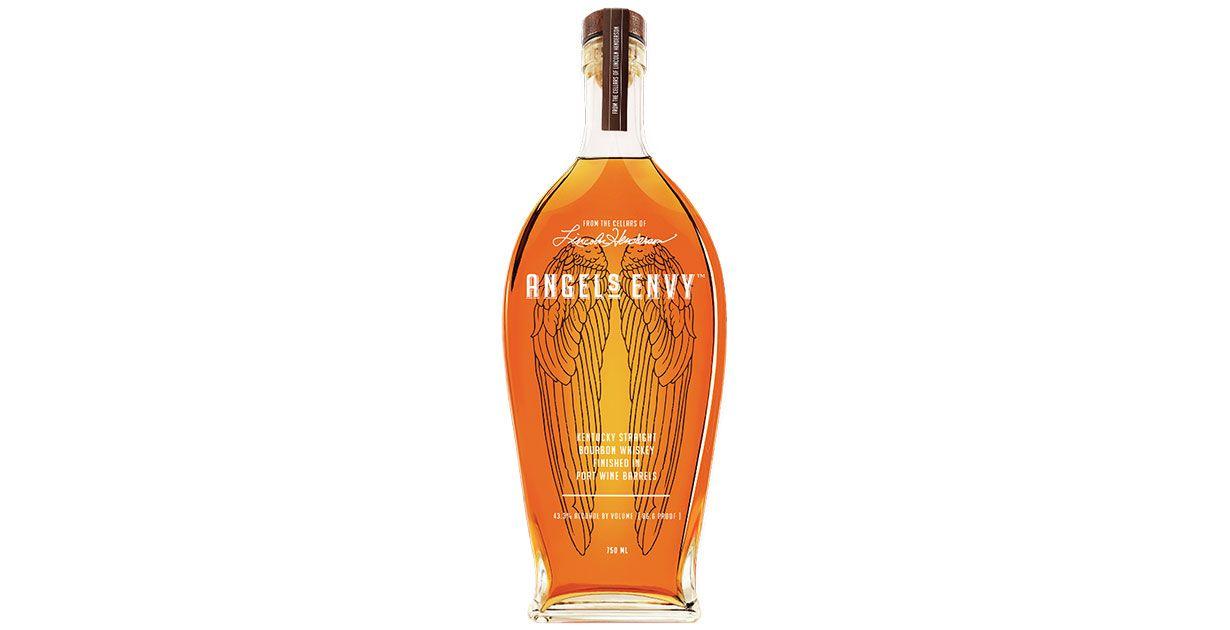
Angel’s Envy Port Finish
Port and bourbon shouldn’t naturally be comfortable partners.
 Trending Content
Bourbon already leans towards sweetness, so adding Port sounds like it risks tipping everything too far. Somehow, Angel’s Envy finds exactly the right balance.
After around six years in new charred American oak, the whiskey spends several months finishing in French oak Port casks from Portugal. The Port contributes ripe berries, dark cherries and raisins without masking the bourbon underneath.
Vanilla, caramel and toasted oak still lead the way, while the higher rye content introduces a gentle peppery spice that keeps everything in check.
The chemistry makes sense. Port casks contribute rich fruit compounds while the existing oak sugars soften their edges, creating a whiskey that feels layered rather than overly sweet. It remains one of the benchmarks for modern cask finishing.
Abraham Bowman Gingerbread Stout Finish
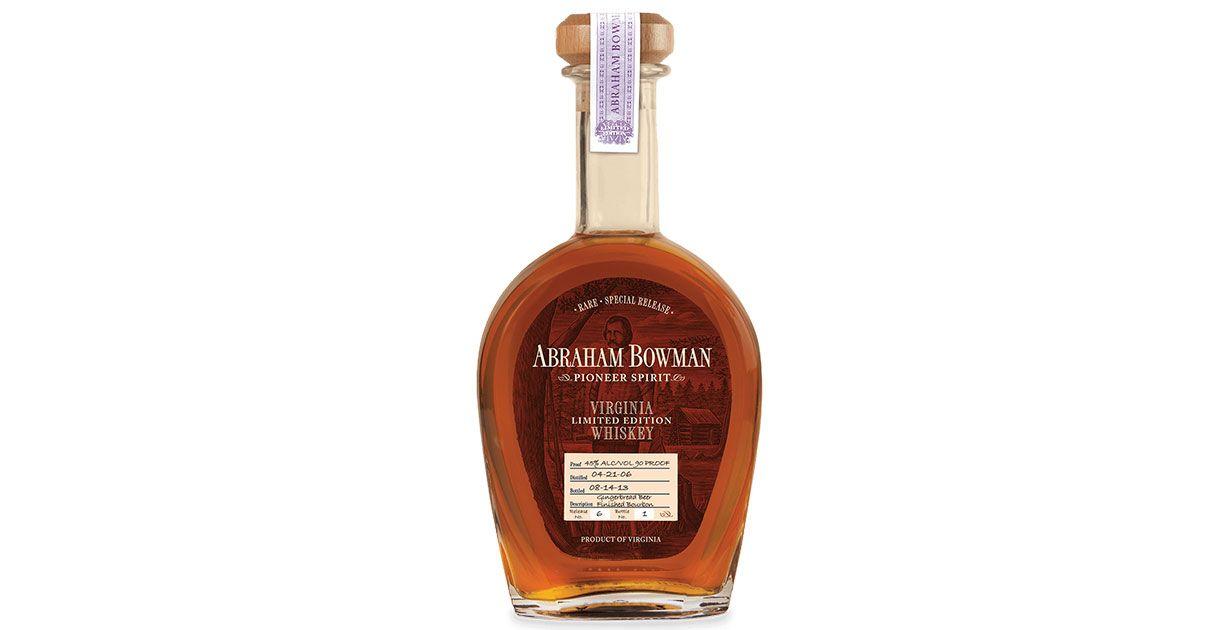
If someone suggested finishing bourbon in barrels that previously held gingerbread stout, I’d probably assume they were joking.
Fortunately, A. Smith Bowman weren’t.
This remarkable collaboration with Hardywood Park Craft Brewery saw bourbon barrels filled with the brewery’s famous Gingerbread Stout before returning to the distillery for further whiskey maturation.
It’s a complicated process involving several barrel transfers over more than seven years, yet the end result feels remarkably coherent.
The stout contributes gentle notes of ginger, cinnamon, roasted coffee and dark chocolate rather than dominating the whiskey. Underneath it all sits classic bourbon with honey, vanilla, toasted pecans and maple syrup.
Beer-seasoned barrels work particularly well because roasted malt compounds naturally complement the toasted oak already present in mature bourbon, adding depth without overwhelming the spirit.
It’s one of the cleverest finishing experiments I’ve tasted.
Woodford Reserve Master’s Collection Maple Wood Finish
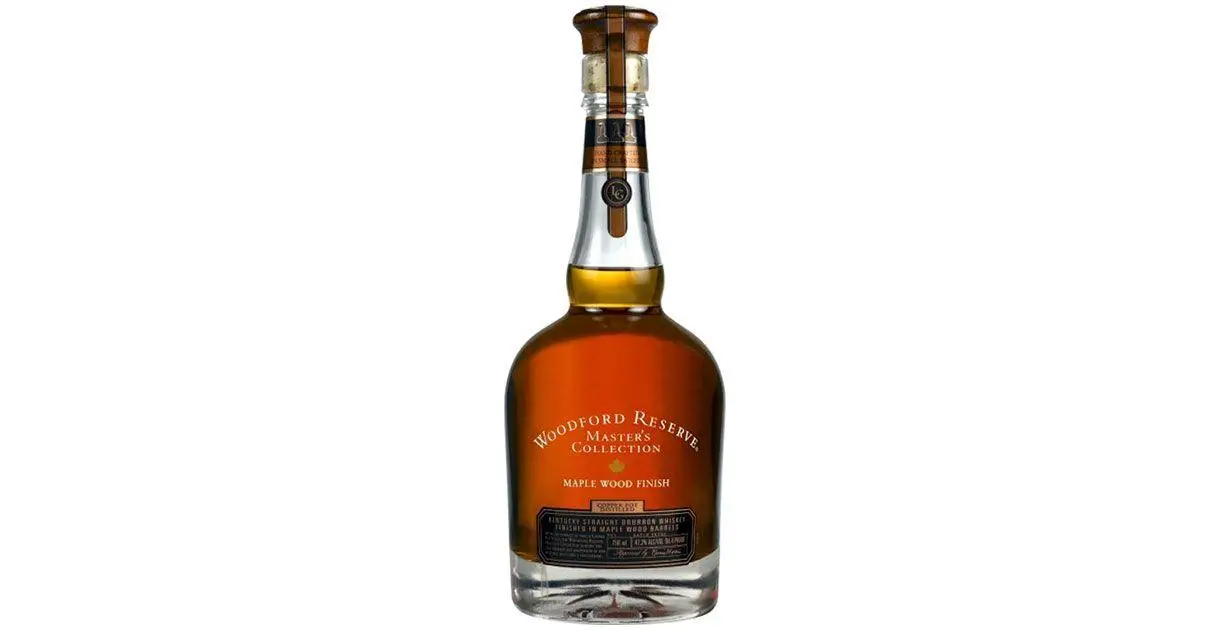
Woodford Reserve has built a reputation for thoughtful innovation, and this remains one of its most fascinating releases.
Instead of another spirit or wine cask, the whiskey receives a finish using toasted maple wood. The obvious concern is that maple simply adds even more sweetness. But that’s not really what happens.
Instead, the toasted wood contributes texture and richness. Alongside the familiar caramel, vanilla and honey come roasted nuts, cocoa, baking spices and an almost buttery character that reminds me more of warm maple pastries than maple syrup itself.
The finish is wonderfully creamy with a mouthfeel that lingers long after the final sip. It’s unusual, but never gimmicky.
Rabbit Hole Dareringer PX Sherry Finish
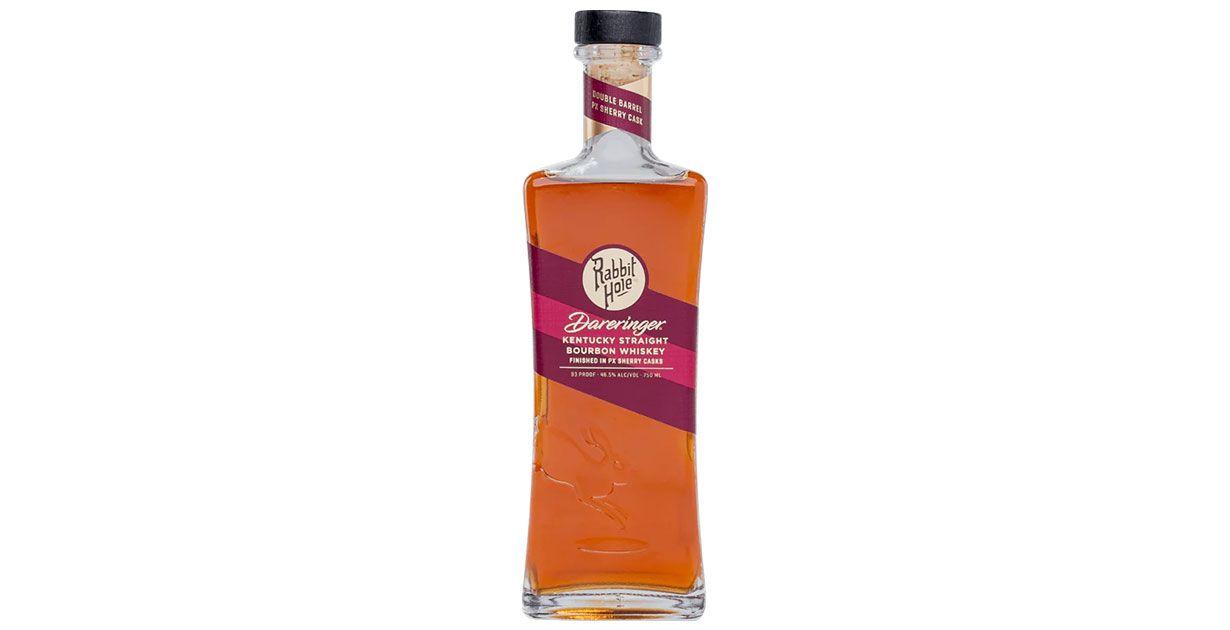
Pedro Ximénez and bourbon feel like unlikely partners until you remember what each already does well.
PX casks bring dried fruit, figs, dates and rich sweetness. Bourbon already carries vanilla, caramel and toasted oak. Put them together carefully and they complement one another beautifully.
Rabbit Hole’s Dareringer is a perfect example.
Finished in PX sherry casks sourced from Spain, it manages to add layers of dark fruit and chocolate without losing the bright, approachable character of the original bourbon.
I particularly enjoy the way the dried fruit gradually gives way to orange peel, cinnamon, baking spices and toasted almonds before the familiar bourbon sweetness returns on the finish.
It’s rich without becoming heavy, which is much harder to achieve than it sounds.
GreatDrams Kentucky Bourbon PX Sherry Cask Matured
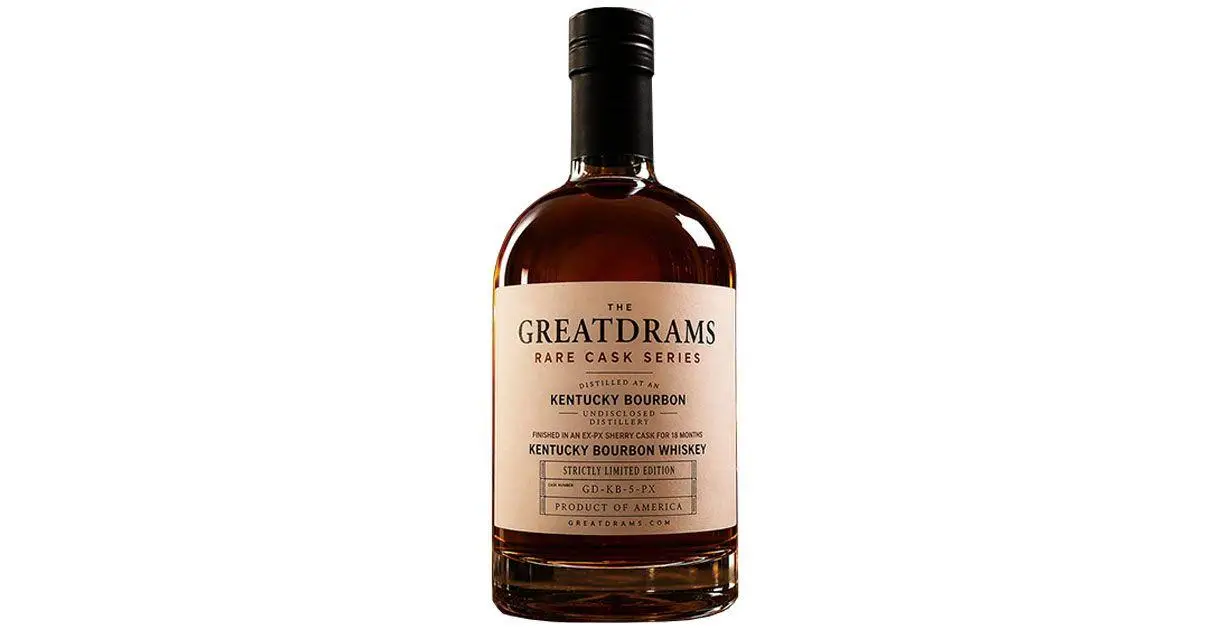
Full disclosure. This final bottle is one of ours.
Normally I’d avoid including one of our own whiskies in a feature like this, but the whole premise of this article is unusual bourbon finishes, and this release genuinely belongs in the discussion.
After five years in Kentucky, we transferred the bourbon into a Pedro Ximénez sherry cask for a further eighteen months. That’s considerably longer than many secondary maturations because we wanted the two influences to genuinely integrate rather than simply brush past each other.
The finished whiskey still delivers everything you’d expect from quality Kentucky bourbon. Vanilla, honey and cinnamon are all there from the first sip. The PX then begins to build. Dates, figs, cranberry sauce, toffee, pumpkin pie, brown sugar and dried fruits gradually emerge without ever burying the bourbon underneath. That balance was always the objective.
Winning a Gold Medal at the Global Spirits Masters suggested we’d achieved exactly what we hoped.
The Finish Should Never Become The Headline
Not every finished bourbon deserves to exist. Some releases feel designed purely because somebody found an empty wine cask and thought it might make good marketing. The best finished bourbons always begin with excellent whiskey.
The secondary cask shouldn’t disguise flaws or completely redefine the spirit. Its job is to add another layer, another chapter, and another reason to pour a second glass.
When producers understand that, whether they’re working with Port, Pedro Ximénez, stout, or toasted maple wood, the results can be every bit as compelling as the finest traditional bourbons.
Sometimes the ideas that sound the strangest on paper produce the most memorable whiskies in the glass.