



Designing and building a brand for a New World whisky comes with a very specific ask: you are entering one of the most established spirits categories in the world, but without the centuries of inherited codes that traditionally define it.
Scotch and bourbon brands benefit from a shared visual and verbal shorthand shaped by generations of production. Age statements, regional cues, heritage language, and familiar design tropes all help consumers quickly understand what they’re looking at. New World whiskies don’t always have that safety net.
It makes for an intriguing creative tension – between trying to build the credibility that scotch codes offer and the vitality that comes from a New World story.
What Will Whisky Look Like in 2027? Voices from Whisky Live Paris
READ THE STORYThe Pillars of New World Brand Building
One way to approach this challenge is to start with the origin. Instead of asking how closely a brand should resemble scotch or bourbon, a more useful question is: What makes this whisky true to where it comes from?
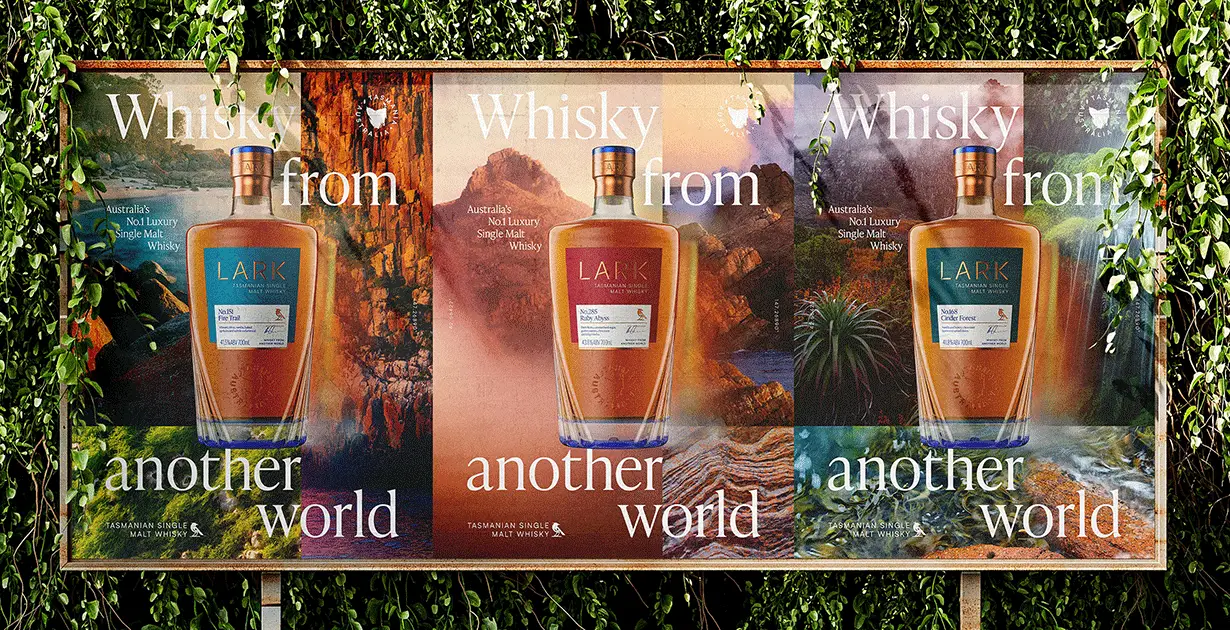
The answer often lies in three core pillars: place, process, and perspective. Landscape, climate, local materials, and culture are often the most powerful differentiators for New World whiskies. Whether it’s extreme weather, local agriculture, or a distinctive cultural context, place can become a central, expressive part of the brand story. In our work with Tasmanian whisky brand LARK, for example, we built the brand strategy around LARK’s unique position as a whisky born of the remote island’s richly evocative ‘super climate’.

We also took inspiration from the distiller’s freedom of expression and creativity unfettered by ‘old world’ category expectations and traditions. New World distilleries often operate with more freedom when it comes to process. Local grains, unusual casks, climate‑driven maturation, and non‑traditional production methods are often distinctive marks of a new world liquid, and design can communicate and amplify these unique traits.
 Trending Content

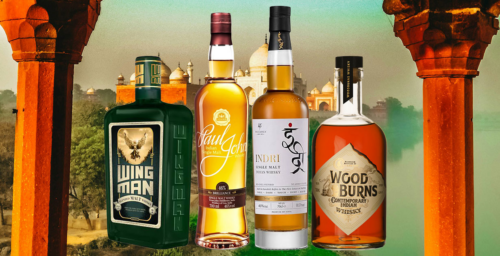
Equally, New World whisky often reflects a contemporary point of view, rather than inherited tradition. It’s a unique perspective that brand building can lean into – design‑led distilleries, modern architecture, sustainability, or broader cultural craft influences can all shape a brand’s attitude. Swedish brand Mackmyra, for instance, features a sleek, modern bottle designed for sustainability and reflecting the Swedish ‘clean’ aesthetic, while mirroring the distillery’s passion for innovation.
The goal isn’t to reject whisky credibility, but to build it through authentic stories and clear character rather than borrowed heritage.
Free to Reinvent the Category
This presents a unique opportunity. The absence of rigid category codes can be liberating. While scotch often operates within a relatively narrow visual vocabulary, New World whisky brands are freer to explore what whisky can look like and how it can behave.
Instead of competing purely on age and heritage, they can stand out with innovation, transparency, cultural relevance, and attitude. A number of Irish distilleries are actively casting off old-world codes to tell more New World stories. The Middleton Distillery’s experimental brand Method and Madness is crafted by apprentices and masters working alongside each other, and has a striking octagonal bottle and graphic label to reflect this approach.
It shows how brands are giving themselves permission to cast the net wider in terms of creative inspiration, exploring themes that could feel jarring within the world of scotch. Rather than imitate whisky tradition, they can position New World whisky within modern culture.

Japanese distillery Nikka is another good example. It has started forging its own path, leaning into minimalism with a quiet confidence and beautiful simplicity. Its Nikka Days or more recent Frontier whiskies feel like they’re created for a consumer with a contemporary mindset rather than living in a world of tradition. Frontier is designed with a bold, screen-printed ‘N’ on the front, with a bottle structure that feels subtly Japanese.
This confidence to forge their own path means New World whiskies are well-positioned to engage with new drinkers. A contemporary design language and cultural references can make whisky feel more accessible to audiences who may find traditional brands intimidating or old‑fashioned.
In many ways, New World whisky behaves more like modern wineries or craft breweries: confident, expressive, and design‑forward.
Striking the Right Balance
That freedom doesn’t come without constraints. Whisky has challenging realities and remains heavily coded. Borrowing established scotch or bourbon signals can still help with consumer understanding, particularly when someone is encountering a brand or a new whisky region for the first time.
It therefore becomes a balancing act of which traditional cues you keep, and what you should move away from. Which help the brand, and which ones hold it back? Rather than trying to look “like whisky” by default, the challenge becomes understanding which elements of the visual language support clarity and which feel inauthentic. The strongest New World brands tend to make conscious choices, not rejecting tradition outright but refusing to lean on it unnecessarily.
Competing On a Global Stage
When competing globally, as a non‑Scotch, non‑US whisky, the framing matters even more.
Instead of asking “How do we match Scotch?”, New World brands should be asking “What can only this place produce?”. Owning environment becomes critical on the global stage. Climate, water, grain and geography turn into key assets. Kavalan, for instance, made Taiwan’s tropical maturation a global point of difference.

At the same time, because heritage may be shorter, design has to work harder. Packaging, naming and brand assets become credibility tools. To succeed on a crowded shelf, New World whisky brands need to be unmissable.
By starting with place, process and perspective, and by using design to tell authentic, contemporary stories, these brands can build credibility on their own terms. Not as alternatives to Scotch or Bourbon, but as distinctive whiskies shaped by the world as it is today.