Skip to content




We’ve all spent the early years of our whiskey journeys trying to understand the jargon on bottle labels. From bottled-in-bond to small batch and cask strength, there’s a lot to take in.
But which terms on a bourbon label have legal meaning, and which are simply marketing? More importantly, what do they actually tell you about the whiskey inside?
Here’s what you need to know when reading a bourbon label, and whether those words can help you find a better bottle.
Bottled-in-Bond
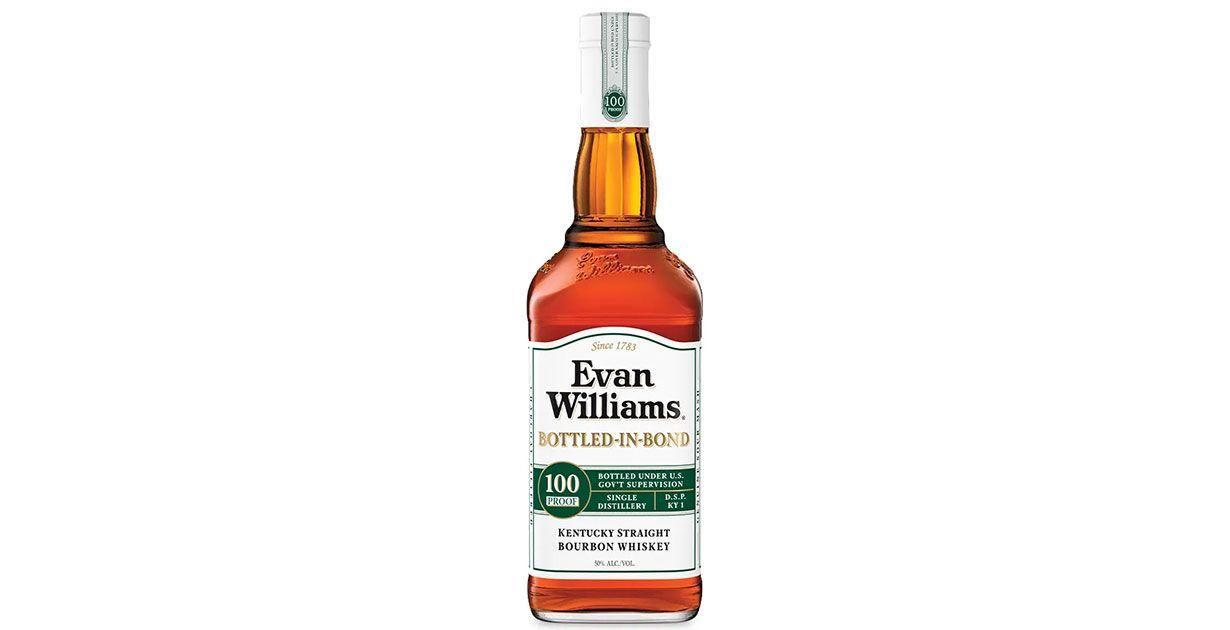
When you see bottled-in-bond on a bourbon label, it means the whiskey comes from a single distillery, produced by one distiller during one distilling season. It must be aged for at least four years in a federally bonded warehouse and bottled at exactly 50% ABV (100 proof), with nothing added except water to reduce its strength.
The minimum four-year aging requirement makes bottled-in-bond bourbon an appealing option, particularly given how affordable some of these releases can be. However, it doesn’t guarantee that older whiskey has been included in the final product, and the mandatory 100 proof bottling strength might be off-putting if you’re looking for a lower-proof weekend sipper.
Some argue that the Bottled-in-Bond Act is a little outdated, particularly when it comes to certain restrictions. Personally, I think seeing bottled-in-bond on a bourbon label is a very good sign. You’re often getting a bigger flavor profile, more intensity, and something that’s still very wallet-friendly.
Straight Bourbon
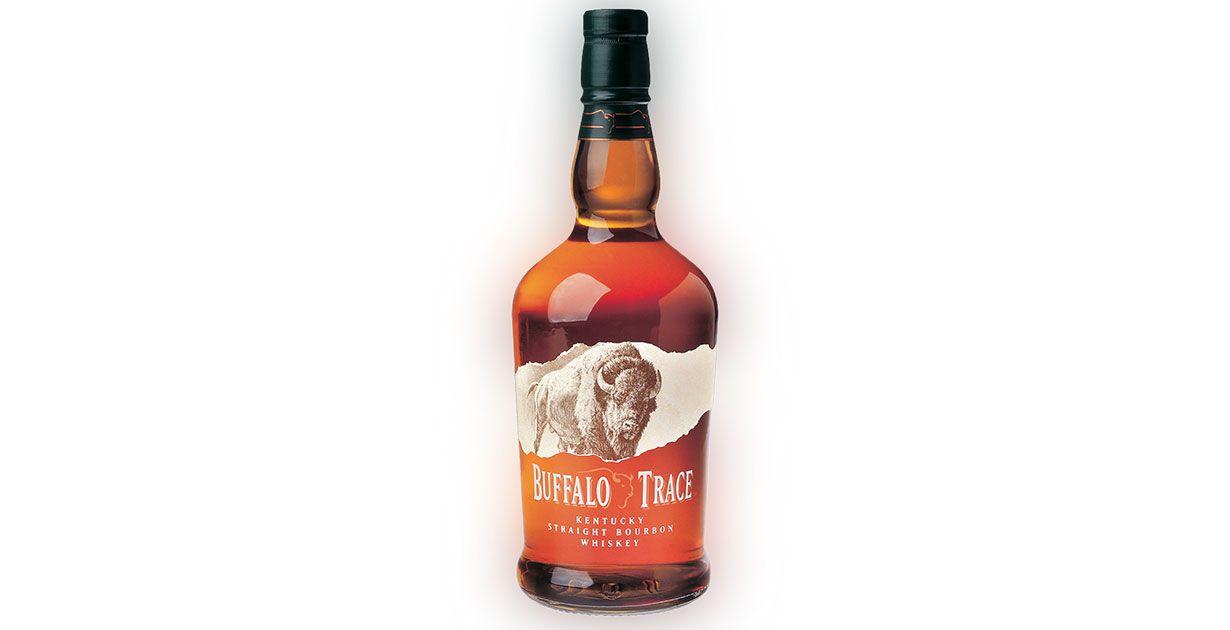
Straight bourbon must meet all the usual requirements for bourbon, with the additional condition that it has been aged for at least two years.
That means it must be made from a mash containing at least 51% corn, distilled to no higher than 80% ABV, and entered into new charred oak barrels at no more than 62.5% ABV. It must also be bottled at a minimum of 40% ABV and contain no additives.
The important difference is the aging requirement. Bourbon itself has no minimum aging period, but straight bourbon must spend at least two years in new charred oak barrels. If it’s younger than four years, its age must also be stated on the label.
This is something worth looking out for when buying bourbon. However, if a bottle doesn’t say ‘straight’, that doesn’t automatically mean it’s inferior. It may simply be a younger whiskey, or one that doesn’t meet the additional requirements for the designation.

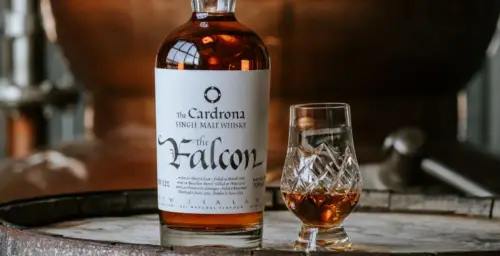
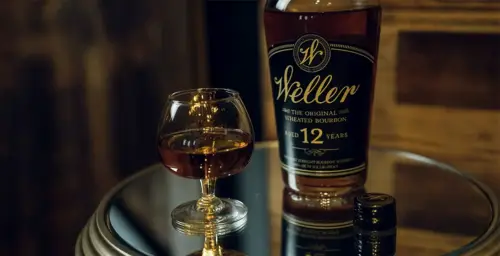
If you’re looking to get your teeth into American whiskey, straight bourbon is certainly a good place to start.
Small Batch
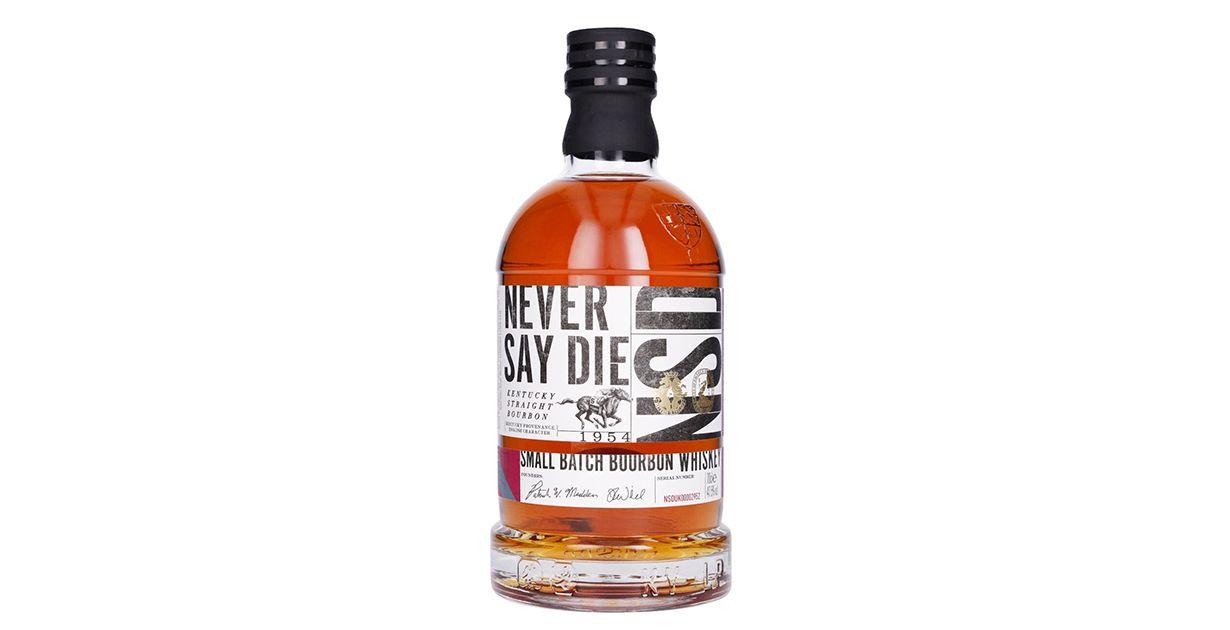
Small batch is a marketing term rather than a legally defined classification. If I’m being honest, though, plenty of brands are quite transparent about what goes into their small batch releases.
Depending on the size of the distillery, a small batch bourbon could contain anything from 10 barrels to around 300. Russell’s Reserve, for example, has been associated with batches of around 250 barrels, compared with the considerably larger batches used for its sibling, Wild Turkey 101.
When you see small batch on a bourbon label, it generally means the blending team has selected a relatively limited number of barrels to create a particular flavor profile.
Sometimes, those barrels have qualities that might otherwise be lost when blended into a much larger core release.
However, because there’s no legal definition of small batch, the term alone doesn’t guarantee better whiskey.
Single Barrel
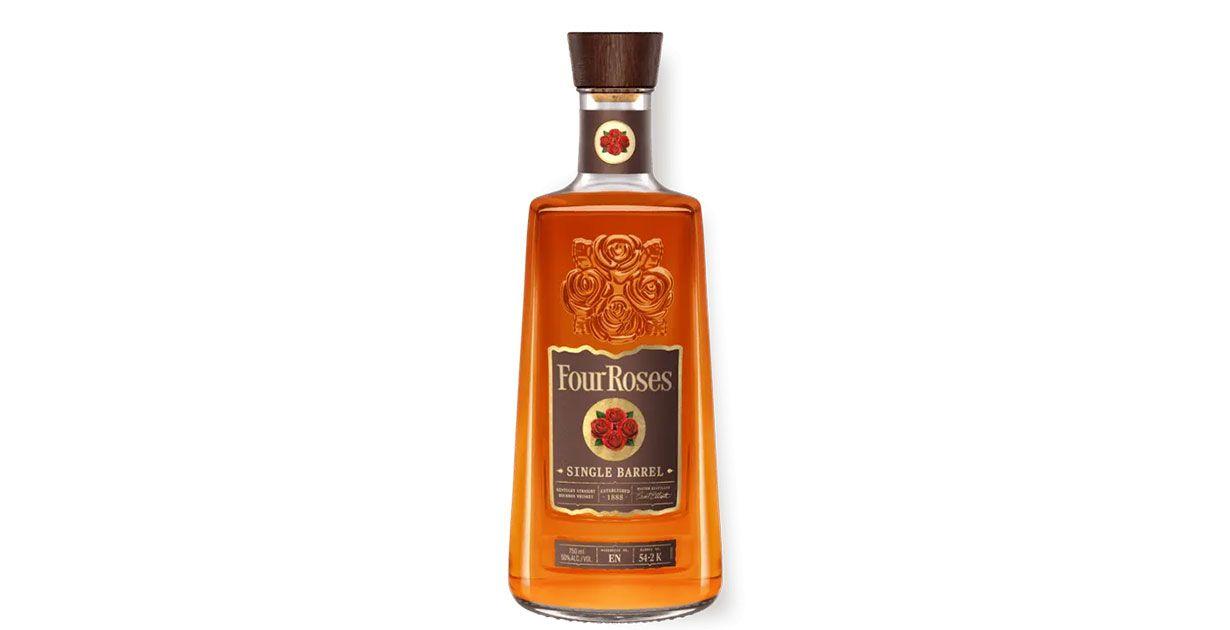
Some of my favorite whiskey releases in the world are single barrels. They do have their drawbacks, however.
When you read single barrel on a bourbon label, you’re looking at whiskey that has come from one individual barrel rather than a blend of several.
No blending of different barrels has taken place to create a larger-scale product. Instead, you’re getting one cask with its own unique qualities. You’ll normally find specific barrel numbers on the label, and sometimes warehouse locations, too.
Because each barrel produces a limited number of bottles, there’s typically less of this whiskey available. Single barrel releases are also often bottled at higher strengths, although that isn’t a requirement.
If you find one you really enjoy, it might be worth picking up a few bottles for the future.
The downside is that a barrel selected for its unique characteristics won’t necessarily suit your palate. It could be the complete opposite of what you’re looking for.
There’s also the matter of consistency. Two bottles from different barrels can taste noticeably different, even when they carry exactly the same brand name.
Cask Strength
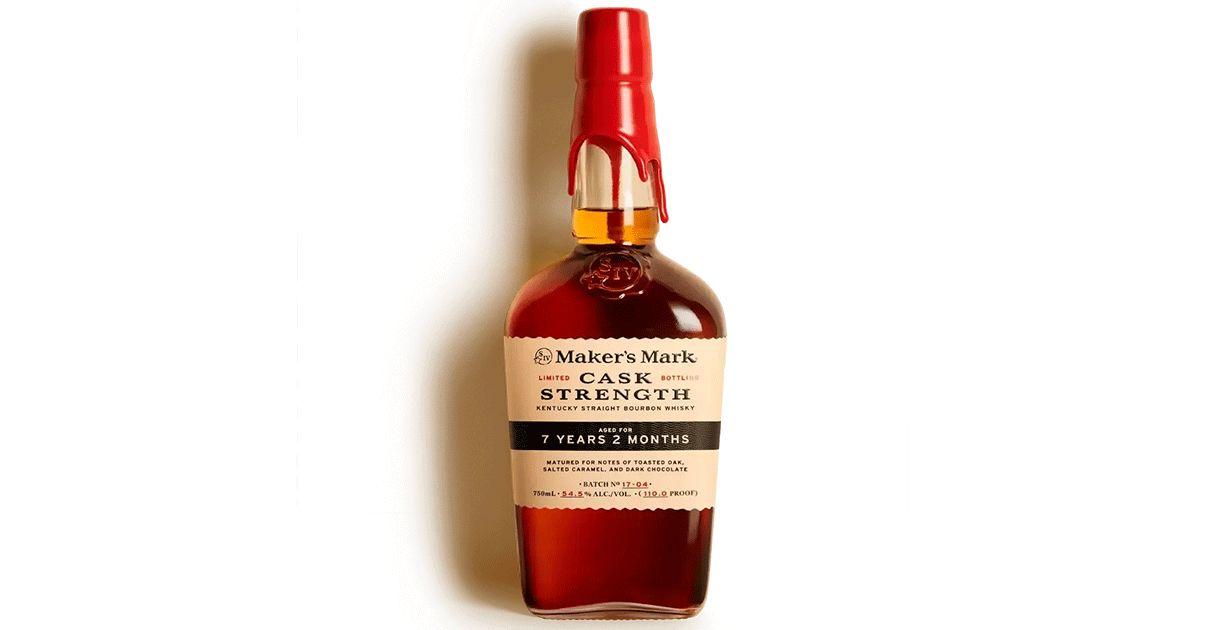
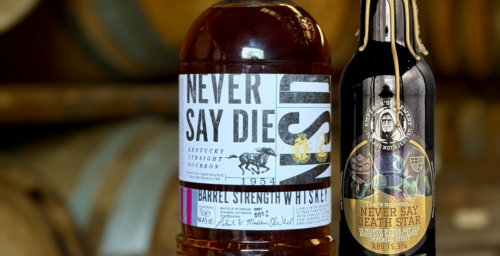
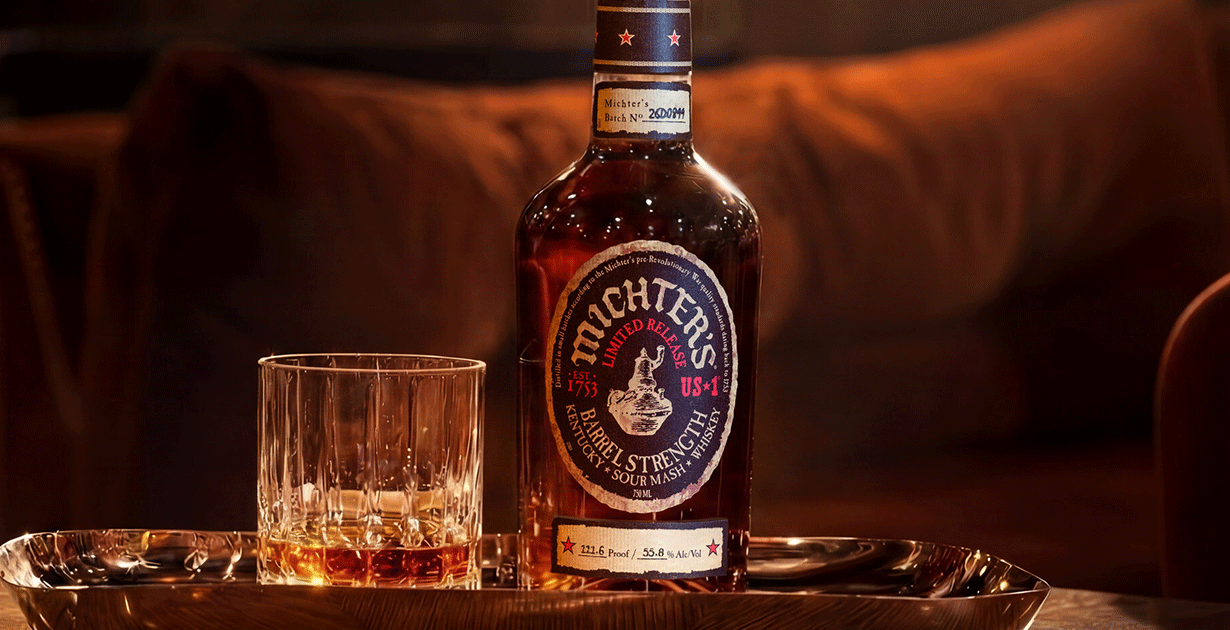
Turning a bottle of bourbon around and reading ‘cask strength’, ‘barrel proof’, or ‘uncut’ generally means you’re getting whiskey bottled at, or very close to, the strength it reached during maturation.
In other words, it hasn’t been significantly diluted with water before bottling.
There is a small caveat. Under federal guidance, bourbon labeled ‘barrel proof’ can be bottled at up to two proof points below the strength recorded when the whiskey was gauged for tax purposes.
That means a very small reduction in strength is permitted without losing the barrel proof designation.
For me, cask strength bourbon can offer a more intense drinking experience, with concentrated flavors and plenty of character. However, higher proof doesn’t automatically mean better whiskey, and some releases benefit from a little water in the glass.
Sour Mash
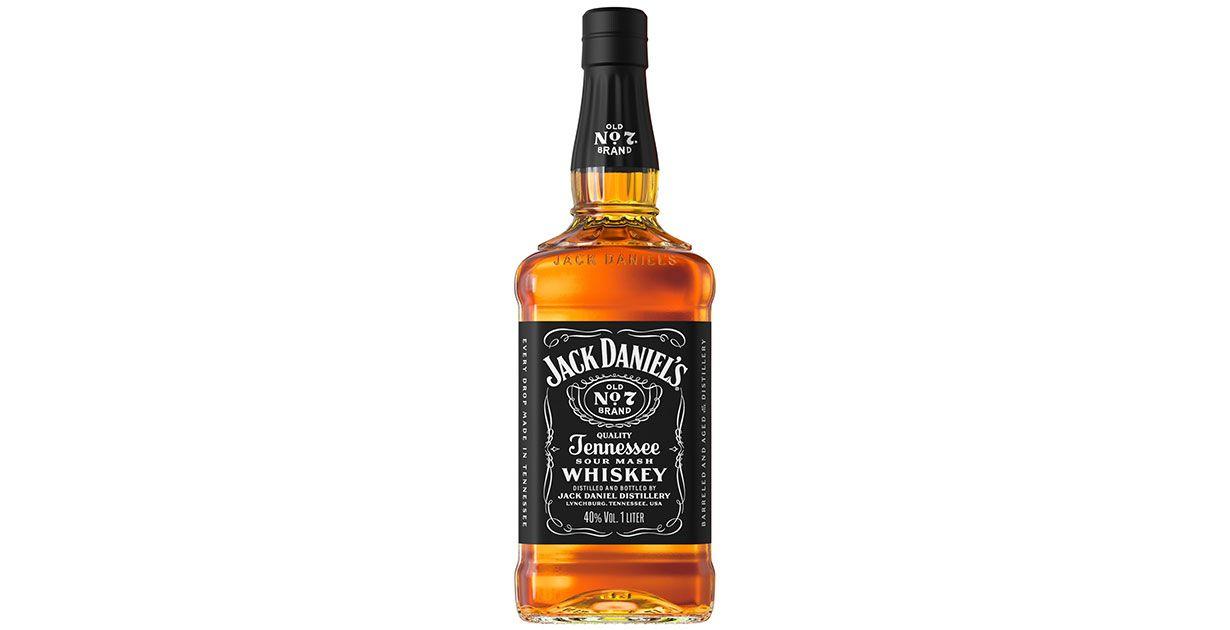
Before getting into the process itself, it’s worth pointing out that most bourbon is made using the sour mash method.
This isn’t simply a marketing term. It’s an established production technique that helps distilleries maintain consistency between batches.
Sour mash involves taking some stillage, the acidic liquid remaining after a previous distillation, and adding it to the next batch of grain and water before or during fermentation.
This is sometimes done at a ratio of around one part stillage to three or four parts fresh mash, although the proportions vary between distilleries.
The acidity helps control the mash’s pH, discourages unwanted bacteria, and creates a more consistent environment for fermentation.
Jack Daniel’s gives sour mash pride of place on its labels, but it’s far from the only distillery using the technique. It’s simply one of the brands that has made the process particularly prominent in its marketing.
So, while sour mash tells you something about how a whiskey is produced, it doesn’t necessarily make that bottle different from the competition.
Age Statements
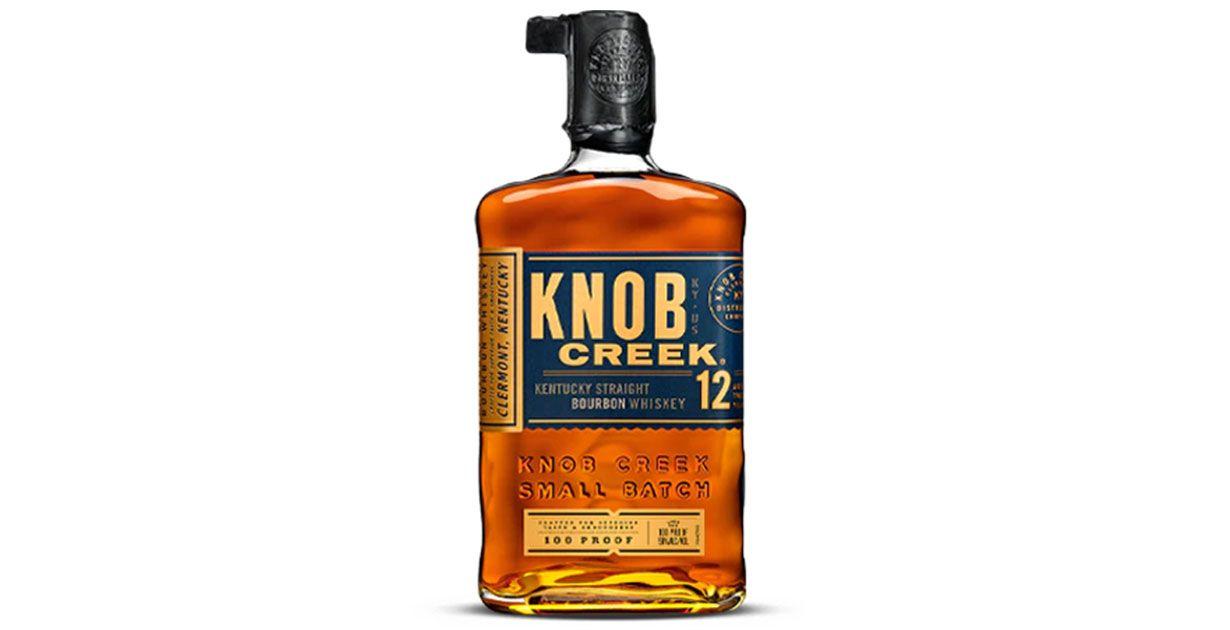
Age statements are among the most prominent features on bourbon labels, and they can tell you quite a lot about the whiskey inside.
When a bourbon carries an age statement, that number generally refers to the youngest whiskey in the bottle, rather than the average age of the entire batch.
For example, if a distillery combines barrels aged six, eight, and ten years, the age statement would normally be six years.
As we’ve already covered, straight bourbon must be aged for at least two years. If it’s younger than four years, that age must be declared on the label.
This means that if you see a straight bourbon with no age statement, you know it’s at least four years old.
Of course, age isn’t everything. A well-made four-year-old bourbon can be more enjoyable than something that’s spent twice as long in a barrel.
Still, age statements are one of the more useful pieces of information when comparing bottles on the shelf.
Proof
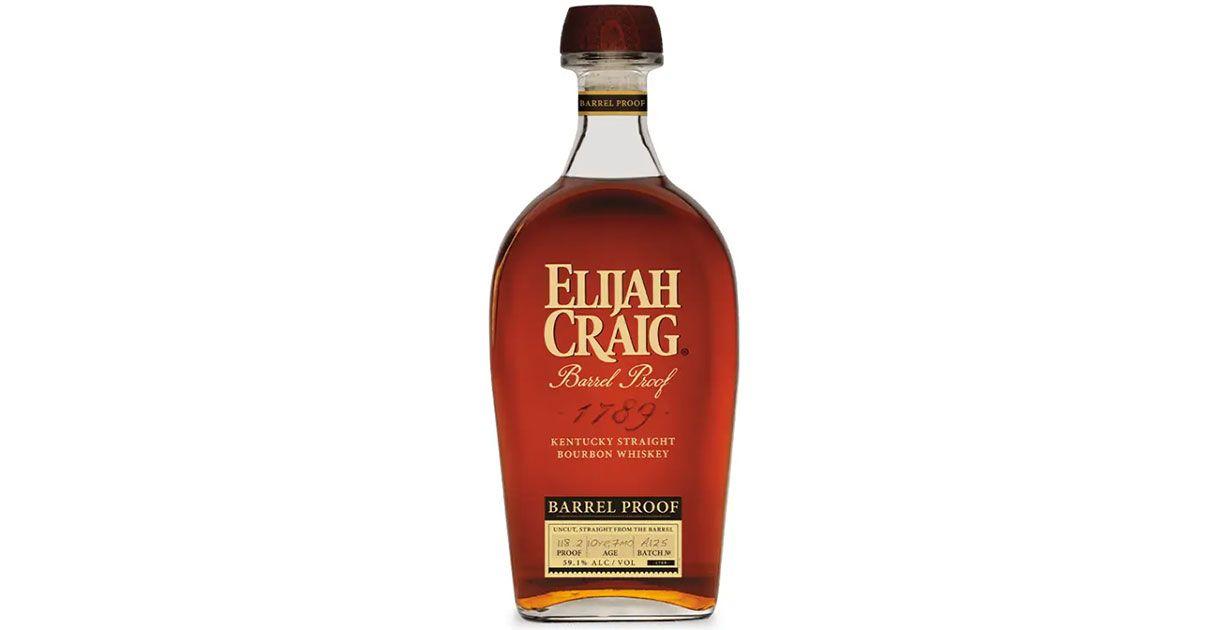
Proof is one of the easiest terms to understand on an American whiskey label. It’s simply the alcohol by volume (ABV) multiplied by two.
A bourbon bottled at 40% ABV is 80 proof, while one bottled at 50% ABV is 100 proof.
Legally, bourbon cannot be bottled below 40% ABV, or 80 proof.
One term worth looking out for is ‘full proof’. Unlike barrel proof, this isn’t a formally defined category under federal labeling regulations.
Some distilleries use it to describe bourbon that’s bottled at the same proof at which it originally entered the barrel. For example, a bourbon entered into the barrel at 125 proof might later be diluted back to 125 proof before bottling.
That doesn’t make it cask strength, as the whiskey may have reached a different proof during maturation.
Proof can be a tricky thing, and there isn’t one sweet spot that works for every brand or distillery. A higher proof can deliver more intensity, but it doesn’t automatically make a bourbon better.
Ultimately, the best way to find your preferred strength is to try different styles, responsibly, and see what works for you.
What Really Matters On A Bourbon Label?
A lot of what’s written on a bourbon label has a legal meaning behind it. Terms such as straight bourbon, bottled-in-bond, and age statements come with specific requirements that tell you something useful about the whiskey you’re buying.
Others, such as small batch, select, or reserve, are much less clearly defined and often serve more as marketing tools.
That doesn’t make them meaningless, but it’s worth understanding the difference.
The next time you’re standing in front of a wall of bourbon at your local liquor store, take a closer look at the label. Knowing which words carry legal weight, and which are there to catch your attention, can help you make a more informed choice.
Of course, none of these terms can guarantee you’ll enjoy what’s inside. That’s something only tasting the whiskey can tell you.