Skip to content




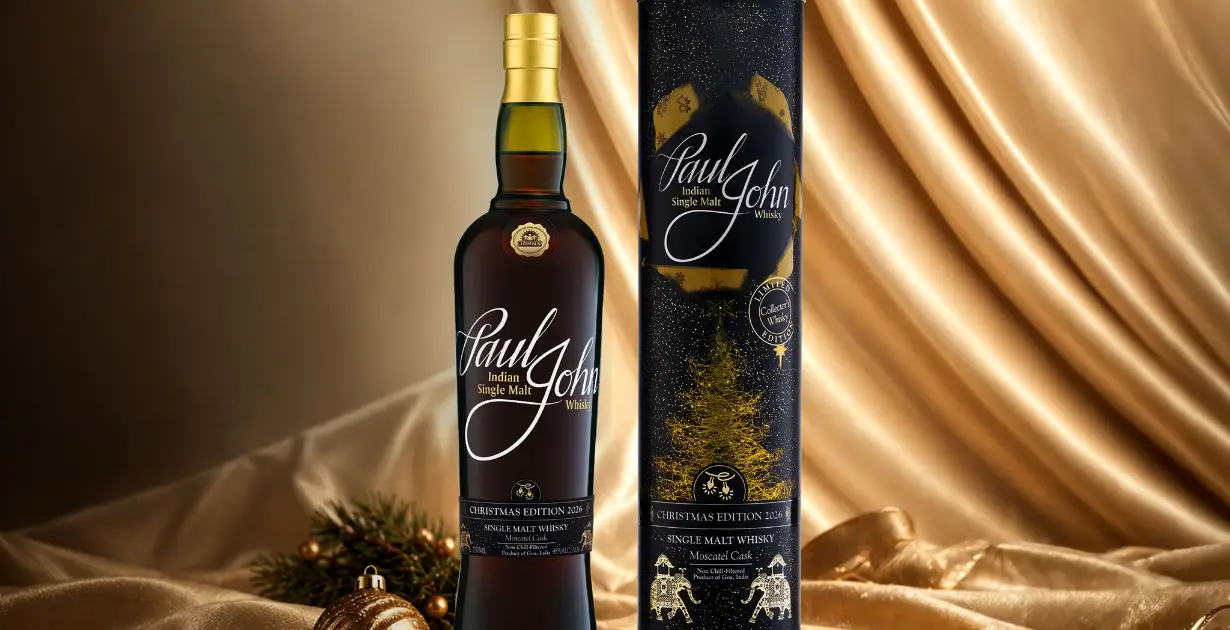
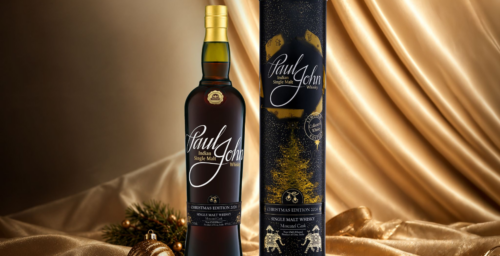
Anyone new to Indian single malts may not immediately draw a comparison with bourbon. They’re produced from a different grain, in another country, using different distilling methods — how similar could they be? As an experienced Indian whisky distiller, helping produce one of the country’s best-known single malts, I can tell you there is more cross-over than you’d think!
Many Indian whisky distillers, including our team at Paul John, are making and maturing their spirits in a climate more similar to Louisville than the Scottish Lowlands. And, as any good bourbon drinker will know, inside the cask is where a whisky is truly made.
In assessing how both bourbon and Indian single malts are produced, we can start to see the similarities. Let’s take a closer look.
Going against the grain
Like a Scotch, Indian single malt is made with malted barley. However, some distilleries (including ours) use native six-row barley. Compared with the European two-row barley typically used by Scotch whisky makers, Indian six-row barley has much higher levels of amino acids and fatty acids. These are excellent flavour generators, producing new makes that are intensely fruity, spicy and oily.
Bourbons can carry a lot of flavour complexity in their spirit thanks to their mixed mash bills, incorporating rye, wheat and other grains. We believe distilling with six-row barley brings us closer to that style of whisky, offering more plentiful and complex flavours than a European barley varietal.
Choosing the cask
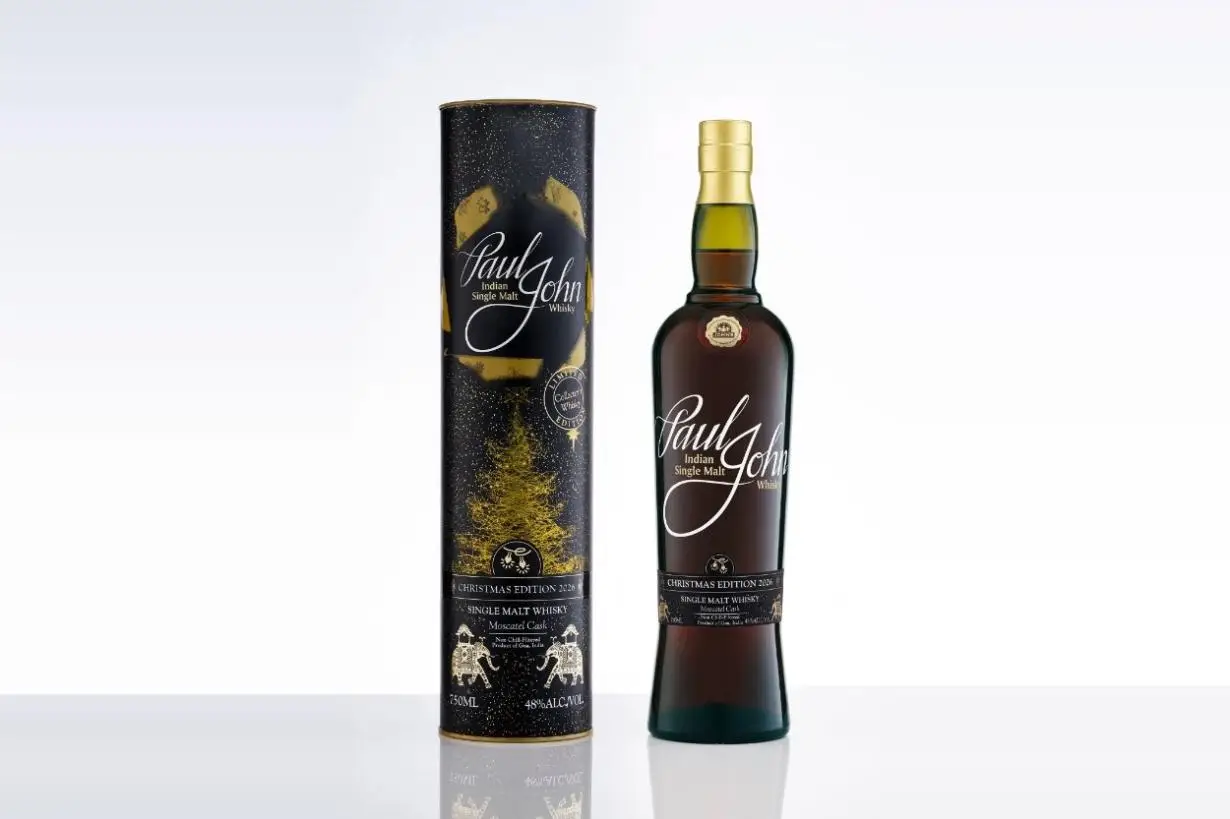
American oak ex-bourbon casks are favoured by single malt producers around the world for the flavours they impart, and Indian single malt distilleries are no different. At Paul John, we mature our spirit in bourbon casks regularly, including core-range expressions such as Bold and Brilliance.
For anyone who enjoys bourbon, these casks produce familiar flavours in Indian single malts: there is a sweetness of caramel and vanilla, woody spices like clove and cinnamon, and creamy coconut notes. They complement the juicy tropical fruit aromas that are abundant in our Paul John new-make spirit.
But it is not only the type of cask that aligns Indian single malts with bourbons — it’s the conditions they age in, and how that affects the all-important contact between spirit and wood.
Turning up the heat
The warmth of India’s climate — particularly in states like Goa, where Paul John is made — plays a major part in how our whiskies age. It creates conditions that bourbon aficionados will recognise: higher overall temperatures combined with big temperature swings, from day to night and across the seasons.
The result is fast interaction between wood and whisky. The oak expands and contracts to a greater degree than would be possible in a cooler climate like Scotland’s, helping the spirit penetrate deeper into the staves. Colour, flavour and tannin are extracted from the wood much faster, and spirits reach maturation more quickly than a typical Scotch single malt.
At Paul John, we estimate that an Indian single malt can reach the same level of maturity in five years as a Scotch does in 12. That accelerated interaction helps the whisky take on the smooth texture and rich, developed flavour you would expect from an older single malt. Consequently, Indian single malts (much like bourbons) can be bottled and drunk younger. I feel our Paul John single malts could hold their own against Scotches twice their age!
The warm climate is not without its downsides. It has a significant impact on our “angels’ share”. Annual evaporative losses for Indian single malt distilleries can run into double digits, far greater than the average 2% that Scotch single malt distilleries lose. While this makes Indian whiskies more expensive to produce, we believe the benefits to flavour are worth the angels’ larger share.
Tropically aged whiskies
Our Paul John single malt whiskies carry a clear imprint of their faster maturation, a process we call “tropical ageing”. The extra maturity gained through those warmer temperatures lends our whiskies a full, robust flavour profile and a refined texture that would be almost impossible to find in similarly aged single malts from cooler climates (including some other Indian whiskies which are produced in more northerly regions).
For bourbon lovers who relish the impact of exceptional wood and fierce heat on their whiskies, Indian single malts are a natural home from home.
Discover more about Paul John Single Malt at pauljohnwhisky.com.
 Latest On The Whiskey Wash