







Weller has become one of the most recognizable names in American whiskey, but many people have never actually seen a bottle on a shelf. The brand’s rise from everyday bourbon to cult favorite has reshaped how people talk about wheated whiskey, price jumps, and the modern allocation system.
Weller is also a family of very different bottles. Some are approachable. Some are powerful. Some are nearly impossible to taste without knowing the right person. This guide breaks down every expression listed on the Buffalo Trace Distillery website so you can understand what each bottle offers. It also helps explain how the history of Weller shaped its reputation and why the name carries so much weight today.
A Short History of W. L. Weller
W. L. Weller began with a simple idea. Wheat could replace rye in a bourbon mashbill. That idea came from William Larue Weller, a Kentucky whiskey merchant in the 1800s. His approach created a softer style of bourbon that stood out at the time. The profile was gentle, sweet, and easy to drink. It also became the foundation for some of the most famous wheated bourbons in America.
The Weller name eventually connected with the Stitzel family. That partnership helped shape the character that many collectors still celebrate. When the Stitzel-Weller Distillery closed, the brand moved through several owners before landing at Buffalo Trace.
 Trending Content



The distillery rebuilt Weller as a modern range with clear identities for each bottle. That decision gave the lineup new life. It also created the demand that now defines the brand’s place in bourbon culture.
Weller Special Reserve
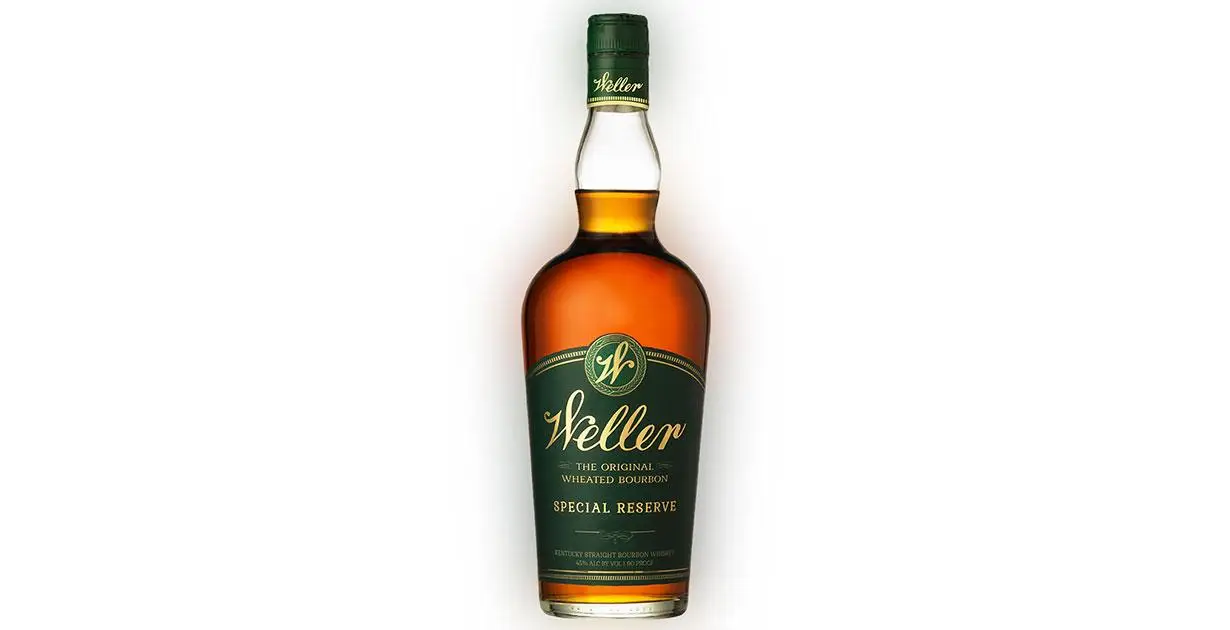
Weller Special Reserve sits at the front of the lineup and often serves as the first introduction to wheated bourbon. The profile is soft and calm, with an easy sweetness that reflects its mashbill. It is bottled at 90 proof, so it feels approachable from the first sip. The aroma is gentle caramel and light vanilla. The palate follows with honey, soft grain, and a touch of fruit.
Every Kirkland Bourbon Ranked, From Worst to Best
READ THE STORYThe official retail price is low, but it is very difficult to find it at that price. Special Reserve appears in small allocations, so shelves empty fast. Some stores keep it behind the counter. Others hold raffles. Even with the chase, this is still the most accessible Weller for casual drinkers.
It works well as a daily sipper and it also performs nicely in simple bourbon cocktails.
Weller Antique 107
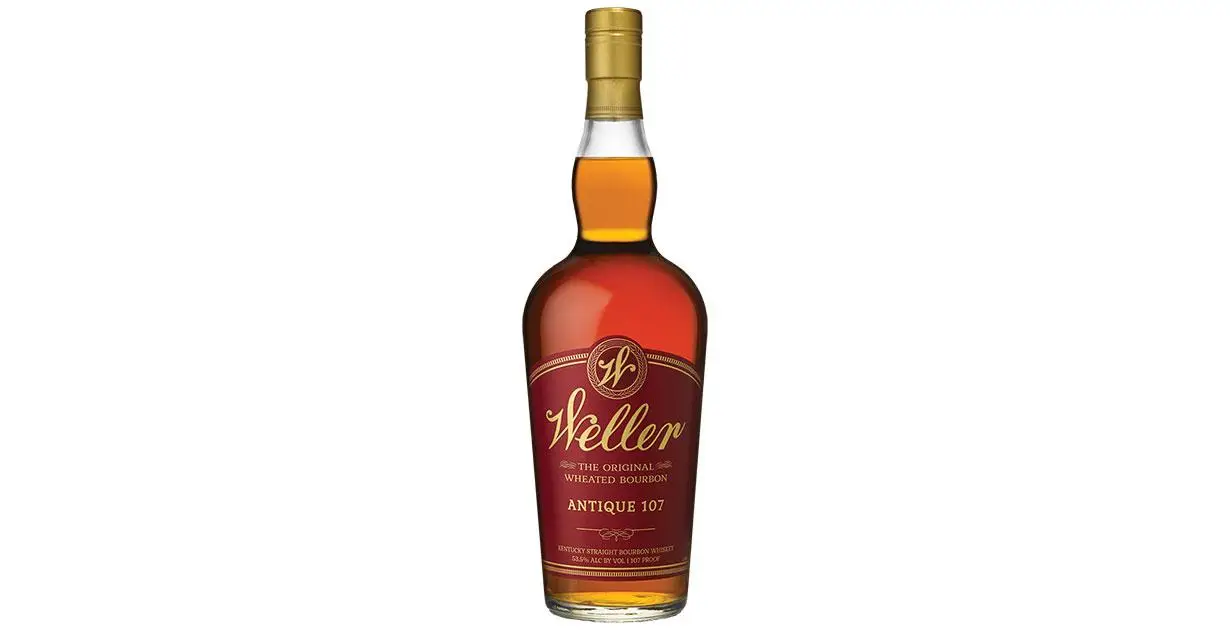
Weller Antique 107 is the point in the lineup where the profile becomes more intense. It still uses the same wheated mashbill, but the higher 107 proof brings extra weight and warmth. The aroma often mixes vanilla with red fruit. There is also a light floral note that appears in some batches. The palate shows a stronger character than Special Reserve. Expect a mix of sweet cherry, cinnamon, and caramel. The finish carries gentle heat and spice that lingers longer than the lower proof expressions.
Antique 107 has a loyal following because it delivers strong flavor without becoming harsh. The retail price remains modest, but real availability is limited. Most states receive small shipments that sell out within hours. Secondary prices run much higher, which reflects the demand from collectors and everyday drinkers.
Antique 107 works well as a neat pour. A splash of water can open the fruit notes, but the whiskey stays balanced at full strength.
Weller 12 Year
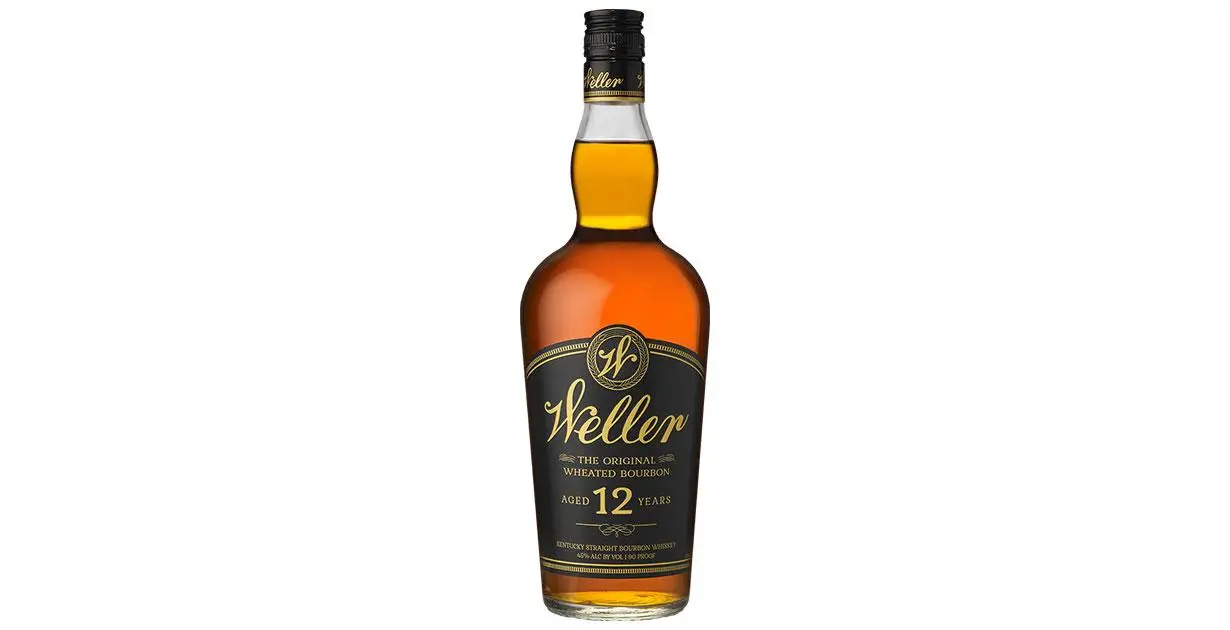
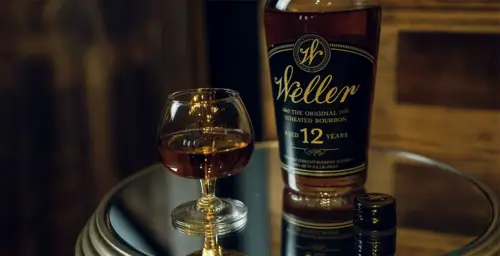
Weller 12 Year has become one of the most talked-about bottles in the range. The twelve years in oak give it more depth than the younger expressions. It shares the same 90 proof as Special Reserve, but it feels richer and more structured from the first sip. The aroma leans toward dry oak, caramel, and a light nutty note. The palate brings soft vanilla, toasted oak, and gentle spice. The finish is long and steady. It has a calm sweetness at the start and a dry, woody character at the end.
The official retail price remains low, but the bottle almost never appears at that number. Many stores receive only a few cases a year. Some markets rely on lotteries because demand is so strong. The secondary market amplifies the hype and keeps the bottle in constant circulation at a high premium.
Weller 12 Year is best enjoyed neat. It is a patient whiskey that rewards slow sipping and quiet moments.
Weller Full Proof
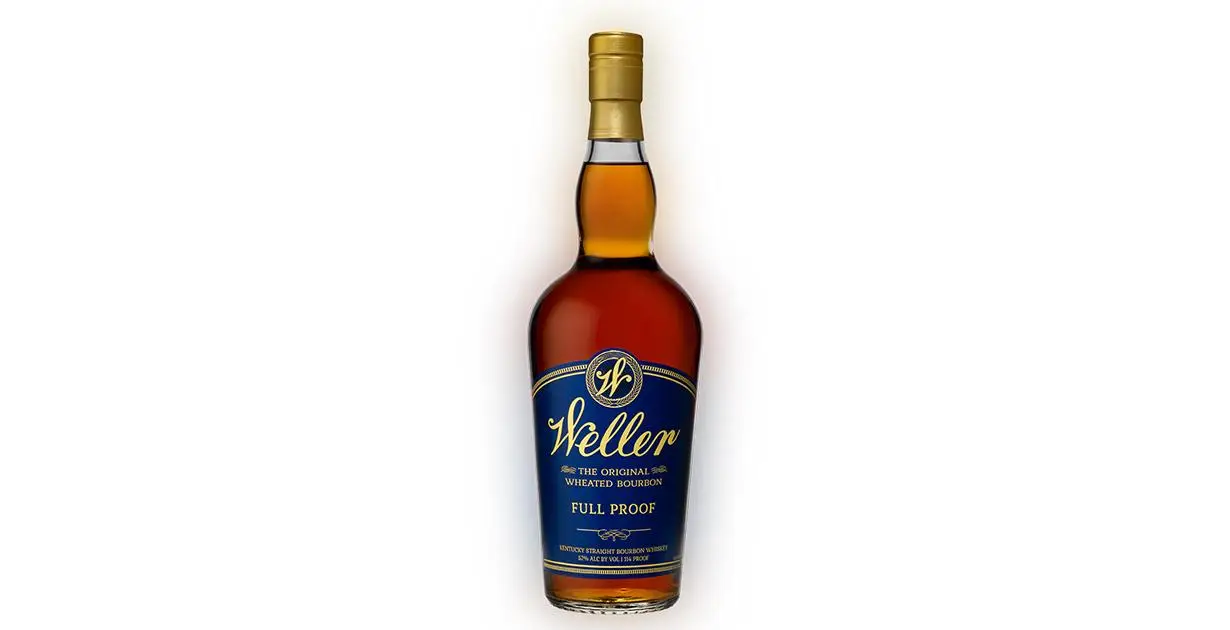
Weller Full Proof shows how the wheated mashbill behaves at a stronger strength. It is bottled at 114 proof, which matches the entry proof used when the whiskey goes into the barrel.
The aroma often opens with caramel, vanilla, and dark cherry. The palate is thick and sweet at the start. It then moves into toasted oak, warm spice, and a hint of chocolate. The finish is long and steady with a warm glow that never feels sharp.
Full Proof is one of the most difficult bottles to buy at retail price. The official number is low, but almost no store sells it at that level. Allocation is tight and demand is high. Most bottles end up with collectors or seasoned bourbon drinkers who track delivery schedules.
Full Proof is best enjoyed neat. A few drops of water can open the sweeter notes. It is a strong, confident whiskey that rewards attention.
Weller C. Y. P. B.
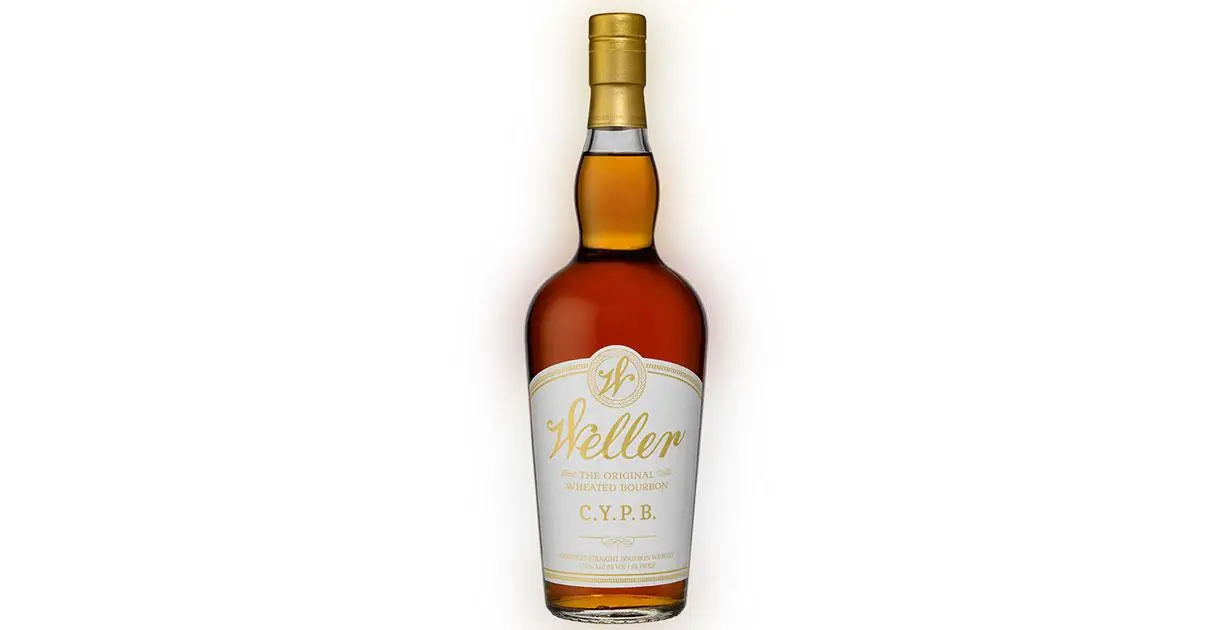
Weller C. Y. P. B. began as a crowd experiment. Buffalo Trace asked drinkers to build their ideal bourbon through an online survey. Most people chose a wheated mashbill, an age around eight years, and a bottling strength close to 95 proof. The distillery followed that blueprint and released C. Y. P. B. as a limited annual bottling.
The whiskey reflects what many drinkers look for in a balanced pour. The aroma is light and bright with soft citrus, sweet oak, and vanilla. The palate is smooth with honey, caramel, and a hint of grain. The finish is easy and clean with a gentle sweetness that lingers.
This bottle remains one of the hardest Wellers to find. Retail price is low, but the supply is very small. Secondary prices rise quickly because demand is high across both collectors and casual fans.
C. Y. P. B. is an ideal sharing bottle because it feels friendly and balanced from the first sip.
Weller Single Barrel
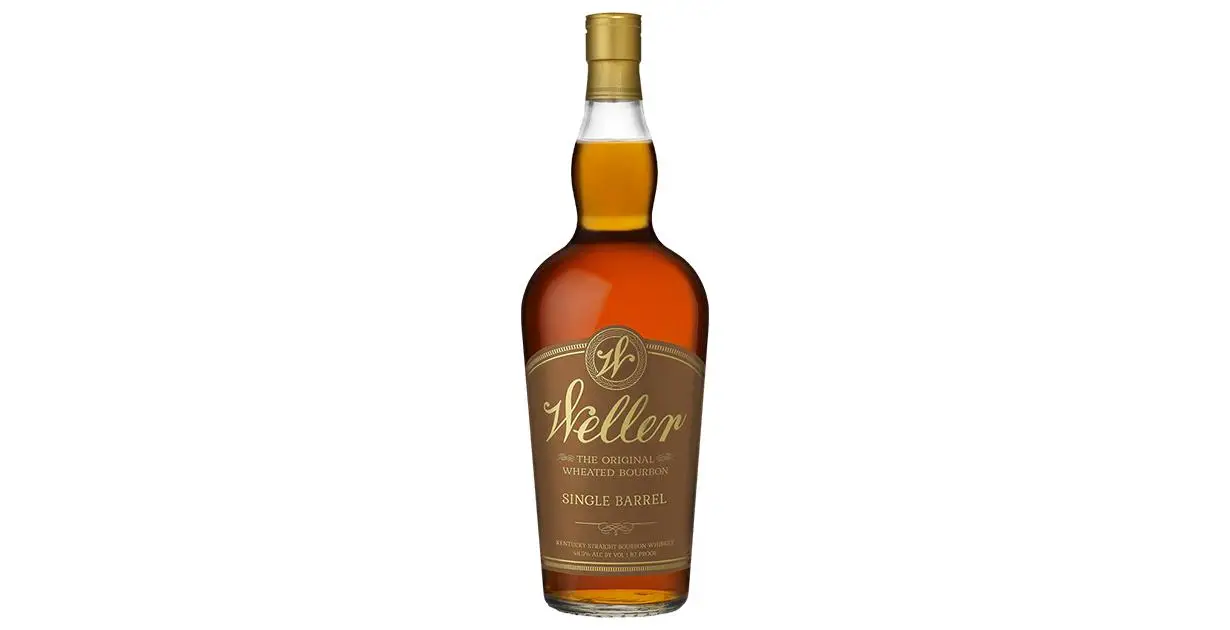
Weller Single Barrel adds a new twist to the lineup. Each bottle comes from one individual barrel rather than a blend of many. That choice introduces small variations in aroma and flavor, which makes this expression interesting for seasoned drinkers. It is bottled at 97 proof, which sits between the softer and stronger Wellers.
The aroma often shows cherry, vanilla, and light oak. Some barrels lean fruitier while others lean spicier. The palate is full and rounded with caramel, baking spice, and a hint of cocoa. The finish carries gentle spice with a soft oak note that stays for a while.
Single Barrel is one of the rarest bottles in the family. Buffalo Trace releases it in small quantities, and most stores receive only a few bottles a year. Retail price is modest, but the secondary market pushes it much higher. Many bottles end up in collections because of the label’s scarcity.
When opened, it works best as a slow, thoughtful sip that highlights the small differences between barrels.
William Larue Weller
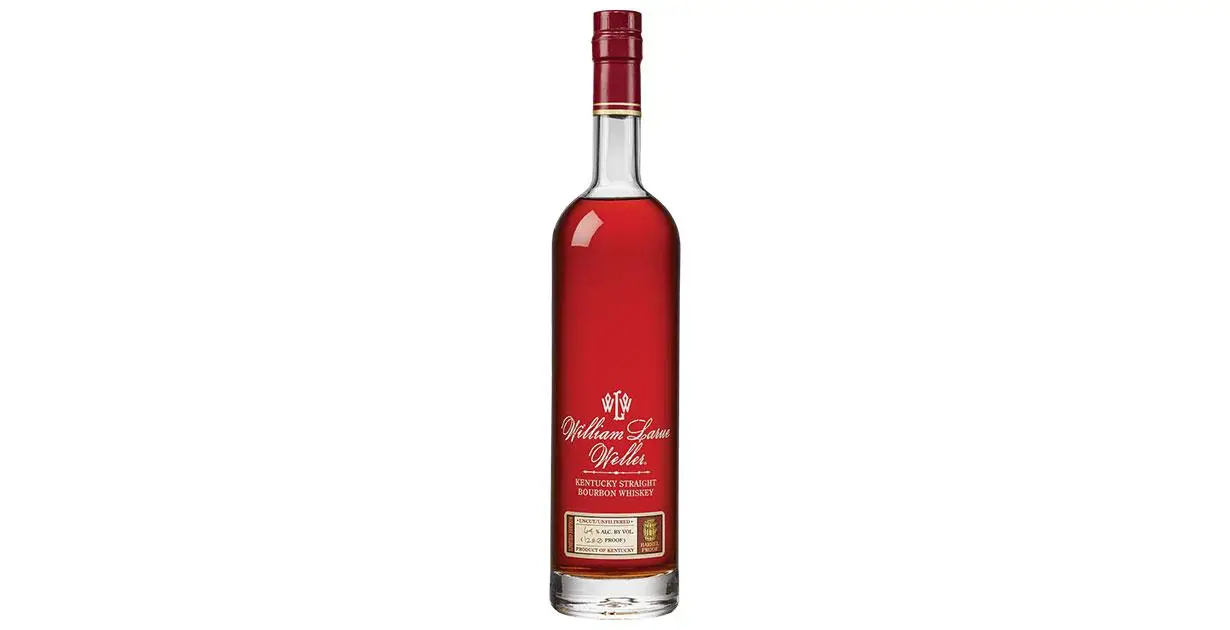
William Larue Weller sits at the top of the wheated bourbon world. It is part of the Buffalo Trace Antique Collection and appears once a year in very small quantities. This release is uncut and unfiltered. The proof varies by vintage, but it is always barrel strength. That choice creates a huge range of flavor.
The aroma usually shows dark caramel, seasoned oak, dried fruit, and warm spice. The palate is bold and dense with layers of vanilla, brown sugar, tobacco leaf, and rich oak. The finish lasts a long time. It builds slowly with spice, heat, and a deep sweetness that ties everything together.
This bottle is one of the most sought-after releases in American whiskey. The retail price is low compared to the experience, but real availability is almost nonexistent. Most bottles are sold through lotteries or state-controlled releases.
Secondary prices rise every year because collectors treat each vintage as a unique snapshot of the Weller profile at full power. This is a pour for focused drinking and careful exploration.
Daniel Weller
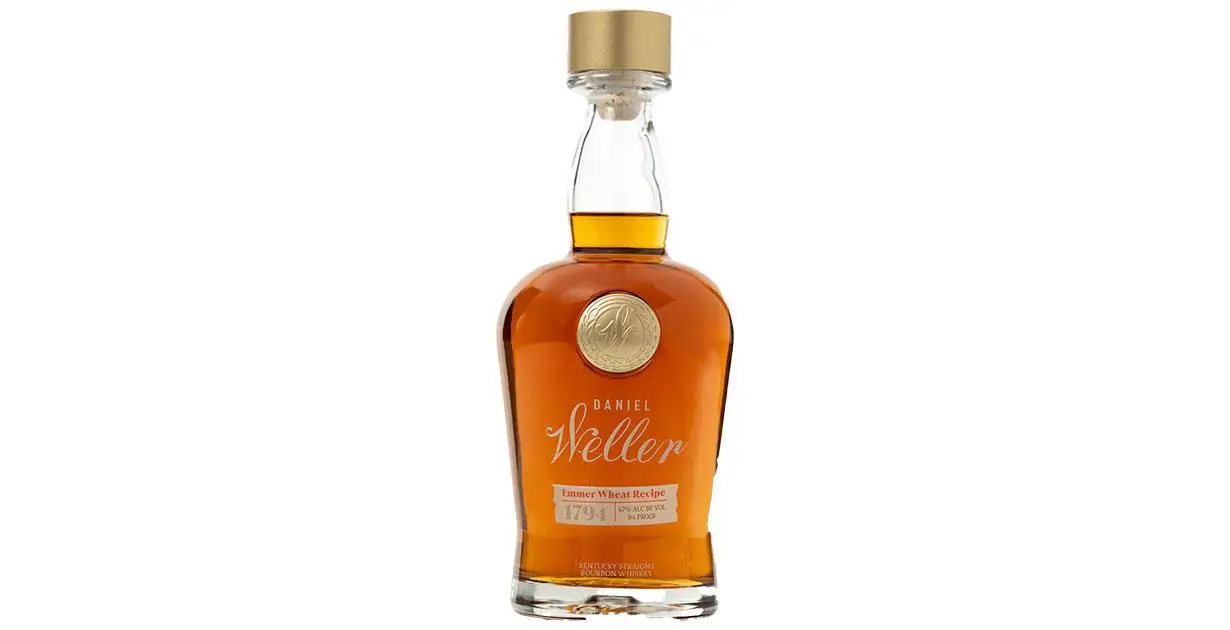
Daniel Weller is the newest part of the family. It is an experimental line that explores different wheat strains in the mashbill. The first release used Emmer wheat, an ancient grain linked to early farming. The whiskey was distilled at Buffalo Trace and aged for about twelve years. It was then bottled at 47% ABV.
The aroma is warm and earthy with sweet oak and soft grain. The palate shows honey, caramel, and a light herbal note that comes from the Emmer wheat. The finish is calm with gentle sweetness and a hint of spice.
Daniel Weller is released in very limited numbers and carries a premium retail price. It appeals to drinkers who want to explore grain-driven flavor or learn how wheat varieties shape bourbon character. It also attracts collectors because each release highlights a different wheat strain.
The series expands the Weller story by linking modern whiskey with historic agricultural traditions.
Weller Millennium
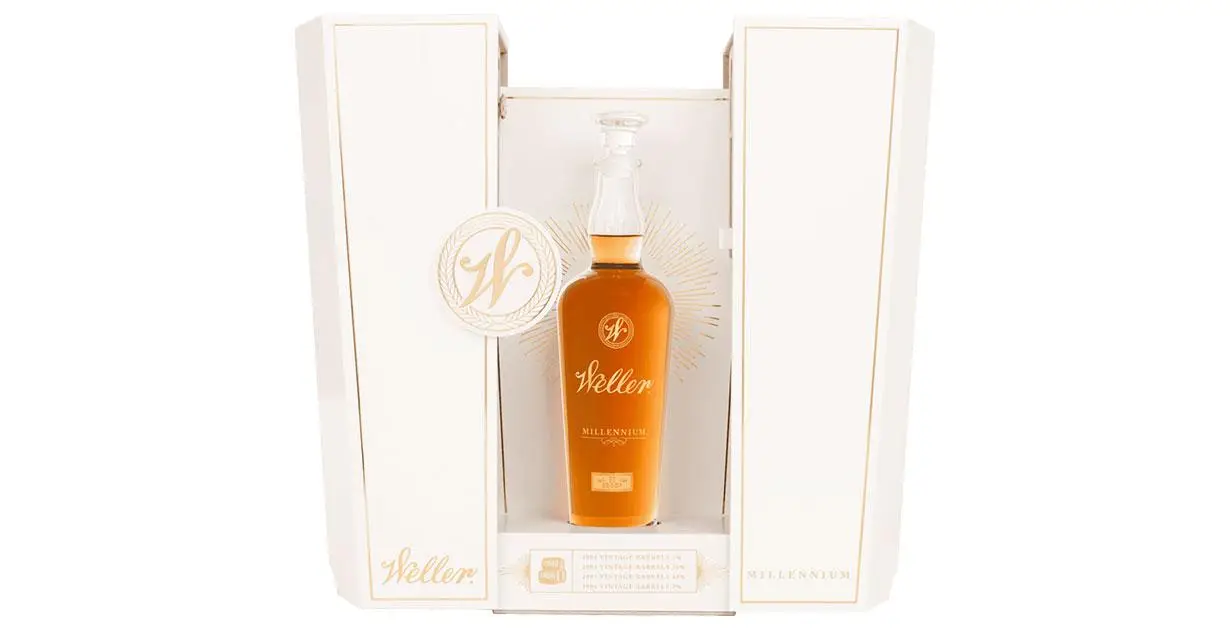
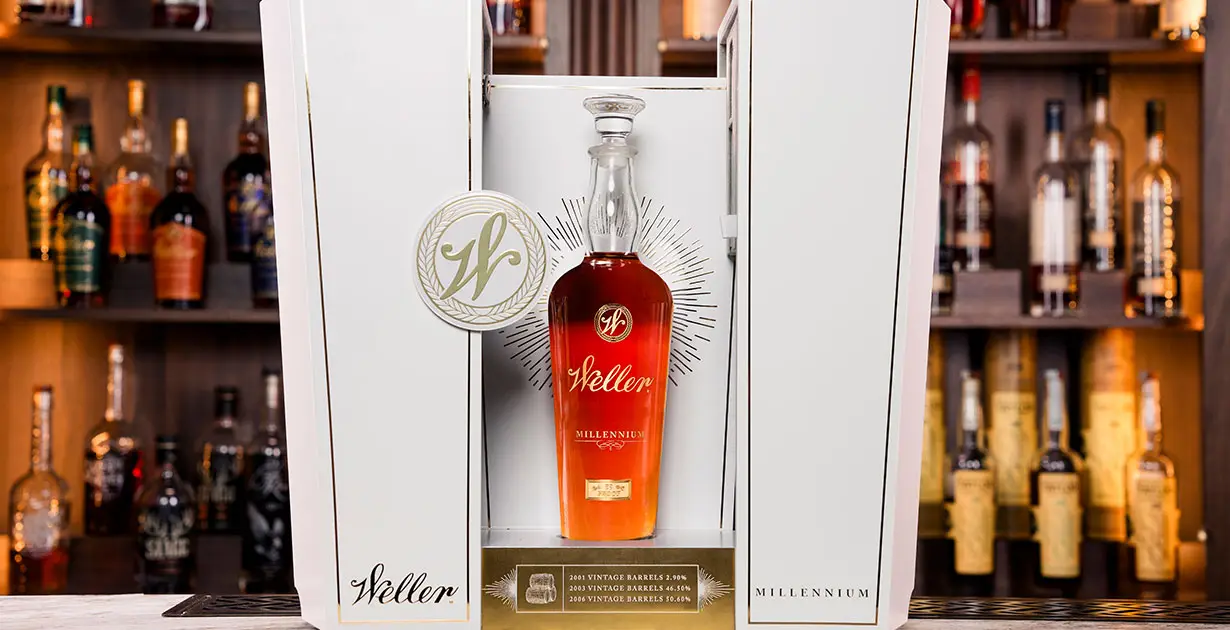
Weller Millennium is the rarest and most luxurious release in the entire lineup. It was created as a project built from vintage straight wheated bourbons and straight wheat whiskeys distilled in 2000, 2003, 2005, and 2006. The whiskey was bottled at 99 proof and presented in a crystal decanter. The design includes a display that lights up in a pattern linked to the proof.
The aroma shows deep caramel, dried fruit, seasoned oak, and molasses. The palate offers sweet vanilla, rich oak, soft spice, and a mix of orange peel and chocolate. The finish is long and steady. It carries warmth, dry oak, and lingering sweetness. The profile feels polished from start to finish.
Weller Millennium had a very high retail price and a very small release. Many bottles now sit in private collections. Availability on the open market is almost zero. This bottle is a trophy for collectors and an ultra-premium experience for anyone who opens it.
The whiskey rewards slow sipping and attention to detail because it shows how older wheated components can work together in a single blend.
Final Thoughts
The Weller lineup shows how a single mashbill can produce many different experiences. Some bottles are gentle. Others are strong. A few are almost impossible to find. Each one highlights a different part of the wheated bourbon profile. The range also shows how history, scarcity, and reputation shape the way people talk about American whiskey today.
If you want to explore Weller, start with what you can find at retail. Enjoy each bottle for what it offers rather than what it costs on the secondary market. Weller works best when it is shared, tasted, and appreciated for its character rather than its hype.