






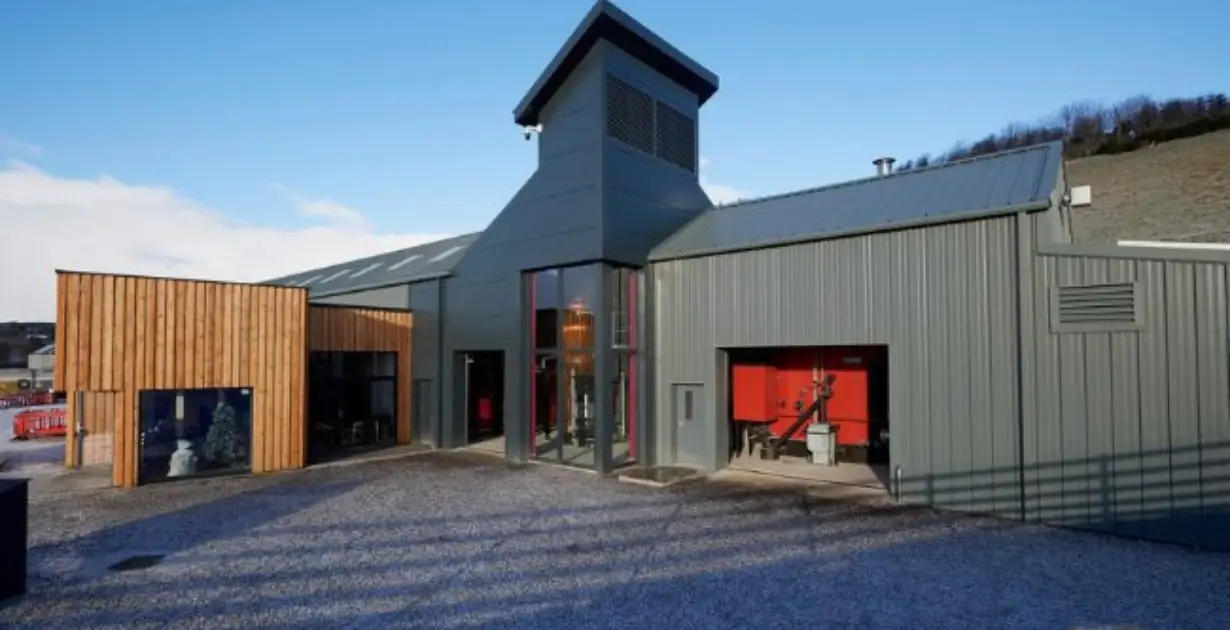
In February, a social investor put £500,000 into GlenWyvis so the Dingwall distillery could keep filling casks until its first 10-year-old single malt was ready to sell. Eight months later the stills have stopped, the last three employees have been made redundant and administrators are working out what the maturing whisky is worth.
GlenWyvis, which opened as the world’s first wholly community-owned distillery, entered administration on October 5, with Alistair McAlinden and Geoff Jacobs of Interpath appointed joint administrators. The distillery did not run short of whisky, since at the end of 2023 it held about 124,000 liters of pure alcohol in roughly 870 casks. It ran short of cash, because the stock that should one day be its most valuable asset was also what consumed its money in the years it could least afford to wait. GlenWyvis’s own business plan set out that trap in plain terms more than two years before the administrators arrived.
The warning appears in figures the distillery published while it was still reporting a profit.
A Profitable Distillery That Was Still “Cash Hungry”
In March 2024, GlenWyvis published a business plan to support a third community share offer. It reported turnover of £626,640 in 2021, a year lifted by its inaugural whisky release, falling to £587,948 in 2022 and about £528,000 in 2023. Operating profit roughly halved between 2021 and 2022, from £153,958 to £79,106, and the plan admitted that sales in the first nine months of 2023 were significantly behind expectations.
 Trending Content




The same document carried the maturing stockpile at £1,162,561, valued at the lower of cost or market value. Beside it sat the borrowing that kept the business running: an asset-backed hire purchase facility increased to £700,000, £411,000 raised through 4% members’ bonds, and a revolving credit facility with Clydesdale Bank providing £325,000 of working capital.
“The distillery’s business remains cash hungry,” the plan stated, explaining that while GlenWyvis was in its “Whisky Stockpiling phase,” more money was “being poured into casks than is generated in sales revenue.” Each new cask added to the value on the balance sheet while the costs of grain, energy, staff, warehousing and finance had to be paid from the bank account straight away.
Every Kirkland Bourbon Ranked, From Worst to Best
READ THE STORYThe plan also recorded that in March 2019, facing the risk of insolvency, the directors “acknowledged that they had no recovery plan.” A fire in the woodchip store that October halted distillation for five months and cost about 17,000 liters of pure alcohol, and production restarted in March 2020 only days before lockdown. Disputes with the distillery’s founder and landlord added legal fees of about £116,000 across 2022 and 2023.
Capacity Built for 140,000 Liters, Running at 30%
The plant was designed for a nominal 140,000 liters of pure alcohol a year on a seven-day pattern. An agreement with the landlord restricted operations to five days a week and 46 weeks a year, which the plan said equated to about 43,000 liters annually, or roughly 30% of installed capacity.
That restriction meant fixed costs were spread across less than a third of the spirit the equipment could make. The plan proposed moving from five to nine mashes a week from 2025, but the Malt Whisky Yearbook 2026 records a 2025 production plan of five mashes a week and 42,000 liters of pure alcohol, which suggests the increase had not yet arrived.
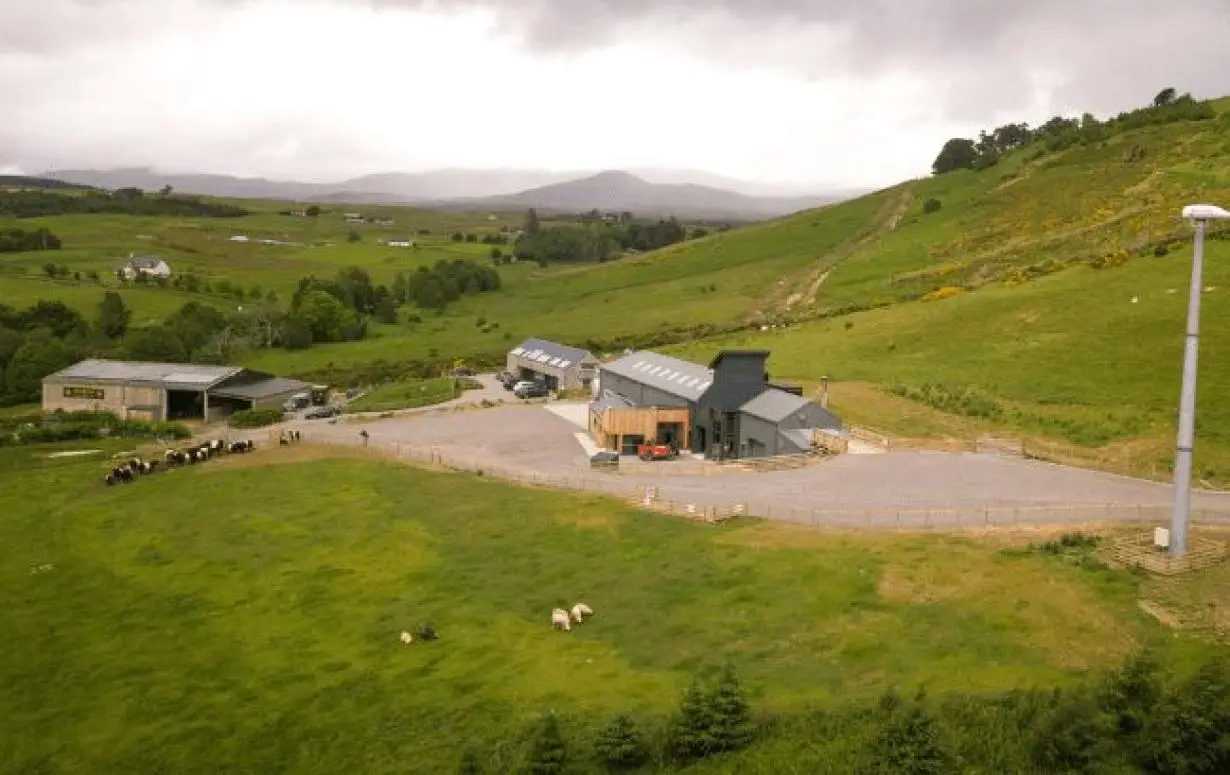
Funding the Wait for a 10-Year-Old Whisky
GlenWyvis made patience its commercial strategy, with the management committee deciding to retain about 65% of its early-vintage whisky so that 10-year-old spirit would be available for bottling from 2029, and the plan conceded this had to be weighed against “the need to generate cash.”
By 2024 the distillery had raised £6.3 million in total, comprising £3.7 million in share capital from two crowdfunding rounds and £2.6 million in grants, donations and loans. The plan said a baseline scenario at five mashes a week would still require £1.25 million of new money by 2032. Its preferred expansion route sought £2.75 million by early 2027, including £2 million in new community shares.
The third share offer opened in April 2024, and its Crowdfunder campaign closed that November having raised £141,360 from 175 backers, although we have not found a published final total for the wider offer.
The £500,000 from Firstport’s Catalyst Fund, announced on February 2 this year, was revenue-based finance intended as working capital. The announcement said it would let GlenWyvis maintain production and build stock until its first 10-year-old batch matured, while expanding into new markets and strengthening sales. Chair Jock Ramsay said the investment allowed the distillery “to focus on continuing to produce excellent spirit whilst driving the distillery forward.”
By September 23, when GlenWyvis filed a notice of intention to appoint administrators, that runway had gone. The Society said an external fundraising process run by Interpath “generated interest” but “did not secure the funding needed for the Society to continue trading as a going concern,” and it cited commercial, operational and legal issues.
What Administration Means for Members and Cask Owners
The Society has around 4,000 members, each holding a single vote regardless of how many shares they own, and industry reporting notes that about 10% of them live abroad. Community shares are withdrawable capital rather than tradable equity, and share capital normally sits behind creditors when the assets of an insolvent business are distributed.
Private casks are a separate matter from the Society’s own stock. McAlinden said a significant number of members and customers own casks held through the Society and that “the position of those casks will be an immediate concern,” promising further information on the arrangements.
The Working Capital Strain Facing Small Scotch Distilleries
McAlinden said many independent producers across Scotland are “battling hard to keep their head above water in the face of rising costs, as well as oversupply and working capital strain from long maturation cycles.”
Gavin D Smith’s essay “Faith in the Future” in the Malt Whisky Yearbook 2026 describes the same backdrop of falling sales values, weak consumer confidence and rising construction and operating costs. Bari Reid of Organic Architects told Smith that new distilleries are “probably five years out from selling anything,” and called funding “the biggest step.” Jonny McMillan of Kythe distillery went further, warning that “not all the whisky distilleries operational today will still be in business in 10 years’ time.”
GlenWyvis spread its risk across thousands of local owners and published its finances openly, yet neither choice shortened the time spirit needs in oak. The administrators and secured lenders now decide what happens to stock that was meant to be bottled as 10-year-old single malt, and they are selling into a market where buyers of maturing Scotch are already well supplied. The statement of affairs, once filed, should show how much member capital survives and what the casks fetch.
Other young distilleries face the same arithmetic with far less of their finances on public view, and GlenWyvis has shown them that whisky rewards patience only for producers who can keep paying for it until the casks are ready.