Skip to content




Scotch whisky is experiencing a period of change, with access to stocks and variety opening up. Over the past two decades, a new generation of independently owned distilleries has emerged across Scotland in addition to a new generation of independent bottlers. As more of the distilleries’ whisky reaches a suitable age, independent bottlers are beginning to offer enthusiasts an opportunity to explore these distilleries through single-cask releases, which helps to expand the category while allowing distillers to see how the spirit reacts in either smaller batches or varying casks.
For us as independent bottlers, the appeal is clear: releasing whisky that few people have tried with limited expectation and showing off the quality of that spirit.
With younger distilleries, we have often favoured ex-bourbon barrels. Their smaller capacity compared with traditional hogsheads can provide a greater degree of oak interaction relative to the volume of spirit, helping develop the whisky while not overpowering the qualities of the original distillate. The trade-off is a smaller final outturn.
Please accept my apologies if I have failed to mention each and every independent bottler that has bottled from one of the below distilleries.
Torabhaig – Isle of Skye (2017)
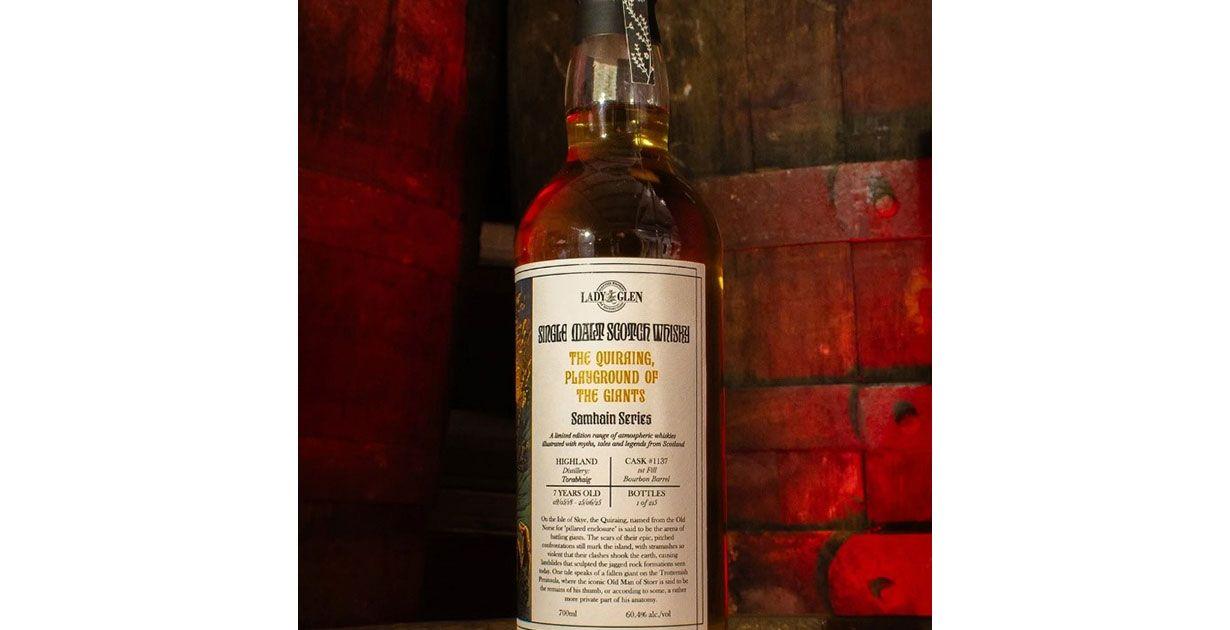
Torabhaig is situated on the Isle of Skye and has developed a reputation for a distinctly maritime, gently smoky style. Owned by Mossburn Distillers, the distillery is an interesting addition to an island already synonymous with distinctive whisky, with the likes of Talisker and brands like Isle of Skye.
We bottled a seven-year-old Torabhaig from a single bourbon barrel in 2024/2025 as part of the Samhain Series. It offered an opportunity to explore the distillery’s developing character through a relatively young, single-cask expression. Personally, I thought at 7 years old it was too young on paper, but when we tasted it in our warehouse, it was definitely ready, which is a testament to the distillery and their wood management.
Other independent bottlers that did single cask bottlings include Thompson Bros and the Scotch Malt Whisky Society.
Lindores Abbey – Newburgh, Fife (2017)
Located in Newburgh, Fife, Lindores Abbey occupies a site with deep historical connections to Scotch whisky. Its modern distillery began production in 2017, with an emphasis on creating a fruity forward spirit.
The late Dr Jim Swan, renowned for his involvement in the development of several modern whisky distilleries, played an important role in Lindores Abbey’s creation, with a fundamental approach being to get whisky into the market sooner rather than later. The distillery describes its new make as having an orchard-fruit character, supported by a long 96-hour wooden fermentation and an oily texture.
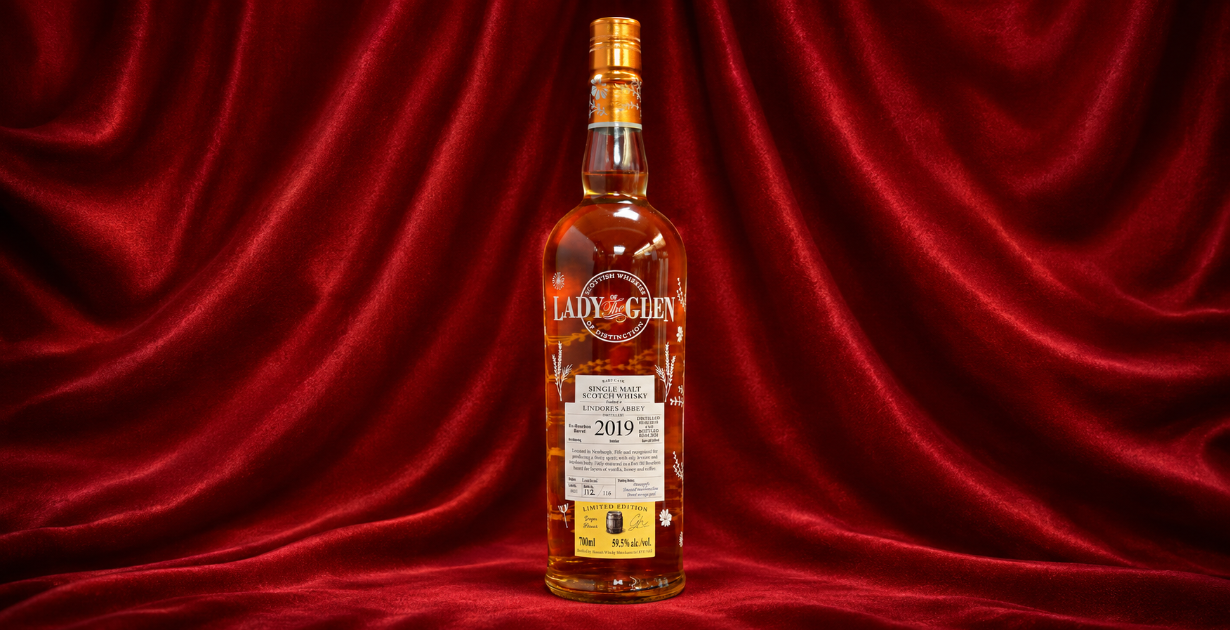
Lady of the Glen released a single bourbon-barrel bottling of Lindores Abbey in Q2 2026. Unfortunately, a leaking cask resulted in a particularly small outturn, making it an unusual addition to our collection.

Raasay – Isle of Raasay (2017)
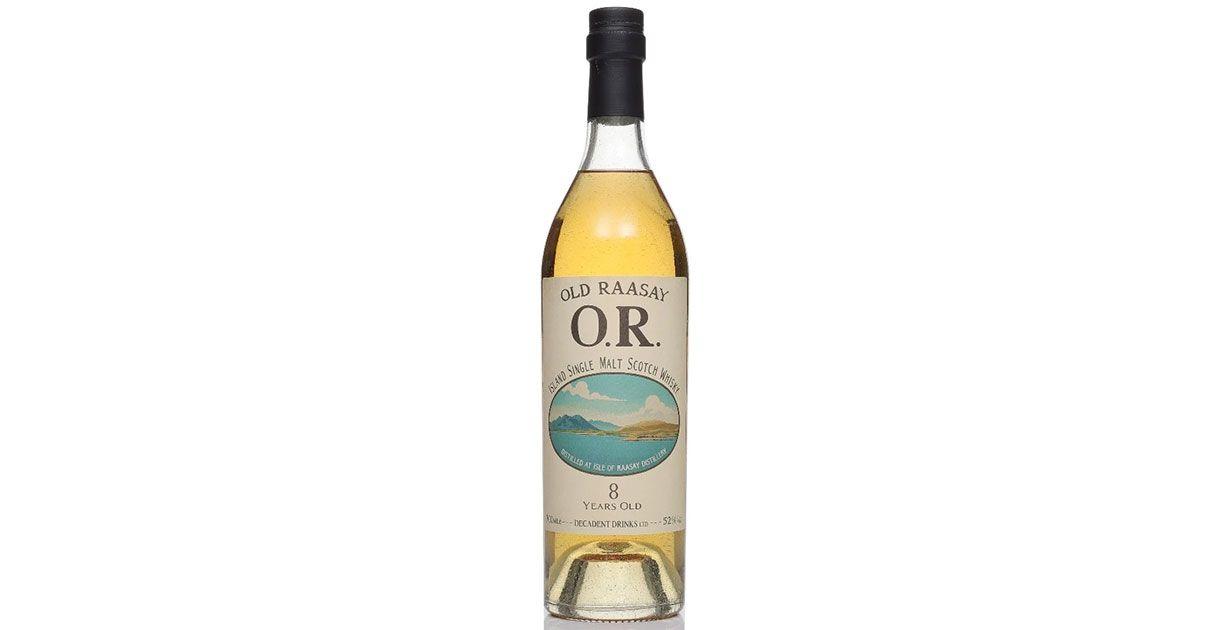
The Isle of Raasay Distillery is a fascinating addition to Scotland’s island whisky scene. Its coastal setting is reflected in its gorgeous bottle moulds and branding.
One particularly interesting aspect of Raasay’s approach to maturation is its use of Chinkapin oak, a North American oak variety that can contribute layers of sweetness alongside darker, savoury characteristics.
Founder Alasdair Day discussed the distillery’s approach to cask selection in an interesting interview with BBC Radio 4. Its willingness to experiment with different oak varieties makes Raasay an exciting distillery to watch as more of its whisky becomes available to independent bottlers.
Decadent Drinks and Cadenhead’s have explored the distillery’s spirit through independent bottlings.
InchDairnie – Fife (2015)
Established on the outskirts of Glenrothes by Ian Palmer, InchDairnie is one of Scotland’s most technically innovative distilleries, and it’s located near us in Fife! The Kingdom of Fife could one day be a whisky region with its plethora of distilleries and independent bottlers, so watch this space…
We have been purchasing new make spirit from InchDairnie for some time. The makes are called Strathenry, which is the unpeated make, and Finglassie, the peated make, although that is now called Pitlochie.
Finglassie is particularly helpful to us as a peated expression. In our experience, peated whiskies can sometimes reach an appealing point of maturity earlier than non-peated, and Finglassie offers character of smoke, fruit and floral notes.
Rest & Be Thankful, Cooper’s Choice, Keeble Cask Company/Fragrant Drops and James Eadie are among a list of independent bottlers to have worked with InchDairnie spirit. For our releases, we split a cask with the Fife Whisky Festival, reracking the leftovers into a Madeira cask and releasing that a year later.
Arbikie – Angus (2014)
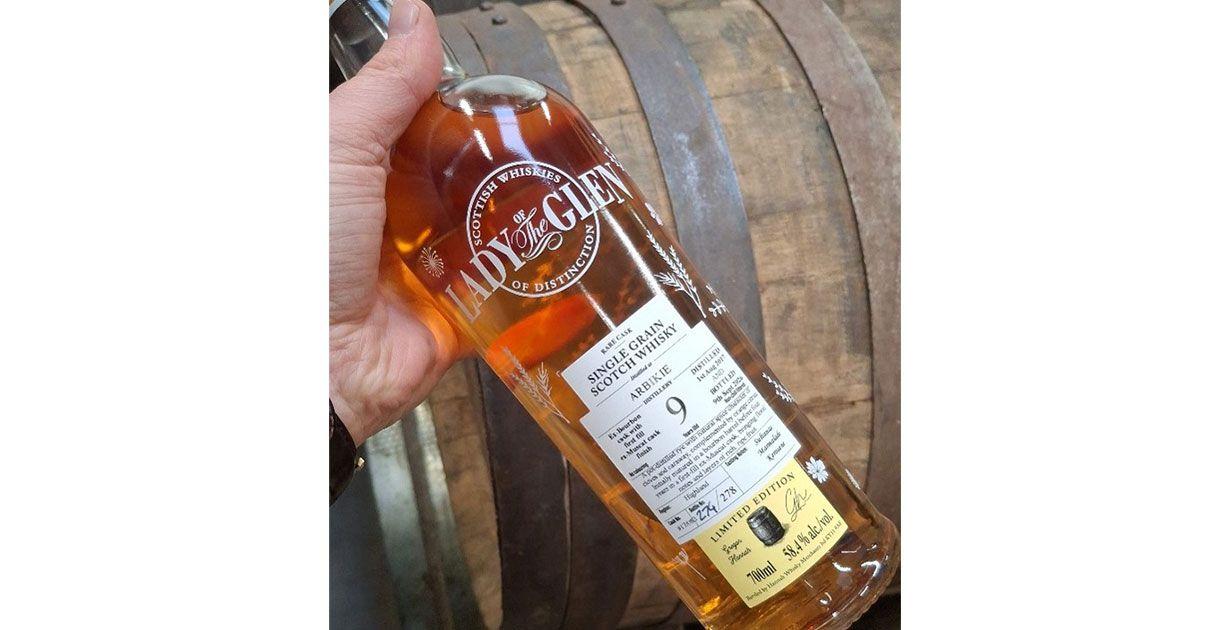
Arbikie is renowned for its family ownership and close connection to agriculture. Located on the east coast of Scotland, the distillery uses crops grown on its own farm to produce a range of spirits, including gin, vodka and whisky.
We recently bottled a single-cask Arbikie rye whisky, made from a mash bill of 56% rye, 18% wheat and 26% malted barley.
This rye, upon distillation, was noted as full-bodied and weighty, with a combination of spice and fruit. Caraway and cloves sit alongside citrus notes of orange and orchard fruits such as apricot. The long fermentation contributes to the complexity of the distillate. After maturation in first-fill bourbon and then a substantially generous finish in Muscat, we tasted sultanas, marmalade, and kerosene. It was fantastic, in my opinion, although it has divided rooms when it has been presented at tastings