

Not every expensive whisky is overpriced, but some bottles make it increasingly difficult to justify what you’re paying for.
Overpriced simply means that the liquid is no longer worth the price tag. This can be down to brands becoming less competitive, relying too heavily on their reputation or marketing, or releasing limited editions that don’t follow conventional pricing.
Below are seven whiskies I think have become difficult to justify at their current prices, alongside cheaper alternatives that offer just as much, if not more, for your money. Some you’ll have tried before, others perhaps not. But each one raises the same question: are you paying for the whisky or the name on the bottle?
Bruichladdich Octomore Range, $200+ vs Laphroaig 10 Year Old Cask Strength, $99.99
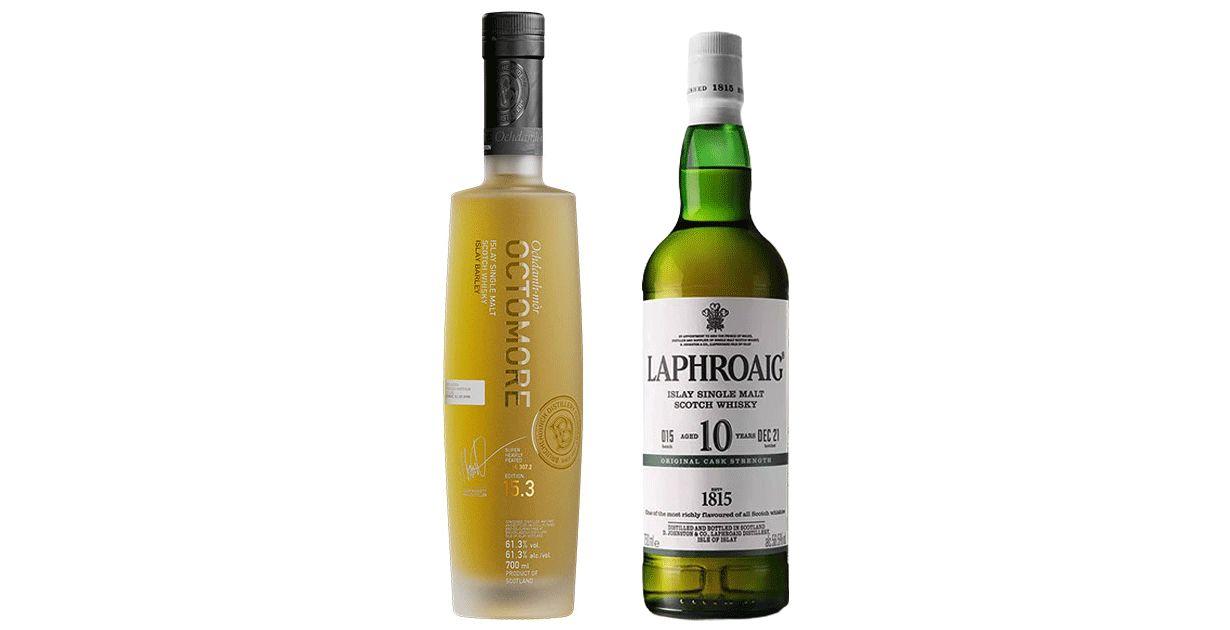
I’ve had some incredible experiences with Octomore throughout my whisky journey, but $200 a bottle for whisky aged less than 10 years is a little ridiculous to me. Especially when you’re not actually told the final PPM level of the whisky, just the phenol content of the barley before distillation.
Laphroaig 10 Year Old Cask Strength, on the other hand, costs less than half the price of a bottle of Octomore. There’s no unusual cask finishing, just a complex, deep, and multilayered whisky that delivers with every release.
Each batch is a little different, but if you’re a peathead looking for waves of smoke with that distinctive sweetness of classic Laphroaig spirit lurking underneath, you won’t be disappointed.
The standard Laphroaig 10 Year Old pales in comparison to its cask-strength counterpart. It’s a phenomenal whisky that has consistently delivered without the need for elaborate packaging or headline-grabbing PPM numbers.
Macallan Harmony Series, $190+ vs GlenAllachie 12 Year Old, $68
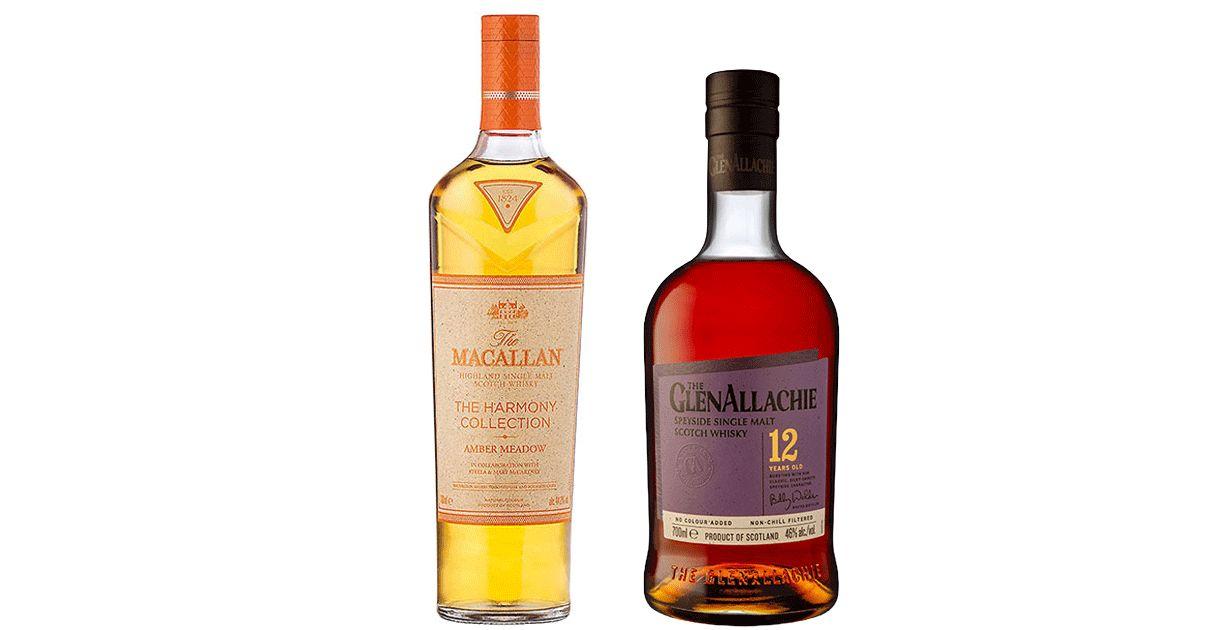
I’ve tried plenty of releases from the Macallan Harmony Series, and they’ve always been nice. Just nice. The sustainability-focused packaging and partnerships are interesting, but the whisky has always felt like it’s priced at double what it should be.
I haven’t spoken about GlenAllachie 12 Year Old for a while, but at around $70 a bottle, possibly cheaper depending on where you shop, it’s still an extremely well-balanced, heavily sherried powerhouse that delivers far more than its price tag suggests.
Most of us view 12-year-old whiskies as entry-level expressions, but GlenAllachie 12 is one of the best-priced, most flavorful single malts on the market. It offers an incredible amount of character without the need for a luxury partnership to justify the price.


Macallan 18 Year Old, $350 vs Glendronach 18 Year Old, $280
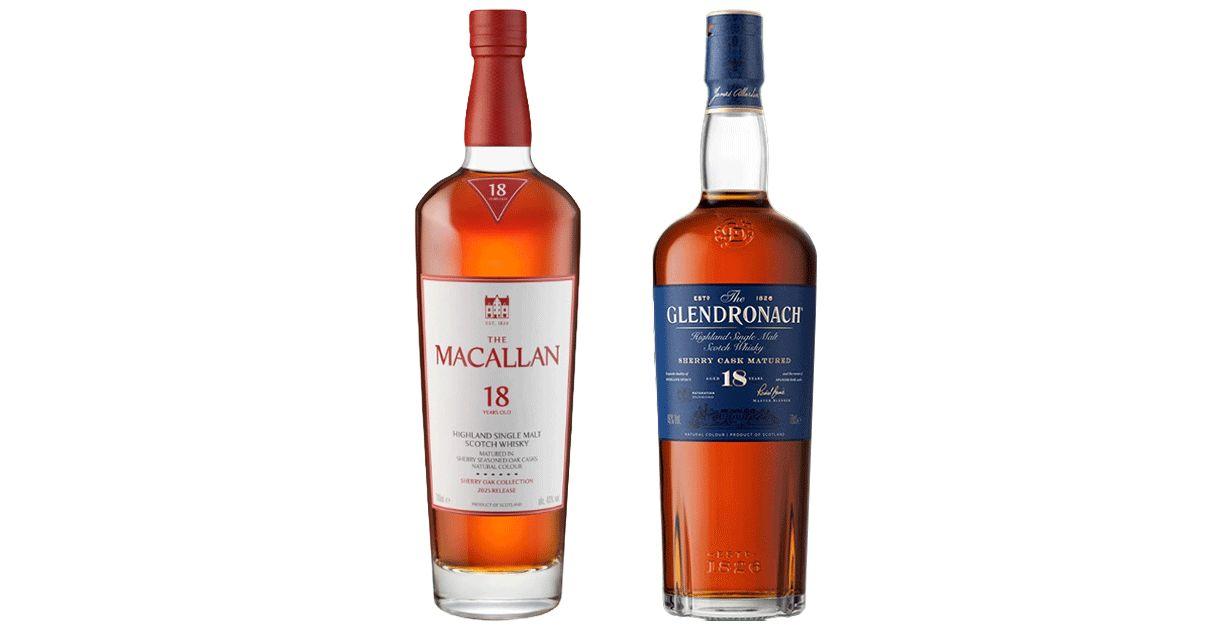
I always feel conflicted about Macallan 18. It was one of the whiskies that got me into single malt and helped me understand why sherry casks are so widely loved. However, if you’re contemplating spending $400 on a bottle of merely okay single malt, you might want to reconsider.
Glendronach 18 used to be much cheaper and, in my opinion, always wiped the floor with the equivalent Macallan bottling. Even though its price has increased, it’s still a much more competitive option.
Bottled at 46% ABV compared to Macallan’s 43%, with no oversized bottle or unnecessary extravagance, it’s simply a whisky that tastes fantastic. Arguably, it’s one of the most loved sherry cask whiskies released over the last two decades.
That’s the last Macallan on this list, I promise. But if you’re a lover of the liquid, you’re caught between a rock and a hard place. If you’re buying it purely for the brand name, you’re paying a considerable premium for the privilege. Macallan is easily one of the most overpriced brands on the market.
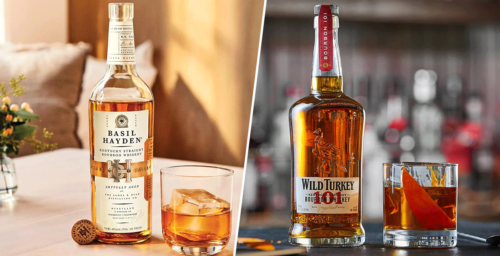
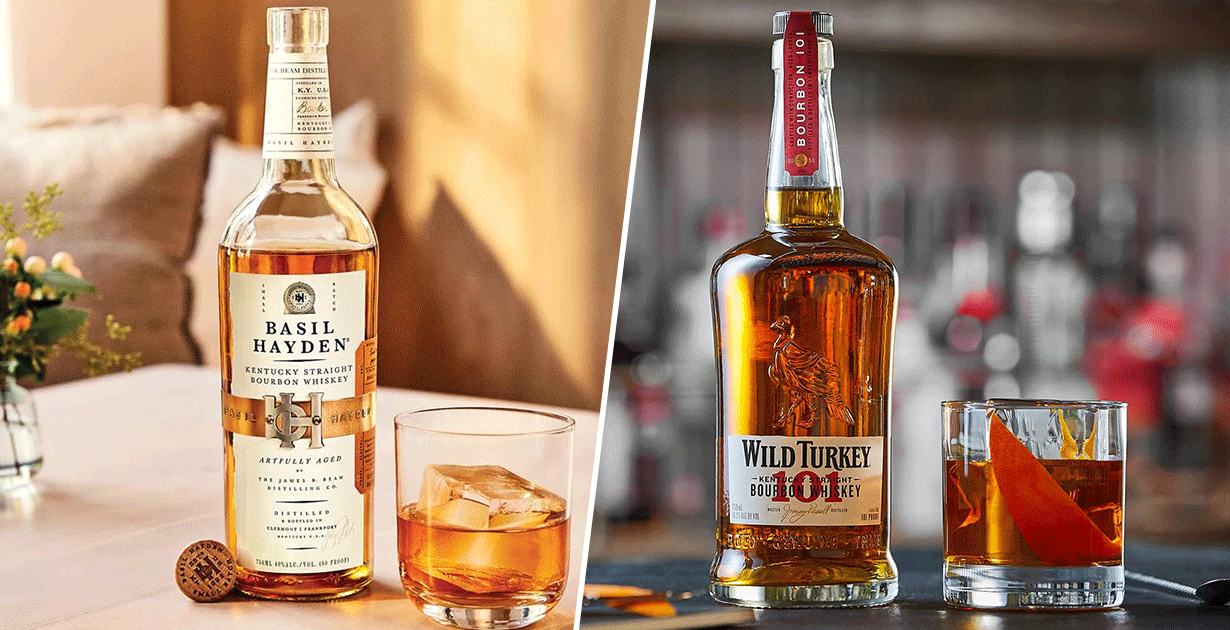
Basil Hayden Bourbon, $47 vs Wild Turkey 101, $18
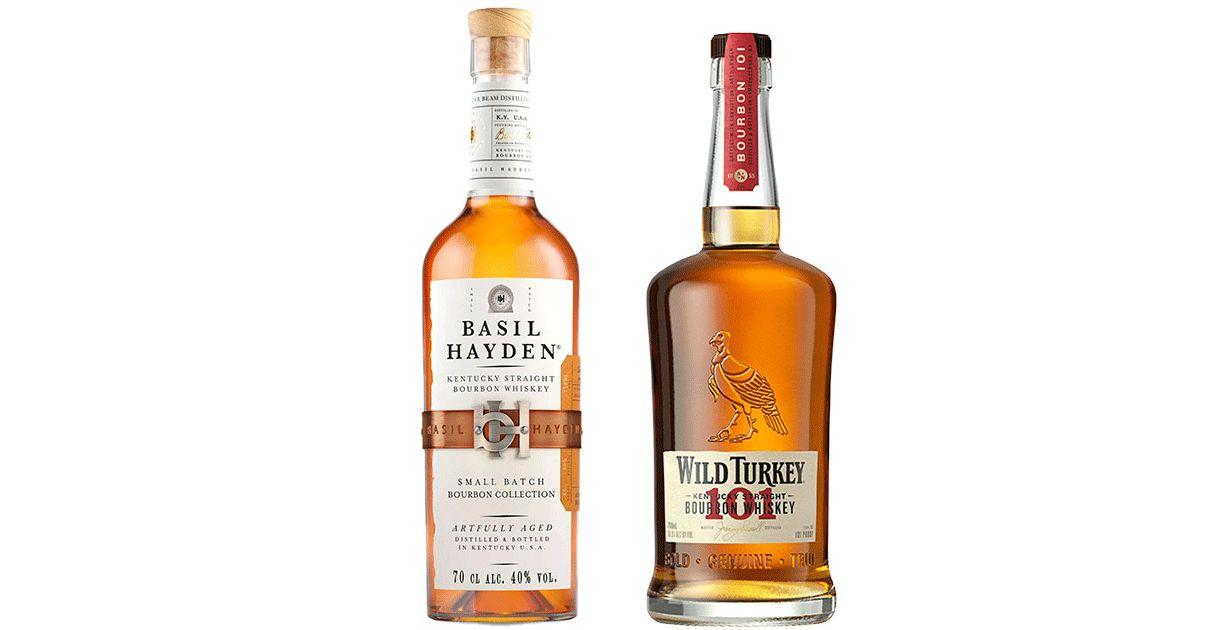
I recently revisited Basil Hayden, and I was genuinely shocked by the flavor relative to its price.
Bourbon is famously affordable and varied. Even with the craziness of the secondary market, there have always been great-value alternatives to almost everything.
Wild Turkey 101 might not be the most obvious comparison, but that’s partly the point. At around $25 compared to Basil Hayden’s $45, the difference in value is staggering.
I’m not entirely sure what justifies Basil Hayden’s pricing, especially when so many other Kentucky straight bourbons offer more flavor, character, and strength for considerably less money.
I chose Wild Turkey 101 as an alternative, but you could pick almost any other Kentucky straight bourbon in this price range and make a strong case for it offering better value. Even if you spend a little more, you’ll likely get more for your money.
It is worth noting that you can find Basil Hayden cheaper if you look hard enough. But, for me, Wild Turkey beats it regardless.
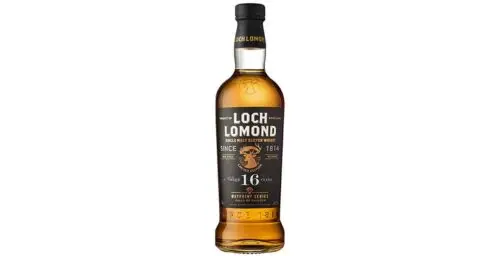
Yamazaki 18 Year Old, $730+ vs Loch Lomond 18 Year Old, $75
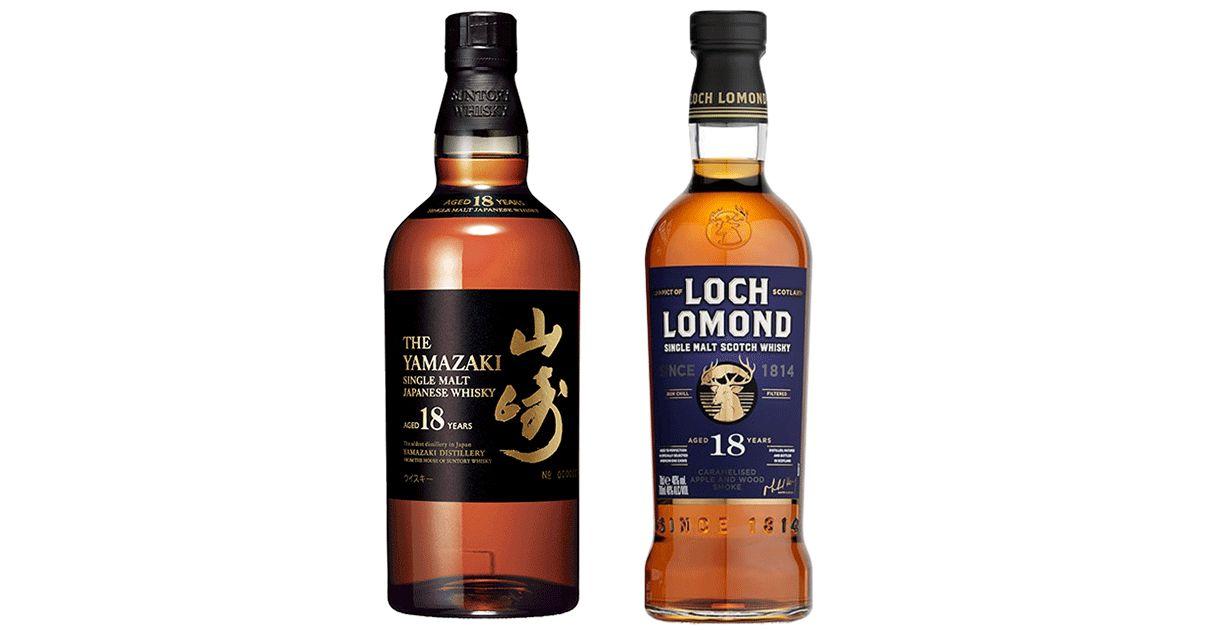
Yamazaki 18 is a victim of its own success. When I started working in whisky retail in 2014, this was a £100 bottle of Japanese single malt, and nobody bought it.
Then came the awards, the growing reputation, and the surge in demand. Suddenly, it was either out of stock for years or its price seemed to double overnight.
I like Yamazaki 18, but I’d never pay much more than £100 for the whisky itself. It’s subtle and complex, but is it worth nearly $1,000? Absolutely not. Suntory makes Macallan look like great value.
Loch Lomond is a distillery I’ve spoken about a lot. I’ve even visited, and it’s a magical place.
Its 18-year-old single malt is a rich, complex Highland whisky that moves between soft spices, milk chocolate, and subtle, well-integrated peat, with a wonderfully long finish.
For around $90, it delivers the sort of complexity and character that makes Yamazaki 18’s price tag even harder to justify.
Kentucky Owl Straight Bourbon Whiskey, $100+ vs. Almost Any Other Bourbon
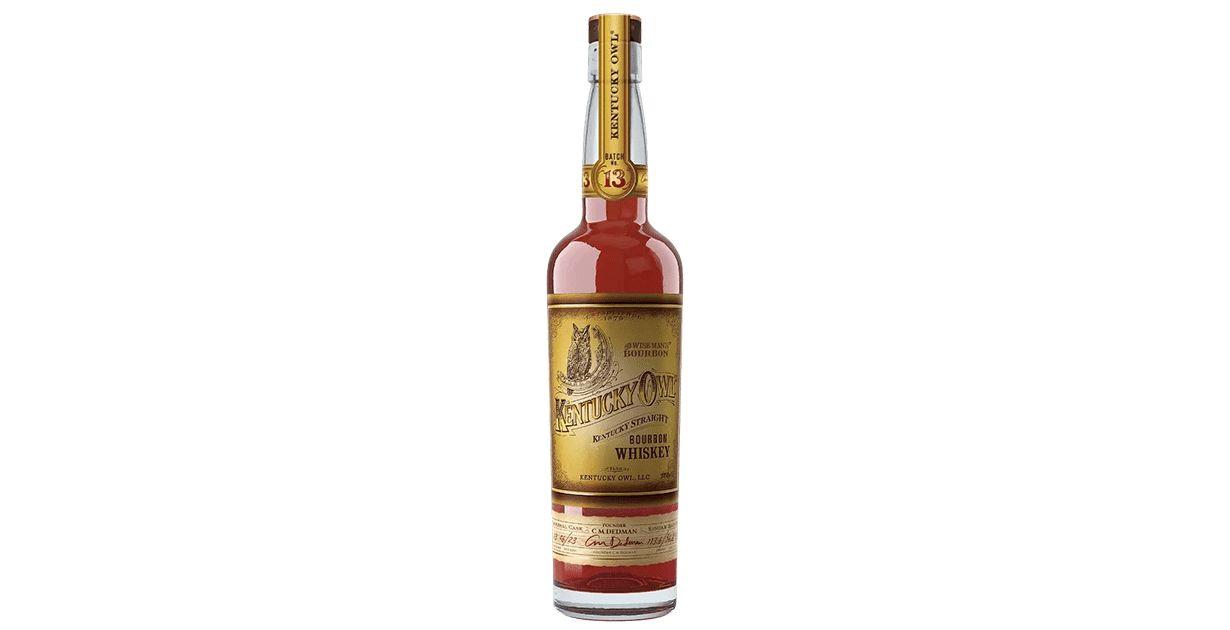
I saw Kentucky Owl on shelves for a long time before I finally tasted it. It seemed to occupy a gap in the market around the $100-plus price point, where the Buffalo Trace Antique Collection had established a reputation for premium bourbon.
Then I tried it, and I didn’t really understand the appeal.
The bottling strengths were impressive, with some releases offered at cask strength, but I never found the vibrancy or excitement that I regularly get from more affordable bottled-in-bond, full-proof, or barrel-proof bourbons.
Collectors began snapping up Kentucky Owl releases because they occupied that premium price bracket, offered something new, and came with some interesting partnerships.
But when everything outside the bottle shouts louder than what’s inside, I’m afraid you’ve already lost me.
There are simply too many excellent bourbons available for considerably less money to justify spending $120 or more on something that doesn’t deliver a noticeably better drinking experience.
You can find Kentucky Owl The Wiseman for around $30, but I believe there is even better value to be found elsewhere.
Scapa 16 Year Old, $125 vs Glen Moray 18 Year Old, $113
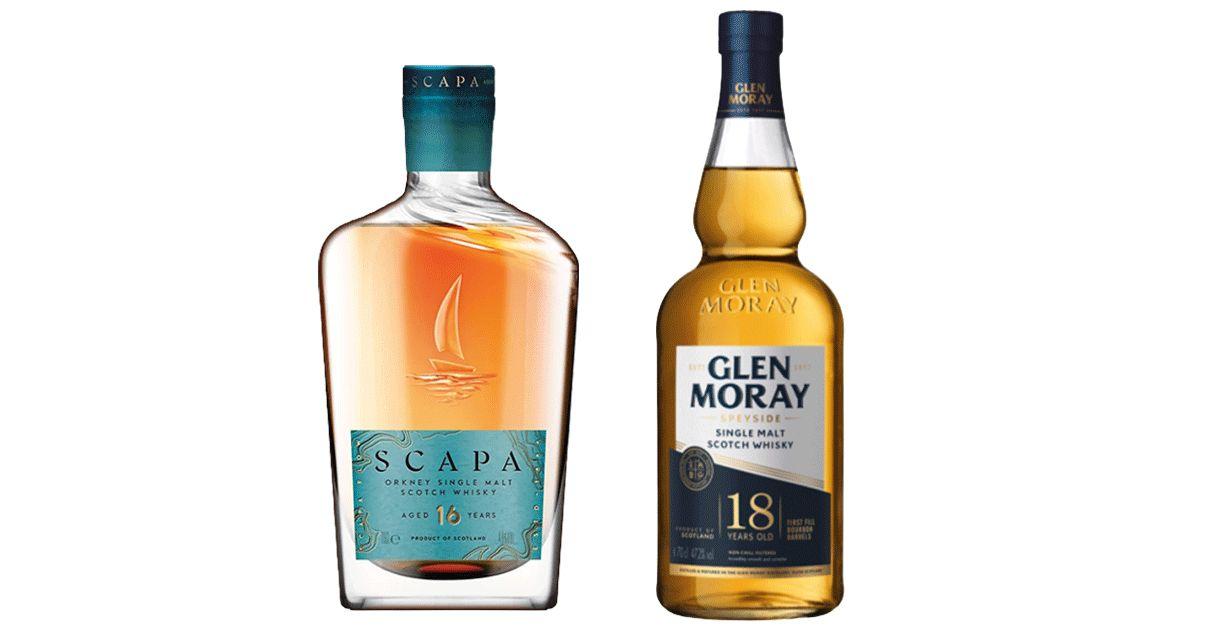
I have a lot of love for the new Scapa 10 Year Old. It’s a well-priced release from a much-loved distillery that deserves more attention.
Unfortunately, when I tried the 16 Year Old during a recent visit to Edinburgh, it left me a little flat.
Scapa is a fascinating distillery, and I’d love to see more affordable releases from it. But if you’re looking for that lighter, tropical fruit-driven flavor profile, several other distilleries spring to mind.
For a little less money, you can pick up Glen Moray 18 Year Old, which remains a seriously underrated single malt.
It’s classic Speyside whisky, matured entirely in ex-bourbon casks and bottled at 47.2% ABV. It offers an excellent combination of fruit, sweetness, and complexity, with the added benefit of two more years of maturation.
And Glen Moray isn’t your only option. You can also find fantastic independently bottled whiskies with similar fruity characteristics from distilleries such as Glenlossie, Tomatin, Clynelish, and Glen Scotia.
There are plenty of alternatives worth exploring before committing $125 to Scapa 16.
Are We Surrounded By Overpriced Whisky?
Not at all. In fact, there’s an incredible amount of value out there if you’re willing to look beyond the biggest names.
Some major brands are struggling, while distilleries such as Macallan and Dalmore continue chasing high-end customers after investing so heavily in the luxury market. Luxury branding has become central to their business models, but that doesn’t necessarily mean the whisky inside is worth the premium.
Meanwhile, there are excellent bottles at almost every price point that deliver outstanding flavor without the inflated reputation or elaborate packaging.
My advice is simple: try something new. Pick up a bottle that piques your interest, whether it’s from a smaller producer or a major distillery you’ve overlooked.
And when you’re judging value, compare whiskies of similar ages, strengths, and styles. You might be surprised by how much you can save without sacrificing quality.