



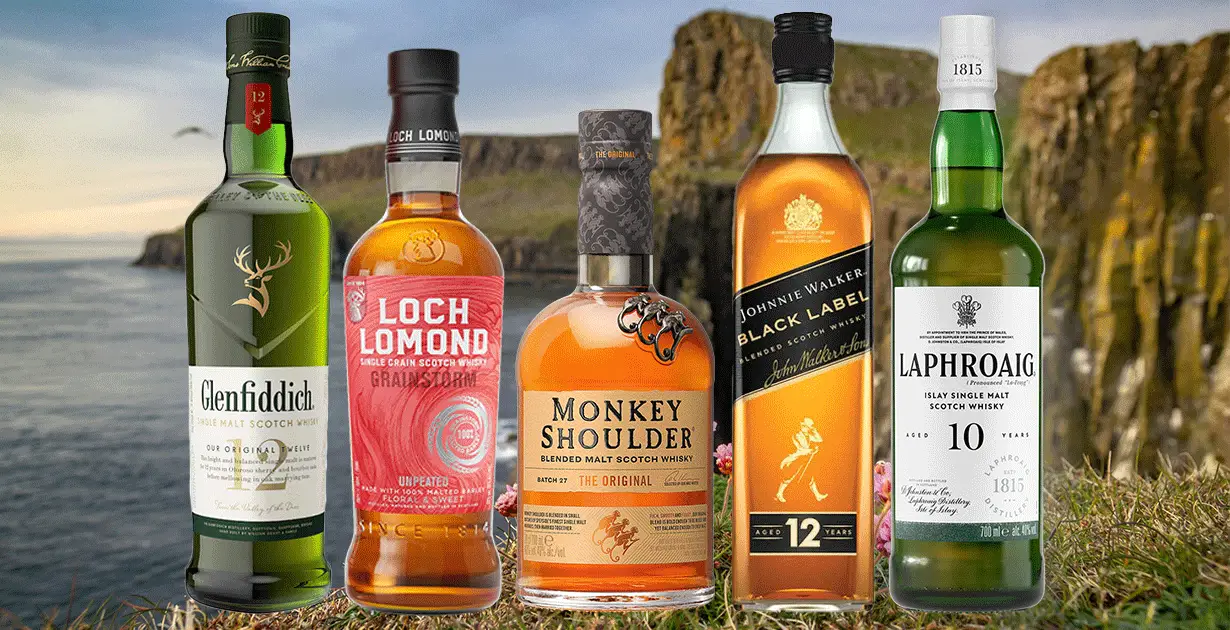
Walk into any supermarket or bar, and the Scotch whisky shelf can feel overwhelming.
There are regions you may not recognise, age statements, and categories that may not feel familiar to beginners.
Whilst it is easy to assume Scotch whisky is complicated or reserved for experts, this is certainly not the case.
So, if you are looking to explore Scotch for the first time, read on to find out exactly what Scotch whisky is, what the main types mean, and how to choose a bottle with confidence.
 Trending Content
What Is Scotch Whisky? The Golden Rule
Before you think about flavour or style, start with the legal definition.
According to the Scotch Whisky Association — the industry body that protects and promotes Scotch worldwide — Scotch whisky must by law:
What Will Whisky Look Like in 2027? Voices from Whisky Live Paris
READ THE STORY- Be distilled from cereals, water, and yeast in Scotland
- be aged in Scotland in oak casks for at least three years
- be bottled in Scotland at a minimum strength of 40% ABV
If a whisky does not meet those standards, it cannot be called Scotch.
These laws protect quality and give you confidence in what you are buying.
Single Malt Scotch Whisky: The Soloist
Single malt is the category most people recognise.
Legally, it is Scotch whisky made at one distillery, using only malted barley, water and yeast, and distilled in copper pot stills. Think of it as the house style of one place.
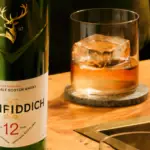
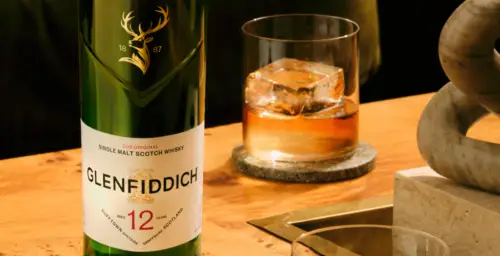
Classic examples include Glenfiddich, The Glenlivet, and The Macallan, although there are a huge number of single malt brands out there.
Each reflects the character of its distillery. Fruit, spice, smoke, or sherry richness all depend on where and how it is made.
Blended Scotch: The Orchestra
Blended Scotch is the most widely sold style in the world.
It is made by combining one or more single malt Scotch whiskies with one or more single grain Scotch whiskies.
Why blend at all? Single malt brings flavour and identity. Grain whisky brings smoothness and structure. A master blender combines dozens of components to create balance and consistency year after year.
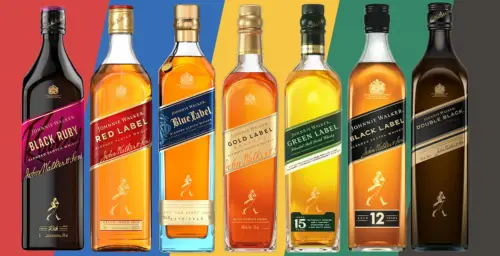
Famous examples include Johnnie Walker (exc. Green Label) and Chivas Regal.
Blended does not mean basic. It means carefully composed for approachability and reliability.
Blended Malt Scotch Whisky: The Supergroup
Blended malt sits between single malt and blended Scotch.
It is made by combining two or more single malt Scotch whiskies from different distilleries. No grain whisky is included.
The result often delivers the depth of malt whisky with the balance that comes from blending.
Examples include Monkey Shoulder and Johnnie Walker Green Label.
What About Single Grain?
Single grain Scotch often causes confusion.
Like single malt, it is made at one distillery. Unlike single malt, it can use cereals such as wheat or maize as well as malted barley.
Most single grain whisky is used in blended Scotch, where it adds smoothness and structure.
Blended grain also exists. It is a blend of grain whiskies from more than one distillery. You will rarely see it on shelves.
What Do the Age Statements Mean?
Age statements are often misunderstood.
If a bottle says 12 years old, every drop inside has been matured for at least 12 years in an oak cask. It is the age of the youngest whisky in the bottle, not an average.
Also worth knowing: Whisky does not continue to age in the bottle. It stops aging when it is bottled. So, even if you hold a 12-year-old whisky for 50 years, it will still be 12 years old.
Where Should You Start?
The easiest way to choose Scotch is by flavour.
If you enjoy sweet, fruity notes, try a Speyside single malt such as The Glenlivet 12 Year Old. Speyside whiskies are often known for orchard fruit and honeyed character.
If you prefer something smooth and balanced, a premium blend like Johnnie Walker Black Label is a reliable place to begin.
If you like bold, smoky flavours, look to Islay and try Laphroaig 10 Year Old.
We have a lot of guidance for beginner whisky drinkers looking to start their journeys. Click here for our Best Beginner Whisky articles.
Go Forth And Drink Scotch!
Scotch whisky is not one flavour or one style. It is a protected category with clear rules and distinct identities.
Once you understand single malt, blended Scotch and blended malt, the shelf stops looking intimidating. It becomes a map. And now you know how to read it.
What is your favourite beginner Scotch whisky? Let us know in the comments!