



Innovation has become something of a buzzword in the whiskey industry, and there are moments when it feels like producers are trying something unusual for the sake of it.
However, there are equal numbers of producers doing genuinely fascinating things with amazing results. Brands are changing how they ferment, mature, or finish whiskey because they are chasing a flavor or an idea they think is worth the effort.
The five bottles below are proof of just that. Each one did something differently at some stage of production, and each was recognized for it by a major competition in 2025 or 2026. All of those competitions judge blind, so the panels scored these whiskies without knowing anything about how they were made.
What Will Whisky Look Like in 2027? Voices from Whisky Live Paris
READ THE STORYSo, here are five whiskies that picked up awards for straying outside the norm.
Crazy Cock Madhuca III
Gold, International Wine & Spirits Competition 2026, 95 Points
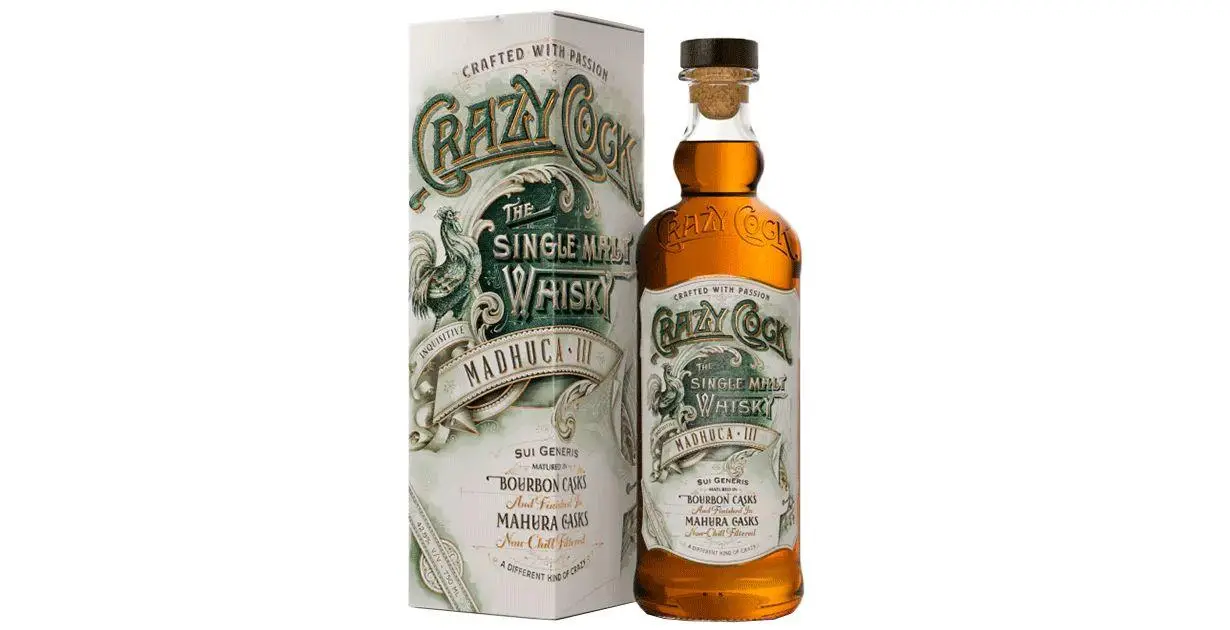
Mahua comes from the flowers of the Madhuca longifolia tree, which grows across the forests of central and western India, and communities there have been fermenting and distilling it for centuries.
 Trending Content
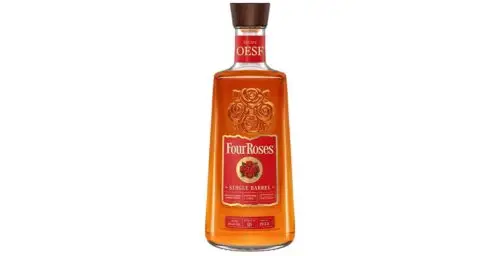
South Seas Distilleries in Dahanu, Maharashtra, has been maturing the spirit in oak for decades, and in 2024 it released Six Brothers Mahura 1922 Resurrection, a run of 102 bottles priced at £1,000 each. Emptying those casks left the distillery holding oak that had been seasoned with aged mahua, which no other producer had. And so, they decided to do something with it, resulting in the Madhuca series.
Madhuca III is distilled from six-row Indian barley in copper pot stills, matured in ex-bourbon casks and then finished in the ex-mahura wood. It took a Gold with 95 points at the IWSC 2026, the highest Indian whisky ranking in the competition, and a Gold at the World Whisky Masters 2026.
Dahanu sits on the coast, and the humid conditions there move maturation along more quickly than a cooler climate would.
Starlight Mizunara Reserve Bourbon
Best of Category, New Orleans Spirit Competition 2026
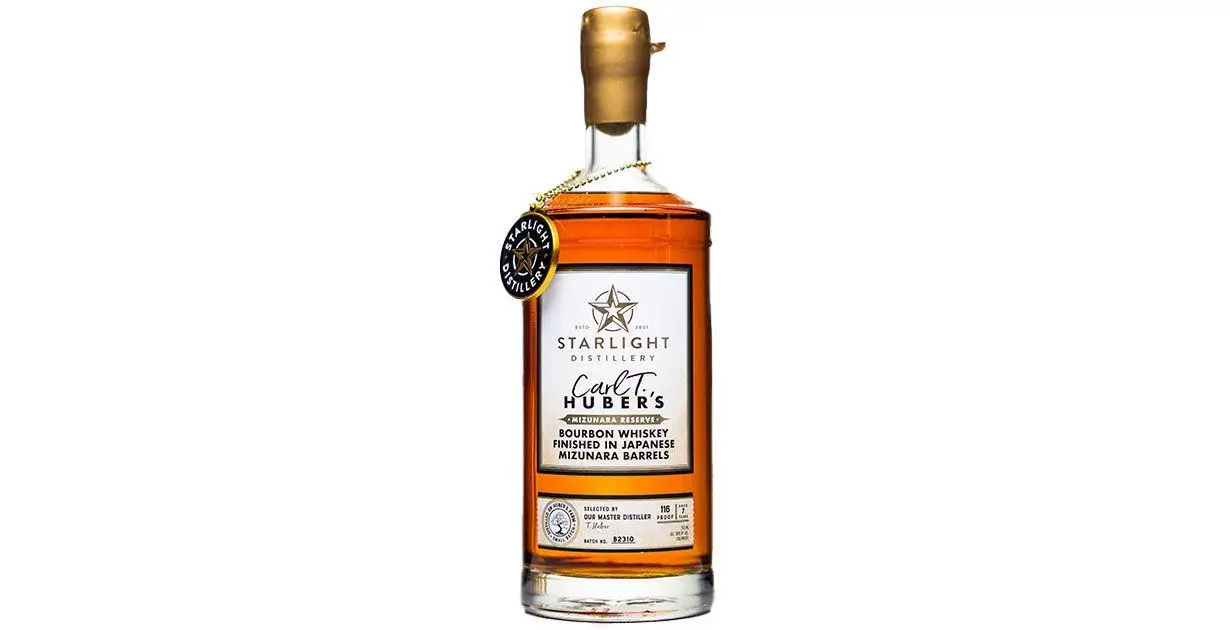
Mizunara is a Japanese oak with a reputation for being awkward to use. The trees need decades before they are suitable for coopering, the wood is porous enough to make barrel construction difficult, and casks are extremely expensive. What it contributes to whiskey, though, is a set of aromas and unique flavors including sandalwood, toasted coconut, and incense-like spice.
Starlight blends its three-grain and four-grain mash bills, using grain grown on the Huber family estate in Indiana, ferments with a sweet mash process and double pot distills. The bourbon spends around seven years in new charred American oak, then several months in the mizunara casks. Proof shifts from batch to batch and generally sits between 112 and 116.
It won Best of Category for Cask-Finished Bourbon at the New Orleans Spirits Competition 2026 and a Double Gold at the San Francisco World Spirits Competition 2026.
Teeling Crystal Single Malt
Spirit Silver, International Wine & Spirits Competition 2026, 93 Points
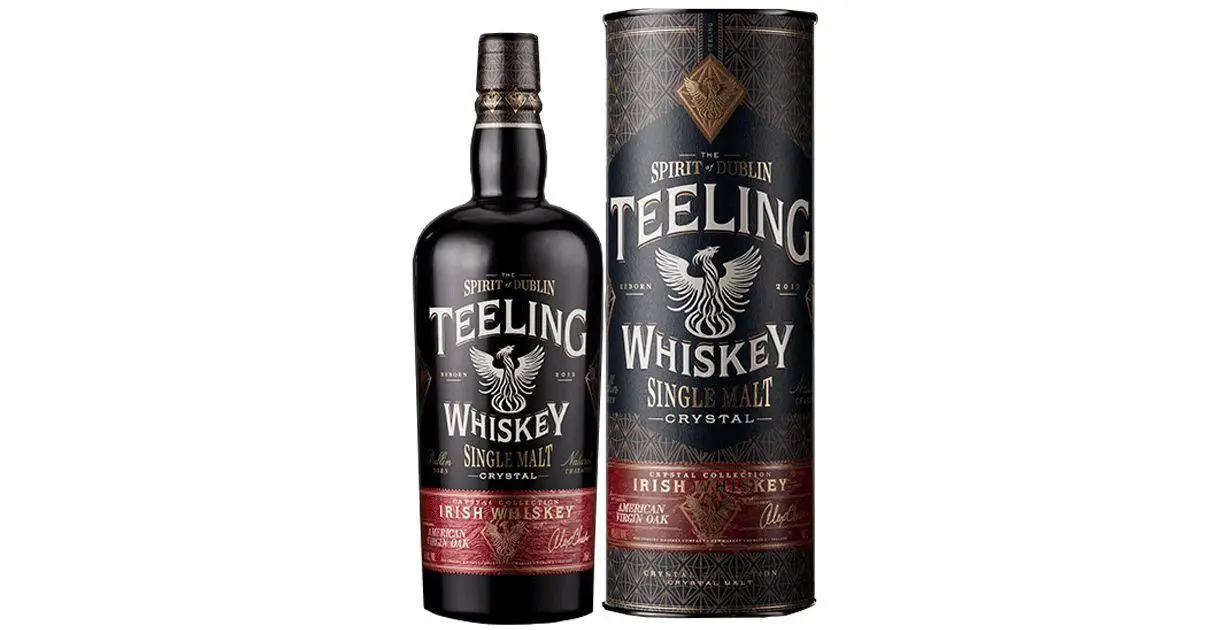
Crystal malt is a brewing ingredient, produced through a process called stewing. Once the barley has germinated, it is heated in a closed environment that keeps the moisture in, so the starches mash inside the grain and the sugars caramelize there.
Whiskey distillers use it very rarely, because the process leaves far fewer of the enzymes fermentation depends on. Teeling, though, was unfazed.
Alex Chasko, Teeling’s master distiller, worked in brewing before whiskey, and he built this release around crystal malted barley alongside distillers’ malt. Fermentation happens twice, once with distillers’ yeast and once with white wine yeast.
The whiskey is triple distilled and matured only in fresh American oak. It is bottled at 46% without chill filtration, and the release was limited to 18,000 bottles. The IWSC 2026 judges gave it a Spirit Silver with 93 points.
Ampersand Aureus
Best of Show 3rd Place, North American Bourbon & Whiskey Competition 2026, 95 Points
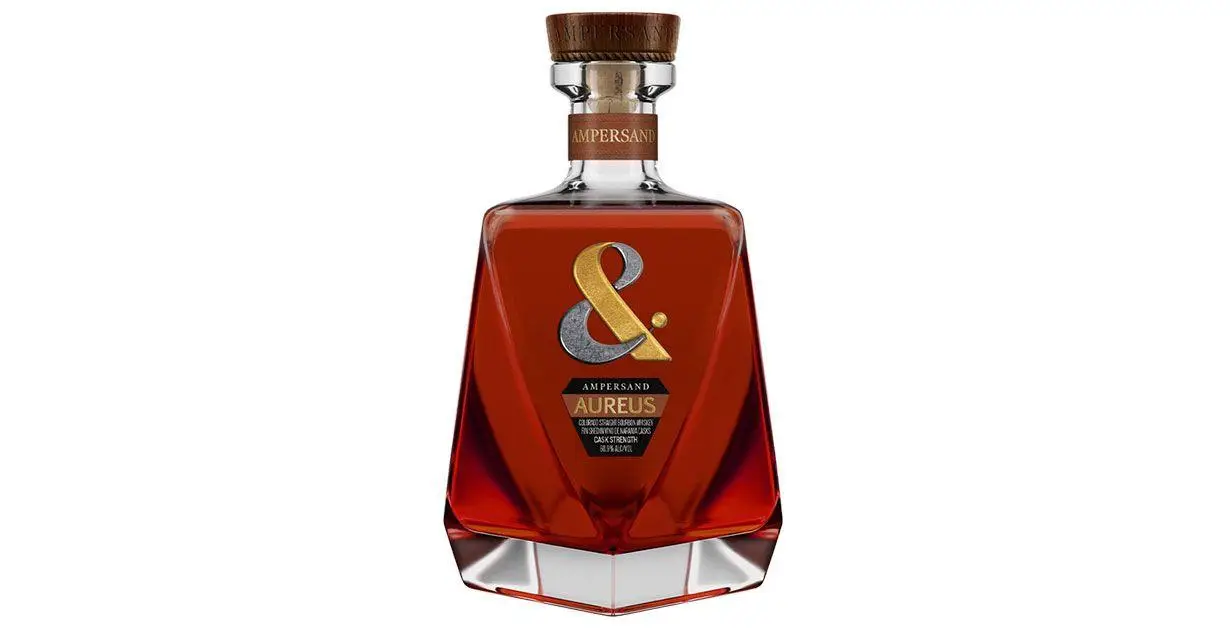
Chip Tate founded Balcones Distilling in Texas in 2008 and left in 2014. Foley Family Wines & Spirits brought him in during January 2024 as master distiller for innovation, and Ampersand is the line he has been working on since.
The first three releases arrived in November 2025 and included a rye blended with Calvados, a rye married with corn spirit aged in XO Cognac casks, and a 15-year-old Kentucky bourbon finished in Tokaji barrels.
Aureus is the fourth, a five-year-old whiskey finished in Naranjo wine casks and bottled at 60.9%. When the North American Bourbon & Whiskey Competition published its 2026 results, the bottle had not appeared on the Ampersand website or in retailer listings, and the competition’s CEO confirmed the details to us.
It placed third in Best of Show with 95 points and a Double Gold, and went on to take the Taste Master award at the American Whiskey Masters 2026.
I, for one, am excited for this to hit the shelves.
Peach Street Cider Barrel Finished Single Malt
Double Gold and Best of Category, ADI 2026
The barrels behind this one make the release come full circle. Fenceline Cider in Mancos, Colorado fills once-used Peach Street bourbon barrels with its Bourbon Barrel winter seasonal cider, and when the cider is ready the barrels go back to Peach Street, who use them to finish an American peated single malt.
Peated malt is far more common in Scotland than in Colorado, and very few American single malts include it at all.
Peach Street works out of Palisade on Colorado’s Western Slope, and Rory Donovan founded it in 2005 with Bill Graham and Dave Thibodeau of Ska Brewing.
The whiskey took a Double Gold and Best of Category at the ADI International Spirits Competition 2026. Beyond the award there is very little on record, since the distillery has not published a product page and has not disclosed the age, the ABV or how long the whiskey sat in the cider wood. The tasting room in Palisade is the place to ask.
Would You Track Any of These Down?
Any of these five is a good starting point if you want to see what happens when a producer takes a different route. Which one would you pick up? Let us know in the comments.
Also, if you have any other wacky whiskey recommendations for your fellow drinkers, drop them below.